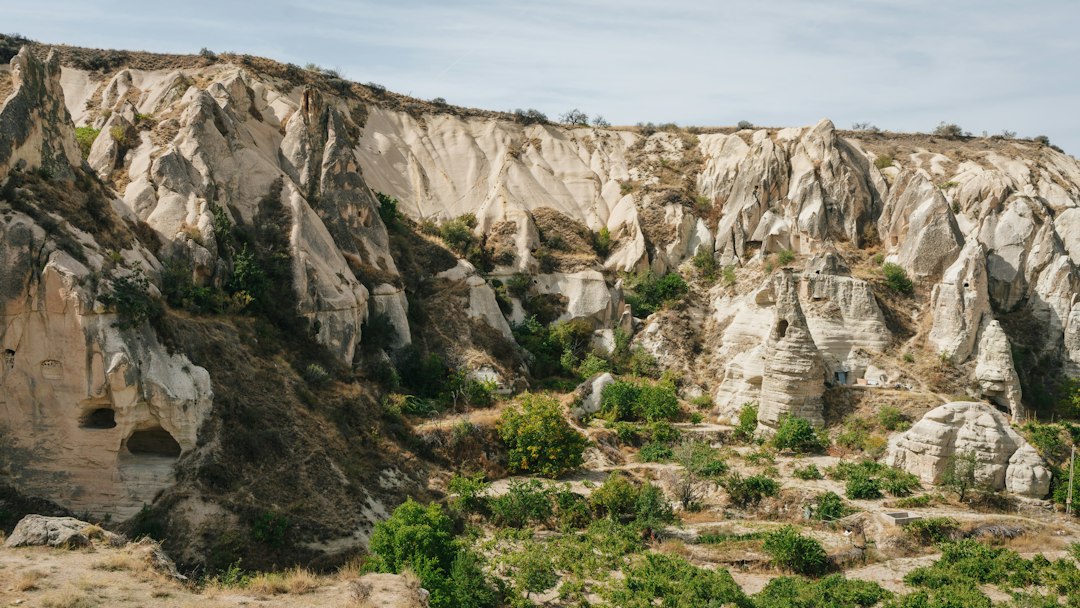
The earth has always been a repository of secrets, and nowhere are these secrets more profound than within the mysterious chambers dug beneath the surface. For millennia, humans have sought refuge, storage, and ceremony in subterranean spaces, creating a fascinating architectural legacy that continues to intrigue archaeologists and historians. Exploring these ancient homes, particularly the enigmatic underground rooms, offers a captivating glimpse into the ingenuity, resourcefulness, and even the spiritual beliefs of our ancestors. The very act of delving into these hidden dwellings evokes a sense of wonder, prompting questions about their purpose, construction, and the lives of those who inhabited them.
The impulse to build underground is as old as civilization itself. While the reasons might seem counterintuitive in our modern world of climate-controlled skyscrapers, ancient peoples had compelling motivations for seeking shelter beneath the earth’s surface. These motivations were diverse, ranging from practical necessities to deeply ingrained cultural and spiritual considerations. Understanding the genesis of these subterranean homes is crucial to deciphering their enduring mystery.
Climate Control: A Natural Advantage
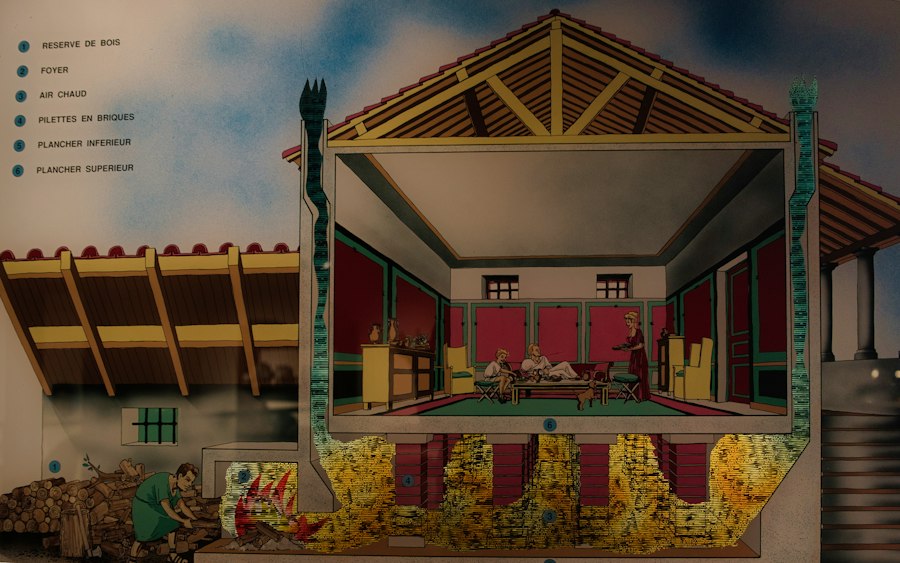
Perhaps the most universally applicable reason for subterranean construction was the inherent climate control offered by the earth. Above ground, structures are exposed to the harsh vagaries of weather: scorching sun, freezing winds, torrential rains, and fluctuating temperatures. Underground, however, the earth acts as a natural insulator. The ambient temperature below the surface remains remarkably stable throughout the year. In hot climates, these underground rooms offered a cool respite from the oppressive heat, creating a comfortable living or working environment. Conversely, in colder regions, the earth’s mass helped to retain warmth, providing a sanctuary from biting winter chills. This natural insulation significantly reduced the need for artificial heating or cooling, a luxury entirely unavailable to ancient populations. The sheer effort required to maintain a habitable temperature in above-ground structures would have been immense, making the subterranean option a pragmatic and energy-efficient choice. Archaeological evidence, from the layout of dwellings to the presence of ventilation shafts, often points to a deliberate manipulation of the earth’s thermal properties.
Protection and Security: A Fortress Against the World
Beyond comfort, the earth offered unparalleled protection. Underground dwellings served as natural fortresses, shielding their inhabitants from external threats. This could range from the dangers of wild animals to the more prevalent threat of human conflict. A well-concealed underground dwelling provided a secure haven during times of raid or invasion. The thick layer of earth above offered a significant barrier against siege weaponry and made the entrance difficult to locate or breach. In regions prone to conflict, the ability to disappear beneath the surface would have been a vital survival strategy. This defensive advantage is particularly evident in settlements that show evidence of extensive defensive fortifications alongside their subterranean elements. The strategic placement of entrances, often disguised or protected, further underscores the security rationale.
Resource Scarcity and Material Availability
In many ancient societies, the availability of construction materials above ground could be limited. Forests might have been depleted, or suitable stone might have been scarce in certain regions. Excavating into the earth provided a readily accessible source of building material: the soil itself. While this might seem rudimentary, the techniques developed by ancient peoples for shaping and reinforcing these earthen structures were often remarkably sophisticated. Furthermore, the earth provided a stable and readily available “raw material” that could be molded and adapted to their needs. This inherent resourcefulness minimized reliance on external supply chains or extensive transportation of materials, making underground construction a more sustainable and practical option in many environments.
Ancient homes often reveal fascinating insights into the lives of past civilizations, particularly those with underground rooms that served various purposes, from storage to shelter. For a deeper understanding of how ancient cultures interacted with their environments, you might find the article on the Piri Reis map intriguing. It explores the connections between ancient cartography and historical geography, shedding light on how early societies navigated and understood their world. You can read more about it here: Uncovering Glacial History with the Piri Reis Map.
Architectural Ingenuity: Shaping the Earth for Habitation
The creation of habitable underground spaces was no simple feat. It required a deep understanding of geology, engineering principles, and the ability to work with materials in innovative ways. The transition from a simple hole in the ground to a complex, multi-room dwelling demonstrates a remarkable level of architectural sophistication.
Excavation Techniques: Tools and Methods
The tools available to ancient builders were basic by modern standards, yet they were wielded with immense skill and perseverance. Primarily, these tools would have consisted of stone or bone picks, shovels made from wood or animal scapulae, and baskets for removing excavated earth. The process of excavation would have been slow and labor-intensive, often undertaken by teams of individuals. The choice of soil consistency was also crucial; unstable soil would have required more intricate reinforcement. Evidence of this can be seen in the layering of packed earth, the use of wooden beams for support, and sometimes, even in rudimentary forms of brick or stone lining. The sheer scale of some underground complexes suggests a highly organized labor force and a clear understanding of project management, even if undocumented in written form.
Structural Reinforcement: Preventing Collapse
A primary concern in any underground construction is preventing collapse. Ancient builders developed ingenious methods to ensure the structural integrity of their subterranean homes. This often involved leaving thick pillars of earth to support the roof, or carefully shoring up the walls with timber beams. In some cases, they would use a technique called “pisé de terre,” where damp earth is rammed into formwork, creating solid, load-bearing walls. Evidence of these reinforcement techniques can be found in the surviving remains, such as post holes for timber supports or distinct layers of rammed earth. The understanding of load-bearing capacity, even if not mathematically codified, was clearly present. The careful selection of excavation sites, avoiding areas with unstable geological formations, also played a significant role in preventing catastrophic failures.
Ventilation and Light: Bringing Life to the Depths
A significant challenge in creating comfortable underground living spaces was providing adequate ventilation and light. Stagnant, unventilated air could become unhealthy and unpleasant. Similarly, complete darkness would have made daily life impossible. Ancient peoples ingeniously addressed these issues through the creation of ventilation shafts. These were essentially narrow tunnels dug from the surface down to the living spaces, allowing for the circulation of fresh air and the escape of stale air. The design and placement of these shafts were often sophisticated, sometimes incorporating baffles or covers to prevent rain or debris from entering. For lighting, the use of oil lamps and torches was common. The placement of rooms relative to ventilation shafts and the creation of larger central chambers would have helped to distribute light more effectively. Some more advanced designs even incorporated skylights or light wells, allowing natural sunlight to penetrate deeper into the subterranean complex.
Diverse Forms and Functions: From Homes to Hideouts
The “underground room” is not a monolithic concept. Across different cultures and time periods, these subterranean spaces manifested in a remarkable diversity of forms and served a wide array of functions, extending far beyond simple living quarters. This diversity speaks to the adaptability and creativity of ancient peoples in utilizing their subterranean environment.
Living Quarters: The Subterranean Hearth
For many, underground rooms were simply extensions of their homes, providing a cooler and more secure place to sleep or store provisions. These were often integrated with above-ground structures, with entrances leading down from a courtyard or an ancillary building. The layout could vary from simple single rooms to more complex interconnected chambers, mimicking the spatial organization of surface dwellings. Evidence of hearths, storage pits, and sleeping platforms within these rooms confirms their domestic use. The level of finish in these living quarters could range from rough-hewn earth to plastered walls and even carved decorative elements, reflecting the social status of the inhabitants.
Storage Facilities: Preserving the Harvest and Possessions
The stable temperature and humidity of underground spaces made them ideal for storing food. Root cellars, granaries, and wine cellars dug into the earth were crucial for preserving harvests, ensuring a food supply throughout the year, especially in regions with seasonal gluts and shortages. Beyond food, these subterranean rooms also served as secure locations for storing valuable possessions, tools, and religious artifacts. The earth offered a natural safeguard against theft and environmental degradation, protecting precious resources. Evidence of such storage can be found in the presence of plastered bins, specially designed silos, or simply in the organized arrangement of artifacts within the chambers.
Religious and Ritualistic Spaces: The Sacred Depths
For many ancient cultures, the underworld held deep spiritual significance. Therefore, it is not surprising that underground rooms were often dedicated to religious ceremonies, burials, and communication with the spirit world. These sacred spaces could be elaborate, featuring altars, carvings, and burial niches. The darkness and silence of the earth might have been seen as a conduit to the divine or a place for introspection and meditation. The presence of ritualistic objects, human remains, or distinctive architectural features often points to the sacred nature of these subterranean sites. These spaces offer a window into the spiritual beliefs and cosmological understandings of ancient peoples, revealing their reverence for the unseen realms.
Defensive Structures and Hideouts: Escaping Danger
In times of conflict or persecution, underground rooms served as vital escape routes and hidden sanctuaries. These could range from simple, concealed bolt-holes to extensive network of tunnels and chambers designed for prolonged concealment. The entrances to these hideouts were often ingeniously camouflaged, making them nearly impossible to detect from the surface. The strategic purpose of these structures is evident in their robust construction and their often remote or strategically advantageous locations. The discovery of such sites can provide invaluable insights into the history of warfare and the survival strategies employed by ancient populations facing significant threats.
Unraveling the Mysteries: Archaeological Discoveries and Ongoing Research
The ongoing exploration of ancient underground rooms is a testament to the enduring fascination with these hidden remnants of the past. Archaeological endeavors are continuously shedding new light on their purpose, construction, and the lives of their inhabitants.
Case Studies: Iconic Underground Sites
Numerous iconic sites around the world offer compelling examples of ancient underground living. The ancient dwellings of Cappadocia in Turkey, with their vast underground cities carved into soft volcanic rock, stand as a testament to human ingenuity and resilience. These multi-level complexes, featuring living quarters, churches, storage areas, and even stables, housed entire communities for extended periods, offering refuge from invasions. Similarly, the “Hypogeum of Hal Saflieni” in Malta is a remarkable Neolithic burial complex, intricately carved into the limestone. This underground sanctuary, with its acoustically resonant chambers and evidence of elaborate rituals, offers a profound glimpse into the spiritual world of its creators. In Rome, Italy, the “Domus Aurea” (Nero’s Golden House) features extensive underground structures, including a labyrinthine network of tunnels and rooms that once served as entertainment spaces and private retreats for the emperor. These are just a few examples, each with its unique story to tell about the diverse applications of subterranean architecture.
Decoding the Evidence: Artifacts and Architecture
Archaeologists employ a range of sophisticated techniques to interpret the evidence found within underground rooms. The careful excavation and documentation of artifacts – pottery shards, tools, remnants of food, personal belongings, and even skeletal remains – provide crucial clues about the daily lives, diet, and social practices of the inhabitants. The architectural features themselves are equally informative. The style of carving, the types of reinforcement used, the presence of ventilation shafts, the layout of rooms, and any decorative elements all contribute to understanding the purpose and period of construction. Radiocarbon dating and other scientific methods help to establish timelines, while comparative studies with other archaeological sites offer broader cultural context.
The Human Element: Reconstructing Lives from the Depths
Beyond the purely structural and material evidence, archaeologists strive to reconstruct the human stories embedded within these underground spaces. Who lived here? What were their daily routines? What challenges did they face? By piecing together the fragments of evidence, researchers can begin to paint a picture of these ancient lives. Were they farmers seeking to protect their harvest? Refugees fleeing conflict? A community seeking spiritual solace? The subtle details – the wear patterns on tools, the arrangement of domestic items, the presence of children’s toys – can all contribute to a more nuanced understanding of the human experience within these subterranean environments. The ongoing research promises to continue to unveil the rich tapestry of human history that lies beneath our feet.
Ancient homes often featured fascinating underground rooms that served various purposes, from storage to living spaces. These subterranean areas provide insight into the architectural ingenuity of past civilizations. For those interested in how modern innovations are reshaping our understanding of space and architecture, a related article discusses the implications of SpaceX’s Starship on geopolitics and technology. You can read more about it in this insightful piece here.
The Enduring Legacy: Lessons from Ancient Underground Homes
| Ancient Home | Location | Estimated Age | Underground Room Purpose | Notable Features | Approximate Size (sq ft) |
|---|---|---|---|---|---|
| Derinkuyu Underground City | Cappadocia, Turkey | Circa 8th century BCE | Refuge and storage | Multi-level tunnels, ventilation shafts | 100,000+ |
| Skara Brae | Orkney Islands, Scotland | Circa 3180 BCE | Living quarters and storage | Stone-built furniture, connected rooms | 1,000 |
| Cliff Palace | Colorado, USA | Circa 1190 CE | Residential and ceremonial | Cliff dwellings with kivas (underground ceremonial rooms) | 13,000 |
| Naours Caves | France | Medieval period | Refuge and storage | Over 300 rooms, secret passages | 20,000 |
| Matmata Troglodyte Homes | Tunisia | Ancient Berber period | Residential | Houses dug into the ground with central courtyards | Varies, typically 1,500 |
The exploration of ancient underground rooms is more than just an academic pursuit; it offers valuable lessons and insights that resonate even today. These subterranean spaces, born of necessity and ingenuity, highlight timeless principles of resilience, resourcefulness, and the profound connection between humanity and the earth.
Sustainability and Resourcefulness: Lessons for the Modern World
In an era grappling with environmental challenges and resource depletion, the ancient peoples who embraced subterranean living offer a powerful example of sustainability. Their use of readily available materials, their manipulation of natural processes for climate control, and their efficient utilization of space underscore a way of life that was inherently more in tune with the natural world. Their ability to thrive by working with the earth, rather than solely against it, provides valuable lessons for modern architectural and urban planning. The principles of passive heating and cooling, for instance, are directly echoed in the designs of these ancient dwellings.
Resilience and Adaptation: Surviving Through the Ages
The enduring existence of these underground structures speaks volumes about the resilience and adaptability of ancient human societies. They faced harsh climates, frequent conflicts, and the constant struggle for survival, yet they found innovative ways to create safe and sustainable living environments. The underground room was not just a dwelling; it was a symbol of their ability to overcome adversity and to carve out a life even in challenging circumstances. This capacity for adaptation and the development of ingenious solutions in the face of hardship is a timeless human trait that continues to inspire.
A Deeper Connection to the Earth: Respect for the Subterranean Realm
The widespread use of underground spaces across diverse cultures suggests a deeper, perhaps even spiritual, connection to the earth. The act of digging into the ground, of making a home within its embrace, implies a respect for its protective and life-sustaining qualities. This connection is often amplified in cultures where the underworld held significant religious or mythological importance. Exploring these ancient homes encourages us to reconsider our own relationship with the earth, to appreciate its hidden depths, and to recognize the wisdom embedded within ancient practices of dwelling. The mystery of underground rooms is, in essence, a mystery of human ingenuity and our enduring relationship with the ground beneath our feet.

How Ancient Cities Stayed Cool Without Air Conditioning
FAQs
What are ancient homes with underground rooms?
Ancient homes with underground rooms are dwellings that were built partially or entirely below ground level. These structures were commonly used by various ancient civilizations for various purposes such as storage, protection from extreme weather conditions, and as living spaces.
Which ancient civilizations built homes with underground rooms?
Several ancient civilizations built homes with underground rooms, including the ancient Egyptians, Greeks, Romans, and Native American tribes. These underground structures were often used for different purposes depending on the needs and customs of each civilization.
What were underground rooms used for in ancient homes?
Underground rooms in ancient homes served a variety of purposes, including storage for food and supplies, protection from enemies or extreme weather conditions, as living spaces, and as ceremonial or religious spaces. These rooms were often well-designed and constructed to meet the specific needs of the inhabitants.
How were underground rooms constructed in ancient homes?
Ancient underground rooms were typically constructed using various techniques and materials depending on the resources available to the civilization. Common construction methods included digging into the earth, using stone or mud bricks for walls, and creating ventilation shafts to allow air circulation underground.
Are there any ancient homes with underground rooms that can still be visited today?
Yes, there are several ancient homes with underground rooms that can still be visited today as archaeological sites or tourist attractions. Examples include the underground city of Derinkuyu in Turkey, the catacombs of Rome, and the cliff dwellings of Mesa Verde in the United States.