
The Sudanese landscape, vast and often overlooked, holds an unparalleled tapestry of human history. For millennia, this land, carved by the mighty Nile and bordered by deserts, served as a cradle for civilizations that shaped the course of human development. Exploring this ancient human landscape is not merely an academic pursuit; it is an immersion into a past that resonates with the very foundations of our existence. From the earliest nomadic hunter-gatherers to the sophisticated kingdoms of Nubia and the echoes of later cultures, Sudan’s archaeological record offers a profound and often humbling glimpse into the ingenuity, resilience, and creativity of our ancestors. The sheer scale of discoveries, coupled with the ongoing challenges of preservation and excavation, makes Sudan a vital frontier for understanding the unfolding story of humankind.
The Nile River is not just a geographical feature; it is the historical artery that pulsated with life and civilization in Sudan. Its annual inundation, a predictable cycle of renewal, provided fertile land for agriculture, enabling settled communities to flourish. The river also served as a vital transportation route, connecting disparate regions and facilitating trade and cultural exchange. Understanding the profound influence of the Nile is crucial to appreciating the development of ancient Sudanese societies.
The Genesis of Settlement: Early Agricultural Communities
The transition from nomadic hunter-gatherer lifestyles to settled agriculture was a monumental shift in human history, and Sudan bears witness to this transformative period. Evidence suggests that early communities, drawn to the predictable bounty of the Nile Valley, began cultivating crops and domesticating animals. These nascent settlements, though perhaps modest in scale, laid the groundwork for the complex societies that would later emerge.
Early Pottery and Sedentism
The discovery of early pottery shards provides tangible evidence of growing sophistication and a more settled existence. The development of pottery allowed for the storage of food and water, reducing reliance on immediate foraging and enabling the establishment of more permanent dwellings. These early ceramic traditions, though simple in their initial forms, represent a significant technological leap.
The Dawn of Domestication
The domestication of animals, alongside the cultivation of crops, marked another pivotal moment. Archaeological findings indicate the presence of domesticated cattle, sheep, and goats in early Sudanese settlements. This shift towards animal husbandry provided a more stable and varied food source, contributing to population growth and the development of more complex social structures.
The Nile’s Role in Trade and Communication
Beyond its agricultural benefits, the Nile was the superhighway of ancient Sudan. Its waters facilitated the movement of people, goods, and ideas across vast distances. This connectivity was instrumental in the rise of powerful kingdoms and the diffusion of cultural practices.
Riverine Trade Networks
Extensive trade networks flourished along the Nile, connecting the agricultural heartland with resource-rich regions to the south and north. Evidence of imported goods, such as exotic stones, precious metals, and luxury items, points to a sophisticated system of exchange that extended far beyond the immediate vicinity of settlements.
Cultural Exchange and Diffusion
The constant flow of people and goods along the Nile also fostered significant cultural exchange. Religious beliefs, artistic styles, architectural techniques, and even administrative practices were shared and adapted, leading to a rich and diverse cultural landscape that characterized ancient Sudan.
The ancient human landscape in Sudan has been a subject of interest for researchers exploring the connections between early human societies and their environments. A related article that delves into the broader implications of climate change on historical landscapes is available at Rising Sea Levels and Extreme Weather: Understanding Climate Change Impact. This article discusses how shifting climates have influenced human settlement patterns throughout history, providing valuable context for understanding the ancient landscapes of regions like Sudan.
The Rise of Nubian Kingdoms: A Flourishing Civilization
South of Egypt, along the fertile banks of the Nile, emerged a series of powerful and influential Nubian kingdoms. These civilizations, often overshadowed by their more famous northern neighbor, possessed their own distinct identities, impressive achievements, and a profound impact on regional history. Exploring the legacy of these kingdoms is essential to a comprehensive understanding of ancient human landscapes in Sudan.
The Kerma Culture: The First Great Nubian Kingdom
The Kerma culture, flourishing from around 2500 BCE to 1500 BCE, stands as the earliest of the great Nubian kingdoms. Its capital, Kerma, was a sprawling metropolis, boasting impressive architecture and a complex social hierarchy. The longevity and influence of Kerma underscore the inherent capabilities of Nubian societies to organize and thrive.
Monumental Architecture and Urban Planning
The most striking evidence of Kerma’s sophistication lies in its monumental architecture. The “Defuffa,” massive brick structures, likely served religious or administrative purposes and indicate a remarkable level of engineering and labor organization. The well-planned layout of the city, with its distinct residential, craft, and ceremonial zones, speaks to advanced urban planning.
Evidence of Social Stratification
The cemeteries of Kerma offer compelling insights into the social stratification of the society. Elaborate burials, accompanied by rich grave goods, indicate a ruling elite, while simpler interments reflect the lives of commoners. The presence of human sacrifices in some elite burials further highlights the hierarchical nature of Kerma society.
Trade and Economic Power
Kerma was a major economic power, controlling lucrative trade routes for commodities such as ivory, ebony, gold, and slaves. Its strategic location allowed it to act as an intermediary between sub-Saharan Africa and the Mediterranean world, contributing to its wealth and influence.
The Kingdom of Kush: A Dynasty of Pharaohs
Following the decline of Kerma, the Kingdom of Kush rose to prominence, eventually achieving a level of power that allowed its rulers to conquer Egypt and rule as pharaohs. This period, known as the Napatan and Meroitic periods, represents a zenith of Nubian civilization.
The Napatan Period: Resurgence and Conquest
The Napatan period (c. 750-300 BCE) witnessed the re-emergence of powerful Nubian rulers based in Napata. Their military prowess led them to conquer Egypt, establishing the 25th Dynasty. This unprecedented feat of Nubian dominance speaks volumes about their military organization and ambition.
Pharaoh Piye and the Unification of Egypt
Pharaoh Piye, the founder of the 25th Dynasty, is a key figure of this era. His victory stele meticulously details his campaign to unify Egypt, showcasing his military strategy and his respect for Egyptian traditions. This period marks a significant moment of cultural and political inversion.
Temple Construction and Royal Tombs
The Napatan rulers left behind impressive architectural legacies, including numerous temples and royal tombs. These structures, often inspired by Egyptian prototypes but with distinct Nubian elements, are testament to their wealth and their commitment to religious and dynastic continuity.
The Meroitic Period: A Distinctive Nubian Identity
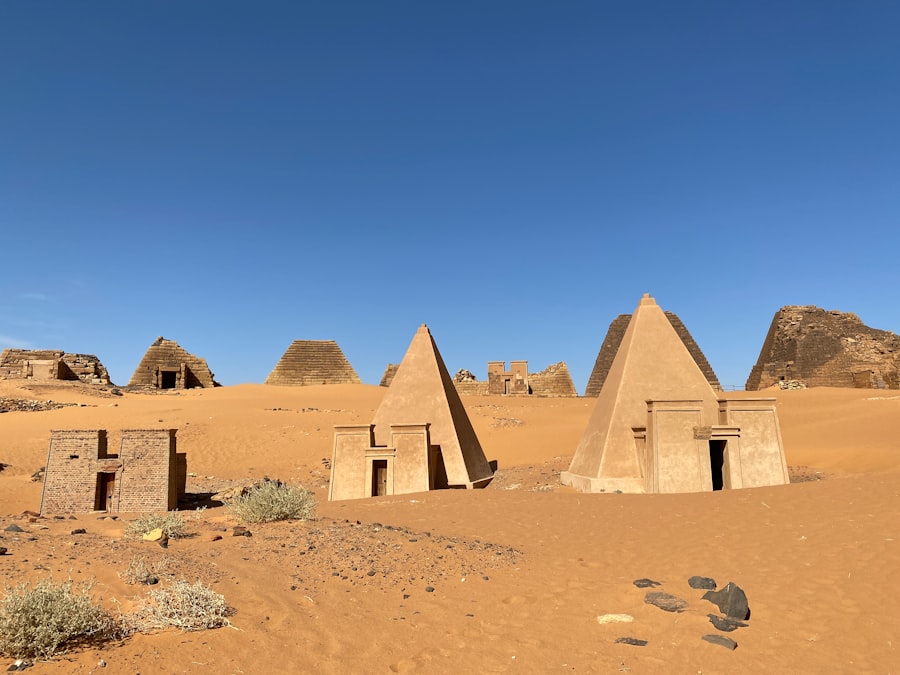
The Meroitic period (c. 300 BCE – 350 CE) saw the capital shift further south to Meroë, a city renowned for its iron smelting. This period is characterized by the development of a unique Meroitic script and a distinct artistic style that blended Egyptian influences with indigenous Nubian traditions.
The Meroitic Script and Language
The decipherment of the Meroitic script, though still ongoing, has opened a window into the language and administrative practices of this period. The development of their own written language signifies a strong sense of cultural identity and intellectual independence.
Iron Production and Economic Prosperity
Meroë became a major center for iron production, a vital commodity in the ancient world. The abundance of iron ore in the region, combined with sophisticated smelting techniques, made Meroë a significant economic force and a key player in regional trade.
The Lion God Apedemak and Meroitic Religion
The Meroitic pantheon of gods included indigenous deities alongside those adopted from Egypt. The prominent worship of the lion god Apedemak, often depicted with three heads, highlights the unique religious beliefs and artistic expressions of the Meroitic people.
Beyond the Nile: Desert Cultures and Nomadic Life

While the Nile valley was the heartland of major civilizations, the vast deserts of Sudan also held human stories. Ancient nomadic groups traversed these arid expanses, adapting to challenging conditions and leaving behind their own distinctive traces of presence. Exploring these desert landscapes reveals a different facet of ancient human ingenuity and resilience.
Early Nomadic Migrations and Adaptations
Evidence of early human presence in the desert regions suggests a history of migration and adaptation. These nomadic groups likely followed seasonal water sources and animal herds, developing intricate knowledge of their environment.
Rock Art and Petroglpyhs: Echoes in Stone
The remote desert outcrops of Sudan are adorned with ancient rock art and petroglyphs. These carvings and paintings offer glimpses into the lives, beliefs, and daily activities of early desert dwellers, depicting animals, humans, and abstract symbols.
Depictions of Wildlife and Hunting
Many petroglyphs showcase the rich wildlife that once inhabited these now arid regions, including giraffes, antelopes, and cattle. Hunting scenes are also prevalent, illustrating the resourcefulness of these ancient peoples in securing sustenance.
Symbolic Representations and Rituals
Beyond literal depictions, some rock art appears to carry symbolic or ritualistic meaning, hinting at the spiritual lives and cosmological understandings of these early populations. Their interpretation remains a fascinating area of ongoing research.
The Impact of Climate Change on Desert Habitation
The gradual desertification of Sudan undoubtedly played a significant role in shaping human settlements and lifestyles. Understanding how ancient populations adapted to or were displaced by these climatic shifts is crucial to appreciating the long-term human history of the region.
Shifts in Water Availability and Pastureland
Changes in rainfall patterns would have directly impacted the availability of water and the viability of pastureland, forcing nomadic groups to constantly adjust their movements and strategies for survival.
The Rise and Fall of Desert Settlements
In periods of more favorable climate, some desert areas may have supported more permanent or semi-permanent settlements. Evidence of ancient wells, reservoirs, and abandoned villages in these regions speaks to past cycles of habitation and abandonment.
Archaeological Challenges and Future Prospects
The exploration of Sudan’s ancient human landscape is a continuous and often challenging endeavor. The region faces numerous obstacles, from environmental factors to logistical and financial constraints, yet the potential for groundbreaking discoveries remains immense.
Preservation and Protection of Heritage Sites
Many of Sudan’s invaluable archaeological sites are vulnerable to environmental degradation, looting, and neglect. Ensuring their preservation is a paramount concern for safeguarding this irreplaceable human heritage.
The Threat of Climate Change and Erosion
Rising temperatures, changing rainfall patterns, and increased wind erosion pose significant threats to the structural integrity of ancient monuments and the preservation of delicate artifacts.
Combating Looting and Illicit Trafficking
The illegal excavation and trafficking of antiquities represent a persistent problem, depriving Sudan of its cultural patrimony and hindering legitimate scientific research.
The Role of Technology in Modern Archaeology
Advancements in archaeological technology are revolutionizing the way ancient landscapes are explored and understood in Sudan, offering new possibilities for discovery and analysis.
Remote Sensing and Geophysical Surveys
Techniques such as satellite imagery, LiDAR, and ground-penetrating radar allow archaeologists to survey vast areas without extensive excavation, identifying potential sites and buried structures.
Digital Documentation and 3D Modeling
The use of drones, photogrammetry, and 3D scanning enables detailed digital documentation of sites and artifacts, creating invaluable records for research and preservation.
International Collaboration and Capacity Building
Future exploration and preservation efforts in Sudan will likely rely on strong international collaboration and the development of local archaeological expertise.
Joint Excavation Projects and Knowledge Exchange
Collaborative projects between Sudanese and international archaeologists facilitate the sharing of resources, expertise, and methodologies, leading to more robust research outcomes.
Training Local Archaeologists and Heritage Professionals
Investing in the training of Sudanese archaeologists and heritage professionals is crucial for ensuring the long-term stewardship and management of the country’s rich archaeological resources.
Recent discoveries in Sudan have shed light on the ancient human landscape of the region, revealing the existence of sophisticated societies that thrived long before recorded history. These findings suggest that the area was once home to advanced civilizations that engaged in complex agricultural practices and trade networks. For those interested in exploring this topic further, a related article discusses the uncovering of evidence of a lost advanced civilization, which provides fascinating insights into the lives of these early inhabitants. You can read more about it in the article here.
The Enduring Significance of Sudan’s Ancient Past
| Site Name | Location | Period | Features |
|---|---|---|---|
| El Kurru | Northern Sudan | 8th century BC | Pyramids, tombs, and temples |
| Meroe | Eastern Sudan | 3rd century BC – 3rd century AD | Pyramids, royal baths, and temples |
| Naqa | Eastern Sudan | 4th century BC – 1st century AD | Temples, lion temple, and amun temple |
The ancient human landscape of Sudan is not merely a collection of dusty ruins and buried artifacts; it is a living testament to the enduring spirit of human innovation, adaptation, and cultural development. From the earliest whispers of settled life along the Nile to the grand pronouncements of Nubian empires, Sudan’s history offers profound insights into the human journey. Understanding these ancient landscapes is vital for appreciating the interconnectedness of human civilizations, the resilience of our ancestors in the face of environmental challenges, and the complex tapestry of cultural exchange that has shaped our world. As research continues and new technologies unlock further secrets, the story of ancient Sudan promises to continue unfolding, enriching our collective understanding of who we are and where we came from. The echoes of these ancient peoples, etched in stone, preserved in pottery, and carried on the winds of the desert, continue to resonate, inviting us to explore and learn from their remarkable legacies.

260 Ancient Graves Were Hiding in This “Empty” Desert
FAQs
What is the ancient human landscape in Sudan?
The ancient human landscape in Sudan refers to the archaeological sites and artifacts that provide evidence of human habitation and activity in Sudan dating back thousands of years.
What are some notable features of the ancient human landscape in Sudan?
Some notable features of the ancient human landscape in Sudan include the remains of ancient settlements, burial sites, rock art, and evidence of early agricultural practices.
What time period does the ancient human landscape in Sudan cover?
The ancient human landscape in Sudan covers a wide time period, including the Paleolithic, Neolithic, and later periods of human history.
What can the study of the ancient human landscape in Sudan tell us about early human history?
Studying the ancient human landscape in Sudan can provide insights into early human migration patterns, cultural practices, technological advancements, and the development of complex societies in the region.
Why is the ancient human landscape in Sudan important?
The ancient human landscape in Sudan is important because it contributes to our understanding of human history and the development of civilizations, as well as shedding light on the diversity of human cultures and their interactions with the environment.