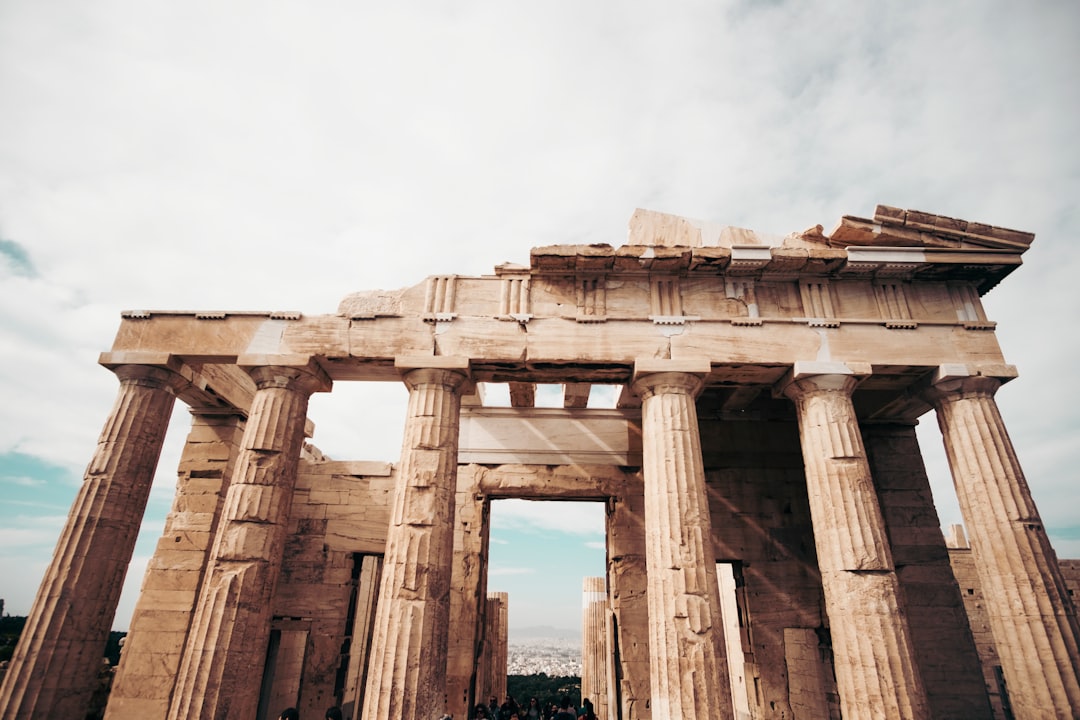
The Nile-Red Sea region, a land steeped in millennia of history and cradled by two of the world’s most iconic geographical features, beckons explorers to a journey through time. This vast and varied landscape, where the life-giving artery of the Nile meets the vibrant, ancient waters of the Red Sea, is a treasure trove of archaeological wonders and natural beauty. From the colossal pyramids that pierce the desert sky to the sun-drenched temples that whisper tales of pharaohs and gods, the region offers an unparalleled opportunity to delve into the heart of ancient civilizations and their enduring legacies. This exploration will uncover the magnificent monuments, the ingenious feats of engineering, and the profound cultural narratives that continue to resonate from this extraordinary corner of the globe.
The Nile River, the very lifeblood of ancient Egypt, has for millennia served as the conduit for a civilization that reached astounding heights. Along its fertile banks and extending into the surrounding desert, lie monumental testaments to the power, artistry, and religious devotion of its rulers. These structures, crafted from stone and imbued with the spirit of the divine, offer a profound connection to a world that shaped much of Western civilization.
Karnak: The Great Temple Complex of Amun-Ra
Karnak, near modern-day Luxor, stands as the largest religious complex ever built. It is not a single temple but a sprawling city of sanctuaries, pylons, obelisks, and chapels, constructed and expanded over two millennia by successive pharaohs.
The Hypostyle Hall: A Forest of Giant Columns
The sheer scale of the Hypostyle Hall is breathtaking. Its 134 colossal columns, arranged in 16 rows, are carved with intricate hieroglyphs and relief carvings depicting religious scenes, royal victories, and daily life. Standing amidst these stone giants, one can only marvel at the human endeavor required for their construction and decoration. The central nave, with its taller columns, once supported a roof that would have created a dramatic interplay of light and shadow, emphasizing the sacredness of the space.
The Sacred Lake: A Reflecting Pool of Devotion
Adjacent to the main temple complex lies the Sacred Lake, a large rectangular reservoir that played a significant role in the rituals performed at Karnak. It was used for purification ceremonies, symbolic journeys of the gods, and as a place for priests to perform their ablutions. The lake’s placid waters often reflect the surrounding ruins, adding another layer of visual splendor and a sense of enduring tranquility.
The Obelisks of Hatshepsut and Thutmose I: Reaching for the Heavens
Towering over the complex are the magnificent obelisks, erected to honor the sun god Ra. The twin obelisks of Queen Hatshepsut, though one is now broken, are particularly remarkable for their sheer height and the exquisite craftsmanship of their inscriptions. These monolithic structures, quarried and transported from distant sites, represent an incredible feat of engineering and symbolize the pharaoh’s connection to the divine and their aspiration for eternal glory.
Luxor Temple: The Festival of Opet’s Heart
Located in the heart of modern Luxor, Luxor Temple is a stunning example of royal and religious architecture, particularly renowned for its association with the annual Opet Festival. This festival, one of the most important in the ancient Egyptian calendar, celebrated the divine union of Amun-Ra, his consort Mut, and their son Khonsu.
The Avenue of Sphinxes: A Processional Pathway
Once, the Avenue of Sphinxes connected Luxor Temple to Karnak Temple, forming a grand processional route for the divine statues during the Opet Festival. While much of this avenue is now lost to urban development, remnants of the sphinxes still line sections, hinting at the grandeur of this ancient ceremonial path.
The Court of Ramesses II: A Monument to Royal Power
The open court of Ramesses II is dominated by his colossal statues and a towering pylon, illustrating his immense power and his role in shaping the temple. The pylon itself is adorned with detailed reliefs depicting Ramesses’ military triumph at the Battle of Kadesh, a testament to his prowess as a warrior king.
The Mosque of Abu al-Haggag: A Living Legacy
Interestingly, within the precincts of Luxor Temple stands the Mosque of Abu al-Haggag, a testament to the site’s continuous use and adaptation throughout history. This integration of a later religious structure within ancient ruins highlights the enduring spiritual significance of the location.
The Necropolis of Thebes: Valley of the Kings and Queens
Across the Nile from Luxor lies the Theban Necropolis, a vast burial ground for the pharaohs and nobles of the New Kingdom. The Valley of the Kings, in particular, is a world-renowned archaeological site, home to the rock-cut tombs of Egypt’s most famous rulers.
Tutankhamun’s Tomb: A Glimpse into Royal Burial
The discovery of Tutankhamun’s tomb in 1922, remarkably intact, provided an unprecedented window into the wealth and artistry of ancient Egyptian burial practices. The treasures found within, from golden sarcophagi to intricate jewelry, continue to captivate the world.
The Tombs of Ramesses VI and Seti I: Masterpieces of Funerary Art
Beyond Tutankhamun, the Valley of the Kings contains the elaborate tombs of other powerful pharaohs, such as Ramesses VI and Seti I. These tombs are adorned with vibrant paintings and intricate hieroglyphs depicting religious texts, the pharaoh’s journey through the afterlife, and scenes of offering to the gods, all intended to guide and protect the deceased ruler.
Ancient monuments between the Nile and the Red Sea have long captivated historians and archaeologists alike, offering a glimpse into the rich cultural heritage of the region. These sites, which include remarkable structures such as the temples of Karnak and the ancient city of Petra, serve as a testament to the advanced civilizations that once thrived in this area. For those interested in exploring the impact of historical sites on modern economies, a related article can be found at this link, which discusses how historical contexts can influence contemporary manufacturing trends.
The Dawn of Civilization: Monuments of Early Egypt
While the New Kingdom’s grandeur often dominates popular imagination, the foundations of Egyptian civilization were laid much earlier. The Nile-Red Sea region also holds secrets to these formative periods, where early kings and architects began to harness the power of stone and design.
Saqqara: The Evolutionary Stairway to Eternity
Saqqara, a vast ancient burial ground, is home to the Step Pyramid of Djoser, the earliest colossal stone building in Egypt and a pivotal monument in architectural history.
The Step Pyramid of Djoser: A Revolution in Architecture
Designed by the brilliant architect Imhotep, the Step Pyramid is essentially a series of mastabas (flat-topped rectangular tombs) stacked upon one another, creating a monumental staircase reaching towards the heavens. This innovative design marked a profound shift from mud-brick structures to stone, setting the stage for the iconic pyramids of Giza.
The Pyramid Texts: Early Religious Inscriptions
Within the pyramid of Unas at Saqqara are the earliest known religious inscriptions, known as the Pyramid Texts. These hieroglyphic spells and incantations were intended to guide the deceased pharaoh through the afterlife and ensure their resurrection, offering invaluable insights into early Egyptian religious beliefs.
Abydos: The Sacred City of Osiris
Abydos holds immense spiritual significance as the cult center of Osiris, the god of the afterlife, and as a burial place for early dynastic rulers.
The Temple of Seti I: A Chronicle in Stone
The temple of Seti I at Abydos is renowned for its beautifully preserved reliefs, which are considered among the finest examples of New Kingdom art. These detailed carvings depict the king performing rituals, interacting with the gods, and participating in processions, offering a vivid narrative of religious life.
The Osireion: A Symbolic Tomb of the God
The mysterious Osireion, a sub-temple within the Abydos complex, is believed to be a symbolic tomb of Osiris. Its massive stone sarcophagus and monumental stonework contribute to its enigmatic aura and its deep connection to the god of the underworld.
Gateway to the Divine: Temples of the Red Sea Coast

The Red Sea coast, while perhaps less associated with monumental stone structures than the Nile Valley, possesses its own unique set of ancient sites, often reflecting the region’s role as a hub for trade, mining, and maritime activity.
Wadi Hammamat: The Quarries of the Ancients
Wadi Hammamat, a dry riverbed in the Eastern Desert, was a vital route for accessing valuable stone quarries, particularly for schist used in statues and sarcophagi.
Rock Inscriptions and Graffiti: Echoes of Expeditions
The walls of Wadi Hammamat are adorned with countless rock inscriptions and graffiti left by ancient expeditions, including those of the New Kingdom pharaohs. These markings record the names of pharaohs, dates, prayers, and even artistic depictions, providing a tangible connection to the countless individuals who traversed this desert landscape for millennia.
The Shrine of Min: A Testament to Ancient Mining
Evidence of ancient mining activities, including tools and remnants of settlements, can be found throughout Wadi Hammamat, underscoring its importance as a source of raw materials for the construction of monuments and the creation of religious artifacts. The presence of shrines, such as that dedicated to the god Min, highlights the spiritual beliefs of those who worked and traveled through this challenging environment.
Qasr Ibrim: A Fortress of Faith and Resilience
Located on a rocky outcrop overlooking the Nile, Qasr Ibrim served as a formidable fortress and a significant religious center throughout various historical periods.
The Temple of Mandulis: Nubian Deities in Egyptian Lands
While its history spans Egyptian, Roman, and Islamic periods, Qasr Ibrim also preserves remnants of Nubian religious practices, including the temple dedicated to the Nubian deity Mandulis. This highlights the cultural exchange and religious syncretism that characterized the region.
The Churches and Mosque: A Continuum of Worship
The site also contains well-preserved examples of early Christian churches and an Islamic mosque, demonstrating the continuous religious significance of Qasr Ibrim across different eras, making it a unique cultural palimpsest.
Engineering Marvels: The Ingenuity of Ancient Builders
The construction of the monumental structures throughout the Nile-Red Sea region is a testament to the remarkable engineering prowess and organizational skills of ancient peoples. Their ability to quarry, transport, and erect massive stone blocks, often with limited technology, remains awe-inspiring.
The Precision of Stone Cutting and Transport
The sheer accuracy with which massive stone blocks were quarried, shaped, and fitted together, often with minimal mortar, speaks volumes about their understanding of geometry, leverage, and material science. The transportation of these colossal stones over long distances, whether by river or over land, required sophisticated logistics and labor management.
The Use of Ramps and Levers: Theories of Construction
While the exact methods remain a subject of debate, theories involving the use of earthen ramps, sledges, and sophisticated lever systems are widely accepted as plausible explanations for how these monumental structures were erected. The scale of the labor force required and the precise coordination of their efforts are extraordinary.
The Accuracy of Alignment and Astronomy
Many ancient Egyptian structures, particularly temples and pyramids, are precisely aligned with celestial bodies, such as the cardinal directions or specific stars. This indicates a deep understanding of astronomy and a deliberate integration of cosmological beliefs into their architectural designs, demonstrating a profound connection between the earthly and the celestial.
The ancient monuments located between the Nile and the Red Sea offer a fascinating glimpse into the rich history and culture of early civilizations. These sites, which include remarkable temples and pyramids, reflect the architectural ingenuity and spiritual beliefs of their time. For those interested in exploring the broader implications of historical sites on modern society, a related article discusses the importance of economic stabilization measures in fostering recovery and growth. You can read more about this topic in the article found here.
Enduring Legacies: The Cultural and Spiritual Resonance
| Monument | Location | Age | Description |
|---|---|---|---|
| Pyramids of Giza | Giza, Egypt | 4th Dynasty (c. 2580–2560 BC) | Three ancient pyramids built as tombs for pharaohs. |
| Karnak Temple Complex | Luxor, Egypt | Various periods, mainly New Kingdom (c. 1550–1070 BC) | One of the largest temple complexes in the world, dedicated to the god Amun. |
| Valley of the Kings | West Bank of the Nile, Egypt | New Kingdom (c. 16th–11th century BC) | Burial site for many pharaohs and nobles of the New Kingdom. |
| Temple of Luxor | Luxor, Egypt | New Kingdom (c. 1400 BC) | Large ancient Egyptian temple complex dedicated to the god Amun. |
| Abu Simbel temples | Nubia, Egypt | New Kingdom (c. 13th century BC) | Two massive rock temples built by Ramesses II. |
The monuments of the Nile-Red Sea region are more than just ancient stones; they are vibrant repositories of culture, religion, and human aspiration. Their enduring presence continues to inspire awe, fuel scholarly inquiry, and offer profound insights into the human condition.
The Language of Symbols: Hieroglyphs and Art
The intricate hieroglyphic inscriptions and the vivid relief carvings found throughout these sites are not merely decorative; they are a sophisticated language that narrates history, mythology, religious beliefs, and the daily lives of ancient peoples. Deciphering these symbols unlocks a deeper understanding of their worldview.
The Pantheon of Gods and Goddesses: Belief Systems Unveiled
The temples and tombs are filled with depictions of a rich and complex pantheon of gods and goddesses, each with their specific roles and attributes. These representations offer a window into the spiritual landscape of ancient Egypt and the ways in which they sought to appease the divine and ensure cosmic order.
The Concept of the Afterlife: Journey to Eternity
A recurring theme in the art and architecture of the region is the profound belief in an afterlife. The elaborate tomb preparations, the funerary texts, and the imagery associated with the underworld all point to a civilization deeply preoccupied with ensuring a successful transition to the next world and achieving eternal life.
The Nile as a Lifeline: A Symbol of Creation and Renewal
The Nile River is central to the narrative of this region. Its annual inundation brought fertility to the land, enabling civilization to flourish. The river was revered as a divine entity, a source of life, and a symbol of creation, renewal, and the cyclical nature of existence. Its importance is reflected in the placement and orientation of many ancient structures.
The Red Sea’s Maritime Heritage: Trade and Cultural Exchange
The Red Sea, with its ancient ports and trade routes, played a crucial role in connecting Egypt to other civilizations. This maritime heritage fostered cultural exchange, the diffusion of ideas, and the movement of goods, shaping the economic and social fabric of the region. The presence of ancient harbors and shipwrecks continues to reveal the extent of this ancient seafaring prowess.
The exploration of the ancient monuments of the Nile-Red Sea region is an ongoing journey. Each temple, tomb, and inscription offers a new perspective, a fresh revelation, and a deeper appreciation for the remarkable achievements of those who came before. These enduring testaments to human ingenuity, faith, and artistic expression continue to draw visitors and scholars from around the world, ensuring that the stories etched in stone will be told for generations to come.

260 Ancient Graves Were Hiding in This “Empty” Desert
FAQs
1. What are the ancient monuments located between the Nile and Red Sea?
The ancient monuments located between the Nile and Red Sea include historical sites such as the temples of Luxor and Karnak, the Valley of the Kings, the Temple of Hatshepsut, and the ancient city of Thebes.
2. How old are these ancient monuments?
These ancient monuments date back to various periods of ancient Egyptian history, with some structures dating as far back as 3,400 years ago.
3. What significance do these ancient monuments hold?
These ancient monuments hold great historical and cultural significance, as they provide insight into the religious beliefs, architectural achievements, and daily life of ancient Egyptians.
4. Are these ancient monuments open to the public?
Yes, many of these ancient monuments are open to the public for visitation and exploration, allowing visitors to experience the rich history and grandeur of ancient Egypt.
5. How are these ancient monuments preserved and protected?
Efforts to preserve and protect these ancient monuments are ongoing, with measures such as restoration projects, conservation efforts, and strict regulations in place to ensure their longevity and safeguard them from damage or deterioration.