Exploring Ancient Monuments: Uncovering History’s Treasures
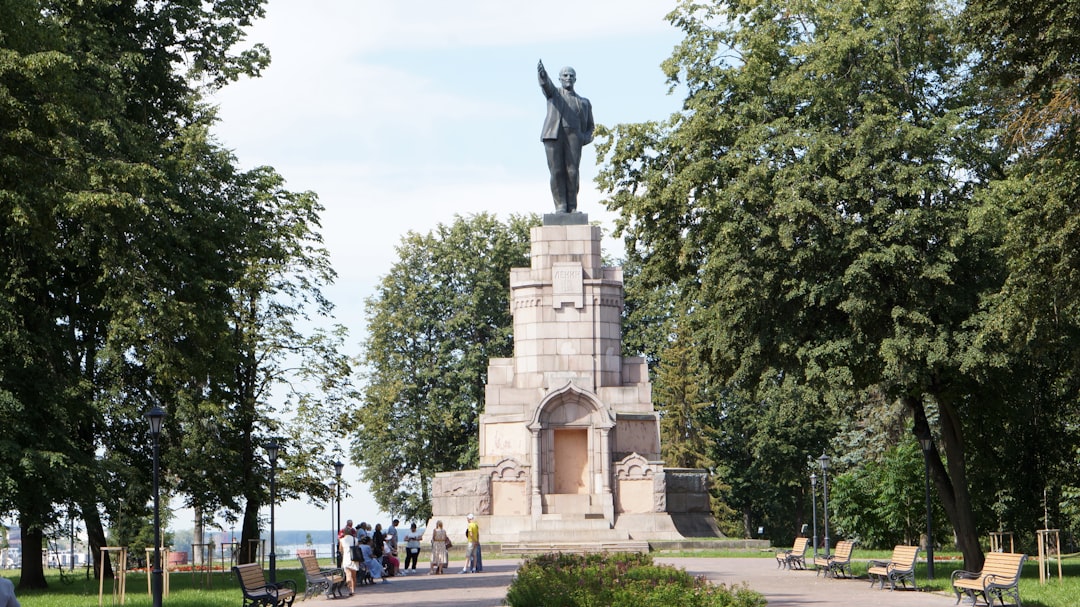
Ancient monuments stand as silent sentinels, the enduring testaments to civilizations long past. They are not merely piles of stone or remnants of brick; they are intricate tapestries woven with the threads of human ingenuity, belief systems, and the ebb and flow of empires. To explore these colossal legacies is to embark on a journey through time, a descent into the very bedrock of human experience. Each weathered inscription, each colossal edifice, whispers stories of forgotten peoples, their triumphs and their struggles, their art and their innovations. These structures, once vibrant hubs of activity, now invite contemplation, offering a tangible link to the aspirations and realities of our ancestors. They are the artifacts of memory, preserved against the relentless erosion of centuries, waiting to share their profound narratives with those willing to listen.
The allure of ancient monuments is a phenomenon deeply embedded in the human psyche. These structures possess an almost magnetic pull, drawing us across continents and through epochs. Their sheer scale often dwarfs contemporary achievements, prompting questions about the capabilities of societies that predated our advanced technologies. Beyond their physical presence, these monuments serve as focal points for collective memory and cultural identity, acting as anchors to our shared past. They offer a stark contrast to the transience of modern life, presenting enduring symbols of permanence and legacy.
Whispers from the Dawn of Civilization
The earliest monumental constructions predate written records in many regions, offering glimpses into the nascent stages of societal organization and abstract thought. The construction of megalithic structures, for instance, required significant coordination and a deep understanding of astronomical cycles or communal spiritual practices. The sheer effort involved in moving and positioning massive stones suggests a powerful unifying force, whether religious, social, or political. These early monuments are not just buildings; they are the first pronouncements of human ambition on a grand scale, echoes from a time when humanity was just beginning to shape its world in a lasting way.
The Mirror to Our Ancestors’ Souls
Ancient monuments often reveal the philosophical and spiritual underpinnings of the societies that created them. Temples, pyramids, and observatories were not simply functional structures but were imbued with profound symbolic meaning, reflecting cosmological beliefs and the relationship between humanity and the divine. The architectural designs, the orientation of buildings, and the iconography found within them are all keys to unlocking the worldview of these ancient peoples. Understanding these structures allows us to peer into the minds of our ancestors, to comprehend what they deemed important, what they feared, and what they worshipped.
A Chronicle of Human Ingenuity and Innovation
The construction of ancient monuments is a testament to the remarkable ingenuity and resourcefulness of our predecessors. Without modern machinery, these societies engineered solutions for complex logistical challenges, from quarrying and transporting massive stones to building intricate architectural forms. The precision of stonework, the sophisticated understanding of engineering principles, and the innovative use of materials all point to a high level of technical expertise. Exploring these monuments is like dissecting a complex machine, uncovering the ingenious mechanisms that allowed for their creation.
Ancient monuments serve as a testament to the ingenuity and creativity of past civilizations, offering insights into their cultural and historical contexts. For those interested in exploring this fascinating topic further, a related article can be found at this link, which delves into the significance and preservation of ancient structures around the world.
Decoding the Silence: The Pillars of Monumental Significance
To engage with ancient monuments is to participate in a continuous dialogue with history. Their silence is not an absence of information but rather a pregnant pause, an invitation to decipher the clues they hold. Each monument, from the smallest inscribed tablet to the most colossal pyramid, is a node in a vast network of historical data, waiting to be connected and understood. This act of deciphering is not merely academic; it is a fundamental way of understanding our place in the grand narrative of human existence.
The Language of Stone: Inscriptions and Symbols
Many ancient monuments are adorned with inscriptions, hieroglyphs, cuneiform, or other forms of written or symbolic language. These markings are invaluable primary sources, providing direct insights into the history, administration, religious beliefs, and daily lives of the people who created them. Deciphering these texts allows us to put names to faces, to understand the motivations behind monumental construction, and to reconstruct political events. These inscriptions are the inked pages of a book written in stone, each glyphe a word waiting to be read.
Unveiling Royal Decrees and Historical Accounts
Inscriptions often served as official records, documenting royal achievements, religious rituals, and legal pronouncements. For example, the Rosetta Stone, a seemingly simple decree, unlocked the secrets of Egyptian hieroglyphs, opening a floodgate of historical knowledge. Similarly, cuneiform tablets from Mesopotamia have provided extensive records of trade, law, and literature. These historical accounts offer a window into the governance and social structures of ancient societies, allowing us to reconstruct timelines and understand the rise and fall of empires.
The Sacred Narratives: Religious and Mythological Texts
Beyond administrative records, many inscriptions served to transmit religious doctrines, myths, and cosmological beliefs. The stories etched onto temple walls or sarcophagi were not mere decorations but were integral to the spiritual lives of these societies. They reveal the pantheons of gods, the creation myths, and the moral codes that guided ancient civilizations. Understanding these sacred narratives is crucial to grasping the motivations behind the construction of many religious monuments.
The Architecture as Autobiography: Forms and Functions
The very form and layout of ancient monuments speak volumes about their creators. The orientation of a temple towards a celestial event, the defensive features of a city wall, or the elaborate tomb structures all offer clues about their purpose and the societal values they embodied. Architectural styles evolved over time and across regions, reflecting technological advancements, cultural influences, and the specific needs of the communities that built them. The blueprints of these ancient structures are like self-portraits, revealing their creators’ priorities and priorities.
From Humble Shrines to Grand Temples
The evolution of religious architecture is a particularly revealing aspect of ancient history. Early shrines, often simple open-air altars, gradually developed into increasingly elaborate and monumental temple complexes. This progression reflects a growing complexity in religious organization, a greater accumulation of wealth and resources, and a desire for more permanent and imposing structures to house the divine. The towering columns and vast halls of these temples were designed to inspire awe and reverence.
The Utilitarian Majesty: Fortifications and Civic Buildings
Not all ancient monuments were built for religious purposes. The construction of formidable fortifications, aqueducts, and public assembly spaces highlights the practical concerns of ancient societies, such as defense, infrastructure, and civic life. The engineering prowess displayed in these structures, designed for utilitarian purposes, often rivals that of their religious counterparts. These are the bones and muscles of ancient cities, providing structure and support for their inhabitants.
Global Treasures: A Journey Through Iconic Ancient Sites

The world is dotted with an astonishing array of ancient monuments, each a unique chapter in humanity’s story. From the soaring pyramids of Egypt to the sprawling cities of the Maya, these sites offer a global perspective on human endeavor and cultural diversity. Embarking on a journey to these sites is more than just tourism; it is an immersion into the very fabric of human history.
The Pyramids of Giza: Monuments to Eternity
The Pyramids of Giza in Egypt are perhaps the most iconic ancient monuments in the world. These colossal structures, erected as tombs for pharaohs, represent an extraordinary feat of engineering and organization. Their precise alignment with celestial bodies and the sheer precision of their construction continue to inspire awe and debate among scholars and the public alike. They are stone mountains, sculpted by human hands to touch the sky.
The Great Pyramid: A Marvel of Ancient Engineering
The Great Pyramid of Giza, built for Pharaoh Khufu, is the largest of the Giza pyramids and the last remaining wonder of the ancient world. Its construction involved the quarrying, transportation, and meticulous placement of millions of massive stone blocks, some weighing many tons. The accuracy of its design and construction, without the benefit of modern surveying tools, remains a subject of intense study and admiration.
The Sphinx: Guardian of Secrets
The Great Sphinx of Giza, a mythical creature with the body of a lion and the head of a human, stands as a silent guardian of the Giza plateau. Its purpose and the identity of the pharaoh it represents remain subjects of speculation, adding to its mystique. erosion has weathered its features, yet its imposing presence continues to command respect.
Machu Picchu: The Lost City of the Incas
Perched high in the Andes Mountains of Peru, Machu Picchu is a breathtaking testament to the architectural and engineering skills of the Inca civilization. This well-preserved Inca citadel, with its intricate stonework and terraces, offers a glimpse into a sophisticated society that thrived in a challenging environment. It is a city woven into the very contours of the mountainside, a masterpiece of harmonious integration.
The Citadel’s Strategic Location and Design
The deliberate placement of Machu Picchu, nestled between two peaks and overlooking the Urubamba River valley, suggests a strategic and perhaps spiritual significance. The site’s complex system of agricultural terraces, water channels, and buildings demonstrates a deep understanding of engineering and environmental adaptation. Its construction required immense labor and planning.
The Mysteries of its Purpose and Abandonment
The exact purpose of Machu Picchu remains a subject of scholarly debate, with theories ranging from a royal estate to a sacred religious site. Its sudden abandonment, just a century after its construction, adds another layer of mystery to this remarkable ancient city, leaving us to ponder the forces that shaped its destiny.
The Colosseum: Arena of Spectacle and Brutality
In the heart of Rome stands the Colosseum, an immense amphitheater that once hosted gladiatorial contests and public spectacles. This iconic symbol of Imperial Rome is a monument to both the architectural prowess of the Romans and the often brutal nature of their entertainment. It is a cauldron of history, where echoes of cheers and roars still seem to linger.
Roman Engineering and Architectural Innovation
The construction of the Colosseum, a massive concrete and stone structure, showcased the advanced engineering capabilities of the Roman Empire. Its ingenious design, including a complex system of vaults, arches, and seating arrangements, allowed it to accommodate tens of thousands of spectators.
The Legacy of Gladiator Games and Public Displays
The Colosseum was the stage for a wide array of public events, most famously the gladiator contests, which captivated and sometimes horrified Roman society. These spectacles, while a part of Roman culture, also highlight the stark differences in values and social norms compared to contemporary societies.
Preserving the Past: The Imperative of Conservation and Study
The ongoing exploration and preservation of ancient monuments are not merely academic pursuits; they are vital endeavors for safeguarding our collective heritage and understanding our human trajectory. These sites are fragile echoes of the past, susceptible to the ravages of time, climate change, and human activity, necessitating dedicated efforts for their protection.
The Challenge of Deterioration and Decay
Natural forces, such as weathering, erosion, and seismic activity, constantly challenge the structural integrity of ancient monuments. Furthermore, environmental factors like pollution and rising sea levels pose increasing threats to these irreplaceable sites. The slow, inexorable march of decay is a constant adversary that requires active intervention.
The Impact of Climate Change on Ancient Sites
Climate change presents a new and formidable threat to ancient monuments. Rising temperatures, altered precipitation patterns, and increased extreme weather events can accelerate deterioration processes, leading to irreversible damage. Coastal sites are particularly vulnerable to sea-level rise and increased storm surges.
The Persistent Threat of Human Neglect and Vandalism
Despite their historical significance, many ancient monuments suffer from a lack of adequate funding for preservation, neglect, and, in some cases, outright vandalism or illicit trafficking of artifacts. Human apathy and destructive behavior represent a more immediate and damaging threat than natural forces.
The Role of Archaeology and Modern Technology
Archaeology, the scientific study of human history and prehistory through the excavation and analysis of artifacts and other physical remains, is indispensable in understanding and preserving ancient monuments. In recent years, modern technology has revolutionized archaeological practices, providing tools for non-invasive surveying, detailed mapping, and sophisticated analysis.
Excavation Techniques: Piecing Together the Puzzle
Traditional archaeological excavation, carried out with meticulous care, continues to be a cornerstone of uncovering the layers of history embedded within and around ancient sites. Each carefully unearthed artifact offers a clue, a fragment of a larger narrative.
Digital Documentation and Reconstruction: Virtual Voyages Through Time
Cutting-edge technologies such as 3D scanning, photogrammetry, and virtual reality are enabling the creation of highly detailed digital models of ancient monuments. These digital twins not only serve as invaluable records for preservation but also allow for virtual exploration and educational experiences, enabling us to journey back in time without physically disturbing the sites.
International Efforts and Community Involvement
The preservation of ancient monuments is a global responsibility, requiring collaboration between nations, international organizations, and local communities. Collaborative efforts are essential to pool resources, share expertise, and implement effective conservation strategies.
UNESCO’s World Heritage: A Global Commitment to Preservation
The United Nations Educational, Scientific and Cultural Organization (UNESCO) plays a crucial role in identifying, protecting, and preserving World Heritage sites, many of which are ancient monuments. Their designation as World Heritage sites signifies their universal value and underscores the global commitment to their safeguarding.
Empowering Local Communities: Guardians of Their Heritage
Engaging and empowering local communities living near ancient monuments is paramount for sustainable preservation. These communities often possess invaluable traditional knowledge and a vested interest in protecting their heritage, transforming them into crucial stewards of these historic sites.
Ancient monuments have long fascinated historians and archaeologists, offering a glimpse into the cultures and civilizations that created them. For those interested in exploring this topic further, a related article discusses the significance of these structures and their impact on modern society. You can read more about it in this insightful piece on the importance of preserving our heritage by visiting this link. Understanding the stories behind these ancient sites can deepen our appreciation for human history and the artistry of our ancestors.
Learning from the Past: The Enduring Relevance of Ancient Monuments
| Monument | Location | Estimated Age (Years) | Height (meters) | Material | Purpose |
|---|---|---|---|---|---|
| Great Pyramid of Giza | Egypt | 4,500 | 146.6 | Limestone blocks | Tomb for Pharaoh Khufu |
| Stonehenge | England | 4,000 | 7.3 | Sarsen stones and bluestones | Astronomical observatory / Ritual site |
| Colosseum | Italy | 1,940 | 48 | Concrete and stone | Amphitheater for public spectacles |
| Machu Picchu | Peru | 600 | 2,430 (altitude) | Granite | Incan royal estate |
| Angkor Wat | Cambodia | 900 | 65 | Sandstone | Hindu/Buddhist temple complex |
The study and exploration of ancient monuments offer more than just historical facts; they provide invaluable lessons that resonate with contemporary challenges and aspirations. By examining the successes and failures of past civilizations, we can gain a deeper understanding of ourselves and chart a more informed course for the future.
Echoes of Societal Structures and Governance
Ancient monuments often reflect the governance systems, social hierarchies, and political ideologies of the societies that created them. Studying the organization of labor required to build these structures, the allocation of resources, and the purpose for which they were erected can offer insights into the dynamics of power and administration in different eras.
Lessons in Urban Planning and Infrastructure Development
The cities and infrastructure of ancient civilizations, from Roman aqueducts to Inca road systems, demonstrate remarkable foresight and an understanding of sustainable development principles that can still inform modern urban planning and infrastructure projects. They are blueprints for living in harmony with the environment.
The Rise and Fall of Empires: Cycles of History
The monumental remains of empires, both grand and faded, offer tangible evidence of the cycles of growth, prosperity, and eventual decline that have characterized human history. Understanding the factors that contributed to the success or failure of these empires can provide valuable perspectives on current geopolitical trends and societal stability.
Cultural Exchange and the Blending of Traditions
Many ancient monuments bear the imprint of cultural exchange and the fusion of different traditions, evident in architectural styles, artistic motifs, and religious syncretism. These sites showcase humanity’s capacity for adaptation and the creation of unique cultural expressions through interaction and influence.
The Diffusion of Ideas and Artistic Styles
The spread of architectural styles and artistic motifs across vast distances highlights the interconnectedness of ancient cultures and the cross-pollination of ideas. Even in antiquity, the world was a more interconnected place than we might initially assume.
The Evolving Nature of Belief Systems
The archaeological and epigraphic evidence from ancient monuments allows us to trace the evolution of religious beliefs, rituals, and philosophical thought. This provides a nuanced understanding of how human spirituality and worldview have transformed over millennia.
Inspiration for the Future: Innovation and Resilience
The enduring legacy of ancient monuments lies not only in their historical significance but also in their capacity to inspire future generations. The ingenuity, resilience, and artistic vision displayed in these structures serve as a powerful reminder of human potential and the capacity for creativity even in the face of adversity. They are not fossils of the past but living sources of inspiration for the future.
In conclusion, exploring ancient monuments is a journey without end, a continuous process of discovery and enlightenment. These silent sentinels of time are not merely relics to be admired; they are invaluable resources for understanding our past, informing our present, and shaping a more enlightened future. They are the echoes of humanity’s grandest aspirations, waiting to be heard.
FAQs
What are ancient monuments?
Ancient monuments are structures or sites that were built or created by past civilizations and have historical, cultural, or archaeological significance. They often include temples, pyramids, tombs, statues, and ruins.
Why are ancient monuments important?
Ancient monuments provide valuable insights into the history, culture, art, and technology of ancient societies. They help researchers understand human development and preserve cultural heritage for future generations.
How are ancient monuments preserved?
Preservation of ancient monuments involves conservation techniques such as structural stabilization, controlled access, environmental protection, and restoration efforts. Governments and organizations often work together to maintain and protect these sites.
Can anyone visit ancient monuments?
Many ancient monuments are open to the public as tourist attractions, but access may be restricted or regulated to protect the site. Some monuments require permits or guided tours to ensure their preservation.
What are some famous examples of ancient monuments?
Famous ancient monuments include the Pyramids of Giza in Egypt, Stonehenge in England, the Parthenon in Greece, Machu Picchu in Peru, and the Great Wall of China. Each represents the unique culture and achievements of its civilization.