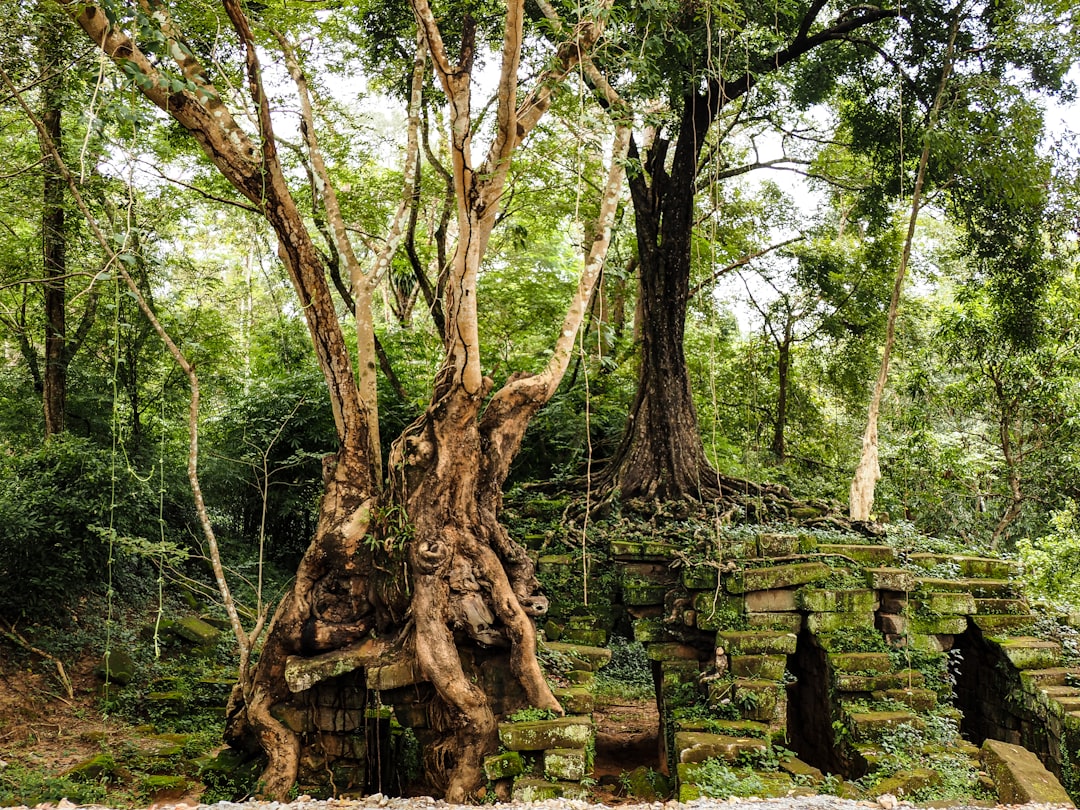
The echoes of forgotten empires whisper across the North American continent, remnants of civilizations that rose, flourished, and eventually faded into the mists of time. These ancient peoples, far from being primitive, possessed sophisticated societies, intricate belief systems, and remarkable achievements in art, architecture, and engineering. To explore these ancient North American civilizations is to embark on a journey through a rich and complex past, challenging preconceived notions and revealing a tapestry of human ingenuity that predates European arrival by millennia. This exploration delves into the diverse cultures that shaped the continent, from the monumental builders of the Mississippi Valley to the desert dwellers of the Southwest, each leaving an indelible mark on the land and its legacy.
Often referred to as the “Mother Culture” of Mesoamerica, the Olmec civilization, which flourished between 1500 and 400 BCE along the Gulf Coast of Mexico, laid the groundwork for many subsequent Mesoamerican cultures. Their influence extended far beyond their geographical reach, shaping religious practices, artistic styles, and calendrical systems that would be adopted and adapted by later civilizations like the Maya and the Aztec.
Colossal Heads: Monuments to Power and Identity
Perhaps the most striking and enduring legacy of the Olmec are their colossal stone heads. These massive basalt sculptures, some weighing over 20 tons and standing up to 9 feet tall, depict distinct, bearded individuals with broad noses and stern expressions. Carved from boulders transported from distant quarries, their creation and transportation represent an extraordinary feat of engineering and labor. While their exact purpose remains a subject of debate, most scholars believe they represent powerful Olmec rulers, their likenesses intended to inspire awe and assert authority. The sheer scale and artistry of these heads speak to a highly organized society capable of mobilizing significant resources and possessing advanced stoneworking techniques. The deliberate placement of these heads at major Olmec centers like San Lorenzo, La Venta, and Tres Zapotes suggests their importance in ceremonial and political life. The individual features on each head are unique, hinting at a complex social hierarchy and a recognition of individual leadership. The absence of written records directly from the Olmec means that the interpretation of these monumental sculptures relies heavily on archaeological evidence and comparative studies with later Mesoamerican cultures.
Early Mesoamerican Urbanism and Trade Networks
The Olmec established some of the earliest urban centers in Mesoamerica, characterized by ceremonial precincts, plazas, and residential areas. La Venta, in particular, emerged as a major ceremonial site, featuring a massive earthen pyramid, intricate mosaic pavements, and numerous jade and basalt artifacts. The presence of materials like jade, obsidian, and basalt, which were not indigenous to the Olmec heartland, indicates extensive trade networks that stretched across Mesoamerica. These networks facilitated the exchange of not only raw materials but also ideas, technologies, and cultural practices. The Olmec likely acted as intermediaries, connecting distant communities and fostering a shared cultural landscape. The development of these early urban centers also implies a degree of social stratification and specialized labor, with individuals dedicated to craftsmanship, agriculture, and religious leadership. The complex organization required to sustain these settlements and manage trade routes points to a sophisticated understanding of resource management and social coordination.
Religious Beliefs and Iconography
The Olmec developed a rich and complex pantheon of gods, often depicted in their art. Jaguars, snakes, and human-jaguar hybrids are recurring motifs, suggesting a deep connection to the natural world and a belief in the power of shapeshifting and supernatural beings. The Olmec are credited with introducing the concept of a feathered serpent deity, a figure that would become central to the religious beliefs of many later Mesoamerican cultures, including the Maya and the Aztec. Their religious practices likely involved elaborate rituals, sacrifices, and the veneration of ancestors. The discovery of votive offerings and ceremonial objects further supports the idea of a highly spiritual society deeply intertwined with its cosmological beliefs. The recurring imagery of the “were-jaguar” – a composite being with human and feline features – is particularly fascinating, hinting at shamanistic practices and a belief in the ability to transform between human and animal forms. This iconography likely served as a visual language for their religious and social worldview, conveying complex ideas about power, fertility, and the relationship between the human and divine realms.
Ancient civilizations of North America, such as the Ancestral Puebloans and the Mississippians, developed complex societies that thrived in harmony with their environment. Their innovative agricultural practices and architectural achievements continue to inspire modern discussions about sustainability and land preservation. For a deeper understanding of how ancient practices can inform contemporary efforts to combat environmental challenges, you can read the article on desertification and land preservation at Combatting Desertification: Preserving Our Land.
The Maya: Masters of Astronomy and Art
Emerging in the rainforests of Mesoamerica, the Maya civilization (c. 250 CE – 900 CE, with later Postclassic periods) reached unparalleled heights in intellectual and artistic achievement. Their mastery of astronomy, mathematics, and hieroglyphic writing, coupled with their breathtaking architecture and intricate art, continues to fascinate and inspire.
The Grandeur of Maya Cities and Architecture
The Maya constructed magnificent city-states, each a sprawling urban center adorned with towering pyramids, intricately carved temples, and grand palaces. Cities like Tikal, Palenque, Copán, and Chichen Itza stand as testament to their architectural prowess, characterized by stepped pyramids, corbelled arches, and elaborate stucco decorations. The construction of these monumental structures required immense labor, sophisticated engineering, and a deep understanding of urban planning. The arrangement of buildings within these cities often reflected cosmological beliefs, with astronomical alignments playing a significant role in their design and orientation. The Maya excelled at manipulating the landscape, creating artificial terraces, reservoirs, and causeways to enhance their cities and connect them. The sheer scale and complexity of these urban centers underscore the Maya’s ability to organize vast populations and manage intricate logistical challenges. The distinctive style of Maya architecture, with its emphasis on verticality and ornate facades, remains instantly recognizable and a source of wonder.
The Maya Calendar and Mathematical Innovations
The Maya developed a sophisticated calendrical system, arguably the most complex in the ancient world. Their Long Count calendar, a linear system that tracked time over vast periods, allowed them to record historical events with remarkable precision. They also utilized a 260-day ritual calendar (Tzolk’in) and a 365-day solar calendar (Haab’), which interlocked to create a 52-year cycle. Their understanding of celestial cycles was profound, enabling them to predict astronomical events with uncanny accuracy. Furthermore, the Maya developed the concept of zero independently, a crucial mathematical innovation that greatly facilitated their calculations and advancements in astronomy and arithmetic. This understanding of mathematics was not merely academic; it was intricately woven into their societal structures, from agricultural planning to the timing of religious ceremonies and the recording of royal genealogies. The Maya’s ability to accurately predict eclipses and planetary movements demonstrates a scientific curiosity and a dedication to observational astronomy that was centuries ahead of many other cultures.
Hieroglyphic Writing: A Window into Maya Society
The Maya developed the most advanced writing system in the pre-Columbian Americas: a complex hieroglyphic script capable of recording spoken language. Their inscriptions, found on stelae, lintels, pottery, and codices, provide invaluable insights into their history, mythology, politics, and daily life. Deciphering these texts has been a monumental scholarly undertaking, but it has unlocked a treasure trove of information about Maya rulers, warfare, religious beliefs, and their understanding of the cosmos. The Maya script, a combination of logograms and syllabic signs, allowed for nuanced expression and the recording of complex narratives. The ability to document their own history and beliefs in such detail sets them apart and offers a unique perspective on their civilization. The process of decipherment has been a testament to human perseverance and intellectual curiosity, gradually revealing the intricacies of their language and worldview.
Art and Religion: Intertwined Expressions
Maya art is renowned for its beauty, detail, and symbolic richness. From the vibrant murals of Bonampak to the intricately carved jade ornaments and the detailed ceramics, their artistic expressions reflect a deep engagement with their religious beliefs, mythology, and the natural world. Figures of gods, rulers, and mythical creatures are depicted with a realism and dynamism that is captivating. Religious ceremonies, often involving bloodletting and human sacrifice, were central to Maya life and are frequently depicted in their art and inscriptions. The Maya believed in a cyclical universe, with a constant interplay between life, death, and rebirth. Their cosmology was populated by a pantheon of deities who governed various aspects of existence, from the sun and rain to the underworld. The Maya’s artistic output served not only as a means of aesthetic expression but also as a powerful tool for reinforcing social order, communicating religious doctrines, and commemorating historical events.
The Ancestral Puebloans: Architects of the Arid Southwest
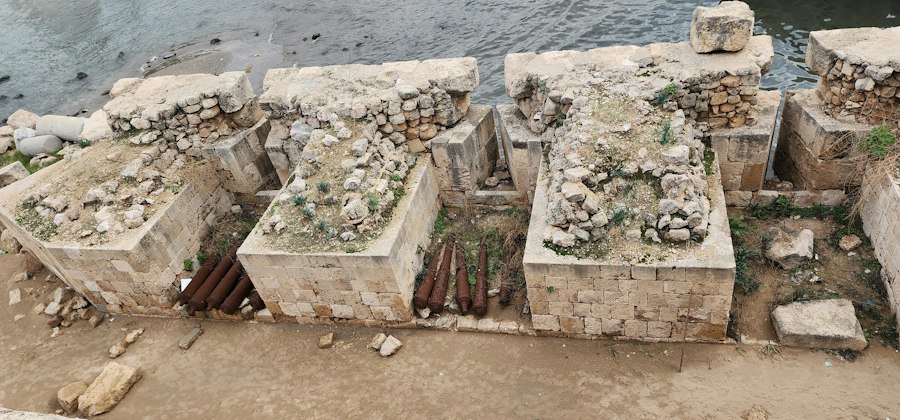
In the dramatic landscapes of the American Southwest, the Ancestral Puebloans (also known as Anasazi, c. 1200 BCE – 1300 CE) developed a remarkable civilization adapted to the challenges of a dry environment. Their innovative architecture, agricultural techniques, and spiritual practices left behind enduring monuments that continue to inspire awe.
Mesa Verde and the Cliff Dwellings
Perhaps the most iconic legacy of the Ancestral Puebloans are their spectacular cliff dwellings, such as those found at Mesa Verde National Park. These ingenious structures, built into the alcoves of sheer cliffs, provided protection from the elements and enemies. Villages like Cliff Palace and Balcony House showcase their architectural ingenuity, with multi-story structures, interconnected rooms, and sophisticated masonry. The construction of these dwellings required incredible skill in stonework and an intimate understanding of the local topography. The decision to build in such precarious locations also suggests a need for defense and a strategic adaptation to their environment. These cliff dwellings are not merely shelters; they are complex communities that housed hundreds of people, with dedicated spaces for living, storage, and ceremonial activities. The meticulous construction and careful planning evident in these sites speak to a highly organized and communal society.
Agriculture and Resource Management in Arid Lands
The Ancestral Puebloans were skilled agriculturalists who developed innovative techniques to thrive in a challenging arid environment. They cultivated maize, beans, and squash, often using irrigation systems and terracing to conserve water and maximize crop yields. Their understanding of the natural cycles of rainfall and the limitations of their environment was crucial to their survival. They also relied on hunting, gathering, and extensive trade networks to supplement their diet and acquire resources. The development of sophisticated storage systems, such as kivas and subterranean granaries, allowed them to preserve food supplies and weather periods of drought. Their ability to sustain a sedentary lifestyle in such a challenging environment is a testament to their ingenuity and resilience. The careful management of scarce water resources, through systems of canals and reservoirs, was fundamental to their success as an agrarian society.
The Kivas: Centers of Spiritual and Social Life
The kiva, a subterranean ceremonial chamber, was a central feature of Ancestral Puebloan communities. These circular or rectangular structures, often entered through a roof opening, served as spaces for religious ceremonies, social gatherings, and council meetings. Murals within the kivas often depicted mythological scenes, animals, and geometric patterns, offering glimpses into their spiritual beliefs and worldview. The construction of kivas, with their distinctive fire pits, ventilation systems, and benches, demonstrates a deep understanding of acoustics and architectural design for communal use. The kiva played a crucial role in maintaining social cohesion and transmitting cultural knowledge from one generation to the next. The presence of sipapus, small holes in the floor of some kivas, believed to symbolize the emergence of humanity from the underworld, further highlights the spiritual significance of these structures.
Pottery and Artistic Expression
Ancestral Puebloan pottery is celebrated for its beauty, functionality, and intricate designs. They developed distinct regional styles, often characterized by black-on-white geometric patterns and symbolic motifs. Their pottery served not only as utilitarian vessels for cooking and storage but also as a medium for artistic expression and the communication of cultural values. The evolution of their pottery styles over time provides archaeologists with valuable chronological markers for understanding their past. The dedication to crafting such finely made and decorated pottery speaks to a society that valued artistry and possessed a strong sense of cultural identity. The intricate geometric patterns are not merely decorative; they likely hold symbolic meaning, representing elements of their cosmology, natural world, or social structure.
The Mississippian Culture: Builders of Earth Mounds
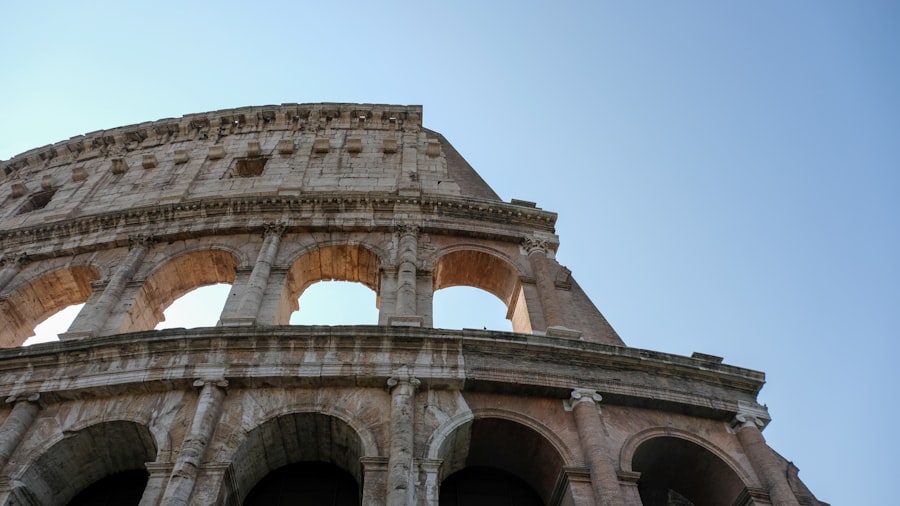
Flourishing between approximately 800 and 1600 CE, the Mississippian culture was a complex society centered in the river valleys of the Mississippi, Ohio, and Tennessee Rivers. They are renowned for their impressive earthwork constructions and their widespread influence across eastern North America.
Cahokia: The Metropolis of the Ancient Midwest
Cahokia, located near modern-day St. Louis, was the largest and most influential Mississippian city, serving as a major political, religious, and economic center. At its peak, it is estimated to have housed tens of thousands of inhabitants, making it one of the largest pre-Columbian cities north of Mexico. The city was dominated by Monks Mound, a massive, multi-tiered earthen platform, one of the largest ancient man-made structures in the Americas. The construction of such monumental earthworks required an enormous labor force and sophisticated organizational capabilities. Cahokia’s extensive trade networks and its influence over surrounding communities suggest a highly stratified society with a powerful elite. The layout of Cahokia, with its plazas, mounds, and residential areas, reflects a complex urban planning strategy. The presence of a large population center like Cahokia indicates a significant surplus of agricultural production and a highly developed social structure capable of supporting specialized labor.
Monumental Earth Mounds: Centers of Power and Ceremony
The Mississippians were prodigious builders of earth mounds, constructing both platform mounds, used as bases for important structures like temples and residences of rulers, and conical mounds, which may have served burial or ceremonial purposes. These mounds, often arranged in carefully planned complexes, were central to Mississippian society, serving as focal points for religious rituals, political gatherings, and elite burials. The scale and precision of their construction are remarkable, requiring immense effort and coordination. These earthworks were not merely piles of dirt; they were carefully engineered landscapes designed to impress and to serve specific social and religious functions. The placement of these mounds often aligned with celestial events, further emphasizing their connection to cosmology and the cycles of nature. The mounds represent a significant investment of labor and resources, underscoring the power and influence of the Mississippian elite.
Trade Networks and Social Stratification
The Mississippian culture was characterized by extensive trade networks that connected communities across vast distances. They traded in goods such as copper, shell, mica, and obsidian, which were then crafted into prestige items like elaborate jewelry, gorgets, and effigy pipes. The presence of these exotic materials in burials indicates a highly stratified society, with an elite class that controlled access to these valuable resources and wielded significant political and religious authority. The distribution of Mississippian artifacts across eastern North America demonstrates the far-reaching influence of their culture and their ability to establish and maintain extensive trade relationships. This intricate web of exchange facilitated the dissemination of ideas, technologies, and cultural practices, fostering a shared Mississippian identity across a wide geographical area.
The “Southeastern Ceremonial Complex”
The Mississippian culture is often associated with the “Southeastern Ceremonial Complex” (SECC), a widespread network of shared artistic motifs, religious beliefs, and ritual practices that spanned much of eastern North America. Iconography from the SECC often features motifs like the “long-nosed god,” winged serpents, and figures engaged in elaborate rituals, suggesting a shared cosmology and a sophisticated understanding of the spiritual realm. These shared symbols and practices likely facilitated communication and cultural exchange between different Mississippian centers. The SECC provides evidence of a complex belief system that transcended individual settlements and connected people across a broad cultural landscape.
The ancient civilizations of North America have long fascinated historians and archaeologists, revealing complex societies that thrived long before European contact. One intriguing aspect of this history is the exploration and mapping of the continent, which has led to various interpretations and debates. For those interested in the intricacies of historical maps, a related article discusses the Piri Reis map and its implications for understanding early navigation and cartography. You can read more about this topic in the article debunking the Piri Reis map, which provides a scientific rebuttal to some of the claims surrounding this famous document.
Beyond the Major Civilizations: Diverse Peoples of North America
| Civilization | Location | Time Period | Main Achievements |
|---|---|---|---|
| Maya | Mexico, Guatemala, Belize | 2000 BC – 900 AD | Advanced mathematics, astronomy, and architecture |
| Aztec | Mexico | 1300 AD – 1521 AD | Powerful empire with complex social structure and impressive temples |
| Inca | Peru, Ecuador, Bolivia | 1438 AD – 1533 AD | Extensive road system, advanced agricultural techniques, and impressive stone architecture |
| Ancestral Puebloans | Southwestern United States | 600 AD – 1300 AD | Cliff dwellings and complex irrigation systems |
While the Olmec, Maya, Ancestral Puebloans, and Mississippians represent some of the most well-known and extensively studied ancient civilizations of North America, it is crucial to remember the vast diversity of peoples who inhabited the continent. Countless other cultures, each with their unique traditions, adaptations, and achievements, contributed to the rich tapestry of North American prehistory.
The Pacific Northwest: Masters of the Sea and Forests
The indigenous peoples of the Pacific Northwest, such as the Salish, Haida, and Tlingit, developed highly sophisticated societies that were deeply connected to the abundant resources of the sea and the temperate rainforests. They were expert mariners, renowned for their large cedar canoes and their ability to harvest the rich bounty of the Pacific Ocean. Their art, particularly their iconic totem poles, is celebrated for its intricate carvings and symbolic representations of clan history, mythology, and spiritual beliefs. The potlatch, a ceremonial feast and gift-giving tradition, played a crucial role in their social and economic systems, demonstrating wealth and solidifying social status. The cedar forests provided abundant materials for their homes, tools, and crafts, and their intimate knowledge of the marine environment allowed them to develop sustainable fishing and hunting practices.
The Arctic and Subarctic: Adapting to Extreme Environments
In the harsh and unforgiving landscapes of the Arctic and Subarctic, peoples like the Inuit, Yupik, and Dene developed remarkable adaptations for survival. They were skilled hunters and fishers, relying on the ice, snow, and limited vegetation for sustenance. Their ingenious technologies, such as kayaks, harpoons, and specialized clothing made from animal skins, enabled them to thrive in extreme conditions. Their spiritual beliefs were often closely tied to the natural world, with a deep respect for the spirits of animals and the environment. The development of tools for hunting seals and whales, and the creation of intricate carvings from bone and ivory, demonstrate a profound understanding of their environment and a remarkable capacity for innovation under duress.
The Great Plains: Nomadic Lifestyles and Buffalo Culture
The peoples of the Great Plains, such as the Sioux, Cheyenne, and Blackfoot, developed nomadic lifestyles deeply intertwined with the vast herds of bison that roamed the grasslands. The bison provided food, shelter, clothing, and tools, forming the core of their economy and culture. They were expert horse riders (though their reliance on horses predates European introduction in many cases), masters of the hunt, and developed sophisticated social structures to organize their nomadic movements and intertribal relations. Their spiritual beliefs were often animistic, with a profound reverence for the natural world and the power of the Great Spirit. The adaptability of their lifestyle, based on following the movements of the bison herds, allowed them to thrive across immense territories. Their skilled horsemanship and their mastery of hunting techniques were central to their way of life.
The Eastern Woodlands: Farmers, Hunters, and Gatherers
The diverse peoples of the Eastern Woodlands, including the Iroquois, Algonquian, and Cherokee, developed a variety of lifeways, often combining agriculture with hunting, fishing, and gathering. They were skilled horticulturalists, cultivating maize, beans, and squash, and lived in settled villages. Many also developed complex political structures, such as the Iroquois Confederacy, which fostered alliances and promoted peace among member nations. Their rich oral traditions, their intricate beadwork, and their understanding of forest resources all contributed to the unique cultural landscape of this region. The longhouse, a communal dwelling common among some Eastern Woodland peoples, served as a symbol of kinship and social unity. Their knowledge of medicinal plants and their sustainable harvesting practices speak to a deep connection with the forest environment.
The exploration of ancient North American civilizations is an ongoing endeavor, constantly revealing new insights and challenging existing narratives. These ancient peoples, through their ingenuity, resilience, and deep connection to the land, left behind a legacy that continues to shape the continent. Their stories, etched in stone, earth, and tradition, offer a profound reminder of the complexity and richness of human history before the arrival of Europeans, a testament to the enduring spirit of innovation and adaptation that defines the human experience. Each civilization, from the colossal heads of the Olmec to the cliff dwellings of the Ancestral Puebloans, offers a unique lens through which to understand the diverse and remarkable achievements of humanity in the Americas.

A City Bigger Than London Once Stood in America. Then It Vanished.
FAQs
What are some examples of ancient civilizations in North America?
Some examples of ancient civilizations in North America include the Maya, Aztec, Inca, Ancestral Puebloans, Mississippian culture, and the Hohokam.
What were some common characteristics of ancient North American civilizations?
Ancient North American civilizations often had complex social structures, advanced agricultural practices, sophisticated architectural achievements, and developed trade networks.
What were some significant achievements of ancient North American civilizations?
Some significant achievements of ancient North American civilizations include the construction of impressive cities and monumental structures, the development of advanced mathematical and astronomical knowledge, and the creation of intricate artwork and pottery.
What led to the decline of ancient North American civilizations?
The decline of ancient North American civilizations was often attributed to factors such as environmental changes, warfare, disease, and social unrest. In some cases, the arrival of European colonizers also played a significant role in the decline of these civilizations.
What is the legacy of ancient North American civilizations today?
The legacy of ancient North American civilizations can be seen in the lasting impact of their architectural achievements, artistic traditions, agricultural practices, and cultural influences on modern societies in North America. Additionally, the study of these civilizations continues to provide valuable insights into the history and development of the continent.