
It’s definitely fascinating to explore the genetic threads that weave together North American heritage, and when we talk about Cajun French Canadian admixture, we’re looking at a particularly rich tapestry. Simply put, yes, there’s a distinct genetic signature that points to shared ancestry between many people of French Canadian descent and those who identify as Cajun, particularly in Louisiana. This isn’t just anecdotal; scientific studies have confirmed it, showing a significant overlap in genetic markers. This admixture isn’t a single event but rather a story of migration, adaptation, and cultural persistence across centuries.
The Original Migrations: Setting the Stage
Before we can understand the admixture, it’s crucial to go back to the very beginnings of French presence in North America. The French weren’t just passing through; they were establishing settlements and building communities that would shape the continent’s future. These early French settlers, often coming from different regions of France, brought with them their languages, customs, and, of course, their genes.
New France and Acadia: The Seeds of French Presence
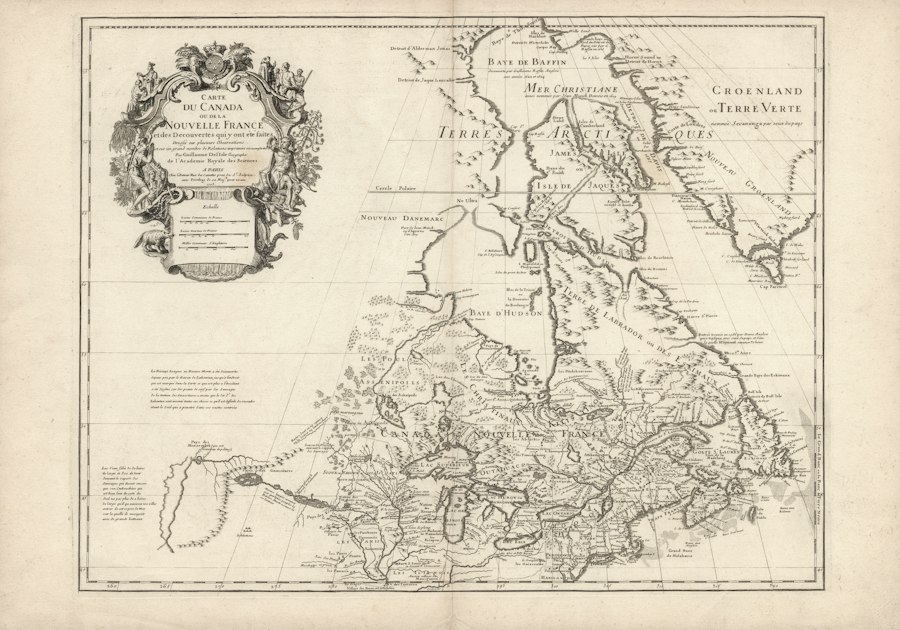
The story really begins with New France, the vast territory claimed by France in the 17th and 18th centuries. This included much of what is now eastern Canada, from the Maritimes (Acadia) up through Quebec and into the Great Lakes region. The French Crown encouraged settlement, and while many settled in what became Quebec, a significant number also made their homes in Acadia, a region encompassing parts of present-day Nova Scotia, New Brunswick, and Prince Edward Island. These Acadians developed a unique cultural identity, distinct from but still tied to their French roots. Their lives were often centered around fishing, farming, and close-knit communities, fostering a strong sense of shared heritage.
Early Quebecois Settlement Patterns
In contrast, the settlements in the St. Lawrence River valley, which would become Quebec, were often larger and more strategically important for trade and defense. Settlers here came from various parts of France, including Normandy, Brittany, and Poitou. Over generations, these groups intermingled, forming the foundational population of French Canadians. Their isolation from France, coupled with a high birth rate, led to a demographic expansion within North America, creating a distinct population group with its own linguistic and cultural characteristics. This early branching, while rooted in common French origins, started to set the stage for distinct regional identities.
Cajun French Canadian admixture is a fascinating topic that explores the unique blend of cultures and ancestries in the Cajun population of Louisiana. This cultural fusion has roots in the Acadian exiles from Canada, who brought their French heritage to the southern United States. For those interested in exploring how historical migrations and cultural exchanges shape communities, a related article can be found at Uncovering Lost Ancient Technology: A Documentary, which delves into the impact of ancient civilizations on modern societies and their technologies.
The Great Upheaval: Acadian Exile and its Ripple Effects
The story of Acadian admixture takes a dramatic turn with the events of the mid-18th century, often referred to as the Grand Dérangement (the Great Upheaval). This period of forced deportation had profound and lasting consequences, scattering Acadian communities and directly contributing to the genetic link with Louisiana Cajuns.
The Le Grand Dérangement: Forced Deportation
Following the British acquisition of Acadia after the Seven Years’ War, tensions rose. The Acadians, largely Catholic and French-speaking, were viewed with suspicion by the new British authorities. In 1755, the British began the systematic expulsion of the Acadian population. Families were forcibly removed from their homes, their lands confiscated, and they were scattered to various British colonies, France, and other destinations. This was a brutal and traumatic event, tearing apart communities and disrupting lives.
The Journey to Louisiana: A New Beginning
A significant number of these exiled Acadians found their way to Louisiana, which was then a French colony and later Spanish territory. They were drawn by the French-speaking environment, the warm climate, and the opportunity to establish new lives. These Acadians, bringing their distinct dialect and cultural traditions, became the ancestors of the modern Cajun population. Their initial isolation and the relatively homogenous nature of their arrival in Louisiana helped to preserve their unique heritage. This migration solidified a direct genetic and cultural link between Acadia and Louisiana, a link that would be further explored through later genetic studies.
The Louisiana Connection: From Acadia to Bayou Country
The Acadians who resettled in Louisiana didn’t just bring their culture; they brought their genes. Over time, their isolation and the unique social dynamics of their new home led to the development of the distinct Cajun identity and, consequently, a specific genetic profile.
Early Louisiana Settlement and Isolation
Upon arriving in Louisiana, the Acadians largely settled in the southwestern part of the territory, often referred to as Acadiana. They established communities along the bayous and prairies, a landscape that was both challenging and rich in resources. Their relative isolation, both from their homeland and from other European settler groups initially, meant that they married and reproduced largely within their own community. This endogamous pattern is a key factor in the development of distinct genetic markers. Their reliance on their own community for social and economic support further reinforced this isolation.
Interactions with Other Groups in Louisiana
While the Acadians maintained a strong sense of identity, Louisiana was a crossroads of cultures. Over time, there were interactions and intermingling with other groups present in the region. This included indigenous Native American tribes, enslaved Africans and their descendants, and later, Spanish, German, and Italian immigrants. These interactions, while perhaps not as dominant as the initial Acadian-to-Acadian gene flow, did contribute to the overall genetic landscape of Louisiana. However, the core of the Cajun genetic signature remains strongly linked to their Acadian ancestors. The relative proportion of admixture from these other groups is a key area of scientific investigation.
Unraveling the Genetic Links: Scientific Evidence
The anecdotal similarities between French Canadians and Cajuns have been increasingly substantiated by scientific research, particularly in the field of population genetics. These studies use DNA analysis to identify shared ancestral components and quantify the degree of admixture.
Mitochondrial DNA and Y-Chromosome Studies
Studies focusing on mitochondrial DNA (mtDNA), which is inherited solely from the mother, and Y-chromosome DNA, inherited from the father, have been particularly illuminating. These studies can trace maternal and paternal lineages back through generations. Research has shown that many individuals of Acadian and Cajun descent share common maternal and paternal lineages with French Canadian populations, particularly those with roots in Acadia. This indicates a shared ancestral pool from which both groups originated. The consistency of these findings across different studies provides strong evidence for a genetic connection.
Autosomal DNA Analysis and Population Stratification
More comprehensive studies using autosomal DNA, which represents DNA from all chromosomes and therefore a broader picture of ancestry, have further confirmed the close genetic relationship. These analyses allow researchers to estimate the proportion of ancestry that comes from different ancestral populations. They clearly show a significant overlap between the genetic profiles of French Canadians (especially those with Acadian heritage) and Cajuns. The studies also help to identify specific ancestral populations within France that contributed to both groups. This research allows for a more nuanced understanding of population stratification within French North America.
Cajun French Canadian admixture is a fascinating topic that explores the unique blend of cultures and genetics in the Cajun population of Louisiana. This rich heritage is a result of historical migrations and intermarriages, which have shaped the identity of the Cajun people. For those interested in understanding how such cultural dynamics can influence various aspects of life, including financial security, you might find it insightful to read about the safety of retirement accounts in relation to government policies. You can check out the article here for more information on this important topic.
The Enduring Legacy: Cultural and Genetic Persistence
| Metric | Value | Description |
|---|---|---|
| Percentage of French Canadian Ancestry | 40-60% | Estimated proportion of French Canadian genetic contribution in Cajun populations |
| Percentage of Native American Admixture | 5-15% | Estimated Native American genetic influence in Cajun groups |
| Percentage of African Admixture | 5-10% | Estimated African genetic contribution in Cajun populations |
| Percentage of Other European Ancestry | 10-20% | Includes English, Irish, and other European genetic influences |
| Common Y-DNA Haplogroups | R1b, I1 | Typical paternal lineages found in Cajun French Canadian descendants |
| Common mtDNA Haplogroups | H, U, A | Typical maternal lineages, including European and Native American origins |
The story of Cajun French Canadian admixture is not just a historical footnote; it’s a living legacy that continues to influence culture and identity today. The genetic links are a tangible reminder of shared origins, while cultural practices demonstrate a remarkable resilience and adaptation.
Linguistic Echoes and Cultural Continuity
The French language, though evolving differently in Quebec, Acadia, and Louisiana, remains a powerful symbol of this shared heritage. The Cajun French dialect, while distinct, carries clear echoes of the French spoken by their Acadian ancestors and, by extension, the French of their French Canadian cousins. Beyond language, shared traditions in music, cuisine, and storytelling also point to a common cultural thread. While Cajun culture has undoubtedly developed its own unique flavor, the underlying influences from its French Canadian roots are undeniable. This cultural continuity is a testament to the strength of their inherited traditions.
Modern Identity and Heritage Preservation
For many individuals today, understanding this admixture provides a deeper appreciation for their heritage. Whether identifying as French Canadian, Cajun, or both, there’s a growing interest in exploring these ancestral connections. Heritage organizations, genealogical research, and cultural festivals all play a role in preserving and celebrating this rich history. The genetic evidence serves as a powerful complement to historical records and oral traditions, offering concrete proof of the interconnectedness of these North American populations and reinforcing the importance of their distinct cultural contributions. It’s a reminder that history is not just in books, but in our very DNA.

Cajun or French Canadian? The DNA Looked the Same—Until Researchers Looked Closer
FAQs
What is Cajun French Canadian admixture?
Cajun French Canadian admixture refers to the blending of French Canadian and Cajun cultures, particularly in Louisiana. This mixing of cultures has resulted in a unique and vibrant cultural identity.
How did the Cajun French Canadian admixture come about?
The Cajun French Canadian admixture came about through the migration of French Canadians to Louisiana in the 18th century. These French Canadians, known as Acadians, settled in Louisiana and intermingled with the local Cajun population, leading to a blending of cultures.
What are some characteristics of Cajun French Canadian admixture culture?
Characteristics of Cajun French Canadian admixture culture include a rich culinary tradition, a unique dialect of French known as Cajun French, and a strong emphasis on music and dance, particularly Cajun and Zydeco music.
How has Cajun French Canadian admixture culture influenced Louisiana?
Cajun French Canadian admixture culture has had a significant impact on Louisiana, particularly in areas such as cuisine, music, and language. Many of Louisiana’s signature dishes, such as gumbo and jambalaya, have roots in Cajun and French Canadian cooking traditions.
Is Cajun French Canadian admixture culture still prevalent in Louisiana today?
Yes, Cajun French Canadian admixture culture is still very much alive in Louisiana today. Many residents of Louisiana proudly identify with their Cajun and French Canadian heritage, and elements of this culture can be seen and experienced throughout the state.