
Unlocking Your Cajun Roots: How Genetics and Ancestry Research Can Illuminate Your Heritage
So, you’re curious about your Cajun heritage? You’ve probably heard the stories, tasted the food, and maybe even picked up a few French phrases. But how can you really dig into the deeper layers of this unique culture? It turns out, a surprisingly effective way to explore your Cajun roots is by looking at your own DNA and diving into genealogical research. It’s not about abstract science; it’s about connecting the dots, understanding where your ancestors came from, and seeing how their journeys shaped who you are today. This approach can offer tangible insights, revealing migration patterns, historical connections, and even some surprises about your family tree.
Cajun Louisiana heritage is a fascinating blend of cultures and genetics, reflecting the diverse history of the region. For those interested in exploring the complexities of heritage and identity, a related article titled “Navigating Border Disputes: A Complex Challenge” provides insights into how historical migrations and cultural exchanges shape communities. You can read more about it here: Navigating Border Disputes: A Complex Challenge. This article delves into the broader implications of heritage and the intricate relationships between different cultural groups, which resonates with the story of Cajun identity in Louisiana.
The Science Behind the Stories: What DNA Tells Us About Cajun Ancestry

DNA testing has moved beyond just confirming parentage or finding distant relatives. For heritage research, particularly for a distinct group like the Cajuns, it can be a powerful tool. When you take a genetic ancestry test, you’re essentially getting a snapshot of your ancestral origins based on unique genetic markers. These markers are like ancestral signposts, passed down through generations, allowing companies to compare your DNA to extensive databases of people from various regions and ethnic groups worldwide.
Decoding Your Ethnicity Estimates: Beyond Broad Categories
When you get your ethnicity estimate, it might show percentages for things like “Western European” or “French.” For Cajun ancestry, it’s important to look beyond these broad strokes. While France is a significant part of the story, Cajun heritage is a fascinating blend that evolved over centuries. The “Western European” might break down further, and this is where the nuances emerge. You might see percentages that point to specific regions within France, but also potentially other areas that played a role in the diaspora.
Tracing the Acadian Exodus: Genetic Echoes of Displacement
The very foundation of Cajun identity is the Acadian expulsion, a dramatic historical event where French settlers in Acadia (present-day Nova Scotia and parts of surrounding Canada) were forcibly deported by the British in the mid-18th century. Many eventually found their way to Louisiana, carrying their language, culture, and, importantly, their genes with them. Genetic research can sometimes reveal a stronger connection to certain historical Acadian population centers than might be immediately apparent from French records alone. This is because over generations, intermarriage and geographic isolation within Louisiana created a somewhat distinct genetic profile.
The Influence of Other Migrations: A More Complex Tapestry
While the Acadian narrative is central, it’s not the whole story of Cajun genetics. Louisiana has a rich history of diverse migrations. Understanding your DNA can sometimes point to other ancestral threads that wove their way into the Cajun fabric. This might include Spanish, African, or even indigenous American ancestries, depending on your specific family lines and how they interacted with the broader Louisiana population. Genetic testing can provide clues to these influences, offering a more nuanced and complete picture than relying solely on traditional genealogical records, which may not always accurately reflect the full extent of ancestral contributions.
Limitations and Nuances of Genetic Testing
It’s crucial to approach genetic results with a healthy dose of realism. Ethnicity estimates are just that – estimates. They are based on algorithms and reference populations, which are constantly being refined. A percentage might point to a region, but it doesn’t tell you the specific village your ancestor lived in or their life story. Also, genetic testing primarily looks at paternal and maternal lineages. It might not capture the full complexity of your ancestry, especially if you have very recent arrivals or ancestors who were absorbed into other communities.
Building Your Family Tree: The Foundation of Genealogical Research

While DNA can offer broad insights, traditional genealogy is where you find the names, dates, and stories. Building a family tree, even a basic one, provides the essential framework for understanding your Cajun heritage. It’s about piecing together the puzzle of who came before you, where they lived, and what their lives were like.
Cajun Louisiana heritage is a fascinating blend of cultures and traditions, deeply rooted in the region’s history. Recent studies have explored the genetic makeup of Cajun populations, revealing insights into their ancestry and the influences of various groups over the centuries. For those interested in understanding how environmental factors have shaped human history, a related article discusses how tree rings can reveal information about droughts in the Bronze Age, shedding light on the challenges faced by ancient communities. You can read more about this intriguing connection in the article found here.
Starting with What You Know: The Cornerstone of Research
The easiest place to begin is with yourself and your immediate family. Document names, birth dates, marriage dates, and death
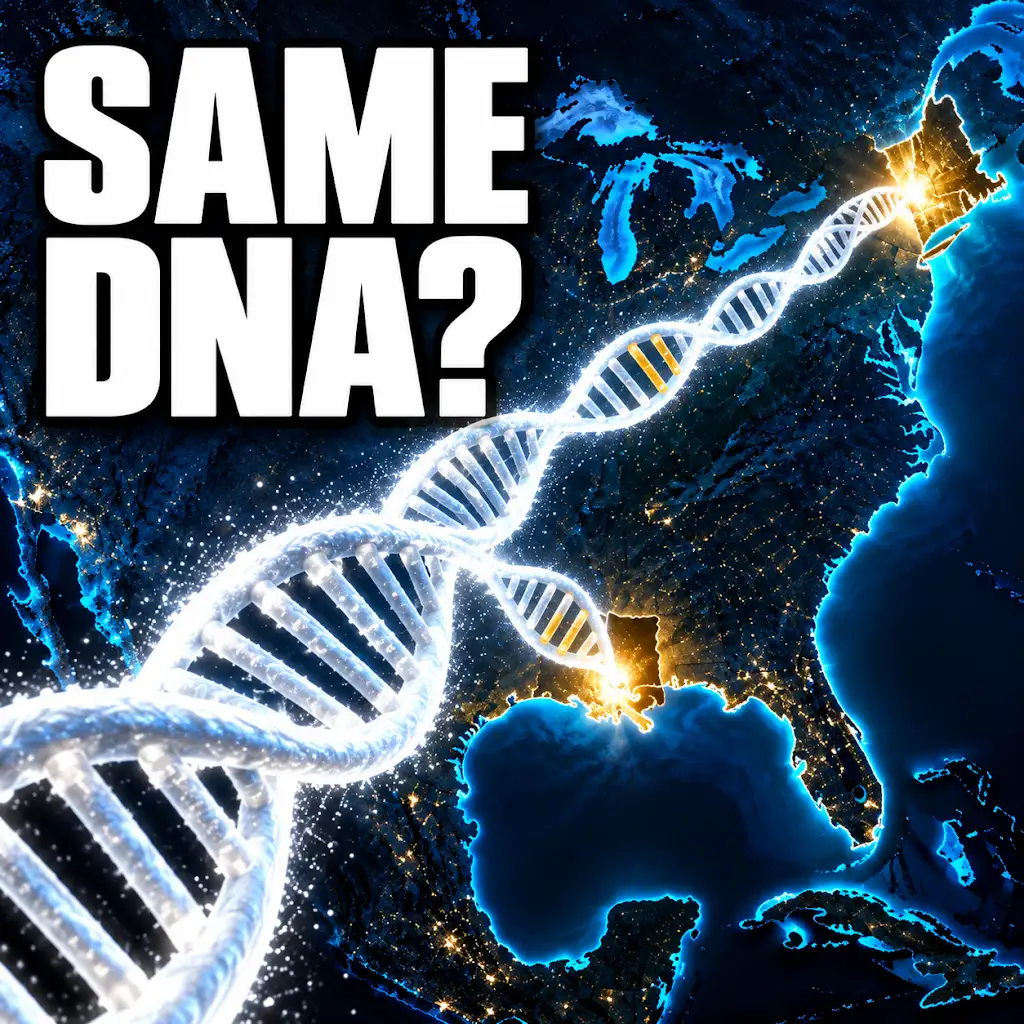
Cajun or French Canadian? The DNA Looked the Same—Until Researchers Looked Closer
FAQs
What is Cajun Louisiana heritage genetics?
Cajun Louisiana heritage genetics refers to the unique genetic makeup of the Cajun people, who are descendants of French-speaking Acadians who settled in Louisiana in the 18th century.
How did the Cajun people’s genetics evolve over time?
Over time, the Cajun people’s genetics evolved through a combination of intermarriage within their isolated communities, as well as genetic contributions from other ethnic groups in Louisiana, such as Native Americans, Africans, and Spanish settlers.
What are some common genetic traits found in Cajun Louisiana heritage genetics?
Some common genetic traits found in Cajun Louisiana heritage genetics include a higher prevalence of certain hereditary conditions such as familial hypercholesterolemia and certain types of cancer, as well as a unique combination of European, Native American, and African genetic markers.
How has the study of Cajun Louisiana heritage genetics contributed to medical research?
The study of Cajun Louisiana heritage genetics has contributed to medical research by providing insights into the genetic basis of certain diseases and conditions, as well as helping researchers understand how genetic diversity can impact health outcomes and treatment options.
Are there any ongoing genetic studies focused on Cajun Louisiana heritage genetics?
Yes, there are ongoing genetic studies focused on Cajun Louisiana heritage genetics, with researchers exploring topics such as the impact of genetic diversity on health disparities, the inheritance patterns of certain genetic conditions within Cajun communities, and the potential benefits of personalized medicine based on individual genetic profiles.