
The Roots of Your Name: Unearthing Your Cherokee Ancestry
You’ve felt it, that quiet hum of connection to something deeper, something ancient. Perhaps it’s a shared story, a feeling of belonging, or a persistent curiosity about the origins of your last name. If you’re exploring Cherokee surnames, you’re embarking on a profound journey, one that delves into the very fabric of identity, lineage, and the enduring spirit of a resilient people. This exploration isn’t just about deciphering letters and syllables; it’s about understanding the stories embedded within, the ancestral whispers that continue to resonate through generations. You are, in a very real sense, walking in the footsteps of your ancestors.
The Cherokee Nation, with its rich history and complex societal structures, offers a fascinating lens through which to examine the evolution and significance of surnames. For many, the quest to understand their Cherokee heritage is intertwined with the discovery of their surname, a key that can unlock a wealth of information, connect you to ancestral lands, and deepen your understanding of your place in the world. This journey is not always straightforward. Historical shifts, forced removals, and the complexities of tribal enrollment have shaped how Cherokee identity and names have been recorded and passed down. Yet, with careful research and a respectful approach, you can uncover the layers of meaning and history that lie within your own Cherokee surname.
Your exploration begins with acknowledging that “blood” in this context is not solely about genetics, but about lineage, cultural connection, and the acknowledgment of ancestry. While DNA can be a powerful tool, it’s often the family narratives, historical documents, and the understanding of Cherokee naming traditions that provide the richest tapestry of your heritage. You are seeking more than just a label; you are seeking understanding, connection, and a sense of belonging to a proud and enduring legacy. This guide is designed to help you navigate that path, offering insights and strategies for uncovering the secrets held within your Cherokee surname.
The study of Cherokee surnames by blood is a fascinating exploration of heritage and identity within the Cherokee Nation. For those interested in understanding the cultural significance of names and their historical context, a related article can provide further insights into the broader themes of ancestry and legacy. You can read more about these themes in the article on the Seven Wonders of the Ancient World, which discusses how ancient civilizations shaped their identities and legacies. For more information, visit this link.
Tracing the Threads of Cherokee Naming Traditions

Understanding how surnames came to be among the Cherokee people is crucial to your exploration. Unlike the prescriptive, inherited surnames common in many Western cultures, Cherokee naming practices have historically been more fluid, deeply connected to individual achievements, familial relationships, and the natural world. The adoption of European-style surnames was largely a consequence of increasing contact and assimilation, often driven by the need for legal recognition, land ownership, and participation in the burgeoning colonial society.
The Influence of Early Contact and Assimilation
As European traders, missionaries, and settlers interacted with Cherokee communities, the need for consistent identification became paramount. Surnames, as understood by Europeans, provided a fixed identifier that simplified transactions and legal processes. Many early Cherokee surnames were adopted from the names of their fathers, reflecting a shift towards patrilineal naming conventions. However, this adoption was not always a simple adoption of a European name. Some Cherokee families adopted the surnames of influential white individuals they knew, while others had names assigned to them by colonial officials or census takers, sometimes based on phonetic interpretations of Cherokee names or descriptions.
Your own surname might have originated from this period of transition. Consider the possibility that your ancestor was given a surname that was a phonetic rendering of their Cherokee name, or perhaps the name of a significant person in their life, whether Cherokee or European. This era marks the beginning of the surname as a potentially inherited marker, albeit one still deeply influenced by the cultural context of the time.
The Role of Matrilineal Clans and Personal Names
Before the widespread adoption of fixed surnames, Cherokee identity was strongly rooted in a matrilineal clan system. Individuals belonged to one of seven exogamous clans, and kinship ties were traced through the mother’s line. While clan affiliation wasn’t a surname in the modern sense, it was a significant identifier of belonging and played a role in social structure and marriage rules. Personal names were also highly significant, often bestowed at birth, given after significant life events, or earned through accomplishments. These personal names often held deep symbolic meaning, reflecting qualities of the individual, aspects of nature, or spiritual connections.
When you explore your surname, try to find out if it has any potential connections to Cherokee clan names or significant personal names. While direct translation might be rare, understanding the traditional significance of Cherokee names can offer clues to the cultural context of your surname’s adoption. For instance, a surname that sounds similar to a traditional word for an animal or a natural phenomenon might hint at its origins.
The Impact of Federal Policies and Tribal Rolls
The late 19th and early 20th centuries were pivotal for Cherokee identity, largely due to federal policies like the Dawes Act. This act aimed to allot tribal lands to individual Native Americans and, in doing so, necessitated the creation of detailed tribal rolls. These rolls often standardized names, requiring individuals to adopt or register a fixed surname for land ownership and annuity purposes. This process solidified many surnames that are in use today.
However, this standardization also led to inconsistencies and inaccuracies. Names were sometimes misspelled, misheard, or deliberately altered on these rolls. For individuals who had previously used a more fluid system of personal names or clan affiliations, this period of official registration could have been challenging and may have led to the adoption of surnames that don’t perfectly reflect their original Cherokee nomenclature. Your research might involve consulting these historical tribal rolls, such as the Dawes Rolls, which can provide invaluable information about the names recorded for your ancestors. Be prepared for variations and potential discrepancies, as these documents reflect the complexities of that historical period.
Deciphering the Origins: Common Cherokee Surname Patterns
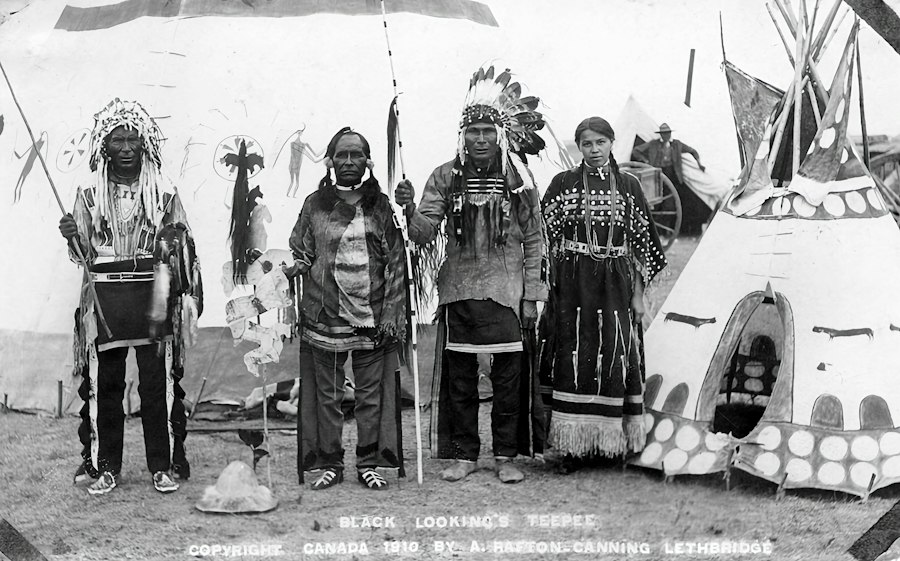
As you delve into your own family history, you’ll likely encounter patterns in how Cherokee surnames came to be. Understanding these common origins can provide valuable frameworks for your research and help you interpret the names you find. It’s a process of piecing together fragments, recognizing recurring themes, and appreciating the ingenuity of your ancestors in navigating a changing world.
Surnames Derived from English and European Names
A significant portion of Cherokee surnames are derived from English and other European languages. This often occurred when individuals adopted the surname of their father, who might have had an English name. It could also stem from adoption by English-speaking individuals or simply as a means of assimilation into the dominant society. These names can range from very common European surnames to more unique ones.
Your surname might sound distinctly European, and that’s a common thread in many Cherokee family histories. The key is to investigate how that European name came to be associated with your Cherokee lineage. Was it through a marriage into a European family? Was it the name of a prominent figure your ancestor admired or was associated with? Did a missionary or official record it for them? Understanding the historical context of your specific family’s migration and interactions can shed light on this. For example, if your family has a surname like “Smith” or “Jones,” it’s important to explore the specific circumstances under which it was adopted by your Cherokee ancestors, rather than assuming a direct European bloodline without further investigation.
Surnames Based on Phonetic Transcriptions of Cherokee Words
Many Cherokee surnames are the result of phonetic transcriptions of original Cherokee names or words. Cherokee has its own unique phonology, and English speakers would have attempted to represent these sounds using English letters. This process inevitably led to variations in spelling and can make it challenging to trace back to the original Cherokee word. Different transcribers might have heard and written the same Cherokee sound differently, leading to multiple spellings of what was essentially the same name.
If your surname sounds like it might have Native American origins but doesn’t immediately translate to a common English word, it’s a strong candidate for a phonetic transcription. Researching common Cherokee words and their meanings, particularly those related to nature, animals, or personal attributes, can be a fruitful avenue. Look for variations in spelling for your surname; if you find several different spellings of what seems to be the same last name, it could indicate a phonetic transcription that was interpreted in various ways. For example, a name like “Sequoyah” itself, the inventor of the Cherokee syllabary, has various spellings in historical records. Similarly, your surname might have evolved from a phonetic rendering of a Cherokee word that described a person’s characteristic or a significant event.
Surnames Reflecting Cherokee Culture and Environment
Some Cherokee surnames, though they may appear as Anglicized spellings, retain a connection to Cherokee culture, language, or the natural environment. These could be adaptations of descriptive Cherokee words that became fixed as surnames. These names offer a more direct link to the cultural landscape of your ancestors.
Consider if your surname might have originated from a descriptive term. For instance, a surname like “Wolf” or “Bird” could be a direct translation or a phonetic rendering of the Cherokee words for those animals, which were often significant in Cherokee beliefs and stories. Similarly, names related to geographical features, plants, or even concepts like “peace” or “strength” might have been adopted as surnames. Investigating the meanings of Cherokee words related to your family’s historical geographic locations could also be revealing. If your family has a surname that seems unusually descriptive, it’s worth exploring its potential roots in the Cherokee lexicon.
Navigating the Genealogical Landscape: Research Strategies
Your journey into your Cherokee surname is a genealogical adventure. This requires a systematic approach, utilizing a combination of historical documents, oral traditions, and, where appropriate, DNA testing. It’s about building a narrative, brick by brick, with each piece of evidence contributing to the larger picture of your ancestry.
The Power of Family Stories and Oral Histories
Before you even begin sifting through dusty records, tap into the most immediate resource: your family. Speak with your elders, aunts, uncles, and cousins. Ask them about the stories they remember, the names they’ve heard, and any family lore that might be associated with your surname. Oral histories, while sometimes embellished or fragmented over time, often hold kernels of truth that can point you in the right direction. These stories can provide context, identify potential ancestral lines, and even reveal clues about where your ancestors lived or significant events in their lives.
Don’t dismiss any story, no matter how fanciful it may seem. Sometimes the most unusual tales hold the most valuable clues. Keep a detailed record of everything you hear, noting who shared the information and when. Cross-reference these stories with other family members to identify common threads and inconsistencies. Your family’s memories are a living link to your past.
Unearthing Documents: Census Records, Rolls, and Vital Statistics
Official records are indispensable in genealogical research. For Cherokee ancestry, key documents include federal census records, tribal rolls, and vital statistics (birth, marriage, death certificates). The Dawes Rolls, as mentioned, are particularly crucial for identifying individuals enrolled with the Cherokee Nation. Other valuable resources include the Guion Miller Rolls and earlier census records that may have listed individuals by name.
When you access these documents, pay close attention to spellings, dates, and relationships. Note any variations in your surname’s spelling over time. Look for your surname appearing in the same geographic areas where your family has historically resided. Vital statistics records can help you connect generations, establishing birth and death dates and parental information, which are essential for building your family tree. Remember that these records were created by individuals with their own biases and limitations, so discrepancies are common. Your task is to analyze them critically and connect them with other evidence.
The Complementary Role of DNA Testing
DNA testing can be a powerful tool in your genealogical research, offering insights into your ethnic origins and helping you connect with living relatives. While DNA cannot definitively prove Cherokee enrollment, it can indicate Native American ancestry and potentially connect you with others who share your Cherokee lineage. Autosomal DNA tests are generally most useful for tracing recent ancestry, looking for matches with individuals who have also tested.
If your DNA results indicate Native American ancestry, it’s important to interpret these results within the context of your genealogical research. DNA can suggest a propensity for Cherokee heritage, but it’s the documentation and family history that will confirm specific ancestral connections. Use DNA as a complementary tool, a way to confirm hypotheses or to uncover new branches of your family tree that you might not have found through traditional research alone. Consider reputable DNA testing services that specifically offer genealogical analysis and have large databases for ancestral matching.
Exploring the rich history of Cherokee surnames by blood can lead to fascinating insights about lineage and heritage. For those interested in understanding the broader context of Native American history, a related article discusses the archaeological findings that shed light on ancient famines and their impact on indigenous communities. You can read more about these insights in the article Uncovering Ancient Famine: Archaeological Insights, which provides a deeper understanding of the challenges faced by ancestors and how these events shaped their descendants.
Understanding the “Blood” of Ancestry: Beyond Genetics
| Surname | Blood Percentage | Frequency | Region | Notes |
|---|---|---|---|---|
| Sequoyah | 75% | High | Oklahoma | Famous for creating the Cherokee syllabary |
| Ross | 50% | Medium | Oklahoma | Notable Cherokee chief family |
| Vann | 60% | Medium | Georgia | Prominent Cherokee planter family |
| Watie | 70% | Low | Oklahoma | John Ross’s rival, Confederate general |
| Adair | 40% | Low | North Carolina | Mixed European and Cherokee ancestry |
The concept of “blood” when discussing Indigenous ancestry is nuanced and often carries historical weight. For many Indigenous communities, “blood quantum,” a system of measuring degrees of Indigenous ancestry, has been a tool imposed by external governments to define and control tribal membership. While genetics plays a role in ancestry, it’s crucial to understand that tribal affiliation and identity are far more complex than a simple percentage.
The Historical Imposition of Blood Quantum
The concept of blood quantum was largely introduced by the U.S. government as a means of diminishing tribal populations and land rights. Over time, many tribes were compelled to adopt these measures for their own membership criteria to maintain a degree of sovereignty and control over who was considered a member. This can create challenges for individuals seeking to connect with their heritage, as strict blood quantum requirements may exclude some who identify culturally and ancestrally as Indigenous.
When you explore your Cherokee surname, it’s important to be aware of the historical context of blood quantum. While your DNA might show a percentage of Native American ancestry, this doesn’t automatically confer tribal membership. The Cherokee Nation has its own criteria for enrollment, which historically have involved lineal descent and community recognition, not solely a numerical measure of “blood.” Your exploration of your surname should focus on establishing lineal descent and cultural connection, rather than solely on genetic percentages.
Lineal Descent and Tribal Membership
For many, the ultimate goal of exploring their Cherokee surname is to establish lineal descent and, if possible, tribal membership with the Cherokee Nation. Lineal descent refers to direct ancestry, tracing your lineage back to a recognized ancestor who was a member of the Cherokee Nation. The Cherokee Nation has specific criteria for citizenship, which primarily involve proving you are a descendant of someone who was enrolled on a historical tribal roll.
Your research into your surname is a critical step in building this evidence of lineal descent. By meticulously tracing your family tree and gathering supporting documentation—birth certificates, marriage records, death certificates, wills, and tribal rolls—you can construct a case for your connection to the Cherokee people. Understanding your surname’s origins and how it was recorded on these historical documents is a vital part of this process.
Cultural Connection and Self-Identification
Beyond official enrollment, cultural connection and self-identification are powerful aspects of Indigenous identity. Many individuals with Cherokee ancestry may not meet the strict criteria for tribal membership but still maintain a strong connection to their heritage through cultural practices, community involvement, or personal identification. The stories of your ancestors, the values they held, and the traditions they passed down are all part of your living heritage.
Your surname can be a gateway to understanding these cultural connections. Does it have a meaning that resonates with Cherokee traditions? Does it connect you to a specific geographic area where your Cherokee ancestors lived? Even if formal enrollment is not your immediate goal, embracing your heritage and understanding the history embedded in your surname can be a deeply fulfilling and empowering experience. Your identity is not solely defined by external recognition, but by your own connection to your ancestors and their legacy.
Cherokee surnames carry significant cultural and historical weight, often reflecting lineage and heritage. For those interested in exploring the connections between names and identity, a related article discusses the broader implications of heritage and belonging in contemporary society. You can read more about this topic in the article on nationalizing retirement, which highlights the importance of understanding one’s roots in the context of modern governance. For further insights, visit this article.
Embracing Your Heritage: The Journey Forward
Your exploration of Cherokee surnames by blood is more than just a genealogical project; it’s a journey of self-discovery and a reclamation of ancestral legacy. It’s about understanding the resilience, the adaptability, and the enduring spirit of the Cherokee people, and recognizing how that spirit flows through you.
Continuing the Research and Building Your Tree
The quest to fully understand your Cherokee surname is often an ongoing process. New documents are discovered, historical interpretations evolve, and family stories continue to be shared. Embrace this continuous learning. Document everything meticulously, and don’t be afraid to revisit old research with fresh eyes. Consider joining genealogical societies, online forums, or ancestral support groups that focus on Cherokee heritage. Sharing your journey and learning from others can provide invaluable insights and support.
Connecting with the Cherokee Community
If your research confirms your lineal descent, consider learning more about how to connect with the Cherokee Nation or its recognized communities. This might involve attending cultural events, learning the Cherokee language, or engaging with resources provided by the Cherokee Nation itself. Building connections with the contemporary Cherokee community can offer a deeper understanding of the living culture and traditions that your ancestors were a part of. Remember to approach these connections with respect and a genuine desire to learn.
Honoring Your Ancestors Through Knowledge and Practice
Ultimately, the most meaningful way to honor your Cherokee surname and your ancestral heritage is through knowledge and practice. Educate yourself about Cherokee history, culture, and contemporary issues. Share what you learn with your own children and grandchildren, ensuring that the legacy continues. Whether it’s through remembering family stories, learning about traditional crafts or foods, or simply carrying forward the spirit of resilience and connection, your surname is a powerful reminder of who you are and where you come from. Your journey into your Cherokee surname is a tribute to the past and a vibrant connection to the future.

Can Your Feet Reveal Cherokee Ancestry? Check the Evidence
FAQs
What is a Cherokee surname by blood list?
A Cherokee surname by blood list is a compilation of surnames that are traditionally associated with individuals who can prove their Cherokee ancestry through blood quantum requirements.
How are Cherokee surnames by blood determined?
Cherokee surnames by blood are typically determined through genealogical research, historical records, and official tribal enrollment documentation. Individuals must be able to prove their direct lineage to a Cherokee ancestor.
Why are Cherokee surnames by blood important?
Cherokee surnames by blood are important for individuals seeking to establish their Cherokee heritage and eligibility for tribal enrollment, benefits, and recognition within the Cherokee Nation.
Where can I find a Cherokee surname by blood list?
Cherokee surname by blood lists can often be found through official Cherokee Nation websites, genealogical resources, historical archives, and tribal enrollment offices.
Can individuals with Cherokee surnames by blood list claim tribal citizenship?
Individuals with Cherokee surnames by blood list may be eligible to claim tribal citizenship within the Cherokee Nation or other recognized Cherokee tribes, provided they meet the specific enrollment criteria and requirements set forth by the tribe.