Unearthing Our Ancestors: A Journey Through Essential Early Human Documentaries
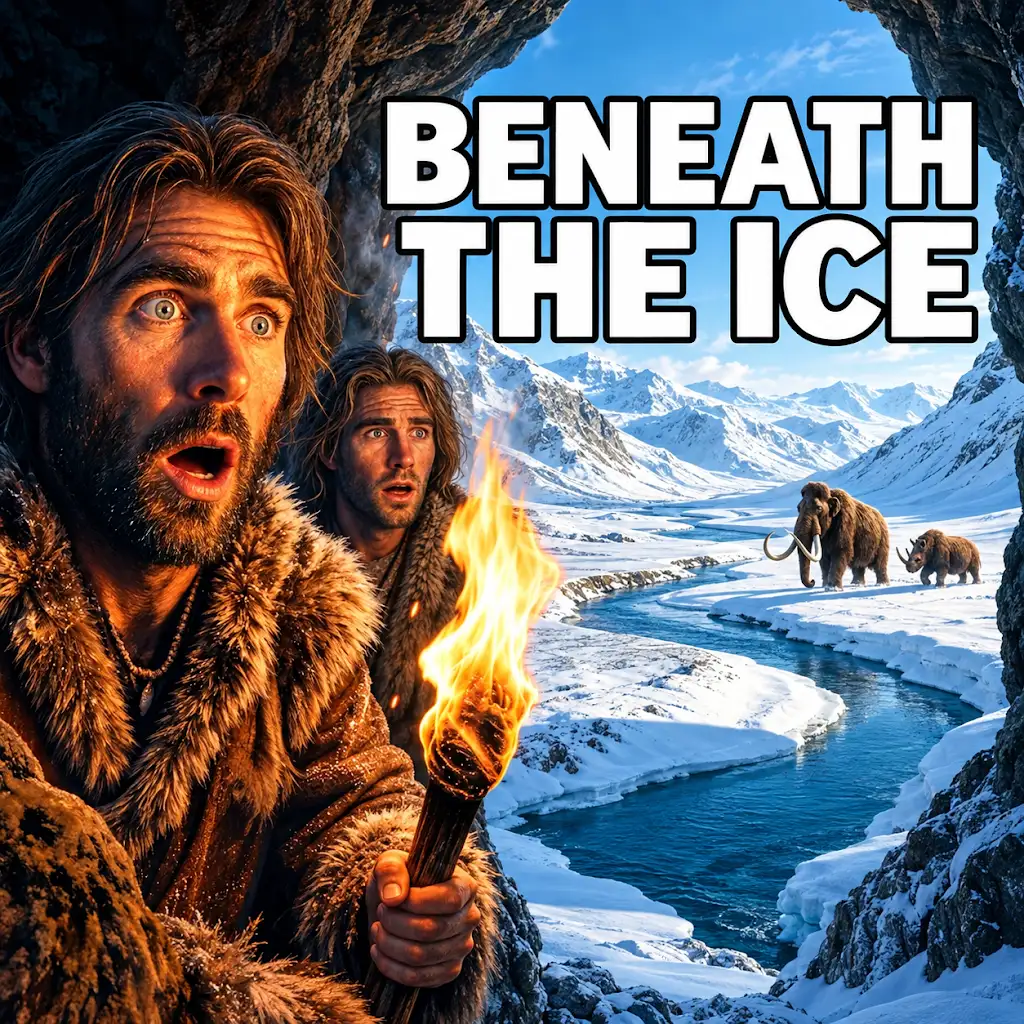
The story of human origins is a captivating saga, filled with mystery, discovery, and profound insights into what makes us, us. For centuries, scientists, archaeologists, and historians have pieced together the puzzle of our earliest ancestors, unearthing fossilized remains, primitive tools, and ancient cave art that whisper tales of survival, innovation, and the dawn of consciousness. Fortunately, the advent of documentary filmmaking has allowed these discoveries to reach a global audience, bringing the distant past to vivid life. This article delves into some of the most compelling and informative documentaries that explore the world of early humans, offering viewers an unparalleled opportunity to witness the very foundations of our existence being laid. From the plains of Africa to the caves of Europe, these films serve as virtual expeditions, guided by leading experts and brought to life through stunning visuals and meticulous research. Whether one is a seasoned enthusiast of ancient history or a curious newcomer, these documentaries promise an enriching and thought-provoking experience, illuminating the incredible journey of hominin evolution.
For those interested in ancient history documentaries that delve into the lives of early humans, a fascinating article can be found at Uncovered: Suppressed Inventions – A Revealing Documentary. This piece explores how early innovations and discoveries have shaped human civilization, shedding light on the ingenuity of our ancestors and the impact of their inventions on modern society.
The Genesis of Humanity: Early Discoveries and Groundbreaking Films

The quest to understand our origins has been a long and arduous one, punctuated by moments of extraordinary revelation. Early archaeologists and anthropologists, often working in challenging conditions, laid the groundwork for our modern understanding of human evolution. Their tireless efforts in the field, meticulously excavating sites and carefully preserving fragile evidence, provided the initial pieces of the human story. The subsequent translation of these findings into accessible visual narratives through documentary filmmaking has been instrumental in democratizing knowledge and fostering a widespread appreciation for our deep past. These films not only showcase the scientific process but also capture the wonder and excitement of discovery, allowing viewers to feel the thrill of unearthing a crucial fossil or deciphering a prehistoric tool.
From Lucy to the Taung Child: Key Hominin Finds
The narrative of human evolution is punctuated by several iconic discoveries that have fundamentally reshaped our understanding of our lineage. The discovery of “Lucy” (Australopithecus afarensis) in Ethiopia in 1974 by Donald Johanson and his team was a watershed moment. Her remarkably complete skeleton, dating back approximately 3.2 million years, provided undeniable evidence of bipedalism in early hominins, a crucial evolutionary adaptation. Similarly, the discovery of the Taung Child, a juvenile Australopithecus africanus, in South Africa in the 1920s by Raymond Dart, although initially met with skepticism, eventually contributed significantly to the growing body of evidence for an African origin of humanity. These fossil finds, and many others like them, represent tangible links to our distant ancestors, allowing scientists to reconstruct their physical characteristics, infer their lifestyles, and trace the branching pathways of our evolutionary tree. Documentaries that focus on these key discoveries often feature interviews with the scientists who made them, offering personal anecdotes and insights into the scientific process. They frequently utilize state-of-the-art CGI to bring these ancient beings to life, reconstructing their anatomy and even their movements based on the available fossil evidence.
The Dawn of Anthropology: Early Explorations in Film
As anthropological and archaeological methods advanced, so too did the ability to document these explorations. Early documentaries, though perhaps lacking the sophisticated technology of today, captured the spirit of adventure and the meticulous nature of fieldwork. These films often showcased the initial expeditions to significant sites, the careful excavation processes, and the early interpretations of the unearthed artifacts. They provide a valuable historical perspective, allowing viewers to see how scientific understanding has evolved over time and how initial hypotheses were tested and refined. Watching these older films can be a fascinating exercise, highlighting the ingenuity and dedication of pioneers in the field who, with limited resources, managed to unravel some of humanity’s greatest mysteries. They often feature black and white footage, grainy but evocative, that transports the viewer back to a time when these discoveries were brand new and their implications were just beginning to be understood. The narration in these films often carries a sense of gravitas, reflecting the profound nature of the subject matter.
Illuminating Our Tool-Making Ancestors: Documentaries on Early Technology
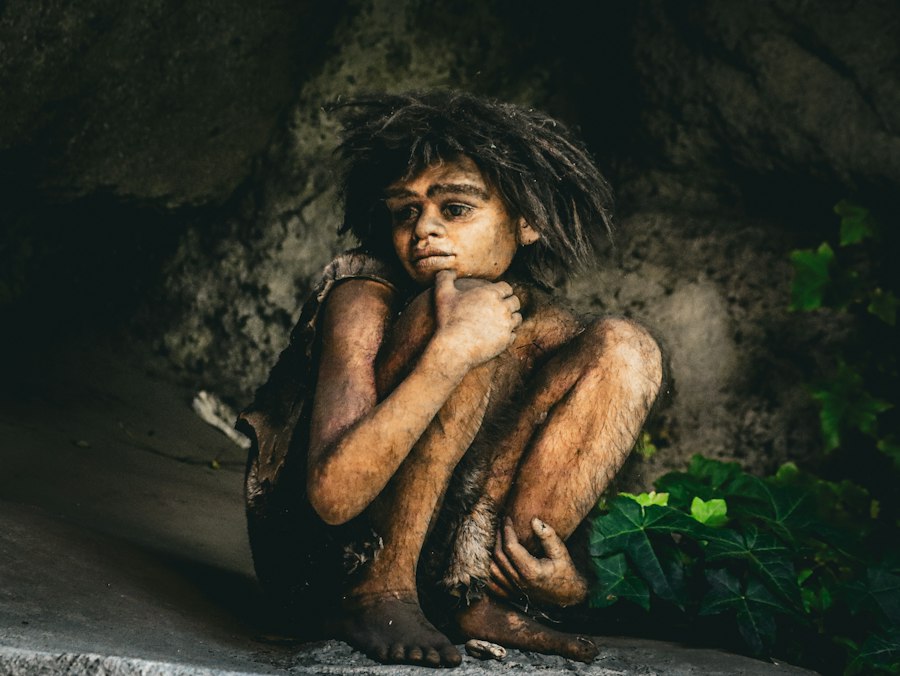
The development of tools was a pivotal step in human evolution, a testament to our burgeoning cognitive abilities and our capacity to manipulate the environment. These artifacts, from simple stone choppers to more sophisticated handaxes and projectile points, are silent witnesses to the ingenuity and adaptability of our ancestors. Documentaries focusing on these aspects of early human history offer a unique window into the practical challenges and innovative solutions that shaped our development. They explore not only the creation of tools but also their use, their significance in daily life, and how their evolution reflects changes in hominin cognition and social organization.
The Stone Age Toolkit: Crafting Survival
The Paleolithic period, often referred to as the Old Stone Age, is characterized by the earliest known use of stone tools. Documentaries exploring this era delve into the techniques our ancestors employed to shape stone into implements for hunting, butchering, and defense. They often feature demonstrations by modern-day flintknappers, who replicate ancient methods, allowing viewers to appreciate the skill and precision required. These films explore the different types of stone tools, such as Oldowan choppers and Acheulean handaxes, and their chronological progression, illustrating a gradual but significant increase in complexity and efficiency. The narrative often connects the development of these tools to advancements in hominin anatomy, such as the increased dexterity of the hand and the expansion of the brain. Understanding the context of tool use – what they were used for, by whom, and how they impacted survival – is central to these documentaries.
Beyond Flint: The Evolution of Early Innovations
As human evolution progressed, so did the sophistication of their technological innovations. Documentaries may explore the transition from simple stone tools to more specialized implements, the development of bone and antler tools, and the eventual mastery of fire. The control of fire, in particular, is seen as a transformative event, providing warmth, protection from predators, a means to cook food (which aids digestion and unlocks more nutrients), and a focal point for social gathering. Films on this topic often reconstruct the challenges of making and maintaining fire in prehistoric times. Furthermore, some documentaries might venture into the early stages of artistic expression, examining the creation of the first known art forms, such as the intricate cave paintings found in Europe and Southeast Asia, or the carved figurines that hint at early symbolic thought and spiritual beliefs. These artistic expressions, often intertwined with tool use and the development of complex social structures, offer a glimpse into the minds of our ancient predecessors.
The Social Fabric of Prehistory: Documentaries on Early Human Societies
Understanding how early humans lived, interacted, and organized themselves is crucial to comprehending our own societal structures. Documentaries that focus on early human societies move beyond the study of individual artifacts or skeletal remains to explore the broader patterns of behavior, social dynamics, and cultural practices that characterized our ancestors. These films often draw on a combination of archaeological evidence, ethnographic parallels with modern hunter-gatherer societies, and sophisticated reconstructions to paint a picture of prehistoric life.
From Nomadic Bands to Emerging Communities: Social Structures
The organization of early human groups, whether small nomadic bands of hunter-gatherers or larger, more settled communities, is a subject of intense scientific inquiry and captivating documentary exploration. Films on this topic often examine evidence of communal living, the division of labor (if any), and the mechanisms of social cohesion. They might explore the significance of campsites, evidence of shared resources, and the ways in which social bonds were maintained. The emergence of early forms of cooperation and reciprocity is often highlighted as a key factor in the success and expansion of early human populations. The role of leadership, whether informal or more structured, is also a potential area of focus.
The Human Connection: Communication, Ritual, and Belief
While direct evidence of language and abstract thought in early humans is scarce, archaeological findings such as cave art, burial sites, and decorative objects offer tantalizing clues about their cognitive and spiritual lives. Documentaries exploring these aspects delve into the potential for early forms of communication, the development of rituals surrounding birth, death, and perhaps seasonal cycles, and the emergence of rudimentary belief systems. Films may analyze the symbolism within cave paintings, the deliberate placement of objects in graves, and the adornment of the body, all of which suggest a capacity for abstract thought and a desire for meaning beyond mere survival. These explorations into the “human connection” provide a more holistic picture of our ancestors, revealing that they were not just biological beings, but individuals with a growing capacity for culture, ritual, and perhaps even a sense of the sacred.
For those interested in the fascinating journey of early humans, a compelling article can be found that explores the impact of ancient civilizations on modern society. This piece delves into how the innovations and cultural practices of our ancestors continue to shape contemporary life. You can read more about this intriguing connection in the article on the evolution of societies and their relevance today. To discover more, visit this link.
Charting Our Evolutionary Path: Documentaries on Human Migration and Adaptation
| Documentary Title | Year Released | Duration (minutes) | Focus Area | Notable Features | Viewer Rating (out of 10) |
|---|---|---|---|---|---|
| Becoming Human | 2009 | 120 | Evolution of Homo sapiens | 3-part series, CGI reconstructions | 8.5 |
| The Incredible Human Journey | 2009 | 270 | Human migration out of Africa | Global archaeological evidence | 8.7 |
| First Peoples | 2015 | 180 | Early human cultures worldwide | Interviews with leading anthropologists | 8.3 |
| Origins of Us | 2011 | 180 | Human evolution and biology | Focus on fossil discoveries | 8.0 |
| Walking with Cavemen | 2003 | 180 | Life of early hominids | Dramatized reenactments | 7.9 |
The story of humanity is intrinsically linked to movement and adaptation. Our ancestors did not remain static; they ventured out of Africa, spread across continents, and adapted to an astonishing array of environments. Documentaries that chronicle these grand migrations and the remarkable adaptations that ensued offer a sweeping perspective on the resilience and ingenuity of our species. They illustrate how environmental pressures and opportunities shaped our physical and cultural evolution, leading to the diverse human populations we see today.
Out of Africa and Across the Globe: The Great Migrations
The “Out of Africa” theory, which posits that modern humans evolved in Africa and then migrated to populate the rest of the world, is a cornerstone of paleoanthropology. Documentaries on this subject meticulously trace the proposed routes of these migrations, supported by fossil evidence, genetic studies, and archaeological findings. They highlight the immense distances covered, the challenges of traversing diverse landscapes, and the gradual colonization of continents like Asia, Europe, Australia, and the Americas. These films often employ animated maps and expert commentary to visualize the timeline and geographical spread of human populations, showcasing the remarkable journey that led to humanity’s global presence. The challenges faced by these early migrants, such as adapting to new climates, finding new food sources, and encountering previously unknown flora and fauna, are often a central theme.
Adapting to New Worlds: Environmental Pressures and Evolutionary Responses
As humans moved into new environments, they faced novel challenges that spurred significant adaptations, both biological and cultural. Documentaries exploring this aspect of our history detail how populations evolved to cope with different climates, diets, and disease pressures. For example, the development of lactose tolerance in populations that domesticated cattle, or adaptations to high altitudes in mountainous regions, are classic examples of human adaptation. Films may also examine how early humans developed unique hunting strategies, agricultural techniques, and shelter construction methods tailored to their specific environments. This section of human history underscores the dynamic interplay between humans and their surroundings, demonstrating how our species has consistently leveraged its intelligence and adaptability to thrive in a vast range of ecological niches. The genetic evidence for these adaptations, often presented through engaging visuals and explanations from leading geneticists, provides compelling support for the narrative of human resilience and evolutionary diversification.
The Future of Discovery: Modern Techniques and Ongoing Mysteries
While much has been learned about early humans, the field of paleoanthropology is constantly evolving, driven by new discoveries and technological advancements. Documentaries that look towards the future of this research highlight the cutting-edge techniques being employed and the tantalizing questions that remain unanswered. These films offer a glimpse into the ongoing quest to unravel the deepest mysteries of our origins and to refine our understanding of the human story.
DNA, Dating, and Digital Reconstruction: The Science of Today
Modern science has revolutionized the study of early humans. Documentaries showcasing these advancements often feature explanations of sophisticated dating techniques, such as radiocarbon dating and luminescence dating, which allow for more precise chronologies of ancient events. The power of DNA analysis, particularly ancient DNA, is a major focus, enabling scientists to trace migrations, understand relationships between ancient populations, and even identify new hominin species. Furthermore, the application of digital technologies, including 3D scanning and virtual reconstruction, allows for the detailed study and visualization of fossils, revealing subtle anatomical features that might otherwise be missed. These films often bring viewers into the laboratories and research sites, demystifying complex scientific processes and showcasing the collaborative nature of modern archaeological and anthropological research.
The Unanswered Questions: Gaps in the Fossil Record and Future Expeditions
Despite immense progress, significant gaps remain in our understanding of human evolution. Documentaries may highlight areas where the fossil record is particularly sparse, such as the crucial period between the emergence of Homo erectus and Homo sapiens. They might discuss ongoing expeditions to remote and unexplored regions, driven by the hope of unearthing new fossils that could fill these voids. The debate surrounding the precise timing and nature of our emergence, the complexity of hominin interbreeding (such as with Neanderthals and Denisovans), and the origins of complex behaviors like language and art are all areas where ongoing research continues to shed new light. These films inspire a sense of continued wonder and anticipation, reminding viewers that the story of our origins is far from complete and that future discoveries promise to further illuminate the incredible journey of becoming human.