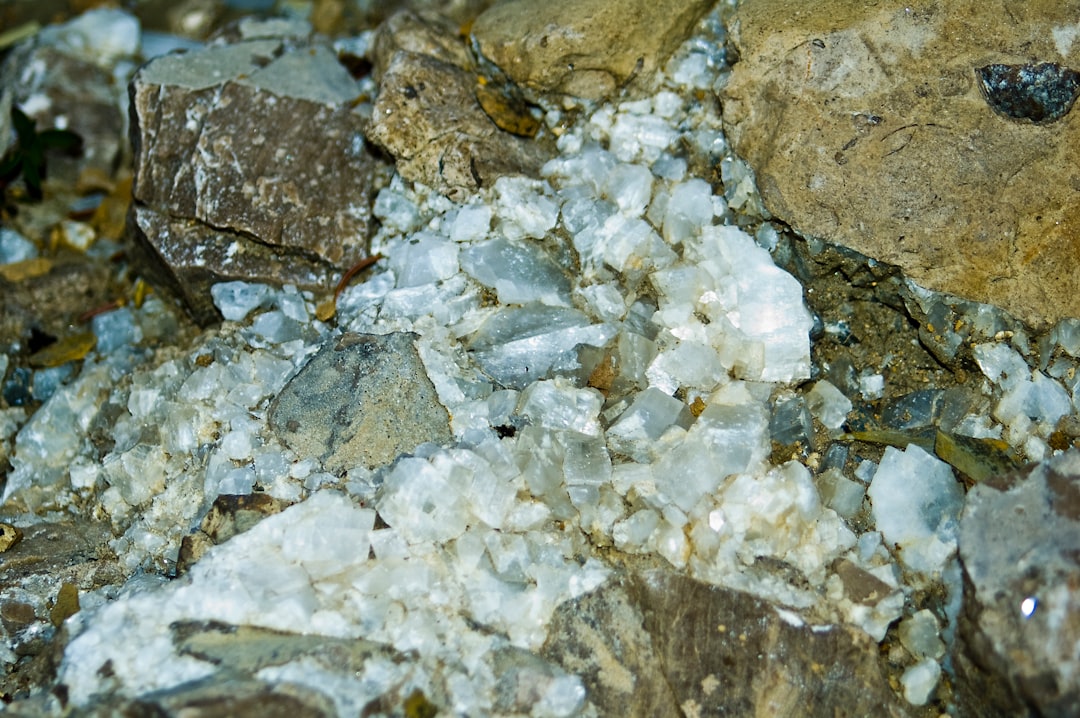
The Earth, a vibrant sphere teeming with life, conceals a profound secret within its rocky crust: an epic tale of transformation, stretching back billions of years. Exploring Earth’s geological history is akin to opening a colossal, multi-layered book, where each stratum of rock tells a story of shifting continents, volcanic fury, icy ages, and the slow, persistent rise of life. This journey through time is not merely an academic pursuit; it is an essential quest to understand the forces that shaped our planet and, by extension, ourselves.
The earliest chapters of Earth’s history are shrouded in mystery, a period so ancient that direct evidence is scarce. The Hadean Eon, named after the Greek god of the underworld, paints a picture of a fiery, hellish planet. Following its formation approximately 4.6 billion years ago, Earth was a molten ball, bombarded by asteroids and comets. The intense heat prevented the formation of a solid crust. Gradually, as the planet cooled, heavier elements like iron and nickel sank to the core, while lighter silicates rose to form the primitive crust. This eon also witnessed the crucial formation of the Moon, a cataclysmic event thought to have been caused by a Mars-sized protoplanet colliding with early Earth. The impact would have ejected vast amounts of material, which then coalesced to form our celestial companion.
The Violent Beginnings of a Planet
- Accretion and Differentiation: The Hadean was characterized by continuous accretion, the process where dust and gas particles gradually clumped together to form larger bodies. As Earth grew, gravitational forces compressed its interior, generating immense heat. This heat fueled a process called differentiation, where materials separated based on their density.
- The First Atmosphere and Oceans: While the planet was molten, volcanic outgassing released gases like water vapor, carbon dioxide, and nitrogen, forming a primordial atmosphere. As Earth cooled further, water vapor condensed, filling the nascent oceans. These early oceans were likely acidic, owing to the high concentration of volcanic gases.
- The Moon-Forming Impact: The Giant Impact Hypothesis remains the leading theory for the Moon’s formation. The massive collision would have melted large portions of both Earth and the impactor, sending debris into orbit. This debris then gradually accreted to form the Moon. The early Earth would have revolved much faster, with much shorter days, and experienced more extreme tides due to its closer proximity to the Moon.
The Archean Eon, commencing around 4 billion years ago, saw the Earth begin to stabilize. Continents, though perhaps smaller and more fragmented than today’s, started to form from volcanic activity and the accumulation of oceanic crust. The atmosphere began to evolve, with oxygen levels remaining exceedingly low. This was the era of the first life, simple, single-celled organisms that thrived in the anaerobic conditions of the planet’s hydrothermal vents and shallow seas. These early microbes, particularly cyanobacteria, would eventually play a monumental role in transforming the planet’s atmosphere.
The Genesis of Life and the First Continents
- Formation of Protocontinents: The Archean crust was thinner and more mobile than today’s. Volcanic activity was widespread, and these eruptions contributed to the formation of small continental fragments known as protocontinents. These fragments gradually collided and coalesced over millions of years.
- The Rise of Stromatolites: The most significant biological discovery of the Archean is the evidence for early life in the form of stromatolites. These are layered structures formed by the growth of cyanobacteria, which trapped and bound sediment. Stromatolites are found in ancient rock formations and represent some of the oldest evidence of life on Earth.
- Anaerobic Respiration and Photosynthesis: The earliest forms of life were likely anaerobic, meaning they did not require oxygen. Many were chemosynthetic, deriving energy from chemical reactions, particularly around volcanic vents. The evolution of photosynthesis by cyanobacteria, however, marked a pivotal turning point, as it began to release oxygen as a byproduct.
The study of Earth’s geological past provides crucial insights into the planet’s evolution and the various factors that have shaped its environment over millions of years. A fascinating article that explores the implications of these geological changes in the context of space exploration is available at this link: The End of Peaceful Space Exploration: A New Era Begins. This piece delves into how our understanding of Earth’s history may influence future missions beyond our planet, highlighting the interconnectedness of geological processes and space exploration.
The Proterozoic Eon: A Planet in Transition
The Proterozoic Eon, spanning from 2.5 billion to 541 million years ago, represents a vast and transformative period. It was during this eon that Earth began to take on a more recognizable form. The continents grew larger, joined together to form supercontinents, and then broke apart in a cyclical process of plate tectonics. The most significant event of the Proterozoic, however, was the Great Oxidation Event, a dramatic increase in atmospheric oxygen levels, primarily driven by the photosynthetic activity of cyanobacteria. This event had profound consequences, leading to the extinction of many anaerobic life forms and paving the way for the evolution of more complex, oxygen-breathing organisms. The Proterozoic also witnessed the first evidence of multicellular life.
The Great Oxidation Event and its Consequences
- The Oxygen Revolution: For billions of years, Earth’s atmosphere was virtually devoid of free oxygen. Cyanobacteria, through photosynthesis, gradually released oxygen into the oceans and atmosphere. Initially, this oxygen reacted with dissolved iron, forming vast banded iron formations, a testament to this early oxygenation. Once the iron was saturated, oxygen began to accumulate in the atmosphere.
- Mass Extinction and Evolution: The rise of oxygen was toxic to many existing anaerobic organisms, leading to a major extinction event. However, it also created new ecological niches and drove the evolution of aerobic respiration, a much more efficient way to produce energy. This set the stage for the development of more complex life forms.
- The Snowball Earth Hypothesis: The Proterozoic may have experienced at least two periods of extreme glaciation, known as “Snowball Earth” events. During these times, the entire planet may have been covered in ice, from pole to pole. The mechanisms that triggered and ended these ice ages are still debated, but they likely involved complex interactions between atmospheric greenhouse gases, albedo (reflectivity), and tectonic activity.
The Emergence of Multicellularity
- From Single Cells to Colonies: The transition from single-celled to multicellular organisms was a gradual but revolutionary process. Early multicellularity likely involved cells living in colonies, where they benefited from cooperation.
- The First Animals: The Ediacaran biota, appearing in the late Proterozoic, represents the earliest known complex multicellular organisms. These were soft-bodied creatures, with unique body plans that differ from modern animals. Their exact evolutionary relationships are still a subject of intense research.
The Phanerozoic Eon: The Age of Visible Life

The Phanerozoic Eon, beginning 541 million years ago and continuing to the present, is characterized by the proliferation of complex life forms with hard shells, skeletons, and eventually, diverse land plants and animals. This eon is further divided into three eras: the Paleozoic, Mesozoic, and Cenozoic. Each era witnessed specific evolutionary innovations, dramatic geological changes, and significant extinction events that reshaped the biosphere. The Phanerozoic is where the fossil record becomes incredibly rich, offering a detailed chronicle of life’s diversification.
Understanding Earth’s geological past is crucial for comprehending the processes that have shaped our planet over millions of years. A fascinating article that delves into this topic is available at Navigating International Relations, which explores how historical events influence current dynamics. By examining the geological changes that have occurred, we can gain insights into the environmental challenges we face today and the strategies needed to address them.
The Paleozoic Era: The Cambrian Explosion and Beyond
The Paleozoic Era, from 541 to 252 million years ago, began with the “Cambrian Explosion,” a relatively rapid period of diversification of animal life. Within tens of millions of years, most major animal phyla appeared in the fossil record. This was followed by the colonization of land by plants and animals, the formation of vast coal swamps, and the eventual collision of continents to form the supercontinent Pangaea. The Paleozoic ended with the Permian-Triassic extinction event, the most severe extinction in Earth’s history, which wiped out an estimated 96% of marine species and 70% of terrestrial vertebrate species.
The Cambrian Explosion: A Burst of Biodiversity
- The Dawn of Hard Parts: The Cambrian saw the widespread evolution of hard parts, such as shells and exoskeletons. This not only provided protection but also allowed for new modes of locomotion and predation.
- The Rise of New Body Plans: The Cambrian strata reveal an astonishing array of new body plans. Trilobites, ancient arthropods, dominated the oceans. Early chordates, the precursors to vertebrates, also emerged.
- Ecological Innovations: The Cambrian explosion wasn’t just about new species; it was also about new ecological interactions, with the development of predator-prey relationships and complex food webs.
Ordovician and Silurian: Life on the Move
- Marine Dominance: The Ordovician and Silurian periods saw continued diversification of marine life, including the rise of jawless fish and the first terrestrial plants.
- The Colonization of Land: The Silurian marked a major milestone: the first evidence of plants and arthropods venturing onto land. This was a crucial step in Earth’s biological history, opening up vast new ecological frontiers.
Devonian and Carboniferous: The Age of Fish and Forests
- The Age of Fishes: The Devonian is aptly named the “Age of Fishes,” with a spectacular diversification of fish, including the evolution of lobe-finned fish, which are ancestral to land vertebrates.
- The Great Coal Swamps: The Carboniferous period was characterized by vast, swampy forests dominated by giant ferns and early seed plants. The burial of this organic matter under anaerobic conditions led to the formation of the extensive coal deposits we mine today. This period also saw the evolution of the first winged insects and the transition of vertebrates to land-dwelling amphibians.
The Permian: The Great Dying
- Pangaea Forms: The end of the Paleozoic saw the formation of the supercontinent Pangaea, a landmass that would dominate Earth’s geography for millions of years.
- Cataclysmic Extinction: The Permian-Triassic extinction, often called “The Great Dying,” was a devastating event. The exact causes are still debated, but likely involved massive volcanic eruptions in Siberia, leading to widespread climate change, ocean acidification, and anoxia.
The Mesozoic Era: The Age of Reptiles and the Rise of Dinosaurs
The Mesozoic Era, from 252 to 66 million years ago, is famously known as the “Age of Reptiles,” dominated by the reign of dinosaurs. This era began with the recovery from the Permian extinction and witnessed the breakup of Pangaea, the diversification of flowering plants, and the evolution of birds. The Mesozoic ended rather abruptly with another massive extinction event, the Cretaceous-Paleogene (K-Pg) extinction, famously attributed to an asteroid impact.
Triassic: A Time of Recovery and New Beginnings
- Rebuilding the Biosphere: Following the Permian extinction, life slowly began to recover. New groups of reptiles, including early dinosaurs and mammals, emerged.
- Pangaea Dominates: The supercontinent Pangaea was fully intact, influencing global climate and ocean currents.
Jurassic: The Reign of Giants
- The Dinosaur’s Zenith: The Jurassic period witnessed the evolution of the largest land animals ever to walk the Earth: the sauropod dinosaurs, characterized by their long necks and tails.
- The Arrival of Birds: The discovery of Archaeopteryx, a feathered dinosaur fossil, provided crucial evidence for the evolutionary link between dinosaurs and birds.
- Marine Reptiles: The oceans were also ruled by giant marine reptiles like ichthyosaurs and plesiosaurs.
Cretaceous: Flowering Plants and the Final Act
- The Evolution of Flowering Plants: The Cretaceous period saw the remarkable diversification of flowering plants (angiosperms), which co-evolved with insects and other pollinators.
- Mammals Begin to Thrive: While still relatively small, mammals diversified significantly during the Cretaceous, adapting to various ecological niches.
- The K-Pg Extinction: The extinction event that marked the end of the Cretaceous was caused by a massive asteroid impact in the Yucatan Peninsula. This event dramatically altered the global climate, leading to widespread fires, tsunamis, and a prolonged period of darkness due to atmospheric dust.
The Cenozoic Era: The Age of Mammals and the Rise of Humanity
The Cenozoic Era, from 66 million years ago to the present, is the era we currently inhabit. Following the K-Pg extinction, mammals rapidly diversified and evolved to fill the ecological niches left vacant by the dinosaurs. This era has witnessed significant climate fluctuations, including ice ages, and the gradual evolution of our own species, Homo sapiens. The ongoing geological processes continue to shape the planet, from volcanic mountain building to the slow drift of continents.
Paleogene: The Great Mammalian Radiation
- Filling the Void: With the dinosaurs gone, mammals underwent an explosive diversification, evolving into a wide array of forms, from small shrew-like creatures to the ancestors of whales, bats, and primates.
- The Rise of Birds: Birds also diversified rapidly, taking to the skies in a multitude of forms.
- Climate Shifts: The Paleogene saw significant climate changes, including a warming trend followed by a cooling period.
Neogene: Continents Take Shape and Ice Ages Begin
- Modern Continents Emerge: The continents continued to drift and collide, forming mountain ranges like the Alps and the Himalayas.
- The Evolution of Grasslands: The Neogene witnessed the expansion of grasslands, leading to the evolution of grazing mammals like horses and bovids.
- The Dawn of Ice Ages: The Earth entered an era of repeated glaciations, with vast ice sheets advancing and retreating across the continents.
Quaternary: The Ice Ages and the Anthropocene
- Pleistocene Ice Ages: The Pleistocene epoch was characterized by a series of glacial cycles, with dramatic fluctuations in sea level and climate.
- **The Evolution of Homo sapiens:** Human evolution took place primarily during the Quaternary, with the emergence and spread of our species across the globe.
- The Anthropocene (Hypothesized): Many scientists argue that we are now living in a new geological epoch, the Anthropocene, characterized by the profound and pervasive impact of human activities on Earth’s geology, ecosystems, and atmosphere.
The exploration of Earth’s geological history is an ongoing endeavor, continually revealing new insights into the planet’s dynamic past. Each rock layer, fossil, and geological formation provides a piece of this grand narrative, allowing us to understand the immense timescales involved and the intricate interplay of geological forces and biological evolution that have shaped our world. As we continue to delve deeper, we not only gain knowledge about our planet but also a profound appreciation for the resilience and adaptability of life itself, and our own place within this epic, unfolding story.

When the Mediterranean Became a Desert | The Messinian Salinity Crisis Explained

FAQs
What is Earth’s geological past?
Earth’s geological past refers to the history of the planet’s formation, its changing landscapes, and the evolution of life over billions of years. It includes the study of geological processes, such as plate tectonics, erosion, and volcanic activity, as well as the fossil record and the impact of past climate changes.
How old is Earth’s geological past?
Earth’s geological past dates back approximately 4.6 billion years, to the formation of the planet. The study of Earth’s geological past encompasses the vast expanse of time from its early formation to the present day.
What evidence is used to study Earth’s geological past?
Scientists use a variety of evidence to study Earth’s geological past, including rock formations, fossils, isotopic dating, and the analysis of sediment layers. These provide insights into the processes that have shaped the planet and the life forms that have inhabited it over time.
What major events have shaped Earth’s geological past?
Major events that have shaped Earth’s geological past include the formation of the planet, the development of the atmosphere and oceans, the movement of tectonic plates, the impact of meteorites, and the evolution of life. These events have had a profound impact on the planet’s geology and the diversity of life forms.
Why is studying Earth’s geological past important?
Studying Earth’s geological past is important for understanding the planet’s history, the processes that have shaped it, and the evolution of life. It also provides valuable insights into the Earth’s future, including the potential impact of climate change and the sustainability of natural resources.