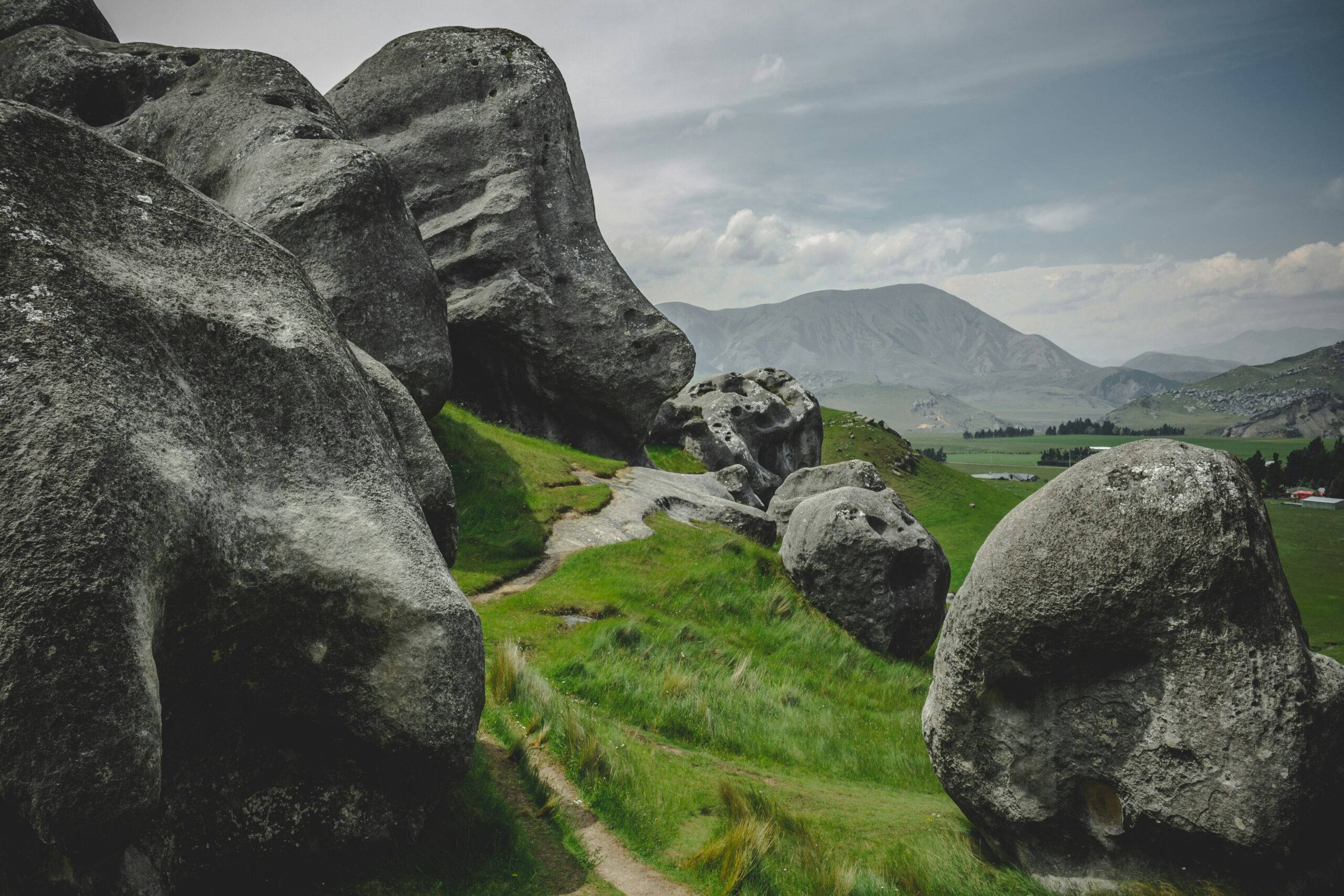
The study of geology, a discipline that unravels the Earth’s history and composition, often leads its practitioners to fascinating discoveries. Among these are foreign boulders, enigmatic masses of rock whose presence in a geological setting deviates from the expected lithology. These geological wanderers, transported across significant distances by a variety of powerful natural forces, offer invaluable insights into past environments, geological processes, and even the movement of continents. Exploring these foreign bodies is not merely an academic exercise; it is akin to deciphering cryptic messages left by ancient Earth systems, revealing stories of ice ages, mighty rivers, volcanic cataclysms, and the slow, inexorable dance of tectonic plates. Geologists, armed with an array of analytical tools and a keen observational eye, embark on expeditions to identify, characterize, and interpret the provenance of these misplaced rocks, piecing together a grander narrative of our planet’s dynamic past.
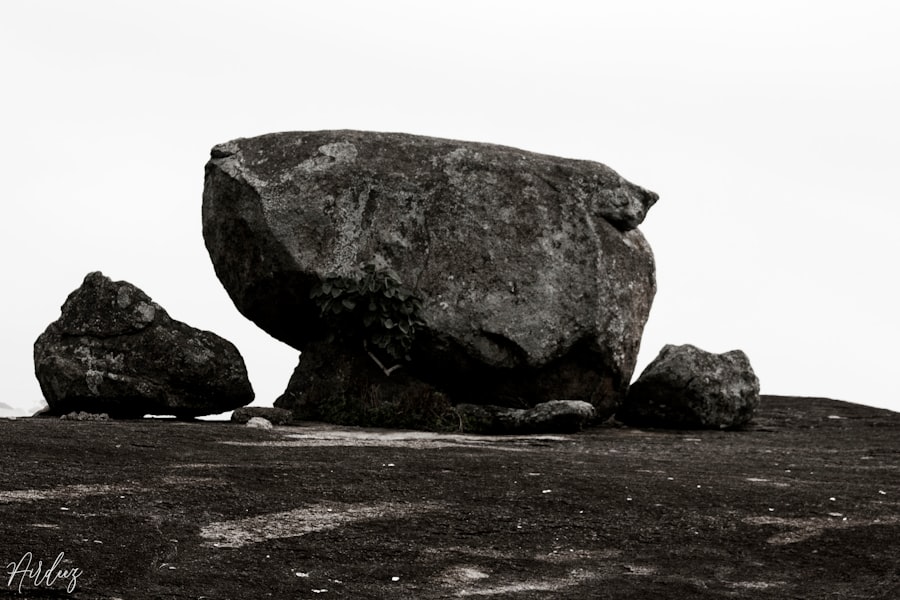
The very concept of a “foreign boulder” hinges on the expectation of what should be present in a particular geological context. Geologists meticulously map and study the local bedrock, understanding its formation, age, and mineralogical makeup. When a boulder of a distinctly different rock type appears, it immediately flags as anomalous. These boulders are not simply out of place; they represent a geological anomaly that demands explanation. Their significance lies in this very displacement, as it implies the involvement of powerful geological agents capable of transporting material over distances that often dwarf human comprehension.
Lithological Discordance: The First Clue
The most immediate indicator of a foreign boulder is its lithological discordance. This refers to the significant difference in rock type compared to the surrounding bedrock. For instance, finding a large granite boulder embedded within a formation of sedimentary limestone immediately raises questions. Granite forms through slow cooling of molten rock deep within the Earth, while limestone typically precipitates from marine environments. Their disparate origins and formation processes make their co-occurrence in this manner highly unusual and suggestive of an external agent of transport.
Identifying the Local Norm: Bedrock Mapping
Before any foreign boulder can be identified, a thorough understanding of the local bedrock is paramount. Geologists engage in extensive bedrock mapping, a process that involves identifying and delineating different rock units in the field based on their lithology, structure, and stratigraphy. This foundational work establishes the baseline against which any anomalies are measured. Without a clear picture of the “native” rock, the significance of a “foreign” specimen is lost.
Mineralogical and Textural Analysis: Distinguishing Features
Once a potential foreign boulder is identified, detailed mineralogical and textural analysis becomes crucial. These analyses involve examining the size, shape, and arrangement of mineral grains within the rock, as well as identifying the specific minerals present. Differences in these characteristics between the boulder and the local bedrock provide concrete evidence of their distinct origins. For example, the presence of specific minerals like olivine in a boulder within a granitic region might point to an ultramafic source, a rock type not typically found locally.
Size Matters: The Scale of Transport
The size of a boulder, while seemingly a simple observation, plays a critical role in understanding its transport mechanism. Smaller rocks can be moved by a wider range of forces, but the presence of genuinely massive boulders signifies incredibly powerful geomorphic agents. A boulder weighing many tons, for instance, cannot be explained by simple erosion or wind action; it necessitates the involvement of colossal forces like glaciers or significant hydrological events.
Megaclasts and Their Implications
Boulders that exceed a certain size threshold are often termed “megaclasts.” The presence of megaclasts in a deposit, especially when their lithology is foreign to the immediate surroundings, strongly hints at glacial transport. Glaciers, with their immense weight and erosive power, are capable of plucking and transporting enormous rock fragments over vast distances, depositing them in areas far removed from their original source. The sheer scale of glacial erratics, as these transported boulders are often called, is a testament to the power of these frozen rivers.
The Threshold of Significance: Defining “Boulder”
In geological discourse, the term “boulder” itself can be somewhat fluid, but generally refers to a rock fragment larger than a certain diameter, often around 0.6 meters (2 feet). However, in the context of foreign boulders, the threshold of significance is often much higher, focusing on masses that are clearly too large to have been moved by localized fluvial processes or human intervention. The effort and energy required to displace such large objects are a primary focus of investigation.
In the fascinating field of geology, the study of foreign boulders can provide significant insights into past climatic conditions and geological processes. For an intriguing exploration of how ancient structures, such as the Seven Wonders of the Ancient World, were influenced by the natural landscape, you can read more in this article: Discovering the Seven Wonders of the Ancient World. This piece highlights the interplay between human achievement and the geological features that shaped these monumental constructions.
Glacial Giants: Evidence from the Ice Ages
Perhaps the most widespread and iconic examples of foreign boulders are glacial erratics. The Pleistocene ice ages dramatically reshaped landscapes across large parts of the world, and a hallmark of their passage is the scattering of rocks far from their origins. These erratics serve as direct fingerprints of glacial movement, allowing geologists to reconstruct the paths and extents of ancient ice sheets.
Glacial Erratics: The Fingerprints of Ice
Glacial erratics are rocks that have been transported by glaciers, often many hundreds of kilometers, and deposited when the ice melted. Their presence in areas not underlain by their parent bedrock is a clear indication of past glaciation. The sheer randomness of their distribution, coupled with their often polished and striated surfaces, are telltale signs of their icy journey.
Striations and Polishing: Scars of Transit
When glaciers move, they carry rocks and debris embedded in their ice. These sharp-edged fragments scrape and grind against the bedrock and against each other, leaving behind characteristic features on the transported rocks. Striations, or parallel grooves, and polishing are common signs of this glacial abrasion. A foreign boulder bearing these marks provides compelling evidence of its passage through a glacial environment.
Till Deposits: The Matrix of Transport
Foreign boulders are often found within glacial till, a poorly sorted and unstratified deposit of clay, silt, sand, gravel, and boulders that is directly deposited by glacial ice. The till matrix acts as a binder, holding the erratics in place and providing further context for their origin. The lithological variations within a till deposit can sometimes reveal multiple source areas for the transported material.
Reconstructing Ice Flow: Tracing the Source
By identifying numerous erratics of the same lithology over a wide area, geologists can work backward to pinpoint their source bedrock. This process is crucial for understanding the direction and extent of ancient ice flow. Mapping the distribution of specific erratic types allows for the reconstruction of paleo-ice sheets, providing insights into the paleoclimate and the dynamics of glacial expansion and retreat.
Source Area Determination: The Detective Work
The detective work involved in determining the source area of erratics is a core aspect of glacial geology. It requires extensive field sampling, laboratory analysis of rock samples, and comparison with known bedrock formations in upstream regions. Anomalies in the distribution of specific rock types can sometimes hint at previously unknown bedrock outcrops or areas of pre-glacial weathering.
Moraines and Meltwater Deposits: Further Clues
The landforms created by glaciers, such as moraines (ridges of deposited till) and outwash plains (formed by meltwater streams), often contain a wealth of foreign boulders. Studying the composition of these landforms provides additional information about the type and provenance of the material that was transported by the ice.
Rivers of Rage: Evidence from Ancient Alluvial Systems
While glaciers are the most dramatic transporters of large foreign boulders, ancient river systems, particularly during periods of intense flooding or significant landscape change, have also been responsible for moving substantial rock fragments. These alluvial deposits can contain boulders that have been eroded from upstream bedrock and carried downstream, sometimes over considerable distances.
Fluvial Transport: The Power of Water
Large rivers, especially during catastrophic flood events like those associated with glacier outburst floods or major storm systems, possess immense erosive and transportational power. They can dislodge and carry rocks of considerable size, depositing them as they lose energy downstream or during periods of reduced flow.
Flood Deposits: Evidence of Cataclysmic Events
The geological signature of extreme fluvial events often includes thick deposits of sediment and large boulders that are out of character with the finer-grained, more typical stream deposits. These flood deposits can contain foreign boulders that were eroded from distant upstream sources, providing evidence of powerful hydrological regimes in the past.
Paleodrainage Networks: Mapping Ancient Rivers
By studying the stratigraphy and sedimentology of ancient river systems, geologists can reconstruct paleodrainage networks. The presence of foreign boulders within these ancient fluvial deposits helps to define the extent of these river systems and the source areas from which the transported material originated.
Allochthonous Cobbles and Boulders: Signatures of Origin
The presence of “allochthonous” (meaning derived from elsewhere) cobbles and boulders in river deposits is a key indicator of fluvial transport. Their lithology, size, and shape can provide clues to the geological terranes that were drained by the ancient river system.
Sediment Provenance Studies: Tracing the Origins
Sediment provenance studies, which analyze the origin and history of sedimentary material, are directly applicable to understanding foreign boulders in fluvial settings. By examining the mineralogy and lithology of the boulder, geologists can infer the type of source rock from which it was derived and the geological history of that source region.
The Role of Base Level Change: Influencing Transport
Changes in base level, such as sea-level fluctuations or tectonic uplift, can significantly alter river gradients and erosive power, influencing the distance and size of boulders that can be transported. Understanding these large-scale environmental changes is crucial for interpreting the presence of foreign boulders in fluvial deposits.
Volcanic Voyages: Ash Falls and Lahars
Volcanic activity, with its explosive eruptions and colossal pyroclastic flows, is another potent force capable of transporting rock fragments far from their source. Ejected volcanic bombs, ashfall deposits containing exotic lithologies, and lahars (volcanic mudflows) can all contribute to the presence of foreign boulders in unexpected locations.
Pyroclastic Deposits: Ejecta from the Fiery Depths
Volcanic eruptions can eject molten rock fragments, known as bombs, which can land relatively close to the vent, but larger-scale pyroclastic flows, superheated mixtures of gas, ash, and rock fragments, can travel for hundreds of kilometers, carrying significant amounts of foreign material.
Volcanic Bombs and Blocks: Direct Ejection
Directly ejected volcanic bombs and blocks, characterized by their streamlined or angular shapes and often vesicular textures, can be found in deposits surrounding volcanoes. If these fragments are of a lithology distinct from the surrounding bedrock, they are considered foreign introductions.
Ashfall and Tephra Layers: Distant Dispersal
Fine volcanic ash, or tephra, can be carried for thousands of kilometers by wind currents. While individual ash particles are microscopic, their accumulation can form thick layers. Within these tephra layers, larger lithic fragments, derived from the fragmentation of the volcanic edifice or country rock, can be present as foreign boulders.
Lahars: The Mudflows of Destruction
Lahars, rapidly flowing mixtures of volcanic debris and water, are capable of transporting massive boulders over significant distances. These mudflows can scour valleys and deposit their enormous cargo in new locations, creating a jumble of rocks that may bear little resemblance to the surrounding geology.
Scouring and Deposition: The Lahar Process
The erosive power of lahars is immense, allowing them to pick up and carry large rocks. As the lahar loses energy and slows down, these boulders are deposited, often forming chaotic accumulations known as lahar deposits. The lithology of these boulders can provide clues to the volcanic source rock and the terrain over which the lahar flowed.
Dating Volcanic Events: Chronological Markers
The deposits associated with volcanic activity, including those containing foreign boulders, can often be dated using radiometric techniques. This allows geologists to place these geological events within a chronological framework, correlating them with other geological occurrences and paleoclimatic data.
In the study of geology, the presence of foreign boulders can provide significant insights into past geological events and the movement of materials across landscapes. These boulders, often transported by glacial activity, can tell a story about the climate and environmental conditions of ancient times. For a fascinating exploration of how ancient civilizations managed water and shaped their environments, you can read more about it in this article on hydraulic engineering marvels. Understanding these engineering feats can enhance our appreciation of how humans have interacted with their geological surroundings throughout history. To learn more, visit this link.
Tectonic Travelers: Crustal Movements and Exotic Terranes
| Boulder Type | Origin | Composition |
|---|---|---|
| Erratic Boulders | Transported by Glaciers | Various types of rock |
| Exotic Boulders | Transported by Rivers | Different from local bedrock |
| Foreign Boulders | Transported by Landslides | Can be from distant locations |
On the grandest geological scales, tectonic plate movements play a pivotal role in the displacement of rock masses. Processes like subduction, collision, and the accretion of exotic terranes can bring rocks from vastly different parts of the Earth’s crust and mantle into contact with one another, creating a mosaic of geological histories and introducing foreign boulders in a widespread sense.
Exotic Terranes: Islands of Different Rock Formations
Exotic terranes are fragments of continental crust or oceanic arcs that have been tectonically transported and accreted onto the margin of a larger continental plate. These terranes are often characterized by distinct lithologies, ages, and geological histories that differ significantly from the adjacent continental rocks.
Accretionary Processes: The Welding of Continents
The process of terrane accretion involves the collision of tectonic plates, where fragments of crust are scraped off and welded onto the leading edge of the overriding plate. This is a fundamental mechanism for building continents and is responsible for the presence of widely distributed foreign rock sequences.
Paleomagnetism and Geochemistry: Fingerprints of Origin
Paleomagnetic studies, which analyze the magnetic signatures preserved in rocks, and geochemical analyses, which examine the elemental and isotopic composition of rocks, are powerful tools for identifying and characterizing exotic terranes. These methods can reveal that rocks found in one location were formed in a completely different part of the world under different geological conditions.
Ophiolites: Fragments of Ancient Ocean Floor
Ophiolites are sequences of rocks that represent fragments of ancient oceanic crust and upper mantle that have been thrust onto continental crust during tectonic collisions. These can include large boulders of peridotite, gabbro, pillow lavas, and deep-sea sediments that are clearly foreign to the continental setting in which they are found.
Ocean-Continent Collisions: The Force of Interaction
The interaction between oceanic and continental plates during convergence leads to the uplift and emplacement of oceanic crustal material onto the continental margin. The resulting ophiolitic suites provide tangible evidence of past oceanic environments now juxtaposed with continental geology.
Mélange Units: Chaotic Mixtures of Rock
In active tectonic zones, large masses of rock can be deformed and mixed into chaotic mixtures known as mélange. These units can contain a wide variety of rock types, including large exotic blocks, representing the complex deformation and transport of crustal material during plate convergence.
Thrust Faults and Nappes: Duplication and Displacement
Thrust faulting, where large blocks of rock are pushed up and over other blocks, and the formation of nappes, which are large recumbent folds and thrust sheets, can transport rocks for hundreds of kilometers. This process can place older, deeply buried rocks on top of younger, shallower ones, and introduce lithologies that are foreign to the immediate stratigraphic context.
Understanding the Displacement: Reconstructing the Sequence
The study of thrust faults and nappes requires careful geological mapping and structural analysis to unravel the complex sequence of displacement. Identifying the original geological setting of these transported rock masses is key to understanding their “foreign” nature and provides insights into the immense forces involved in mountain building.
The Ongoing Dance: Plate Tectonics in Action
Plate tectonics is a continuous process, and the emplacement of foreign boulders through these mechanisms is an ongoing phenomenon. While the most dramatic examples might be ancient, the movement and interaction of tectonic plates continue to shape our planet, subtly and sometimes dramatically, introducing new geological juxtapositions.
Modern Accretionary Processes: Observable Evidence
While the large-scale accretion of exotic terranes may occur over geological timescales, observable processes like the formation of volcanic arcs at subduction zones and the ongoing deformation at continental margins provide modern analogues for understanding these ancient events and the introduction of foreign rock material.
The Dynamic Earth: A Constant State of Flux
The concept of a geologically static Earth is a misconception. The planet is in a constant state of flux, driven by the immense energies within its interior. The exploration of foreign boulders across various geological settings underscores this dynamism, revealing a history of cataclysmic events, slow but relentless movements, and a planet that is ever-changing. Each foreign boulder is a whisper from this dynamic past, inviting us to listen and learn.

The Boulder That Shouldn’t Exist
FAQs
What are foreign boulders in geology?
Foreign boulders in geology refer to large rock fragments that have been transported and deposited by glaciers, rivers, or other natural processes from a different source area. These boulders are often distinct from the surrounding bedrock and can provide valuable information about past geological events and processes.
How do foreign boulders differ from local bedrock?
Foreign boulders can differ from local bedrock in terms of composition, texture, and shape. They may have different mineralogy, color, and size compared to the surrounding rocks, indicating that they originated from a different geological formation.
What causes foreign boulders to be transported to a new location?
Foreign boulders can be transported to a new location by glacial ice, rivers, or landslides. Glaciers can carry boulders over long distances and deposit them as the ice melts, while rivers can transport boulders downstream during periods of high flow. Landslides can also move boulders downslope and deposit them in new locations.
How do geologists study foreign boulders?
Geologists study foreign boulders by analyzing their composition, shape, and orientation. They may use techniques such as petrography, geochemistry, and remote sensing to determine the origin of the boulders and the processes that transported them to their current location.
What can foreign boulders tell us about past geological events?
Foreign boulders can provide valuable information about past geological events such as glaciation, erosion, and tectonic activity. By studying the distribution and characteristics of foreign boulders, geologists can reconstruct the movement of glaciers, the history of river systems, and the effects of past geological processes on the landscape.