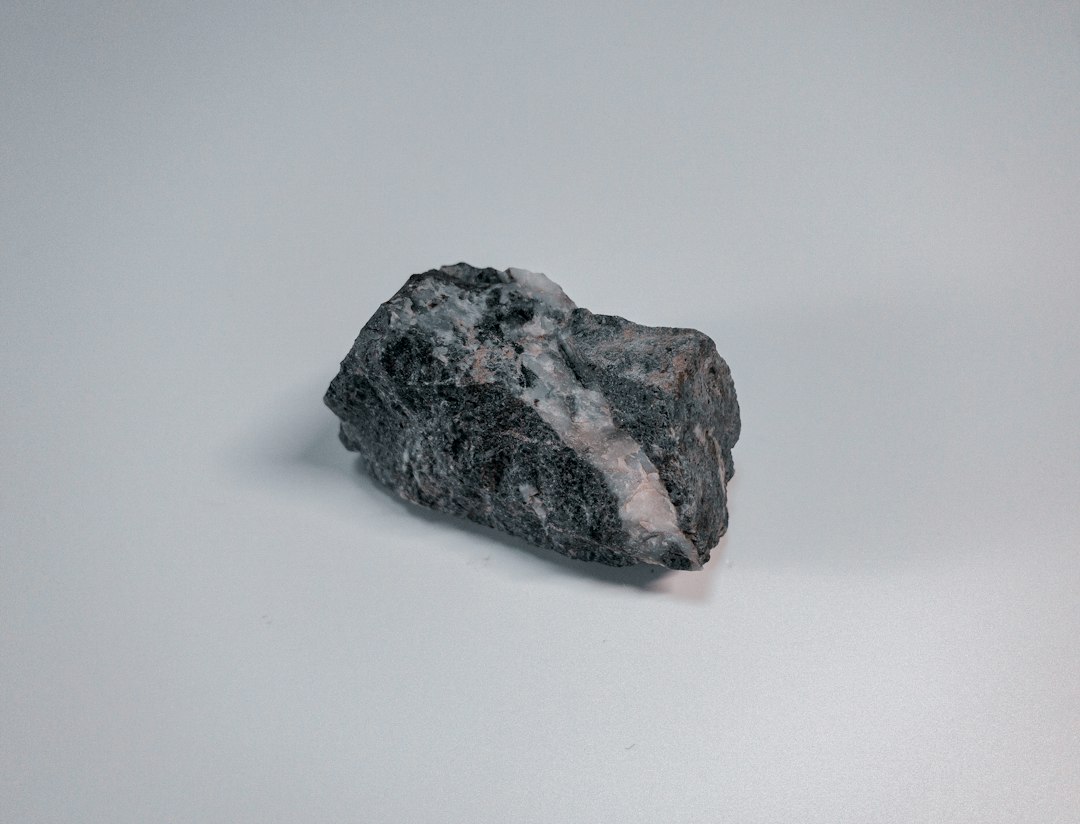
The Earth’s crust, often perceived as a solid and unyielding shell, is in reality a dynamic and complex system, fractured and interconnected far beyond what is immediately apparent on the surface. Deep beneath our feet, in realms inaccessible to direct human observation, lies a vast, intricate network of fractures, fissures, and faults that shape our planet’s geology, influence its resources, and harbor secrets about its inner workings. Exploring these fractured rock formations offers a profound glimpse into the immense forces that have sculpted our world over eons.
The creation of fractured rock is a testament to the constant, albeit often imperceptible, stresses acting upon the Earth’s lithosphere. These stresses originate from a multitude of sources, both internal and external to the planet, and their cumulative effect over geological timescales is the fragmentation of solid rock. Understanding these origins is the first step in appreciating the complexity of the subterranean world.
Tectonic Forces: The Grand Architects
The most significant drivers of rock fracturing are the colossal forces generated by plate tectonics. The Earth’s lithosphere is divided into several large and small plates that constantly move, interact, and collide. This relentless motion, powered by convection currents in the underlying mantle, generates immense pressures and shear forces within the crust.
Plate Boundaries: Sites of Intense Stress
The boundaries between these tectonic plates are zones of exceptionally high activity. Here, plates can:
- Converge: When plates collide, the immense compressive forces buckle, fold, and fracture the rock. Mountains are formed, and large-scale fault systems, like the San Andreas Fault, are created, characterized by extensive zones of fractured bedrock. The energy released during these collisions can manifest as earthquakes, further fracturing the already stressed rock.
- Diverge: As plates pull apart, tensional forces stretch and thin the crust. This stretching leads to the formation of faults, often normal faults, where large blocks of rock move relative to each other, creating significant fracturing. Mid-ocean ridges and continental rift valleys are prime examples of these extensional environments.
- Transform: Plates slide past each other horizontally. While this movement might seem less disruptive, the friction and irregularities along these plate boundaries generate immense shear stress, leading to pervasive fracturing and complex fault networks.
Intraplate Stress: Beyond the Boundaries
Fracturing is not confined solely to plate boundaries. Even within the relatively stable interiors of tectonic plates, stresses can accumulate due to:
- Mantle Plumes: Upwellings of superheated rock from the deep mantle can exert upward pressure, causing the overlying lithosphere to stretch and fracture.
- Isostatic Adjustment: As large ice sheets melt or erode large volumes of rock, the crust, no longer bearing the same weight, can rebound. This isostatic adjustment causes stresses that can lead to fracturing.
- Remnant Stresses: Ancient tectonic events can leave behind residual stresses within the crust that can be reactivated by more recent geological processes, leading to renewed fracturing.
Other Processes Contributing to Fracturing
While tectonic forces are the primary sculptors of fractured rock, other geological processes also play a crucial role:
- Volcanic Activity: The intrusion of magma, the eruption of lava, and the rapid cooling of volcanic rocks all generate stresses that lead to fracturing. Columnar jointing, a common feature in basaltic lava flows, is a classic example of cooling-induced fracturing.
- Erosion and Weathering: While these processes primarily affect the surface, their long-term effects can influence subsurface rock integrity. The removal of overburden can lead to stress release and subsequent fracturing in deeper rock layers.
- Diagenesis and Lithification: The processes that transform loose sediment into solid rock can involve significant compaction and cementation, which can also induce fracturing, especially in layered sedimentary sequences.
- Hydrothermal Alteration: The circulation of hot, chemically active fluids through rock can weaken and fracture it, as well as alter its mineral composition.
Recent studies have highlighted the complexities of fractured rock deep beneath the Earth’s surface, revealing how these geological formations can impact various engineering projects and natural resource extraction. For an intriguing perspective on how similar challenges are being addressed in extraterrestrial environments, you can explore the article on lunar infrastructure development. This piece discusses the potential for securing a lunar power grid, which may face analogous geological hurdles. To read more about this innovative approach, visit this article.
The Geometry and Character of Subsurface Fractures
The fractures found deep below the Earth’s surface are not simply random cracks. They exhibit a complex geometry and possess distinct characteristics that are dictated by the type of rock, the prevailing stress regime, and the history of the region. Understanding these attributes is vital for fields ranging from resource exploration to underground construction.
Types of Fractures
Geologists classify fractures based on their formation mechanisms and morphology:
- Faults: These are fractures along which there has been significant displacement of rock masses. Faults can vary in scale from microscopic to hundreds of kilometers long and are typically associated with seismic activity. They can be:
- Strike-slip faults: Characterized by horizontal movement parallel to the fault trace.
- Normal faults: Where the hanging wall has moved down relative to the footwall, indicating extensional forces.
- Reverse or Thrust faults: Where the hanging wall has moved up relative to the footwall, indicating compressional forces.
- Joints: These are fractures where there has been little to no displacement. Joints are typically formed by tensile stresses, such as those caused by cooling, unloading, or tectonic extension. They can occur in sets, often with a preferred orientation.
- Shear Fractures: These are fractures that form under shear stress, where rock masses slide past each other. They can occur independently of larger faults, especially in more homogeneous rock masses.
Fracture Networks: Interconnected Systems
Rarely do fractures exist in isolation. Instead, they often form interconnected networks. These networks can be:
- Homogeneous: Characterized by fractures of similar size, orientation, and spacing, often found in uniform rock types.
- Heterogeneous: Exhibiting a wide range of fracture properties, influenced by variations in rock strength, stress distribution, and the presence of pre-existing structural weaknesses.
- Hierarchical: Where larger, dominant fractures serve as conduits for smaller, secondary fractures, creating a complex, multi-scale system.
Fracture Properties: Influencing Subsurface Behavior
The physical and chemical properties of fractures significantly influence how fluids and energy move through the subsurface:
- Aperture: The width of a fracture. A larger aperture generally allows for greater fluid flow.
- Roughness: The unevenness of the fracture surfaces. Roughness affects the tortuosity of fluid flow paths and the shear strength of the fracture.
- Persistence: The lateral extent of a fracture. Long, persistent fractures act as major conduits.
- Fill Material: Fractures can be open or filled with various materials such as minerals precipitated from fluids (veins), clay, or rock fragments (gouge). Fill material can significantly reduce or completely block fluid flow.
- Connectivity: The degree to which fractures are linked to each other. High connectivity facilitates the movement of fluids and heat over larger distances.
The Significance of Fractured Rock for Earth Systems
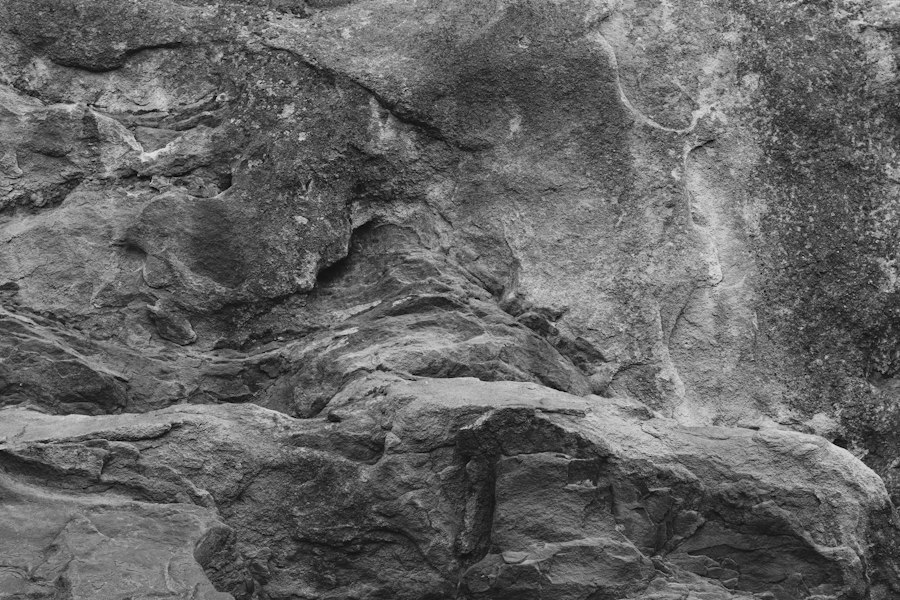
The presence and characteristics of fractured rock deep below the surface have profound implications for a wide array of Earth systems and processes. These fractured zones are not inert voids but active participants in the planet’s dynamic cycles.
Groundwater Flow and Hydrogeology
Fractured rock formations play a critical role in the storage and movement of groundwater. While porous and permeable rocks like sandstones and limestones are primary aquifers, fractured rocks can act as significant conduits, especially in otherwise impermeable formations.
- Dominant Flow Paths: In many hard rock environments, groundwater flow is primarily controlled by the fracture network. Water infiltrates the surface, seeps down, and preferentially follows open, connected fractures.
- Aquifer Characterization: Understanding the fracture network is essential for characterizing aquifers in crystalline rocks, such as granite, or in fractured shales. This knowledge is crucial for:
- Water Resource Management: Identifying sustainable sources of groundwater.
- Contaminant Transport: Predicting how pollutants might spread through the subsurface.
- Geothermal Energy: Locating and exploiting geothermal resources that rely on heated groundwater circulating through fractures.
- Low Permeability Zones: Conversely, heavily fractured zones that are filled with clay or fine-grained material can act as barriers to groundwater flow, influencing regional hydrological patterns.
Petroleum and Natural Gas Reservoirs
Many of the world’s most significant petroleum and natural gas reservoirs are found within fractured rock formations. Fractures can enhance the productivity of reservoirs in several ways:
- Enhanced Permeability: In rocks with low matrix permeability, such as tight shales, natural fractures can act as the primary pathways for hydrocarbons to flow from the source rock to the wellbore.
- Storage and Migration: Fractures can also serve as storage spaces for hydrocarbons and as migration pathways from deeper source rocks.
- Reservoir Engineering: The exploitation of fractured reservoirs requires specialized techniques to account for the complex flow behavior dictated by the fracture network. Understanding the orientation, aperture, and connectivity of fractures is paramount for efficient drilling and production.
Geothermal Energy Systems
The Earth’s internal heat is a vast and largely untapped energy resource. Fractured rock formations are central to the extraction of this geothermal energy.
- Hydrothermal Systems: In many geothermal areas, hot water and steam circulate through fractured rock. These fractures act as conduits, bringing heat from deeper within the Earth to shallower depths where it can be accessed.
- Enhanced Geothermal Systems (EGS): In regions lacking naturally occurring permeable and fractured rock, EGS technology aims to create artificial fracture networks by injecting fluid under high pressure into hot, dry rock. This artificially fractured rock can then be used to circulate water and extract heat.
- Resource Assessment: Identifying and characterizing fracture networks is a critical step in assessing the potential of a geothermal resource.
Underground Construction and Mining
The integrity and behavior of fractured rock are paramount considerations for any underground construction project, from tunnels and mines to underground waste repositories.
- Stability: The presence of weak or unstable fractures can pose significant risks to the structural integrity of underground excavations. Understanding the orientation and connectivity of fractures is crucial for designing safe and stable structures.
- Water Ingress: Fractures can serve as pathways for water to enter underground openings, leading to flooding, increased excavation costs, and potential damage to infrastructure.
- Rock Mass Classification: Engineers use various rock mass classification systems that incorporate the density, orientation, and aperture of fractures to assess the overall stability and excavability of the rock.
Exploring the Deep Subsurface: Techniques and Challenges
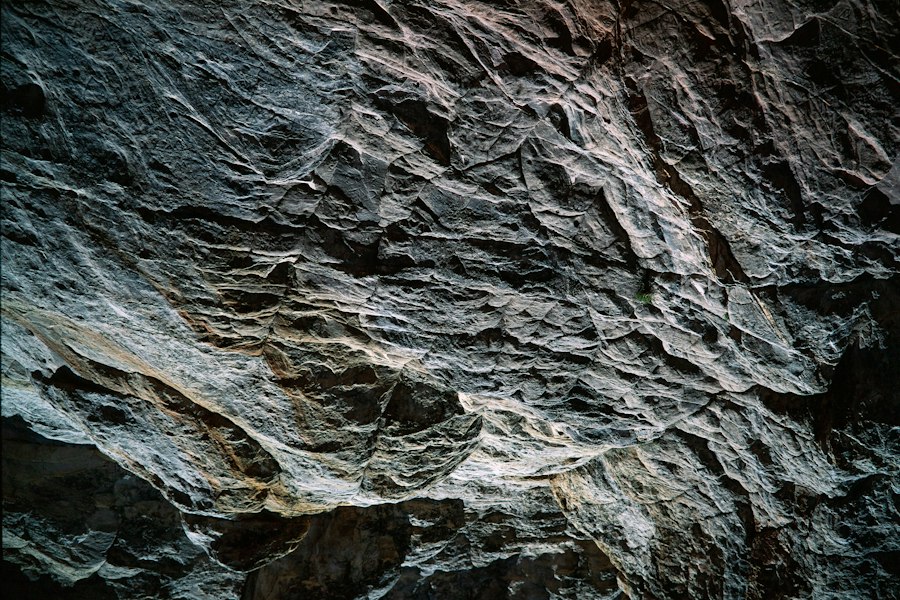
Directly observing and studying fractured rock deep below the Earth’s surface presents formidable challenges. The extreme pressures, temperatures, and inaccessible nature of these environments necessitate the development and application of specialized techniques.
Geophysical Methods: Peering Through Rock
Geophysical techniques utilize the physical properties of rocks to infer subsurface structures and characteristics without direct physical access.
- Seismic Surveys: By analyzing the reflection and refraction of seismic waves (generated by artificial sources like vibroseis trucks or natural earthquakes), geophysicists can map out subsurface layers, faults, and fracture zones. Different wave velocities and amplitudes can indicate the presence of fractures.
- Seismic Reflection: Useful for imaging large-scale structures like faults and major fracture corridors.
- Seismic Refraction: Can provide information about the depth and velocity structure of the subsurface.
- Full Waveform Inversion (FWI): A more advanced technique that uses the entire seismic waveform to create high-resolution images of the subsurface, potentially revealing finer fracture details.
- Electrical and Electromagnetic Methods: These methods exploit variations in the electrical resistivity of rocks, which can be influenced by the presence of water-filled fractures or conductive mineral deposits within fractures.
- Electrical Resistivity Tomography (ERT): Creates 2D or 3D images of resistivity variations.
- Magnetotellurics (MT): Uses natural electromagnetic fields to probe deeper subsurface structures, including fracture zones.
- Gravity and Magnetic Surveys: While less direct, these methods can identify anomalies in the Earth’s gravitational and magnetic fields that may be associated with subsurface geological structures, including fault zones.
Borehole Investigations: Direct Access to the Subsurface
Boreholes provide direct physical access to the subsurface, allowing for detailed examination of rock formations and their fracture systems.
- Core Sampling: Drilling and extracting rock cores provide physical samples that can be analyzed in the laboratory for mineralogy, rock strength, and detailed fracture characterization.
- Borehole Imaging: Specialized tools are lowered into boreholes to create visual images of the borehole wall.
- Optical Televiewer: Provides high-resolution acoustic or optical images of the borehole wall, revealing fractures, bedding planes, and other geological features.
- Electrical Imaging: Measures electrical properties along the borehole wall, which can help identify fluid-filled fractures.
- Downhole Geophysics: A suite of geophysical tools can be lowered into boreholes to measure various physical properties, such as acoustic velocity, density, and electrical resistivity, providing detailed information about the rock and its fractures.
- Hydraulic Testing: In boreholes, hydraulic tests (like packer tests or slug tests) are performed to measure the permeability and flow characteristics of the rock mass and its fractures.
Remote Sensing and Surface Analogues
While direct observation of deep fractures is impossible, surface features and remote sensing can provide indirect clues.
- Geomorphic Indicators: Surface expressions of subsurface structures, such as linear valleys, scarps, and alignments of springs, can indicate the presence of underlying faults and fracture zones.
- Satellite and Aerial Imagery: High-resolution imagery can reveal subtle linear features and patterns on the surface that correlate with subsurface geological structures.
- Surface Analogues: Studying exposed fracture networks in canyons, quarries, and mountainous regions provides valuable insights into the types of fractures, their connectivity, and their behavior under different stress regimes, which can then be extrapolated to deeper, inaccessible environments.
Recent studies have revealed fascinating insights into the fractured rock deep beneath the Earth’s surface, shedding light on geological processes that have shaped our planet over millions of years. These findings not only enhance our understanding of tectonic activity but also have implications for natural resource management. For those interested in the broader context of global supply chains and manufacturing dynamics, a related article discusses how Mexico is emerging as a key player in the manufacturing sector, potentially replacing China as a hub for production. You can read more about this shift in the industry by visiting this article.
The Future of Exploring Fractured Rock
| Metric | Value | Unit | Description |
|---|---|---|---|
| Depth Range | 1,000 – 10,000 | meters | Typical depth range where fractured rock is studied deep beneath Earth |
| Porosity | 0.5 – 5 | % | Percentage of void space in fractured rock allowing fluid flow |
| Permeability | 10^-15 to 10^-12 | m² | Range of permeability values indicating fluid flow capacity in fractured rock |
| Fracture Density | 1 – 10 | fractures/meter | Number of fractures per meter in rock mass |
| Temperature | 50 – 200 | °C | Typical temperature range at depths with fractured rock |
| Stress Magnitude | 50 – 200 | MPa | In-situ stress magnitude affecting fracture behavior |
| Rock Type | Granite, Basalt, Sandstone | N/A | Common rock types where deep fractures are studied |
The ongoing quest to understand the Earth’s fractured subsurface is driven by a growing demand for resources, a need to mitigate geological hazards, and a fundamental scientific curiosity. The future promises advancements in exploration techniques and a deeper appreciation for the intricate role of fractures in our planet.
Advanced Geophysical Imaging
Future developments in geophysical methods will likely lead to even higher resolution imaging of fracture networks.
- Full Waveform Inversion (FWI) Enhancements: Continued refinement of FWI algorithms will enable the detection of smaller and more complex fracture systems.
- Multi-Physics Integration: Combining data from multiple geophysical methods (e.g., seismic, electromagnetic, gravity) will provide a more comprehensive and robust understanding of subsurface structures.
- Machine Learning and Artificial Intelligence: AI algorithms are increasingly being used to analyze vast amounts of geophysical data, identifying patterns and anomalies that might be missed by human interpreters, leading to more efficient and accurate fracture detection.
Next-Generation Borehole Technologies
Innovations in borehole exploration will provide more detailed and real-time information about fractured rock.
- Advanced Logging Tools: Development of miniaturized, high-sensitivity logging tools capable of operating in extreme subsurface conditions will provide unprecedented detail about fracture characteristics.
- Fiber Optic Sensing: Deploying fiber optic cables within boreholes can provide continuous monitoring of temperature, strain, and acoustic events, offering insights into dynamic changes within fracture networks.
- Robotic Exploration: The development of autonomous or semi-autonomous robotic systems for borehole exploration could enable access to previously inaccessible or hazardous deep subsurface environments.
Enhanced Modeling and Simulation
The ability to accurately model the behavior of fractured rock is crucial for predicting fluid flow, resource extraction, and geological hazard assessment.
- Discrete Fracture Network (DFN) Modeling: Sophisticated DFN models will incorporate increasingly detailed fracture data to simulate fluid flow and transport with greater accuracy.
- Coupled Hydro-Mechanical-Thermal (HMT) Modeling: These advanced models will integrate the complex interactions between fluid flow, rock deformation, and heat transfer within fractured rock masses, crucial for applications like geothermal energy and nuclear waste disposal.
- Upscaling Techniques: Developing better methods to translate the properties of individual fractures and small fracture networks to the larger-scale behavior of rock masses will be critical.
Interdisciplinary Collaboration
The study of fractured rock is inherently interdisciplinary. Future progress will rely on even closer collaboration between geologists, geophysicists, hydrologists, engineers, and computer scientists. Sharing knowledge and expertise across these fields will unlock new avenues of research and lead to more holistic solutions for the challenges posed by the fractured subsurface.
The Earth’s crust, far from being a monolithic entity, is a vast, intricate tapestry of fractured rock, shaped by immense geological forces. Exploring these deep, often hidden, formations is not merely an academic pursuit; it is essential for understanding our planet’s resources, mitigating its hazards, and harnessing its energy. As our technological capabilities advance, our ability to peer into these fractured realms will only deepen, revealing ever more about the dynamic and complex world beneath our feet.
They Drilled 12 KM Into Earth — Then Everything Changed
FAQs
What is fractured rock deep beneath Earth?
Fractured rock deep beneath Earth refers to rock formations located several kilometers below the Earth’s surface that have undergone stress and pressure, resulting in cracks and fractures within the rock.
How does fractured rock form deep beneath Earth?
Fractured rock deep beneath Earth forms due to tectonic forces, such as plate movements and volcanic activity, which exert pressure on the rock layers, causing them to crack and fracture over time.
What are the characteristics of fractured rock deep beneath Earth?
Fractured rock deep beneath Earth typically exhibits a network of interconnected fractures and faults, which can create pathways for fluids like water, oil, and gas to flow through the rock.
Why is fractured rock deep beneath Earth important?
Fractured rock deep beneath Earth plays a crucial role in various geological processes, including the movement of fluids, the formation of mineral deposits, and the storage of natural resources like oil and gas.
How do scientists study fractured rock deep beneath Earth?
Scientists study fractured rock deep beneath Earth using techniques such as seismic imaging, borehole logging, and laboratory experiments to understand the structure, properties, and behavior of these rock formations.