Unlocking Your French Canadian Roots with DNA Clusters
Thinking about digging into your French Canadian heritage using DNA? You’re not alone! Many people find that DNA testing, especially when combined with specialized analysis like “DNA clusters,” can offer a fascinating, and sometimes surprising, glimpse into their French Canadian past. It’s not just about getting a list of countries; it’s about finding actual groups of people who share common ancestors with you, and who often have a shared history, like that of early French settlers in North America.
Exploring French Canadian ancestry through DNA testing can reveal fascinating insights into one’s heritage and familial connections. A related article that delves into the complexities of ancestry and genetic clusters can be found at this link. Understanding these genetic markers not only enhances our knowledge of personal history but also highlights the broader narrative of migration and settlement patterns in North America.
The Power of DNA Clusters for French Canadian Research
DNA testing has revolutionized genealogy, moving beyond simple ethnicity estimates to provide deeper insights into our ancestral connections. For those with French Canadian roots, this is particularly exciting because it can help pinpoint the specific regions in France where ancestors originated and identify distant cousins who are also tracing these lines. This section delves into why DNA clusters are so valuable for this specific type of genealogical exploration.
What Exactly Are DNA Clusters?
At its core, a DNA cluster (sometimes called a “match group” or “segment triangulation group”) is a group of individuals from a DNA testing database who share significant amounts of DNA with each other and, crucially, with you. These aren’t just random matches; they often indicate that you and everyone in the cluster share a common ancestor or a group of common ancestors. Think of it like finding a family reunion, but spread across time and geography.
Why Clusters Matter for French Canadian Ancestry
French Canadian migration patterns were distinct. Early settlers came from specific regions of France, often in waves, and tended to intermarry within their communities in New France (Quebec and surrounding areas). This creates unique genetic signatures. DNA clusters can help untangle these patterns by:
- Identifying a “French Canadian” cluster: When you see a group of matches who all share French Canadian surnames and history, it strongly suggests you’ve found a branch of your French Canadian family tree.
- Pinpointing ancestral regions in France: Within a larger French Canadian cluster, you might find smaller sub-clusters. If these sub-clusters consistently match with individuals who have known ancestral links to, say, Normandy, Brittany, or Poitou, it can provide strong clues about where your ancestors embarked for North America.
- Connecting with distant cousins: These clusters are your best bet for finding living relatives who are also researching the same French Canadian ancestors. They might have documents, stories, or insights you’re missing.
How DNA Testing Companies Handle Clusters
Different DNA testing companies approach this in slightly different ways. Some, like AncestryDNA, offer “Shared Matches” or “Group Projects” that effectively highlight these clusters. Others, like MyHeritage, have tools that can help you visualize and organize your matches into groups based on shared DNA segments. The key is to look beyond the raw list of matches and actively look for patterns and commonalities within them.
Navigating the Maze: Getting Started with Your DNA
So, you’ve taken a DNA test. Now what? The raw data can be overwhelming. This section focuses on practical steps to get you ready to explore your French Canadian heritage effectively.
Choosing the Right DNA Test for French Canadian Ancestry
While many major DNA testing companies (AncestryDNA, 23andMe, MyHeritage, FamilyTreeDNA) can be useful, some are generally considered stronger for historical European ancestry, including French.
- AncestryDNA: This is often a top choice for those with French Canadian roots due to its massive database. Many people of French Canadian descent have tested with AncestryDNA, increasing your chances of finding relevant matches and clusters. Their “Shared Matches” feature is a powerful tool for identifying groups.
- **MyHeritage
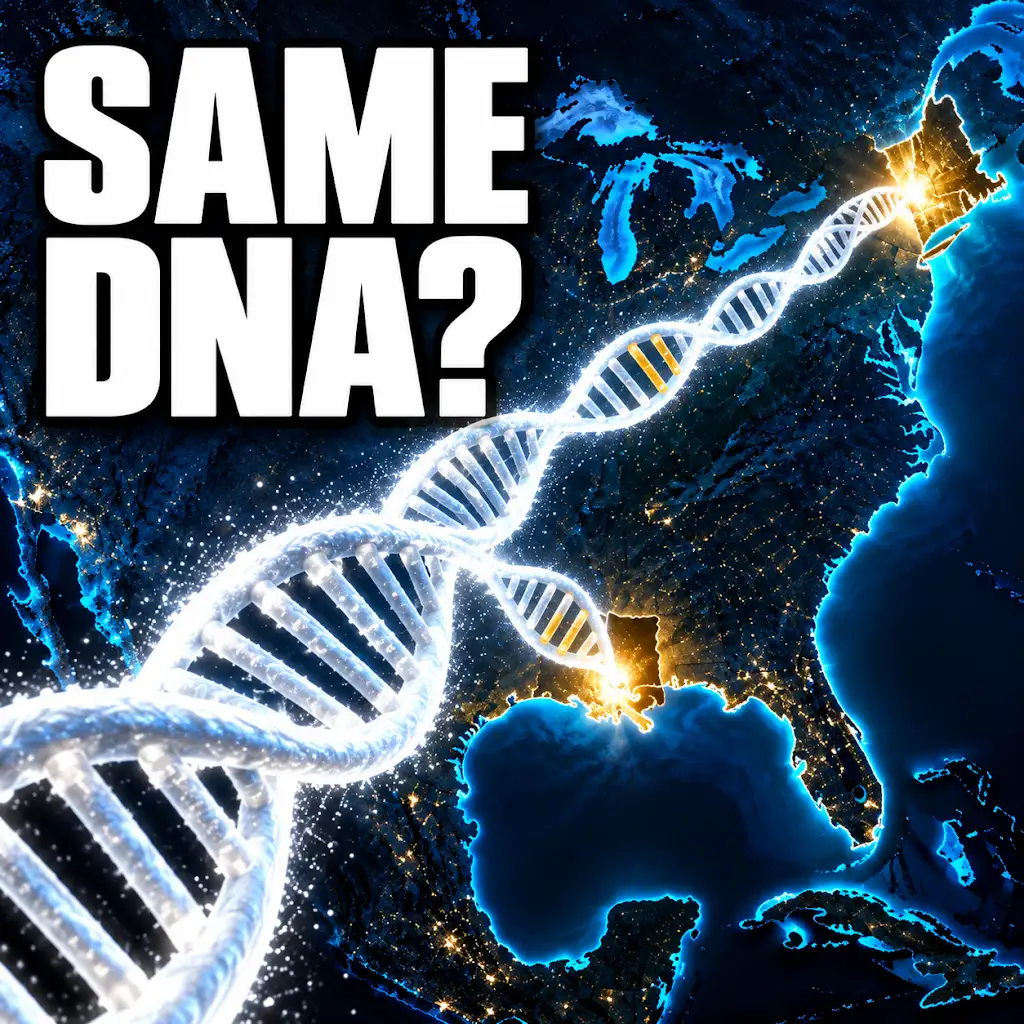
Cajun or French Canadian? The DNA Looked the Same—Until Researchers Looked Closer
FAQs
What is a French Canadian ancestry DNA cluster?
A French Canadian ancestry DNA cluster is a group of individuals who share a common genetic heritage that can be traced back to French Canadian ancestors.
How are French Canadian ancestry DNA clusters identified?
French Canadian ancestry DNA clusters are identified through genetic testing, specifically by analyzing DNA markers that are common among individuals with French Canadian heritage.
What are the benefits of identifying a French Canadian ancestry DNA cluster?
Identifying a French Canadian ancestry DNA cluster can help individuals learn more about their heritage, connect with distant relatives, and trace their family history back to their French Canadian roots.
Can DNA testing determine the specific regions in France where French Canadian ancestors originated from?
While DNA testing can provide clues about a person’s French Canadian ancestry, it may not always pinpoint the exact regions in France where their ancestors originated from. However, it can offer valuable insights into genetic connections and migration patterns.
How can someone join a French Canadian ancestry DNA cluster?
To join a French Canadian ancestry DNA cluster, individuals can take a DNA test with a company that offers genetic genealogy services and then explore their DNA matches to identify potential connections to the French Canadian cluster.