
The sun-baked plains of Central Anatolia hold secrets whispered by millennia, and at their heart lies Hattusa, the once-mighty capital of the Hittite Empire. This vast archaeological complex, sprawling across a rugged plateau near the modern-day village of Boğazkale, offers an unparalleled glimpse into a civilization that shaped the ancient Near East. For centuries, the Hittites were a formidable power, rivaling Egypt and Mesopotamia, yet their empire crumbled and their capital faded into legend, its location lost to time until its rediscovery in the late 19th century. Today, Hattusa stands as a testament to their architectural prowess, their sophisticated governance, and their enduring legacy, inviting exploration and wonder to those who venture into its ancient embrace.
## The Rise and Fall of a Hittite Metropolis
Hattusa’s story is intrinsically linked to the rise and eventual collapse of the Hittite Empire, a powerful Bronze Age civilization that dominated Anatolia and exerted considerable influence over the wider region for nearly five centuries. From its origins as a small settlement, Hattusa grew into a sprawling urban center, a strategic and administrative hub that commanded vast territories. Its strategic location, nestled within a naturally defensible landscape of hills and rock formations, provided a crucial advantage for its inhabitants. The Hittites themselves, often referred to in ancient texts as “the people of Hatti,” were a Indo-European speaking group who assimilated and adapted elements from the indigenous Hattian culture.
### Origins and Early Development
The foundations of Hattusa as a significant settlement can be traced back to the Middle Bronze Age, around the 20th century BCE. Initially, it likely served as a regional center for the Kaneshite merchants, a group known for their extensive trade networks that facilitated the exchange of goods and ideas across vast distances. However, it was with the emergence of the Old Hittite Kingdom, around 1650 BCE, that Hattusa truly began its transformation into a formidable capital. This period saw the consolidation of Hittite power, the establishment of a royal dynasty, and the early stages of urban planning that would define the city’s grandeur. The strategic importance of the location, controlling key trade routes and offering natural defenses, was undoubtedly a primary factor in its selection as the imperial capital.
### The Hittite Empire at its Zenith
The peak of Hittite power, known as the New Hittite Kingdom (roughly 14th to 12th centuries BCE), witnessed Hattusa reach its zenith. This was the era of legendary rulers like Suppiluliuma I, who expanded the empire to its greatest territorial extent, and Muwatalli II, who famously clashed with the Egyptian Pharaoh Ramesses II at the Battle of Kadesh. During this period, Hattusa was not merely a political center but also a thriving economic and religious heartland. The city’s infrastructure was significantly expanded, with impressive fortifications, monumental temples, and royal palaces being constructed. Its influence stretched from the Aegean coast to Mesopotamia, making it a significant player in the complex geopolitical landscape of the Late Bronze Age. The Hittites established diplomatic relations, engaged in trade, and even brokered treaties with other major powers, demonstrating their sophisticated understanding of international affairs.
### The Twilight and Abandonment
The decline of the Hittite Empire and the eventual fall of Hattusa remain a subject of scholarly debate. While the precise causes are multifaceted, scholars point to a combination of internal strife, environmental factors, and external pressures. Evidence suggests a period of instability and potential internal conflicts towards the end of the empire. Furthermore, the broader regional upheaval known as the Late Bronze Age collapse, characterized by the invasion of the “Sea Peoples” and the disruption of trade routes, likely played a significant role. Archaeological findings at Hattusa indicate that the city was sacked and partially destroyed around 1178 BCE. Following this destruction, the Hittite Empire effectively disintegrated, and Hattusa, though perhaps inhabited by smaller groups for a time, ceased to function as a major political and administrative center. Its grandeur faded, and the city was gradually reclaimed by nature, its memory preserved only in fragmented historical records.
The Hattusa archaeological site in Turkey, known for its impressive ruins and rich history as the capital of the Hittite Empire, continues to captivate researchers and history enthusiasts alike. For those interested in exploring more about ancient civilizations and their enigmatic artifacts, a related article can be found at Unexplained Ancient Artifacts: Mysteries of the Past, which delves into various archaeological discoveries that challenge our understanding of history.
## Architectural Marvels of the Hittite Capital
Hattusa is a sprawling archaeological site, a testament to the Hittites’ advanced engineering and architectural capabilities. The sheer scale of the fortifications, the intricate design of the temples, and the strategic planning of the city reveal a civilization that valued both defense and monumentality. Exploring Hattusa is like stepping into a meticulously crafted stone city, where every structure tells a story of power, faith, and daily life. The meticulous preservation of its ruins allows visitors to comprehend the urban layout and the impressive scale of this ancient metropolis.
### The Impenetrable Fortifications
Perhaps the most striking feature of Hattusa is its formidable defensive system. The city is encircled by massive stone walls, a testament to the Hittites’ mastery of military architecture. These walls, some reaching over 10 meters in height and several meters in thickness, were not a single, continuous barrier but rather a complex network of ramparts, towers, and natural rock formations that created an almost impenetrable defense. The construction employed large, precisely cut stone blocks, often without mortar, showcasing their advanced masonry skills. The scale of these fortifications speaks volumes about the need for security in a volatile region and the Hittites’ determination to protect their capital.
### The Great Temple and Religious Life
At the heart of Hattusa lies the Great Temple, a monumental structure dedicated to the Storm God Teshub and the Sun Goddess of Arinna, the principal deities of the Hittite pantheon. This vast complex, with its numerous courtyards, storage rooms, and religious chambers, provides invaluable insights into Hittite religious practices. The temple’s architecture, with its imposing pylons and meticulously planned layout, reflects the importance of organized worship and the central role of religion in Hittite society. Archaeological excavations have unearthed numerous artifacts within the temple precinct, including votive offerings and ceremonial objects, further illuminating the spiritual life of the Hittite people. The presence of a large number of storerooms within the temple complex suggests its role not only as a place of worship but also as a significant economic institution, holding offerings and resources.
### The Royal Palace and Citadel
Dominating the upper city is the Royal Palace complex, the administrative and residential heart of the Hittite Empire. This sprawling area, though partially in ruins, reveals the grandeur and sophistication of Hittite royal life. The palace was not a single building but a series of interconnected courtyards, audience halls, living quarters, and administrative offices. Its strategic position, overlooking the city, provided both a commanding presence and further defensive advantages. The layout suggests a highly organized court and a complex bureaucracy that managed the vast Hittite Empire. Excavations within the palace have yielded administrative tablets, seals, and other artifacts that shed light on the daily workings of the Hittite government. The presence of multiple gates and reinforced walls within the citadel area further emphasizes its role as the ultimate stronghold of Hittite power.
### The Lion Gate and King’s Gate
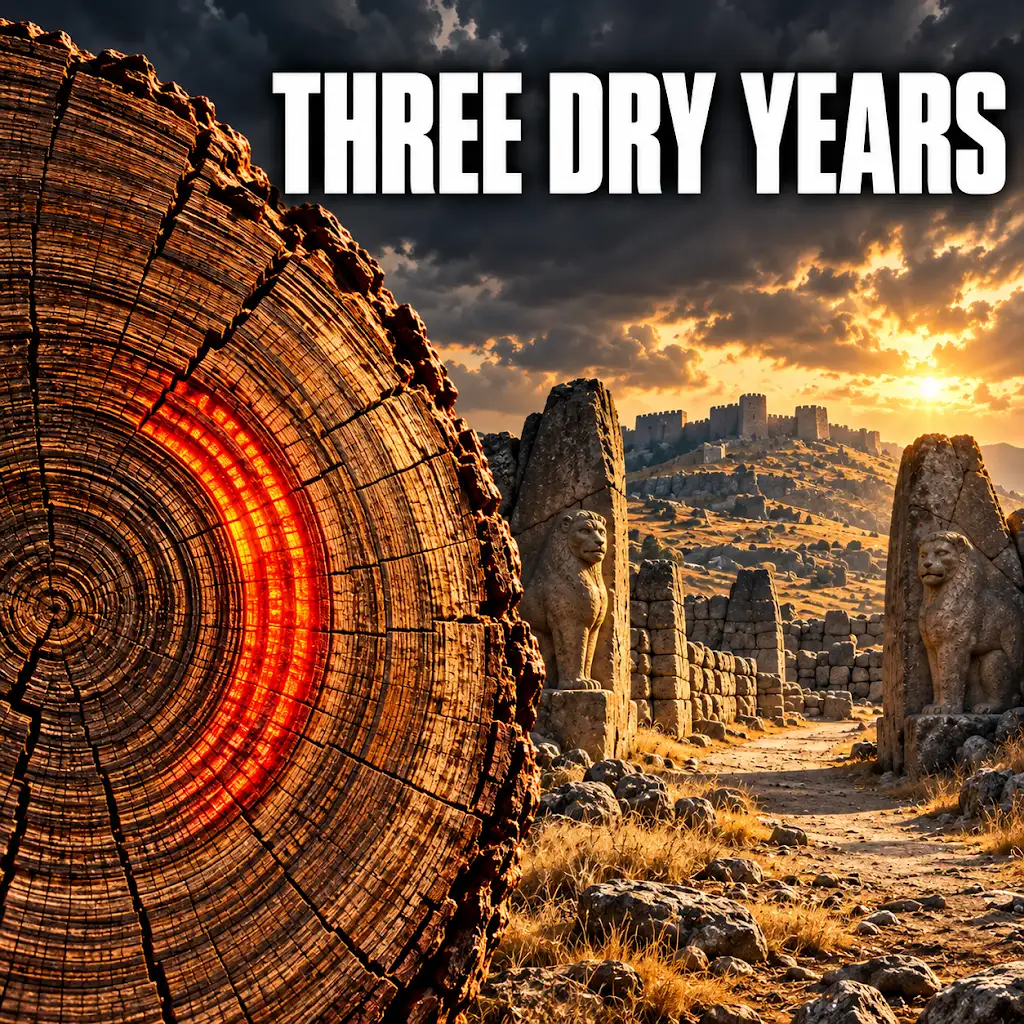
Two of the most iconic entrances to Hattusa are the Lion Gate and the King’s Gate, monumental structures that served as ceremonial entrances and defensive points. The Lion Gate, with its imposing lion sculptures guarding the passageway, was likely a principal entrance to the inner city. The sheer size and craftsmanship of these sculptures, even in their weathered state, are awe-inspiring. The King’s Gate, named for its probable use by royalty, is another impressive example of Hittite architectural prowess, featuring a formidable stone lintel and flanking walls. These gates were not just functional but also symbolic, designed to impress visitors and project the power and authority of the Hittite rulers. The surviving carvings and architectural details offer a glimpse into the artistic sensibilities of the period.
## Unearthing Hittite Secrets: Excavations and Discoveries
The exploration of Hattusa is an ongoing endeavor, a continuous process of unearthing the secrets of this ancient civilization. Archaeological expeditions, commencing in the early 20th century, have gradually peeled back the layers of time, revealing a wealth of information about the Hittites. The meticulous work of archaeologists has not only brought to light their impressive architecture but also their written language, their social structures, and their place in the wider ancient world.
### Early Explorations and Initial Breakthroughs
The formal archaeological exploration of Hattusa began in earnest in 1906 with the German Oriental Society, led by Hugo Winckler. Their initial excavations were remarkably successful, leading to the discovery of the Royal Archives, a treasure trove of cuneiform tablets that would revolutionize our understanding of the Hittites. These tablets, written in Akkadian and Hittite languages, provided direct evidence of the empire’s existence, its rulers, its political dealings, and its extensive administrative system. This discovery alone was monumental, transforming the Hittites from a shadowy presence in ancient texts into a tangible historical reality. The early excavators faced immense challenges, working in difficult terrain with limited resources, yet their dedication laid the groundwork for all subsequent research.
### The Cuneiform Tablets: A Window into Hittite Society
The discovery of thousands of cuneiform tablets at Hattusa is arguably the most significant archaeological find at the site. These clay tablets, baked and preserved by the fires that likely accompanied the city’s destruction, contain a wealth of information written in a language previously unknown to scholars. Deciphering these tablets, a monumental task undertaken by linguists and historians, opened a direct window into Hittite life. They reveal details about Hittite law, religion, mythology, diplomacy, military campaigns, and even their recipes. The tablets provide firsthand accounts of the empire’s interactions with other major powers like Egypt and Assyria, including crucial details about the famous treaty signed between the Hittites and Egyptians after the Battle of Kadesh. The administrative tablets, in particular, offer insights into the complex bureaucracy and economic management of the vast Hittite Empire.
### Ongoing Research and Modern Techniques
Contemporary archaeological work at Hattusa continues to utilize advanced technologies and methodologies. Remote sensing techniques, such as ground-penetrating radar and aerial photography, help identify potential areas of interest without disturbing the existing structures. Digital mapping and 3D modeling are used to create detailed reconstructions of the site, aiding in analysis and public understanding. Modern excavations are conducted with a heightened focus on preservation and ethical considerations, ensuring that the site is studied and protected for future generations. Researchers are constantly re-examining existing findings, applying new analytical methods to materials, and searching for answers to remaining questions about Hittite society, their interactions with neighboring cultures, and the precise circumstances of their decline.
## The Hittites in the Broader Ancient World
The Hittites were not an isolated civilization; they were an integral part of the vibrant and complex geopolitical landscape of the Late Bronze Age. Their empire exerted significant influence, engaging in diplomacy, trade, and warfare with other major powers of the era. Understanding Hattusa’s context within this wider network is crucial to appreciating the Hittites’ historical significance.
### Diplomatic Relations and Treaty Making
The Hittites were renowned for their sophisticated diplomatic practices. The cuneiform tablets from Hattusa reveal extensive correspondence with other kingdoms, including the powerful Egyptian Empire, the Kassite kingdom of Babylonia, and the rulers of Mitanni. They engaged in a complex web of alliances, rivalries, and political maneuvering. A prime example of their diplomatic prowess is the Treaty of Kadesh, signed between the Hittite king Muwatalli II and the Egyptian Pharaoh Ramesses II, which is considered one of the earliest known peace treaties in history. This treaty, preserved in both Hittite and Egyptian versions, demonstrates a remarkable level of statecraft and a desire for stable relations, even after a fierce military confrontation. The Hittites also engaged in royal marriages as a tool of diplomacy, forging alliances through familial ties.
### Trade Networks and Economic Exchange
Hattusa was strategically located along important trade routes that crisscrossed Anatolia and connected it to Mesopotamia, the Levant, and the Aegean. The Hittites actively participated in these networks, exchanging raw materials such as metals (especially iron, for which they were renowned), timber, and agricultural products for luxury goods, finished products, and other commodities from distant lands. Evidence of trade has been found in the form of pottery, metalwork, and other artifacts from various regions discovered within Hattusa. The Hittite economy was complex, with a significant role played by the royal administration in regulating trade and collecting taxes. The presence of numerous storerooms within the city, including those at the Great Temple, indicates a highly organized system for managing resources and goods.
### Military Power and the Battle of Kadesh
The Hittites were a formidable military power, and their army was a key instrument in the expansion and maintenance of their empire. Their military strength was based on well-trained infantry and chariotry. The Battle of Kadesh, fought around 1274 BCE between the Hittite forces led by Muwatalli II and the Egyptian army under Ramesses II, is one of the most famous military engagements of the ancient world. While the outcome of the battle is debated by historians, it undeniably showcased the military capabilities of both empires and led to the aforementioned peace treaty. Hittite warfare was characterized by strategic planning, disciplined execution, and the effective use of their military technology. The fortifications of Hattusa itself are a testament to their understanding of defensive warfare.
The Hattusa archaeological site in Turkey, known for its remarkable ruins of the Hittite capital, offers a fascinating glimpse into ancient civilizations and their interactions with the environment. Recent studies have highlighted the impact of microbial activity on historical populations, shedding light on how ancient societies may have dealt with diseases. For a deeper understanding of this topic, you can explore the article on the silent plague and its implications for ancient communities by visiting this link.
## Visiting Hattusa: A Journey Through Time
| Metric | Data |
|---|---|
| Location | Near Boğazkale, Çorum Province, Turkey |
| Historical Period | Hittite Empire, circa 1600–1200 BCE |
| Site Area | Approximately 4 square kilometers |
| UNESCO World Heritage Site Designation | 1986 |
| Main Features | City walls, royal palace, temples, archives with cuneiform tablets |
| Excavation Start Year | 1906 |
| Number of Cuneiform Tablets Found | Over 10,000 |
| Significance | Capital of the Hittite Empire and key archaeological site for ancient Anatolian studies |
A visit to Hattusa is more than just a sightseeing trip; it is an immersive journey into the heart of one of the ancient world’s most influential civilizations. The sheer scale of the site, coupled with its rich historical significance, offers an unparalleled experience for history enthusiasts, archaeologists, and curious travelers alike. The rugged beauty of the landscape and the tangible remnants of a bygone era combine to create a truly unforgettable encounter.
### Navigating the Vast Archaeological Park
Hattusa is a sprawling site, covering an area of approximately 1.8 square kilometers. Visitors should be prepared for considerable walking, as the main attractions are spread across several hills and valleys. Comfortable footwear is essential, as the terrain can be uneven and rocky. The site is divided into distinct sectors, including the Upper City, the Lower City, and the surrounding ramparts. Following designated paths is recommended to ensure safety and to best appreciate the layout and features of the ancient city. Informative signage in both Turkish and English is usually available, providing context and details about the various structures. Hiring a local guide can greatly enhance the experience, offering deeper insights and historical narratives.
### Key Sites Not to Miss
While the entire complex is fascinating, several key sites within Hattusa are particularly noteworthy. The Great Temple (Temple I) is a must-see, with its impressive scale and the remnants of its religious precinct. The Royal Palace complex in the Upper City, though in ruins, provides a sense of the grandeur of Hittite royalty. The Lion Gate and the King’s Gate are iconic examples of Hittite monumental architecture and defensive design. The Yerkapı, a massive artificial mound with its Sphinx Gate, offers panoramic views of the site and surrounding landscape. Don’t miss the Sarikale, a fortress located on a hill overlooking the city, which served as a key defensive outpost. Exploring these prominent landmarks will provide a solid understanding of Hattusa’s layout and its most significant structures.
### Practical Considerations for Travelers
Hattusa is located near the town of Boğazkale, which offers basic accommodation and dining options. The nearest major city with comprehensive facilities is Çorum. The site is accessible by car, with parking available near the main entrance. The best times to visit are during the spring (April-May) and autumn (September-October) when the weather is pleasant and the summer heat is not at its peak. Summer can be very hot, so adequate sun protection, including a hat, sunscreen, and plenty of water, is crucial if visiting during those months. The site is typically open from morning until early evening. It is advisable to check the latest opening hours and any entrance fees before planning a visit. For those interested in a deeper dive, the nearby Boğazkale Museum houses a significant collection of artifacts excavated from Hattusa, offering a complementary perspective to the on-site exploration.
Your 401(k) Withdrawal Can Make More of Your Social Security Taxable
FAQs
What is Hattusa?
Hattusa is an ancient archaeological site located in modern-day Turkey. It was the capital of the Hittite Empire during the late Bronze Age.
When was Hattusa inhabited?
Hattusa was inhabited from around 2500 BCE until its destruction in 1200 BCE. It was an important political and religious center during its time.
What can visitors see at the Hattusa archaeological site?
Visitors to the Hattusa archaeological site can see the remains of the city’s walls, gates, temples, and royal residences. The site also features numerous rock reliefs and inscriptions.
Why is Hattusa significant in history?
Hattusa is significant in history because it was the capital of one of the major powers of the ancient Near East, the Hittite Empire. The site provides valuable insights into the culture, religion, and daily life of the Hittites.
Is Hattusa a UNESCO World Heritage Site?
Yes, Hattusa was designated a UNESCO World Heritage Site in 1986. Its archaeological remains are considered to be of outstanding universal value and are protected for future generations.