The biting winds, the silent, immense plains, and the colossal beasts that roamed a frigid continent – this is the Europe of the Ice Age, a land sculpted by monumental glaciers and populated by resilient humans. A newly released documentary, “Echoes of the Frozen Frontier,” offers an unprecedented journey into this dramatic past, meticulously reconstructing the lives, challenges, and triumphs of our ancient ancestors during one of Earth’s most formidable periods. Through cutting-edge scientific research, evocative CGI, and the expert narration of renowned paleoanthropologist Dr. Aris Thorne, the film transports viewers to a world both alien and deeply familiar, revealing a chapter of human history that fundamentally shaped our species.
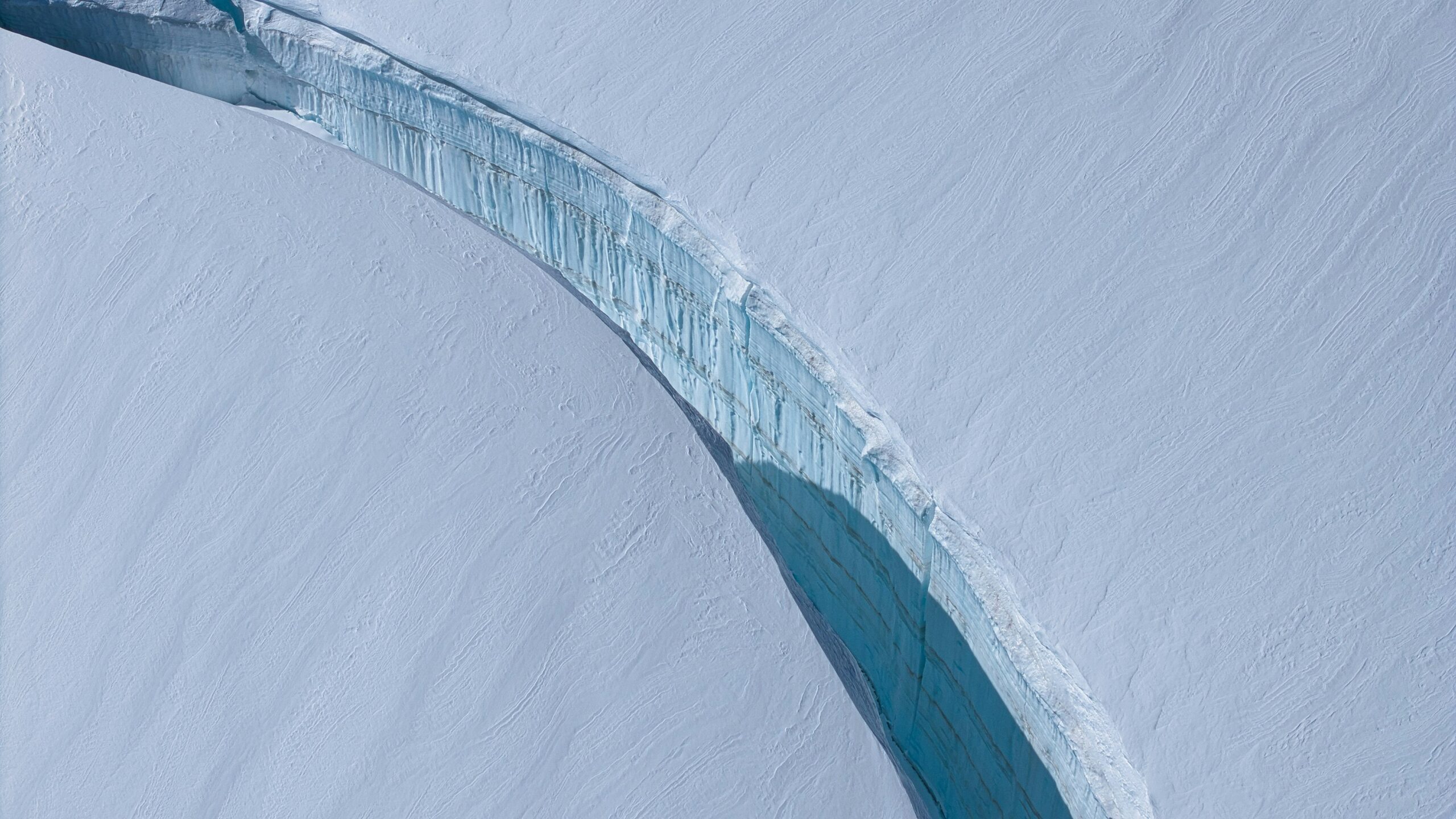
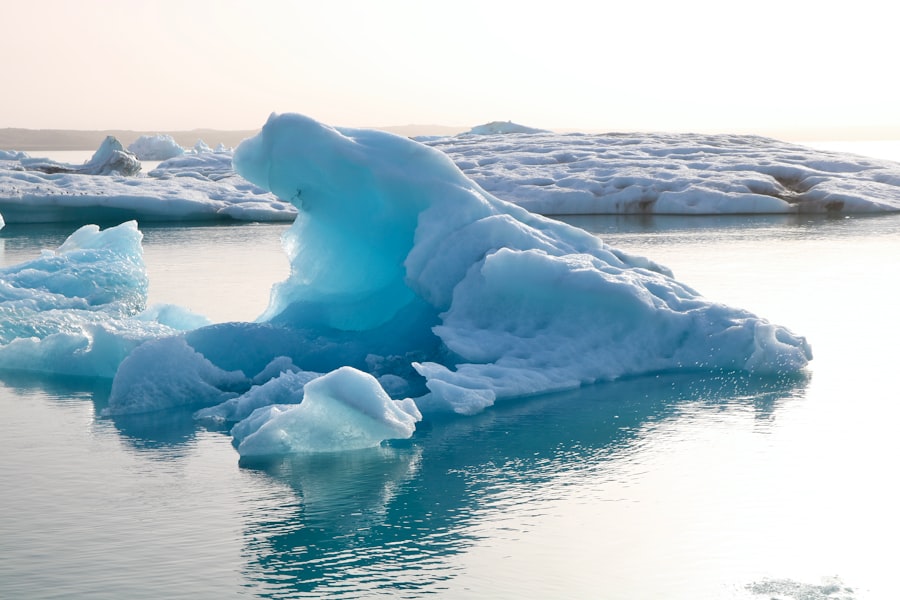
The sheer scale of the Ice Age is difficult to comprehend from our modern perspective. Vast ice sheets, miles thick in places, acted as the primary sculptors of the European landscape. “Echoes of the Frozen Frontier” dedicates significant attention to the immense power of these frozen titans, explaining their formation, their relentless advance and retreat, and the profound impact they had on every facet of life.
The Birth of the Ice Sheets
The documentary commences by detailing the climatic shifts that ushered in the Pleistocene epoch, the era of the Great Ice Ages. It explains the intricate interplay of solar cycles, atmospheric composition, and geological events that led to the persistent cooling of the planet. Viewers are shown how, over millennia, snow failed to melt entirely during summer, gradually accumulating and compressing into dense glacial ice. The film uses compelling animation to illustrate the slow, inexorable growth of the Scandinavian and Alpine ice sheets, showcasing their colossal size and the immense weight they exerted on the continental landmass. This section of the film emphasizes that the Ice Age was not a single, monolithic event, but rather a series of glacial and interglacial periods, each with its unique characteristics and challenges.
Sculpting the Land: A Landscape Transformed
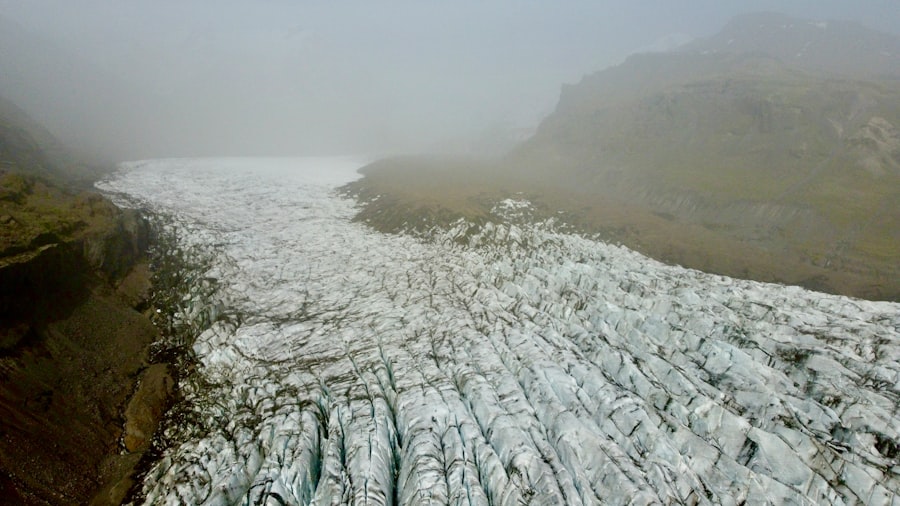
The visual power of the documentary truly shines when depicting the geological legacy of the glaciers. Through stunning drone footage of modern glacial landscapes and meticulously rendered CGI, viewers witness firsthand how these ice sheets carved out valleys, fjords, and immense moraines. The film explains the mechanisms of glacial erosion, from abrasion by embedded rock debris to the sheer force of moving ice. The formation of the English Channel, the carving of the Alps, and the deposition of vast quantities of sediment across Northern Europe are all vividly brought to life. Dr. Thorne’s narration highlights how these geological formations provided crucial resources and shaped the migratory patterns of both animals and early humans. For example, glacial meltwater rivers became vital water sources, and the exposed landmasses during glacial retreats offered new territories for colonization. The film also touches upon the dramatic changes in sea levels, with much of the water locked up in ice, leading to significantly lower global sea levels and the emergence of land bridges, facilitating human and animal migrations.
The Periglacial Realm: A Harsh but Habitable Zone
While the vast ice sheets dominated much of the continent, the documentary also explores the “periglacial” zones – the regions immediately adjacent to the ice. These areas, though still frigid, were more amenable to life and became critical refuges and hunting grounds. The film details the unique ecosystems that developed in these environments, characterized by thawing and freezing cycles, thin soils, and specialized vegetation. Viewers learn about the formation of features like patterned ground, pingos, and thermokarst lakes, all direct consequences of the extreme cold and freeze-thaw cycles. This understanding of the periglacial environment is crucial for appreciating where and how early humans were able to survive and thrive, even in the shadow of the immense glaciers.
The documentary “Ice Age Europe” explores the fascinating adaptations of prehistoric humans and animals during the last glacial period. For those interested in understanding the broader implications of survival in extreme conditions, a related article titled “Defending the Lunar Base: Consequences of an Attack” provides insight into how humanity prepares for survival in hostile environments, albeit in a modern context. You can read more about it here: Defending the Lunar Base: Consequences of an Attack.
The Reign of the Megafauna: Giants of the Ice
The Ice Age was an era of giants. “Echoes of the Frozen Frontier” brings to life the incredible array of megafauna that roamed Europe, animals whose sheer size and power were matched only by their resilience to the cold. The documentary meticulously reconstructs these magnificent creatures, offering a glimpse into a world where humans were not at the apex of the food chain, but rather clever survivors navigating a landscape shared with formidable predators and colossal herbivores.
Woolly Mammoths: Icons of the Pleistocene
No discussion of Ice Age Europe would be complete without the woolly mammoth. The film dedicates a significant segment to these iconic herbivores, portraying them with an awe-inspiring realism. Viewers are shown the mammoth’s thick, shaggy coat, its massive tusks, and its adaptations for surviving in harsh, frozen environments. The documentary utilizes fossil evidence and genetic research to reconstruct their social structures, migratory patterns, and their vital role in the Ice Age ecosystem. The film explores the relationship between mammoths and early humans, detailing how they were a primary source of food, fuel, and materials for tools and shelter. The depiction of mammoth hunting, while not sensationalized, underscores the immense skill, cooperation, and courage required by our ancestors.
Other Majestic Beasts: Saber-toothed Cats, Woolly Rhinos, and More
Beyond the mammoth, “Echoes of the Frozen Frontier” introduces viewers to a breathtaking cast of other Ice Age giants. The deadly grace of the saber-toothed cat, with its formidable fangs, is brought to life, highlighting its predatory prowess. The formidable woolly rhinoceros, a formidable beast adapted to grazing on tough vegetation, is also featured prominently. The documentary also features the powerful cave bears, the swift steppe bison, and the elusive giant deer, or Megaloceros. Each creature is presented with detailed anatomical accuracy, based on fossil discoveries and scientific interpretation, allowing viewers to appreciate their unique adaptations for survival in the extreme cold. The film emphasizes the interconnectedness of these species within the Ice Age ecosystem, illustrating predator-prey relationships and the delicate balance that sustained life on the frozen continent.
The Mystery of Extinction: A Loss for the Ages
A poignant aspect of the documentary is its exploration of the eventual extinction of many of these magnificent creatures. While climate change played a significant role, the film also delves into the debated impact of human hunting pressure. Dr. Thorne presents the latest scientific theories, encouraging viewers to consider the complex factors that led to the disappearance of these Ice Age icons. The documentary uses this section to reflect on the fragility of ecosystems and the responsibility humans bear in preserving biodiversity. The stark contrast between the vibrant megafauna of the past and the often-diminished wildlife of today serves as a powerful reminder of the evolutionary journey and the profound impact of environmental changes.
The Human Factor: Resilience and Ingenuity
Against this backdrop of immense natural forces and formidable fauna, the true heroes of “Echoes of the Frozen Frontier” are the early humans who called Ice Age Europe home. The documentary shifts its focus to their remarkable adaptability, their innovative spirit, and the complex social structures they developed to survive and, in many cases, thrive.
The First Europeans: Migrations and Settlements
The film traces the arrival of early humans in Europe, depicting them as intrepid explorers venturing into new and challenging territories. It discusses the various hominin species that inhabited the continent, from Neanderthals to early Homo sapiens, and their respective adaptations and tool technologies. The documentary utilizes archaeological evidence, such as campsites and skeletal remains, to reconstruct their migratory routes and the locations of their settlements. Viewers are shown how these early populations were often small and nomadic, following the herds of migrating animals and utilizing temporary shelters. The film emphasizes the remarkable journeys undertaken by these individuals, traversing vast distances across often unforgiving landscapes.
Masters of Survival: Tools, Shelter, and Fire
The ingenuity of Ice Age humans is a central theme. The documentary showcases the sophisticated tools they developed, from finely crafted stone hand axes and projectile points to bone needles and harpoons. It explains how these tools were essential for hunting, butchering game, preparing hides, and crafting clothing. The film also delves into their mastery of fire, illustrating its crucial role in providing warmth, light, protection from predators, and enabling the cooking of food, which made it more digestible and nutritious. The construction of shelters, from temporary lean-tos to more elaborate structures made from animal bones and hides, is also vividly depicted, showcasing their ability to create safe havens in the harsh environment.
Art and Spirituality: The Dawn of Culture
Perhaps one of the most captivating aspects of the film is its exploration of early human art and spirituality. The documentary takes viewers deep into the caves of France and Spain, illuminating the breathtaking cave paintings and engravings that have survived for millennia. The depiction of bison, horses, deer, and human figures, rendered with astonishing skill and artistry, serves as profound evidence of the cognitive abilities and symbolic thought of our ancestors. Dr. Thorne discusses the potential meanings behind these artworks, suggesting they may have served ritualistic, communicative, or storytelling purposes. The film also touches upon evidence of early burial practices and the possible development of spiritual beliefs, painting a picture of a people who engaged with their world on both a practical and a deeply symbolic level. This section powerfully challenges the notion that early humans were purely driven by instinct, revealing a complex inner life and the beginnings of human culture as we understand it.
The Legacy of the Ice: Shaping Modern Europe
“Echoes of the Frozen Frontier” is more than just a retrospective; it’s a journey into the deep origins of modern Europe and its inhabitants. The documentary masterfully connects the dramatic events of the Ice Age to the continent we know today, demonstrating how this ancient epoch continues to whisper through our landscapes, our genetics, and even our culture.
Geological Echoes: Landscapes of the Past
The film explicitly draws parallels between the geological formations sculpted by Ice Age glaciers and the features of modern Europe. Viewers are shown how the fjords of Norway, the rolling plains of Northern Germany, and the dramatic valleys of the Alps are direct descendants of glacial activity. The documentary explains how these landforms continue to influence human settlement patterns, agricultural practices, and even the development of infrastructure. For example, fertile glacial till soils continue to support agriculture, while the natural harbors carved by glaciers remain vital for trade and transport. The film highlights how, even as human societies have transformed the surface of Europe, the underlying geological framework laid down by the ice remains a fundamental defining characteristic.
Genetic Threads: Tracing Our Ancestry
“Echoes of the Frozen Frontier” delves into the fascinating world of paleogenetics, revealing how the Ice Age migrations and adaptations have left an indelible mark on the human genome. Through cutting-edge DNA analysis, the documentary explores how different Ice Age populations interacted, interbred, and eventually spread across the continent. Dr. Thorne explains how genetic studies can shed light on migration patterns, the dispersal of populations after glacial retreats, and even the genetic basis for adaptations to cold environments. The film presents the understanding that the diverse populations of modern Europe are, in part, a consequence of these ancient movements and a testament to the resilience and enduring legacy of Ice Age ancestors.
Cultural Ripples: Stories in Stone and Song
The documentary suggests that the influences of the Ice Age extend beyond the physical realm and into the cultural tapestry of Europe. While direct links are often tenuous, the film explores potential continuities in folklore, mythology, and even artistic expression. Certain recurring motifs in ancient European art, the prevalence of certain animal symbols in mythology, and the enduring human connection to the wild and untamed landscapes are all presented as possible echoes of Ice Age life. The film encourages viewers to consider how the profound experiences of survival, community, and the awe-inspiring natural world during the Ice Age might have shaped the foundational stories and cultural narratives that continue to resonate through European heritage.
The Ice Age Europe documentary offers a fascinating glimpse into the lives of prehistoric humans and the dramatic changes in climate that shaped their existence. For those interested in exploring how ancient civilizations adapted to their environments, a related article discusses the innovative approaches to harnessing energy in challenging conditions, much like our ancestors did. You can read more about this intriguing topic in the article on securing a lunar power grid development, which highlights the importance of adaptability in the face of environmental challenges. For further insights, check out the article here.
The Enduring Fascination: Why the Ice Age Still Captivates
| Episode | Location | Time Period | Featured Species |
|---|---|---|---|
| 1 | France | 40,000 years ago | Woolly mammoths, cave lions |
| 2 | Germany | 30,000 years ago | Woolly rhinoceros, cave bears |
| 3 | Spain | 20,000 years ago | European cave lion, cave hyena |
As “Echoes of the Frozen Frontier” draws to a close, the viewer is left with a profound sense of wonder and a deeper appreciation for the immense challenges and remarkable achievements of our Ice Age ancestors. The documentary’s success lies in its ability to blend rigorous scientific inquiry with compelling storytelling, bringing a seemingly distant past to vivid life.
A Mirror to Our Own Resilience
One of the most powerful takeaways from the film is the recognition of our shared heritage with these ancient peoples. Their struggles for survival, their ingenuity in the face of adversity, and their capacity for community and creativity resonate deeply with the human experience. Dr. Thorne emphasizes that understanding the Ice Age is, in many ways, understanding the foundations of our own resilience and our capacity to adapt to changing environments. The documentary serves as a powerful reminder that humanity has faced and overcome formidable challenges before, drawing upon inner strengths and collective effort.
The Power of Scientific Discovery
“Echoes of the Frozen Frontier” is a testament to the power of modern scientific discovery. Through advancements in archaeology, paleontology, genetics, and climate modeling, we are increasingly able to reconstruct the past with remarkable detail and accuracy. The film highlights the collaborative efforts of scientists worldwide who are piecing together the puzzle of the Ice Age, each discovery adding another layer to our understanding. The documentary inspires curiosity and underscores the ongoing quest to unravel the mysteries of our planet’s history and our place within it. It showcases how interdisciplinary research can unlock profound insights into human evolution and our planet’s past.
A Call to Environmental Awareness
While the Ice Age itself is a time of immense environmental upheaval, the documentary implicitly serves as a cautionary tale for our own era. By illustrating the dramatic changes wrought by natural climate shifts, the film prompts reflection on the potential consequences of human-induced climate change. The fragility of ecosystems, the importance of biodiversity, and humanity’s role in shaping the future of the planet are all brought into sharp focus. “Echoes of the Frozen Frontier” leaves viewers with a renewed sense of responsibility towards the environment, understanding that the decisions we make today will shape the world for generations to come, just as the forces of nature shaped the world for our ancient ancestors. The documentary, therefore, is not just a journey into the past, but a vital contemplation of our present and future.

The Forgotten World Beneath the North Sea
FAQs
What is the Ice Age Europe documentary about?
The Ice Age Europe documentary explores the history and culture of Europe during the last Ice Age, approximately 110,000 to 12,000 years ago. It delves into the lives of early humans, their survival strategies, and the animals they coexisted with.
Who produced the Ice Age Europe documentary?
The Ice Age Europe documentary was produced by [insert production company name], a renowned documentary production company known for its high-quality and informative content.
Where can I watch the Ice Age Europe documentary?
The Ice Age Europe documentary is available for streaming on [insert streaming platform] and may also be available for purchase or rental on various digital platforms. Check your local listings for availability.
What are some key topics covered in the Ice Age Europe documentary?
The documentary covers a range of topics including early human migration patterns, the development of tools and technology, the art and symbolism of the period, and the interactions between humans and the diverse fauna of Ice Age Europe.
Is the Ice Age Europe documentary suitable for all ages?
The Ice Age Europe documentary is generally suitable for all ages, but parents should use their discretion based on the sensitivity of younger viewers to topics such as hunting, survival, and the natural world during the Ice Age.