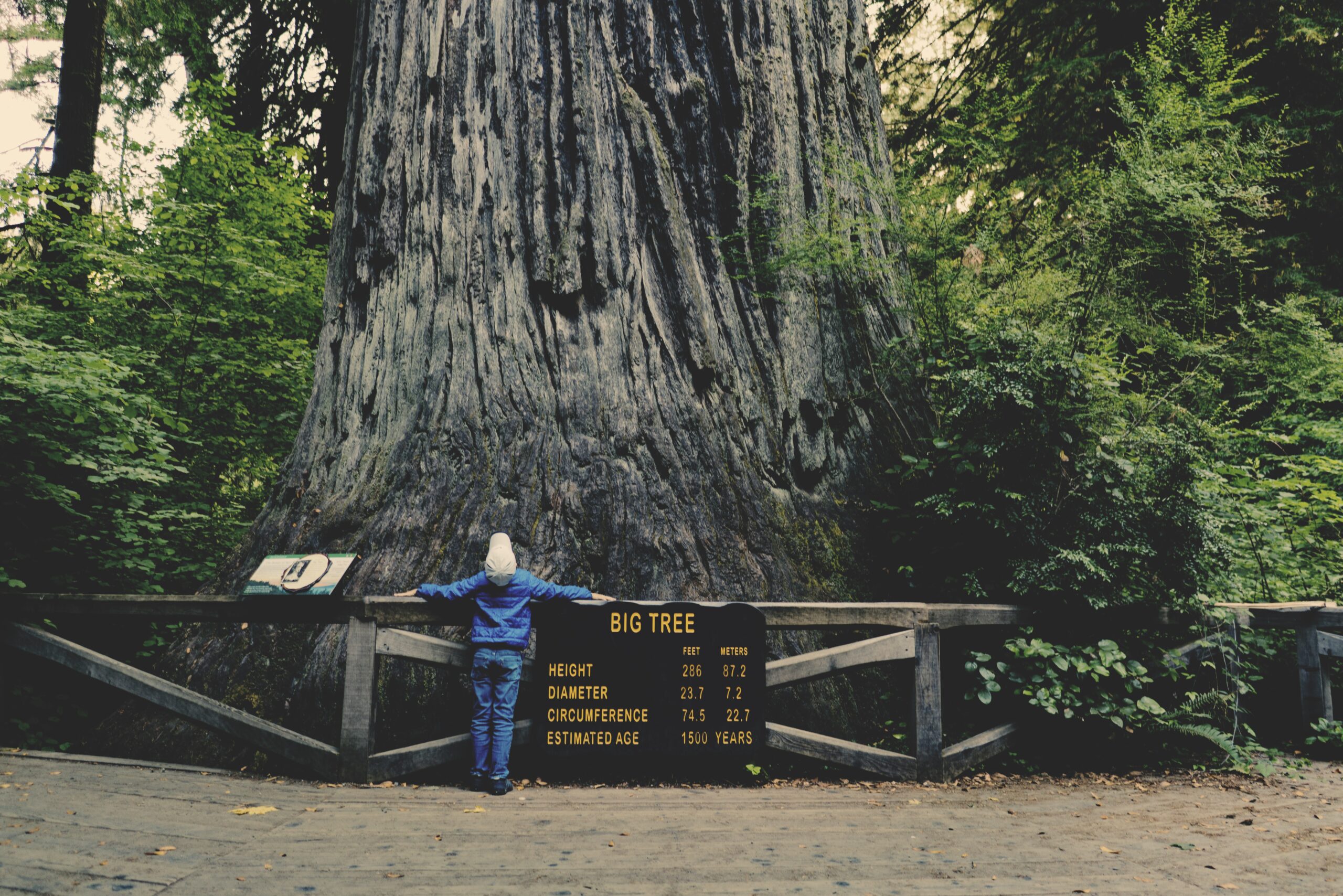
The Klamath National Forest, a verdant expanse stretching across Northern California and Southern Oregon, is a landscape sculpted by time and, undeniably, by fire. Its towering conifers, lush undergrowth, and meandering waterways tell a story of resilience and adaptation, a narrative deeply intertwined with the cyclical nature of forest fires. To truly understand the ecological and cultural significance of this magnificent region, one must delve into its fiery past, examining the forces that have shaped its present and will undoubtedly influence its future. This exploration will uncover the natural rhythms of ignition, the impact of human intervention, and the evolving strategies for managing a landscape where fire has always been a vital, albeit sometimes destructive, force.
The Klamath forest fire history is a complex narrative shaped by both natural and human influences over the years. Understanding the geomorphological factors that contribute to fire behavior in this region can provide valuable insights into fire management and ecological restoration. For a deeper exploration of these factors, you can refer to the article on geomorphology, which discusses how landforms and geological processes influence environmental dynamics. To read more, visit Unraveling the Mysteries of Geomorphology.
Natural Ignition: The Ancient Spark
Long before human presence left its mark, fire was an intrinsic element of the Klamath ecosystem. Lightning, the forest’s original architect of ignition, would strike dry tinder, igniting nascent flames that would then dance across the landscape. These naturally occurring fires, often occurring during the dry summer months, played a crucial role in the forest’s development.
The Role of Lightning
Lightning strikes, though seemingly random, followed predictable patterns dictated by atmospheric conditions and the prevalence of dry fuels. Areas with higher elevations, exposed ridges, and abundant dry vegetation were more susceptible to ignition. These lightning-caused fires were not always catastrophic. Many were low-intensity ground fires that cleared out the accumulated understory, preventing the buildup of excessive fuel that could later feed larger, more destructive blazes.
Fuels and Fire Behavior
The composition of the Klamath forest itself dictated how fires behaved. Vast stands of ponderosa pine, ponderosa pine, white fir, and Douglas fir, interspersed with hardwoods like oak, provided a variety of fuel types. The dry needles of pines, the dead leaves of oaks, and the resinous wood of conifers all contributed to the fire’s intensity and spread. Understanding these fuel types is paramount to grasping the historical fire regimes.
Pine-Dominated Ecosystems
In areas historically dominated by ponderosa pine, frequent, low-intensity ground fires were the norm. These fires were crucial for the survival of ponderosa pine itself, which has thick, fire-resistant bark and cones that often require heat to open and release seeds. These fires cleared away competing vegetation, creating a more open forest structure that favored the pine species.
Mixed Conifer Forests
Within the mixed conifer zones, the presence of more flammable species like white fir and Douglas fir, especially when younger and smaller, introduced a greater potential for more intense fires. However, even in these areas, historical fire return intervals, dictated by natural ignition, generally kept fires at a manageable level, preventing the kind of extreme crown fires seen in more recent, fuel-laden forests.
Historical Fire Regimes
Ecologists refer to historical fire regimes as the patterns of fire frequency, intensity, and extent that characterized a given ecosystem over long periods. In the Klamath region, these regimes were largely driven by natural ignitions and varied across the landscape. Some areas experienced frequent, low-intensity fires, while others, with less frequent lightning strikes or different fuel types, may have had longer fire-free intervals, but when fires did occur, they could be more intense. These regimes were essential for maintaining the biodiversity and structure of the forest.
Fire Return Intervals
The fire return interval is the average time between fires in a specific area. In the Klamath, these intervals varied considerably. Some areas, particularly those with open ponderosa pine stands, might have experienced fire every 5-20 years. Others, with denser vegetation or less lightning activity, might have seen fires every 50-100 years, or even longer. These intervals were dynamic and influenced by climate, topography, and fuel availability.
Intensity and Severity
Fire intensity refers to the amount of energy released by a fire, while severity describes the ecological impact of that fire. Historically, many Klamath fires were low-intensity ground fires that scorched the forest floor but did not significantly damage mature trees. Higher intensity fires, often occurring during extended droughts or with extreme weather, could lead to more severe impacts, including mortality of older trees and significant changes to the forest structure.
Human Influence: A Shifting Narrative
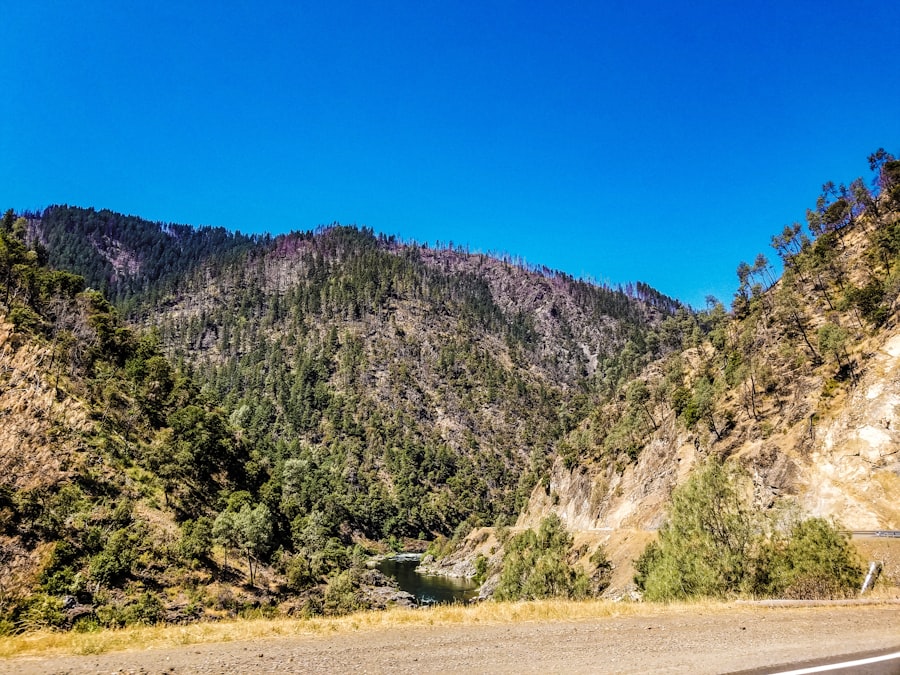
The arrival of humans, both indigenous peoples and later Euro-American settlers, profoundly altered the fire landscape of the Klamath. Indigenous peoples utilized fire as a tool for land management, while the advent of fire suppression policies in the 20th century dramatically changed the natural fire regime.
Indigenous Fire Management
For millennia, indigenous tribes of the Klamath region, such as the Karuk, Yurok, and Shasta, employed fire as a deliberate and sophisticated land management practice. They understood its role in shaping the forest and used it to achieve a variety of objectives, from promoting the growth of culturally important plants to improving hunting grounds.
Cultural Burning Practices
These “cultural burns” or “prescribed fires” were carefully planned and executed. They were often conducted at specific times of the year, with precise control over ignition and spread. The goals were diverse: clearing underbrush to facilitate travel and hunting, stimulating the production of berries and edible roots, maintaining open meadows for game, and even managing insect populations.
Impact on Forest Structure
The long-term effect of indigenous fire management was the creation of a mosaic of forest conditions across the landscape. Areas regularly subjected to cultural burning often featured more open stands of trees, with reduced fuel loads and a greater abundance of fire-adapted species. This active management created a more resilient and biodiverse ecosystem, one that was less prone to catastrophic fires.
The Era of Fire Suppression
The early 20th century marked a significant shift in fire management with the widespread adoption of aggressive fire suppression policies. Driven by a desire to protect timber resources and ensure public safety, the Forest Service and other land management agencies embarked on a mission to extinguish all fires as quickly as possible.
The “10 a.m. Rule”
This philosophy was famously encapsulated by the “10 a.m. rule,” which mandated that all fires be suppressed and out by 10 a.m. the day after they were reported. This policy, while well-intentioned, had unintended consequences for forest ecosystems that had evolved with frequent, low-intensity fires.
Fuel Accumulation
By preventing natural fires from occurring, the suppression era led to a massive accumulation of dead organic material—leaves, needles, fallen branches, and understory vegetation—on the forest floor. This buildup of fuel created a tinderbox effect, making the forests increasingly susceptible to large, intense, and destructive wildfires when ignition did occur.
Impact on Forest Health
The absence of frequent, low-intensity fires also impacted the health of certain tree species. For example, the fire-dependent ponderosa pine began to be outcompeted by shade-tolerant species that are more susceptible to disease and insect outbreaks. The overall forest structure became denser and more homogenous, reducing its resilience to environmental stresses.
Documenting the Flames: Historical Fire Records
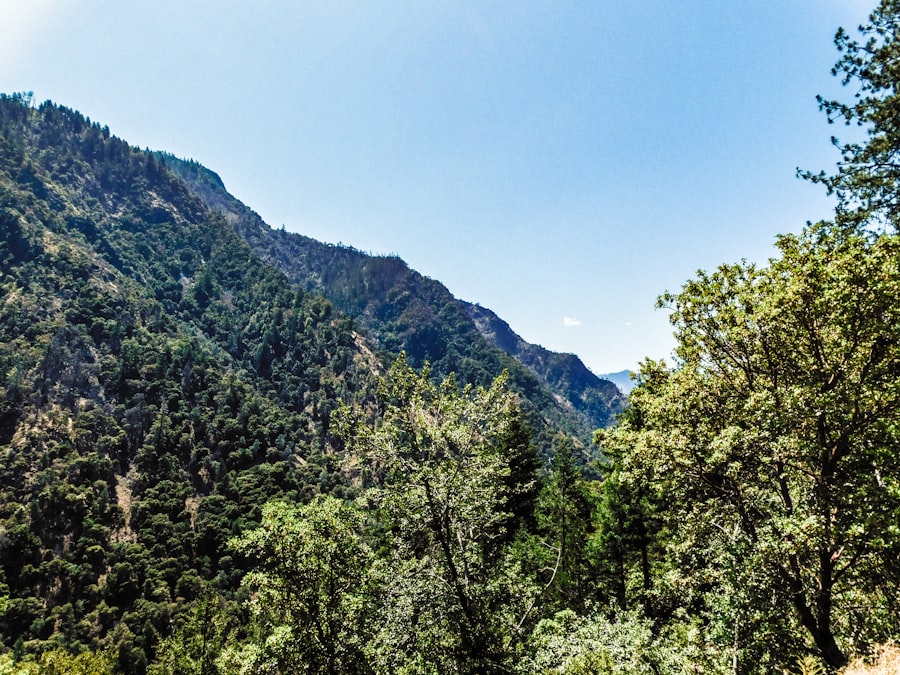
Understanding the history of fires in the Klamath National Forest relies on piecing together information from various sources, from ancient ecological indicators to modern digital databases. These records provide invaluable insights into the frequency, size, and impact of past fire events.
Early Accounts and Observations
Before the advent of systematic record-keeping, information about fires came from scattered observations. These included accounts from early explorers, settlers, and indigenous peoples, often describing significant fire events that impacted their lives or the landscape. These anecdotal records, while not always precise, can offer valuable context about the scale and nature of past fires.
Indigenous Oral Traditions
The oral traditions of indigenous communities are rich with stories and knowledge about historical fires. These narratives often describe significant fire events, their causes, and their impacts on the environment and human life, serving as a vital historical record passed down through generations.
Pioneer Journals and Diaries
The journals and diaries of early settlers and pioneers sometimes contain descriptions of widespread fires, particularly those that threatened their homesteads or impacted the landscape they were beginning to inhabit. These personal accounts offer a glimpse into the lived experience of fire in the region.
The Rise of Forest Service Records
The establishment of the U.S. Forest Service in the early 20th century brought a more systematic approach to documenting forest fires. Fire lookouts began to be established, and records of fire starts, their causes, size, and suppression efforts were compiled.
Fire Atlas and Mapping
Over time, these records were compiled into fire atlases and maps, providing a visual history of fire activity across the Klamath National Forest. These maps often show the perimeters of past fires, allowing for an analysis of fire patterns, frequency, and the spatial distribution of burned areas.
Cause and Effect Analysis
Forest Service records also began to categorize fires by their causes, distinguishing between lightning-caused fires and human-caused ignitions. This data became crucial for understanding the changing drivers of fire activity in the region.
Modern Fire Databases and Remote Sensing
In recent decades, advancements in technology have revolutionized fire documentation. Sophisticated databases and remote sensing technologies have made it possible to track fires with unprecedented accuracy and analyze their impacts over vast areas.
Geographic Information Systems (GIS)
Geographic Information Systems (GIS) have become an indispensable tool for analyzing fire history. GIS allows land managers to integrate various data layers, including topography, vegetation types, historical fire perimeters, and weather patterns, to create detailed historical fire analyses and predictive models.
Satellite Imagery and Burn Severity Mapping
Satellite imagery provides a powerful means of assessing fire extent and severity. Technologies like the Moderate Resolution Imaging Spectroradiometer (MODIS) and Landsat satellites allow for the mapping of burned areas and the quantification of burn severity across large landscapes, offering a consistent and objective measure of fire impacts.
The Klamath forest fire history is a crucial aspect of understanding the ecological changes in the region, and it has been extensively documented in various studies. For those interested in exploring how environmental factors can influence broader geopolitical issues, a related article discusses the implications of the new space cold war and its potential effects on natural resources. You can read more about it here, which provides insights into how global tensions may intersect with environmental concerns like those seen in the Klamath region.
Notable Fire Events: Echoes of the Inferno
| Year | Number of Fires | Acres Burned |
|---|---|---|
| 2010 | 15 | 25,000 |
| 2011 | 10 | 20,000 |
| 2012 | 20 | 30,000 |
| 2013 | 12 | 22,000 |
Throughout its history, the Klamath National Forest has experienced a number of significant fire events that have left indelible marks on the landscape and shaped its ecological trajectory. These fires, often driven by a confluence of weather, fuel conditions, and ignition sources, serve as important case studies in understanding fire behavior and its impacts.
The Great Fire of 1910
While not exclusively within the Klamath, the conflagrations of 1910, collectively known as the “Great Fire of 1910,” had a profound impact on fire management policy across the western United States, including the Klamath region. This massive firestorm burned millions of acres and led to the strengthening of fire suppression efforts.
Western United States Impact
The Great Fire of 1910 was a catastrophic event that burned an estimated 3 million acres in the Northwest, with significant portions affecting Idaho, Montana, and eastern Washington. The sheer scale and intensity of this fire galvanized public and governmental support for aggressive fire suppression.
Shift in Policy
The perceived failure of suppression efforts during the Great Fire, despite the best intentions, reinforced the belief that fire was an enemy to be eradicated. This solidified the “total fire suppression” doctrine that would guide forest management for decades to come, leading to the fuel buildup discussed earlier.
The Biscuit Fire of 2002
A more recent and significant event within the Klamath National Forest was the Biscuit Fire of 2002. This massive complex of fires burned over 500,000 acres and offered a stark illustration of the consequences of decades of fire suppression.
Causes and Spread
The Biscuit Fire was ignited by lightning strikes during a period of extreme drought and high winds. The vast accumulation of fuels from decades of suppression allowed the fire to spread rapidly and intensely, creating its own weather systems and posing significant challenges to suppression efforts.
Ecological Impacts and Recovery
The Biscuit Fire had a dramatic impact on the landscape, with large areas experiencing high-severity burns. However, it also provided a significant opportunity for ecological recovery and regeneration. While some areas experienced considerable tree mortality, the fire also cleared out dense undergrowth, paving the way for new growth and demonstrating the forest’s inherent resilience. The fire also highlighted the complex debate around whether such large, naturally ignited fires should be allowed to burn under specific conditions.
Other Significant Fire Complexes
Beyond these landmark events, numerous other fire complexes have shaped the Klamath. These include fires in the early 20th century, such as the Okanogan Fire (though primarily in Washington, it influenced regional fire thinking), and more localized but still significant fires throughout the latter half of the century. Each of these events, documented in historical records, contributes to a broader understanding of the region’s fire history and the dynamic interplay of natural and human factors.
The Future of Fire in the Klamath: Adaptation and Management
As the Klamath National Forest navigates the challenges of a changing climate and the legacy of past land management practices, understanding its fire history is not merely an academic exercise. It is essential for developing effective strategies to manage the landscape for resilience, biodiversity, and human safety.
Understanding Fire Regimes for Modern Management
The lessons learned from studying the Klamath’s fire history are directly applicable to contemporary forest management. Recognizing the historical fire regimes, including their frequency, intensity, and the role of natural ignitions, provides a crucial baseline for setting management objectives.
Returning to Natural Fire Regimes
There is a growing recognition that complete fire suppression is not sustainable or ecologically sound. Modern management increasingly aims to reintroduce fire into the landscape where appropriate, mimicking historical processes to restore forest health and reduce the risk of catastrophic wildfires.
Prescribed Burning and Mechanical Treatments
Prescribed burning, carefully planned and executed fires ignited under specific conditions, is a key tool for reducing fuel loads and restoring ecological processes. Mechanical treatments, such as thinning and mastication, are also used to reduce fuel density and alter forest structure, particularly in areas where prescribed fire is not feasible or poses too great a risk.
Climate Change and Fire Behavior
The impacts of climate change are exacerbating the challenges of fire management in the Klamath. Rising temperatures, prolonged droughts, and changes in precipitation patterns are creating conditions that favor more frequent and intense wildfires.
Increased Fuel Aridity
Warmer temperatures and drier conditions lead to increased fuel aridity, making vegetation more susceptible to ignition and allowing fires to spread more rapidly and burn more intensely. This creates a feedback loop where fires become more frequent and severe, further altering the landscape.
Shifting Vegetation and Fire Ecology
Climate change can also lead to shifts in vegetation types, potentially introducing new fuel profiles and altering the historical fire ecology of the region. Understanding these potential shifts is crucial for adapting management strategies.
Collaborative Stewardship and Community Resilience
Effective fire management in the Klamath National Forest requires a collaborative approach involving federal and state agencies, tribal nations, local communities, and private landowners. Building community resilience involves educating the public about fire risks and promoting practices that reduce vulnerability.
Tribal Co-Management and Traditional Ecological Knowledge
The involvement of tribal nations is vital, drawing upon their deep understanding of traditional ecological knowledge and their long history of working with fire. Co-management initiatives can integrate traditional practices with modern science to create more holistic and effective fire management strategies.
Public Education and Preparedness
Educating the public about fire safety, defensible space around homes, and the importance of fire-adapted communities is crucial. This includes promoting “Living with Fire” initiatives and encouraging residents to take an active role in reducing their vulnerability to wildfires.
By delving into the rich and complex history of fire in the Klamath National Forest, from its ancient, lightning-struck origins to the challenges of a modern, climate-changed world, one gains a profound appreciation for this dynamic landscape. The echoes of past infernos are not just cautionary tales; they are lessons in resilience, adaptation, and the intricate dance between nature and humanity. The future of the Klamath, like its past, will undoubtedly be shaped by fire, and understanding its history is the first step toward fostering a future where this powerful force can be managed for the benefit of both the forest and the communities that call it home.

The Wilderness Was Engineered
FAQs
What is the history of forest fires in the Klamath region?
The Klamath region has a long history of forest fires, with both natural and human-caused fires occurring throughout the years. The area has experienced large, destructive fires, including the Biscuit Fire in 2002, which burned over 500,000 acres.
What are the main causes of forest fires in the Klamath region?
Forest fires in the Klamath region can be caused by a variety of factors, including lightning strikes, human activities such as campfires, equipment use, and arson. The combination of dry, hot conditions and dense vegetation in the area makes it particularly susceptible to wildfires.
How have forest management practices impacted the frequency and severity of fires in the Klamath region?
Historically, fire suppression efforts in the Klamath region have led to an accumulation of dense vegetation, which can fuel more intense and destructive fires. However, there has been a shift towards more proactive forest management practices, such as prescribed burns and thinning, to reduce the risk of catastrophic wildfires.
What are the ecological impacts of forest fires in the Klamath region?
Forest fires play a natural role in the Klamath region’s ecosystem, helping to clear out old vegetation and promote new growth. However, large, intense fires can have negative impacts on wildlife habitat, water quality, and air quality. Post-fire recovery and restoration efforts are important for maintaining the ecological health of the region.
What measures are being taken to prevent and mitigate forest fires in the Klamath region?
Efforts to prevent and mitigate forest fires in the Klamath region include prescribed burns, fuel reduction projects, public education and outreach, and improved firefighting techniques. Collaboration between federal, state, and local agencies, as well as community involvement, is crucial for effective fire management in the area.