The sun, a distant, fierce eye in the Egyptian sky, beat down upon the ochre sands. Yet, beneath this arid surface, a world of unimaginable vibrancy once thrived. Millions of years ago, during the Late Cretaceous period, Egypt was not a desert but a vast, shallow sea, a marine superhighway teeming with life. Paleontologists, armed with trowels and an insatiable curiosity, delve into these ancient seabeds, piecing together a lost world that offers profound insights into the evolution of marine life and the dramatic shifts that Earth has undergone.
The Late Cretaceous, a period spanning roughly 100 to 66 million years ago, witnessed a dramatic transformation of Egypt’s geography. The familiar deserts and Nile Valley were submerged under the Tethys Sea, a vast oceanic expanse that stretched across much of the globe. This marine environment was far from uniform; it comprised diverse habitats, from shallow, sunlit coastal waters to deeper, more abyssal plains. Understanding this geological backdrop is crucial to comprehending the ecosystems that flourished within it.
The Tethys Sea: A Cretaceous Ocean
The Formation of Fossil-Bearing Sediments
The fossil record of Late Cretaceous Egypt is primarily preserved within thick layers of marine sedimentary rocks. These deposits, predominantly limestones and marls, formed from the accumulation of marine organisms’ skeletal remains, such as shells, corals, and plankton. Over geological timescales, these sediments were compacted and lithified, creating the rock formations that paleontologists now meticulously explore. The nature of these sediments provides clues about the water depth, temperature, and salinity of the ancient sea.
Limestone Formations: Clues to Shallow Marine Life
Limestones, often composed of the fossilized shells of foraminifera (microscopic single-celled organisms) and rudist bivalves (extinct shell-bearing mollusks), are indicative of shallow, warm, and well-lit marine environments. The abundance of these fossils in certain Egyptian formations suggests extensive reef-like structures and thriving coastal ecosystems during the Late Cretaceous.
Marl Deposits: Insights into Deeper or More Turbid Waters
Marls, a type of calcareous mudstone, can indicate slightly deeper or more turbid waters. The fine-grained nature of these sediments, often mixed with organic material, suggests a different set of environmental conditions compared to pure limestone deposits, potentially supporting distinct faunal communities.
Depositional Environments: From Coastlines to Offshore Waters
Identifying Paleo-Shorelines
By analyzing the types of fossils present and the sedimentary structures, paleontologists can reconstruct the position of ancient shorelines. For instance, the presence of terrestrial plant fragments alongside marine fossils might indicate proximity to landmasses.
Reconstructing Offshore Zones
The distribution and types of marine fossils, such as ammonites and large predatory fish, help scientists delineate offshore zones and understand the prevailing currents and nutrient availability in these areas.
The Late Cretaceous marine ecosystem in Egypt was a vibrant and dynamic environment, characterized by diverse marine life including large predatory dinosaurs and a variety of invertebrates. This period is crucial for understanding the evolutionary history of marine species. For those interested in the broader implications of ancient maps and their interpretations, a related article discusses the Piri Reis map and its historical significance. You can read more about it in this article: Debunking the Piri Reis Map: Why It’s Impossible.
Giants of the Deep: Apex Predators of the Cretaceous Seas
The Late Cretaceous marine ecosystems of Egypt were not for the faint of heart. They were dominated by formidable predators, creatures that occupied the apex of the food chain and shaped the very structure of these ancient seas. The discovery of their remains offers a visceral glimpse into the raw power and evolutionary prowess of these long-extinct marine behemoths.
Mosasaurs: Masters of the Open Ocean
Perhaps the most iconic predators of the Late Cretaceous seas were the mosasaurs. These were not dinosaurs in the traditional sense, but rather a diverse group of large, predatory marine lizards that evolved from terrestrial ancestors. Egypt, particularly the phosphate deposits of the Western Desert, has yielded a treasure trove of mosasaur fossils, providing crucial information about their anatomy, diet, and behavior.
Tylosaurus and Mosasaurus: The Tyrants of the Tethys
Fossils of genera like Tylosaurus and Mosasaurus have been discovered in Egypt, revealing animals that could reach lengths of over 15 meters. Their powerful jaws, lined with sharp, conical teeth, were perfectly adapted for crushing the shells of prey like turtles and other marine reptiles.
Adaptations for Marine Life: Streamlined Bodies and Powerful Tails
The skeletal structure of mosasaurs reveals significant adaptations for a fully aquatic lifestyle. They possessed streamlined bodies, paddle-like limbs for propulsion and steering, and a powerful, laterally compressed tail that likely provided the main thrust for swimming.
Plesiosaurs: The Long-Necked Hunters
Alongside mosasaurs, plesiosaurs, with their characteristic long necks and flattened bodies, also patrolled the Late Cretaceous seas. While perhaps less fearsome than the mosasaurs, they were still effective predators, their elongated necks allowing them to strike at unsuspecting prey from a distance.
Elasmosaurids: The Elongated Predators
Elasmosaurids, a family of plesiosaurs known for their extraordinarily long necks, are thought to have inhabited the Egyptian seas. Their long necks, composed of numerous vertebrae, provided an exceptional reach, enabling them to forage in a wide range of depths and locations.
Diet and Hunting Strategies
The dentition of plesiosaurs suggests a diet of fish and squid. Their hunting strategy likely involved stealth and a rapid strike with their long necks, engulfing their prey whole.
Sharks: Ancient Predators Enduring
Sharks have a long evolutionary history, and the Late Cretaceous was no exception. Various species of sharks, including some familiar to us today, inhabited these ancient waters, playing a vital role in the marine food web.
Lamniform Sharks: The Great White Ancestors
Fossil teeth suggest the presence of large predatory sharks belonging to the order Lamniformes, the group that includes modern great white sharks. These apex predators likely preyed on fish, smaller marine reptiles, and even juvenile mosasaurs.
Other Shark Species: A Diverse Assemblage
Beyond the large predators, evidence points to a variety of other shark species, occupying different ecological niches and contributing to the overall biodiversity of the ecosystem.
A World of Shells and Scales: The Diverse Invertebrate and Vertebrate Life
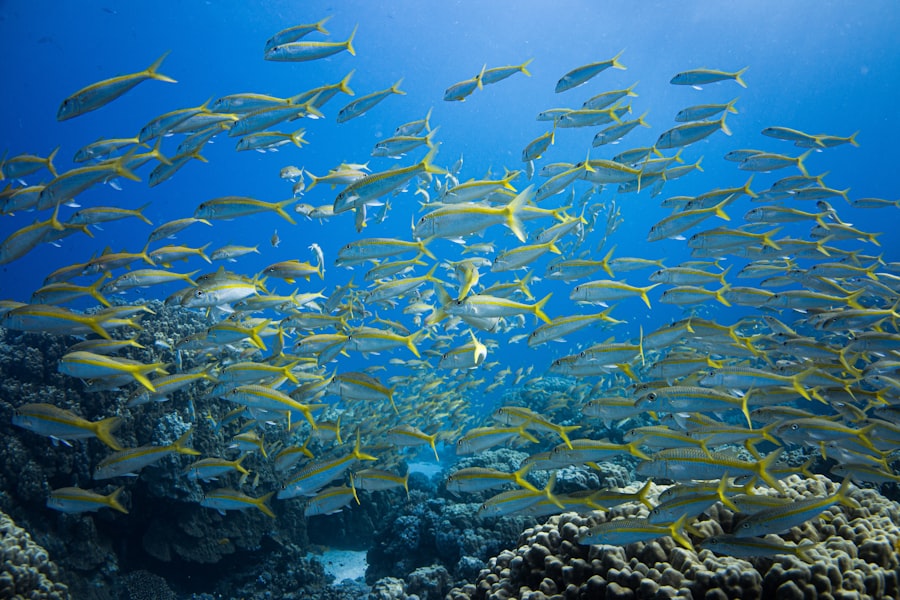
The Late Cretaceous marine ecosystem of Egypt was not solely defined by its colossal predators. A vibrant tapestry of invertebrates and other vertebrates formed the foundation of this complex food web, each playing a crucial role in the health and functioning of the ancient seas.
The Reign of Bivalves: Rudists and Their Reefs
The rudist bivalves were a dominant force in many Late Cretaceous marine environments, including those of Egypt. These extinct bivalves, with their bizarre, irregular shells, were reef-builders, creating complex underwater structures that provided habitat for countless other organisms.
Rudist Reefs: Ecosystem Engineers
Rudist reefs, analogous to modern coral reefs, were teeming with life. Their irregular forms created nooks and crannies that offered shelter and foraging grounds for smaller fish, crustaceans, and other invertebrates.
Diversity of Rudist Forms
The fossil record reveals a remarkable diversity of rudist forms, adapted to different environmental conditions, from shallow, wave-swept areas to deeper, calmer waters.
Ammonites and Belemnites: The Cephalopod Successors
Ammonites, with their coiled shells, and belemnites, with their bullet-shaped internal shells, were abundant cephalopods that drifted or swam through the Late Cretaceous seas. They were a crucial food source for many predators, including mosasaurs and fish.
Ammonite Diversity: Indicators of Age and Environment
The study of ammonite fossils is invaluable for dating rock formations and understanding ancient marine environments due to their rapid evolution and wide distribution. The diverse array of ammonites found in Egypt provides a detailed timeline of the Late Cretaceous period.
Belemnites: Ancient Squid-like Creatures
Belemnites, the extinct relatives of modern squid, were common in these seas. Their internal shells, called rostra, are often found as fossils and offer clues about their biology and prevalence.
Fish: From Schooling Prey to Specialized Hunters
The fish communities of the Late Cretaceous Egyptian seas were diverse, ranging from small, schooling species that formed the base of the food web to larger, more specialized predators.
Bony Fish: A Crucial Food Source
Fossilized remains of various bony fish have been discovered, indicating their role as a primary food source for larger marine reptiles and sharks.
Cartilaginous Fish: Rays and Skates
Evidence also suggests the presence of cartilaginous fish like rays and skates, further diversifying the vertebrate fauna of the ancient seas.
Marine Reptiles: Beyond Mosasaurs and Plesiosaurs
While mosasaurs and plesiosaurs often steal the spotlight, other marine reptiles also inhabited these waters.
Sea Turtles: Ancient Mariners
Fossilized sea turtle remains point to their presence in the Late Cretaceous Egyptian seas, foraging on vegetation or small invertebrates.
Crocodylomorphs: The Transitional Forms
Some semi-aquatic crocodylomorphs, ancestors of modern crocodiles, may have also ventured into these marine environments, blurring the lines between terrestrial and aquatic life.
The Phosphate Deposits: A Window into Ecosystem Dynamics

The phosphate deposits found in the Western Desert of Egypt are not merely geological curiosities; they are a remarkably well-preserved window into the Late Cretaceous marine ecosystem. These deposits, formed under specific conditions, contain an extraordinary concentration of marine fossils, offering unparalleled insights into the interactions between organisms and their environment.
Formation of Phosphate Deposits: Nutrient-Rich Environments
The formation of phosphate deposits is often linked to periods of upwelling, where nutrient-rich deep waters rise to the surface. This influx of nutrients fuels high biological productivity, leading to a massive accumulation of organic matter and skeletal remains.
The Role of Upwelling
Upwelling events are critical for creating the conditions necessary for phosphate deposition. The increased availability of nutrients supports vast blooms of plankton, which then form the base of a robust marine food web.
Sedimentation and Preservation
The rapid burial of organic material and skeletal debris in these nutrient-rich environments leads to excellent fossil preservation, including delicate structures that might be lost in other depositional settings.
Fossil Assemblages: Revealing Food Webs and Interactions
The richness and diversity of the fossil assemblages within these phosphate deposits allow paleontologists to reconstruct detailed food webs and understand the complex interactions between different species.
Identifying Predator-Prey Relationships
The presence of fossilized stomach contents, bite marks on bones, and the co-occurrence of predator and prey fossils provide direct evidence of feeding relationships. For instance, finding fish scales within the gut of a mosasaur fossil clearly indicates a predatory event.
Understanding Competition and Symbiosis
By analyzing the distribution and abundance of different fossil types, scientists can infer patterns of competition for resources and the potential existence of symbiotic relationships between ancient marine organisms.
Dating and Stratigraphy: Pinpointing Periods of Life
The meticulous study of the fossil content and sedimentary layers within the phosphate deposits allows for precise dating of the marine ecosystems. This stratigraphic information is crucial for understanding the timeline of evolution and the environmental changes that occurred over millions of years.
Ammonites as Chronometers
As mentioned previously, ammonites are excellent index fossils, allowing for precise age determination of the rock layers.
Correlation with Global Events
By comparing the Egyptian fossil record with that of other regions, paleontologists can correlate these ancient ecosystems with global geological and climatic events, providing a broader context for understanding their development and eventual demise.
The Late Cretaceous marine ecosystem in Egypt has garnered significant interest among paleontologists, particularly due to its unique fossil record and the insights it provides into ancient marine life. A fascinating article that delves into the complexities of ancient maps and their implications for understanding historical geography can be found at this link. This exploration not only highlights the significance of cartography in historical contexts but also complements the study of ancient ecosystems like those in Late Cretaceous Egypt, shedding light on how geographic knowledge has evolved over time.
The End of an Era: Extinction and the Dawn of a New Marine World
| Species | Abundance | Diversity |
|---|---|---|
| Ammonites | High | High |
| Mollusks | Medium | High |
| Marine reptiles | Low | Low |
| Fish | High | Medium |
The Late Cretaceous period, despite its vibrant marine life, was ultimately brought to an abrupt end by one of the most significant extinction events in Earth’s history: the Cretaceous-Paleogene (K-Pg) extinction event, approximately 66 million years ago. This cataclysm reshaped the planet’s biodiversity, leading to the demise of many iconic groups, including the non-avian dinosaurs and, crucially for our discussion, the large marine reptiles like mosasaurs and plesiosaurs.
The Chicxulub Impact: A Global Catastrophe
The prevailing scientific consensus attributes the K-Pg extinction to the impact of a large asteroid or comet in the Yucatan Peninsula, Mexico. This colossal impact triggered a cascade of devastating environmental consequences that reverberated across the globe, including the marine realm.
Immediate Effects: Shockwaves and Tsunamis
The immediate aftermath of the impact would have been catastrophic, with massive shockwaves, widespread wildfires, and colossal tsunamis that would have ravaged coastal and shallow marine environments.
Long-Term Consequences: Impact Winter and Ocean Acidification
More prolonged and devastating effects included the ejection of vast amounts of dust and debris into the atmosphere, blocking sunlight and leading to an “impact winter” that plunged the planet into prolonged darkness and cold. This, coupled with widespread volcanic activity, also likely contributed to significant ocean acidification, further stressing marine life.
The Demise of Apex Predators: Mosasaurs and Plesiosaurs
The large marine reptiles, particularly the mosasaurs and plesiosaurs, which had dominated the Late Cretaceous seas, were among the most significant casualties of the K-Pg extinction. Their specialized adaptations and reliance on specific prey may have made them particularly vulnerable to the rapid and drastic environmental changes.
Vulnerability of Top Predators
Apex predators, by their nature, often have smaller population sizes and longer generation times, making them less resilient to mass extinction events compared to more generalist or smaller organisms.
Loss of Key Food Sources
The collapse of the food web due to the extinction of numerous prey species would have further impacted these large predators, leading to starvation and population decline.
The Survivors and the Reshaping of Marine Ecosystems
While the K-Pg extinction wiped out a significant portion of marine life, it also paved the way for the diversification of new groups. Organisms that were more adaptable, had broader diets, or occupied less affected niches, such as certain fish, invertebrates, and mammals, began to flourish in the post-extinction world.
The Rise of Mammalian Predators
In the ensuing Paleogene period, marine mammals, such as whales and dolphins, would eventually evolve and fill some of the ecological roles previously occupied by the large marine reptiles.
The Enduring Legacy of Sharks
Sharks, which had survived previous extinction events, continued to be a significant component of marine ecosystems, adapting to the new conditions and diversifying into various forms.
The exploration of Late Cretaceous marine ecosystems in Egypt, therefore, is not just an academic pursuit; it is a journey into Earth’s deep past, revealing the incredible resilience and dynamic nature of life. From the giants that ruled the Tethys Sea to the intricate web of invertebrates and fish, these ancient seabeds offer invaluable lessons about evolution, adaptation, and the profound power of geological and catastrophic events to reshape the living world. As paleontologists continue to unearth the secrets held within the Egyptian rock layers, our understanding of this lost world, and indeed our own planet’s history, grows ever richer.
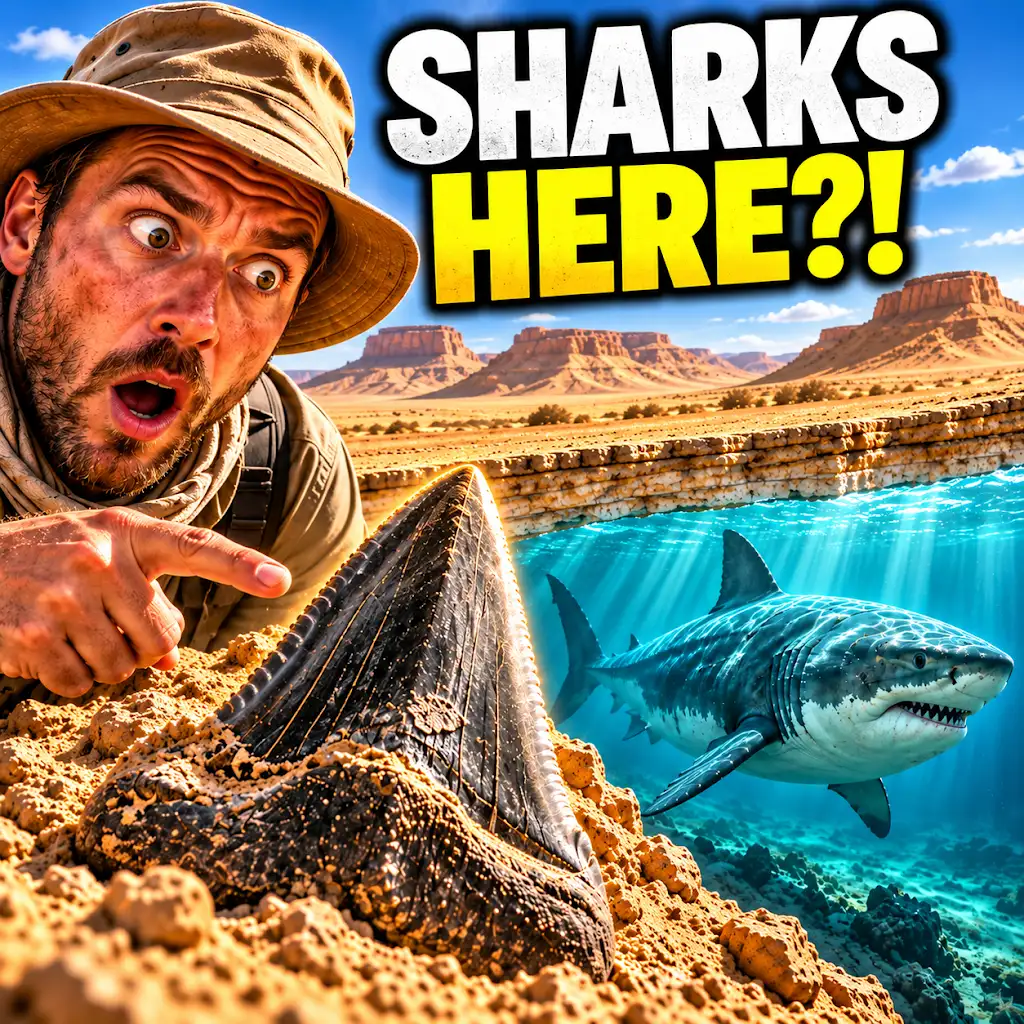
They Found a Shark Graveyard in the Egyptian Desert
FAQs
What is the Late Cretaceous marine ecosystem in Egypt?
The Late Cretaceous marine ecosystem in Egypt refers to the diverse array of marine life that existed in the region during the Late Cretaceous period, approximately 100 million years ago.
What types of marine life existed in the Late Cretaceous marine ecosystem in Egypt?
Fossils and evidence suggest that the Late Cretaceous marine ecosystem in Egypt was home to a variety of marine life, including ammonites, bivalves, gastropods, crinoids, and marine reptiles such as mosasaurs and sea turtles.
What geological formations in Egypt provide insight into the Late Cretaceous marine ecosystem?
The Late Cretaceous marine ecosystem in Egypt is preserved in geological formations such as the Duwi Formation, the Bahariya Formation, and the Quseir Formation, which have yielded numerous fossils and evidence of ancient marine life.
What can the study of the Late Cretaceous marine ecosystem in Egypt tell us about ancient marine life?
Studying the Late Cretaceous marine ecosystem in Egypt can provide valuable insights into the diversity, distribution, and evolution of marine life during this time period, as well as the paleoenvironmental conditions that existed in the region.
How does the Late Cretaceous marine ecosystem in Egypt contribute to our understanding of Earth’s history?
The Late Cretaceous marine ecosystem in Egypt offers a window into the past, allowing scientists to better understand the ancient marine ecosystems, biodiversity, and environmental changes that occurred during the Late Cretaceous period, contributing to our overall understanding of Earth’s history.