The Earth, a colossal and ancient entity, holds within its crust a sprawling narrative etched in stone and sediment. Among its many epochs, the Late Miocene, a period spanning roughly 11.6 to 5.3 million years ago, stands as a pivotal chapter, a time of dramatic environmental shifts, evolutionary innovations, and the very shaping of continental landscapes we recognize today. To explore the geology of this era is to peer into a world teetering between the familiar and the alien, a period that laid the groundwork for much of the biological and geological reality of our planet. This exploration delves into the profound geological transformations that defined the Late Miocene, unearthing secrets of ancient climates, continental drift, and the dynamic forces that sculpted our world.
The Late Miocene was a period of continued, albeit varying, tectonic activity across the globe. The grand, slow-motion ballet of Earth’s lithospheric plates continued its age-old dance, rearranging continents, raising mountain ranges, and opening and closing oceans. Understanding these tectonic movements is paramount to deciphering the geological and climatic conditions of the time.
Continental Drift and Seaway Dynamics
The fundamental driver of geological change during the Late Miocene was the relentless motion of tectonic plates. While the supercontinent Pangea was long gone, the world’s continental masses were still in a process of significant rearrangement. This movement not only influenced the distribution of land and sea but also played a crucial role in shaping ocean currents and atmospheric circulation patterns.
The Closure of Tethys and its Ramifications
One of the most significant geological events of this period, and indeed for millennia leading up to it, was the progressive closure of the Tethys Seaway. This vast ancient ocean, which once separated the supercontinents of Laurasia and Gondwana, was being squeezed shut by the ongoing collision between the African and Eurasian plates. This collision was responsible for the dramatic uplift of the Alps in Europe and the Zagros Mountains in Iran. The final closure of the Tethys in its western extent led to the formation of the Mediterranean Sea as a more distinct and somewhat isolated basin, a process that would have profound implications for regional climate and marine life. The drying and salinization of parts of this basin, culminating in the Messinian Salinity Crisis towards the very end of the Miocene, is a testament to the dramatic consequences of these ongoing tectonic shifts.
The Opening of the Atlantic and Pacific
In contrast to the closing of the Tethys, other regions witnessed the opening of new seaways and the widening of existing ones. The North Atlantic, though already well-established, continued to widen as the Mid-Atlantic Ridge asserted its influence. Similarly, the Pacific Ocean, the largest and deepest of Earth’s oceanic basins, remained an expansive realm of oceanic crustal production and subduction. The ongoing spreading at the East Pacific Rise and the numerous rift valleys within the Pacific basin continued to shape the volcanic arcs and island chains that characterize this region.
Orogeny and Mountain Building
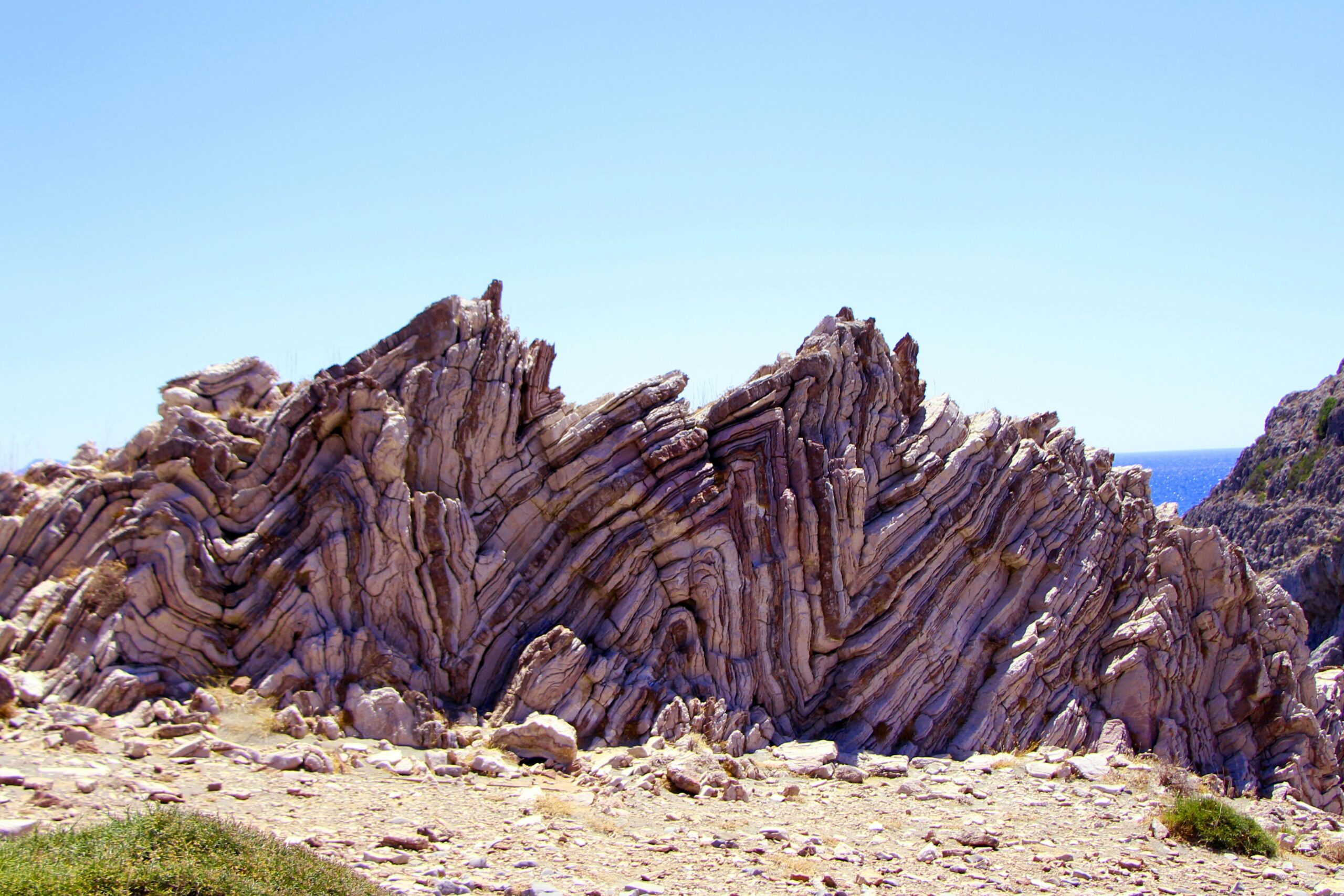
The Late Miocene was a period of significant orogeny, the geological process by which mountains are formed. The immense forces generated by plate collisions manifested most dramatically in the uplift and folding of the Earth’s crust.
The Rise of the Himalayas and Tibetan Plateau
The collision between the Indian and Eurasian plates, a titanic geological struggle that began tens of millions of years earlier, continued its relentless progress. This ongoing convergence was responsible for the spectacular uplift of the Himalayas and the vast Tibetan Plateau. This colossal mountain-building event had far-reaching consequences, influencing global atmospheric circulation patterns by creating a massive rain shadow and altering monsoon systems. The erosion of these newly formed mountains also provided vast quantities of sediment that were transported by rivers to surrounding basins, contributing to the geological record.
The Ancestral Andes and Western Cordilleras
In South America, the Andean mountain range was undergoing significant uplift and diversification. The convergence of the Nazca and Antarctic plates with the South American plate led to extensive volcanism and the formation of the high-altitude Altiplano. The complex geological history of the Andes during the Late Miocene saw the development of diverse mineral deposits and the creation of varied ecological niches that would support distinct evolutionary pathways.
Basin Formation and Subsidence
Concurrent with mountain building, the forces of plate tectonics also drove the formation and subsidence of large sedimentary basins. These areas, often located between or at the flanks of rising mountain ranges, served as vast depositories for the eroded material. These basins are geological treasure troves, preserving intricate records of past environments, climate, and life. The foreland basins adjacent to the Himalayas, for instance, accumulated immense thicknesses of sediment, providing invaluable insights into the erosion rates and sediment provenance of this colossal mountain belt.
The Late Miocene epoch, characterized by significant geological and climatic changes, has been the focus of various studies that explore its impact on contemporary environmental issues. One such article that delves into ancient wisdom and its relevance to modern climate challenges is available at this link: Surviving Climate Change: Ancient Wisdom. This piece discusses how insights from past geological periods, including the Late Miocene, can inform current strategies for adapting to climate change.
Climate and Atmospheric Dynamics: A World in Transition
The Late Miocene was not a geologically static period; it was a time of significant climatic flux, with global temperatures and atmospheric composition undergoing notable shifts. These changes were intricately linked to the geological processes underway, particularly plate tectonics and its impact on ocean currents and landmass configuration.
Cooling Trends and the Expansion of Arid Environments
Towards the latter half of the Miocene, a discernible global cooling trend began to emerge. This cooling was not uniform across the planet, but it demonstrably influenced vegetation patterns and sea levels. The expansion of arid and semi-arid environments in many parts of the world, notably in Africa and the Americas, became increasingly evident.
The Drying of the Mediterranean and the Messinian Salinity Crisis
Perhaps the most dramatic climatic and geological event of the very late Miocene was the Messinian Salinity Crisis (MSC). This extraordinary event, occurring between 5.96 and 5.33 million years ago, saw the Mediterranean Sea repeatedly desiccate and refill. The closure of the Strait of Gibraltar, driven by tectonic forces, effectively cut off the Mediterranean from the Atlantic Ocean. Without replenishment, the intense evaporation rates in the warm Mediterranean climate led to the deposition of massive evaporite layers – thick beds of salt, gypsum, and anhydrite – in the basin. This event had catastrophic consequences for marine life and dramatically altered regional climate. The geological evidence for this crisis is undeniable, with vast salt deposits found both onshore and offshore the Mediterranean.
The Shift Towards Grasslands and Savannas
The cooling temperatures and increased aridity, particularly in Africa, are thought to have played a crucial role in the expansion of grasslands and savannas. This transition from more forested environments created new ecological niches and spurred evolutionary adaptations in herbivorous mammals, leading to the diversification of ungulates and the emergence of key hominin ancestors in Africa. The geological record, in the form of fossilized pollen and plant remains, provides direct evidence for these dramatic shifts in vegetation.
Volcanic Activity and its Climatic Influence
Volcanic eruptions, both effusive and explosive, are significant geological events with profound and sometimes prolonged impacts on Earth’s climate. The Late Miocene was no exception, with periods of heightened volcanic activity influencing atmospheric composition and Earth’s energy balance.
Large Igneous Provinces and Their Impact
The formation of Large Igneous Provinces (LIPs) – vast outpourings of basaltic lava – during the Miocene, although perhaps more prominent in earlier periods, could still have had lingering effects on atmospheric composition. These events can release significant amounts of greenhouse gases, such as carbon dioxide, into the atmosphere, potentially contributing to warmer periods. Conversely, massive volcanic eruptions can also inject aerosols into the stratosphere, reflecting solar radiation and leading to short-term cooling. The precise role and timing of specific LIPs in influencing Late Miocene climate is an ongoing area of research.
The Role of Subduction Zone Volcanism
The active plate boundaries, particularly subduction zones, were sites of widespread volcanism. The Andes, the Cascades, and the arcs of the western Pacific were all volcanically active. While individual eruptions might have had localized and short-lived climatic impacts, sustained volcanic activity over large regions could contribute to regional atmospheric changes and influence the transport of volcanic ash, which can affect albedo and cloud formation.
Paleobiogeography: The Distribution of Life in a Changing World
The geological and climatic transformations of the Late Miocene had a profound impact on the distribution and evolution of life on Earth. Paleobiogeography, the study of the geographical distribution of organisms, helps us reconstruct these ancient ecosystems and understand the barriers and corridors that shaped biodiversity.
Faunal Exchanges and the Formation of Zoogeographical Realms
The shifting configurations of continents and the opening and closing of seaways created new opportunities for faunal exchange as well as isolation. These exchanges played a significant role in shaping the zoogeographical realms we recognize today.
The Great American Biotic Interchange (GABI)
While the GABI, the massive exchange of fauna between North and South America, is often associated with the Pliocene when the Isthmus of Panama fully formed, the geological processes that led to its emergence were well underway in the Late Miocene. Gradual uplift and volcanism in the Isthmian region created land bridges and stepping stones, allowing for the initial migration of species in both directions. This geological precursor was crucial in setting the stage for the dramatic biotic rearrangement that followed. The geological evidence for the emergence of Panama, including marine sediment cores and uplifted coastal terraces, provides the framework for understanding the timing and extent of these early exchanges.
Biotic Dispersal and Isolation in Africa and Eurasia
The Late Miocene saw ongoing interactions and isolations between the fauna of Africa and Eurasia. The Mediterranean Sea, varying in its connectivity, would have acted as a barrier or a corridor for dispersal at different times. Similarly, the formation of mountain ranges like the Alps would have created barriers, leading to the diversification of species in isolated regions. The fossil record of mammals and other vertebrates from these continents provides clear evidence of these complex patterns of dispersal and vicariance.
Floral Distributions and Vegetation Zones
The patterns of plant distribution also changed dramatically in response to Late Miocene geological and climatic shifts. The expansion and contraction of forests, grasslands, and other vegetation types carved out new territories for plant species.
The Spread of C4 Grasses
The Late Miocene witnessed a significant increase in the prevalence of C4 grasses. These grasses, adapted to warmer, drier conditions and higher CO2 concentrations, expanded their range, particularly in tropical and subtropical regions. This proliferation of grasslands had a cascading effect on herbivore evolution, providing a new and abundant food source. Paleobotanical evidence, including the isotopic analysis of fossil teeth and the study of fossilized plant remains, supports the widespread expansion of C4 grasslands during this period.
Montane and Tropical Forest Dynamics
In areas of active mountain building, such as the Himalayas and the Andes, the elevational zonation of vegetation became more pronounced. As mountains rose, new altitudinal belts for forests, shrublands, and alpine meadows emerged. Tropical rainforests, while perhaps experiencing some retraction in drier regions, would have persisted in areas with sufficient rainfall, continuing to harbor immense biodiversity. The study of fossil pollen from these regions offers detailed insights into the composition and extent of these various vegetation zones.
Paleoclimatic Reconstruction: Unveiling Ancient Weather Patterns

Geologists employ a variety of ingenious methods to reconstruct the paleoclimates of the Late Miocene, piecing together fragmented clues from the Earth’s crust and fossilized life. These reconstructions paint a picture of a world with marked climatic variations.
Isotopic Proxies: Decoding Ancient Atmospheres
Stable isotopes, particularly oxygen and carbon isotopes found in marine fossils and cave speleothems, provide invaluable proxies for reconstructing past temperatures and atmospheric CO2 levels.
Oxygen Isotopes in Marine Carbonates
Marine organisms, such as foraminifera and mollusks, extract oxygen from seawater to form their shells and skeletons. The ratio of oxygen isotopes (¹⁸O/¹⁶O) in these fossilized remains is sensitive to both the temperature of the water and the global ice volume. By analyzing these ratios in Late Miocene marine sediments, geologists can infer past ocean temperatures and identify periods of glaciation or deglaciation. Periods of increased ¹⁸O enrichment, for example, generally indicate colder global temperatures and greater ice sheet formation.
Carbon Isotopes and CO2 Fluctuations
The carbon isotope ratio (¹³C/¹²C) in marine and terrestrial organic matter can provide insights into atmospheric CO2 concentrations and ocean circulation patterns. Shifts in the carbon cycle, driven by factors like volcanic outgassing and changes in productivity, are reflected in these isotopic signatures. For instance, a significant decrease in ¹³C in marine sediments can suggest increased terrestrial weathering and the release of organic carbon, or changes in oceanic carbon burial.
Sedimentological and Stratigraphic Evidence
The physical characteristics of rock layers, their composition, and their spatial relationships provide direct evidence of past environmental conditions.
Evaporite Deposits as Indicators of Aridity
The widespread occurrence of evaporite formations, such as salt flats and gypsum beds, dating to the Late Miocene is a clear indicator of arid or semi-arid conditions and periods of significant evaporation or desiccation, most notably in the context of the Messinian Salinity Crisis. The thickness, mineralogy, and lateral extent of these deposits offer clues about the duration and intensity of these arid phases.
Fossil Pollen and Leaf Fossils
The analysis of fossil pollen (palynology) and fossilized leaves (paleobotany) provides direct evidence of past vegetation types. The presence of pollen from specific types of trees, grasses, or shrubs indicates the prevailing climatic conditions, such as rainfall, temperature, and humidity. For example, an abundance of grass pollen suggests a drier, open environment, while pollen from broadleaf evergreen trees points to a warmer, wetter climate.
Varved Sediments and Seasonal Cycles
In some depositional environments, such as ancient lake beds or fjords, sediments can be deposited in annual layers called varves. These layers, often distinguishable by variations in grain size or organic content, can provide detailed records of seasonal climate variations, including temperature changes and precipitation patterns over hundreds or thousands of years.
The Late Miocene epoch is a fascinating period in geological history, marked by significant climatic changes and the evolution of various species. Understanding the geological shifts during this time can provide insights into current environmental trends. For a deeper exploration of how economic factors, such as the shifting wealth and the movement away from the US dollar, can influence global geological and environmental conditions, you can read more in this related article. Check it out here.
Legacy of the Late Miocene: Shaping Modern Earth
| Aspect | Details |
|---|---|
| Time Period | Late Miocene (11.63 to 5.333 million years ago) |
| Climate | Warmer and wetter than today, with global temperatures higher than present |
| Geological Events | Continued uplift of the Andes, formation of the Isthmus of Panama, and changes in ocean circulation |
| Life Forms | Diverse and evolving, with the emergence of early hominids and the spread of grasslands |
| Geological Features | Formation of new mountain ranges, changes in sea levels, and the development of modern river systems |
The geological events and climatic shifts of the Late Miocene were not mere footnotes in Earth’s history; they were powerful forces that profoundly shaped the planet we inhabit today, influencing its geography, its climate, and the trajectory of life itself.
The Foundation for Modern Biogeography
The faunal and floral distributions established or solidified during the Late Miocene laid the groundwork for the modern biogeographical patterns we observe. The dispersal routes opened and closed, the adaptive radiations spurred by new environments, and the isolations that led to endemism all have their roots in this critical period.
The Ancestral Roots of Modern Ecosystems
Many of the ecosystems we recognize today, from the vast savannas of Africa to the temperate forests of Europe and Asia, began to take on their characteristic forms during the Late Miocene. The evolution of key plant groups and the co-evolution of herbivores and their food sources created the ecological templates that would persist and diversify in the Cenozoic.
Tectonic Framework for Present-Day Landscapes
The mountain ranges, rift valleys, and basin structures that define much of Earth’s topography were either formed or significantly modified during the Late Miocene. The forces of plate tectonics continue to shape these landscapes, but the fundamental architecture was often established during this ancient epoch. The ongoing processes of erosion and deposition continue to sculpt these ancient forms, but the underlying geological framework remains a testament to the tectonic activity of the past.
Climatic Precursors to Current Patterns
While global climates have fluctuated significantly since the Late Miocene, some of the broader climatic regimes and their drivers were initiated or amplified during this period. The impact of large-scale mountain building on atmospheric circulation and the influence of oceanic gateways on global heat distribution are enduring legacies of Late Miocene geology. Understanding these ancient climatic dynamics provides valuable context for interpreting present-day climate change.
In conclusion, exploring the geology of the Late Miocene is an expedition into a dynamic and transformative period of Earth’s history. From the colossal forces of plate tectonics reshaping continents to the subtle yet profound shifts in climate and the ensuing evolution of life, this epoch offers a rich tapestry of geological wonders. The evidence preserved in the rocks beneath our feet serves as a silent testament to the planet’s ancient past, a past that continues to inform and influence the world we inhabit today. The ongoing research into Late Miocene geology promises to further illuminate these ancient processes, strengthening our understanding of Earth’s unfolding narrative.

When the Mediterranean Became a Desert | The Messinian Salinity Crisis Explained
FAQs
What is the Late Miocene period?
The Late Miocene period, which occurred approximately 11 to 5 million years ago, is a geological epoch within the Miocene epoch. It is characterized by significant changes in climate, sea levels, and the evolution of various plant and animal species.
What are some key geological events that occurred during the Late Miocene period?
During the Late Miocene period, there were significant tectonic events, including the continued uplift of the Himalayas and the formation of the Mediterranean Sea. Additionally, there were fluctuations in global sea levels and changes in the distribution of land and sea.
What are some notable geological formations from the Late Miocene period?
Some notable geological formations from the Late Miocene period include the Messinian Salinity Crisis, which resulted in the desiccation of the Mediterranean Sea, and the formation of the East African Rift, which led to the separation of the African and Arabian plates.
How did the Late Miocene period impact the evolution of life on Earth?
The Late Miocene period saw the evolution and diversification of many plant and animal species, including the emergence of early hominids in Africa. Additionally, changes in climate and geography during this time influenced the distribution and adaptation of various species.
What are some key areas of study within Late Miocene geology?
Key areas of study within Late Miocene geology include paleoclimatology, paleogeography, tectonics, and the evolution of flora and fauna. Researchers also study the impact of Late Miocene geological events on modern landscapes and ecosystems.