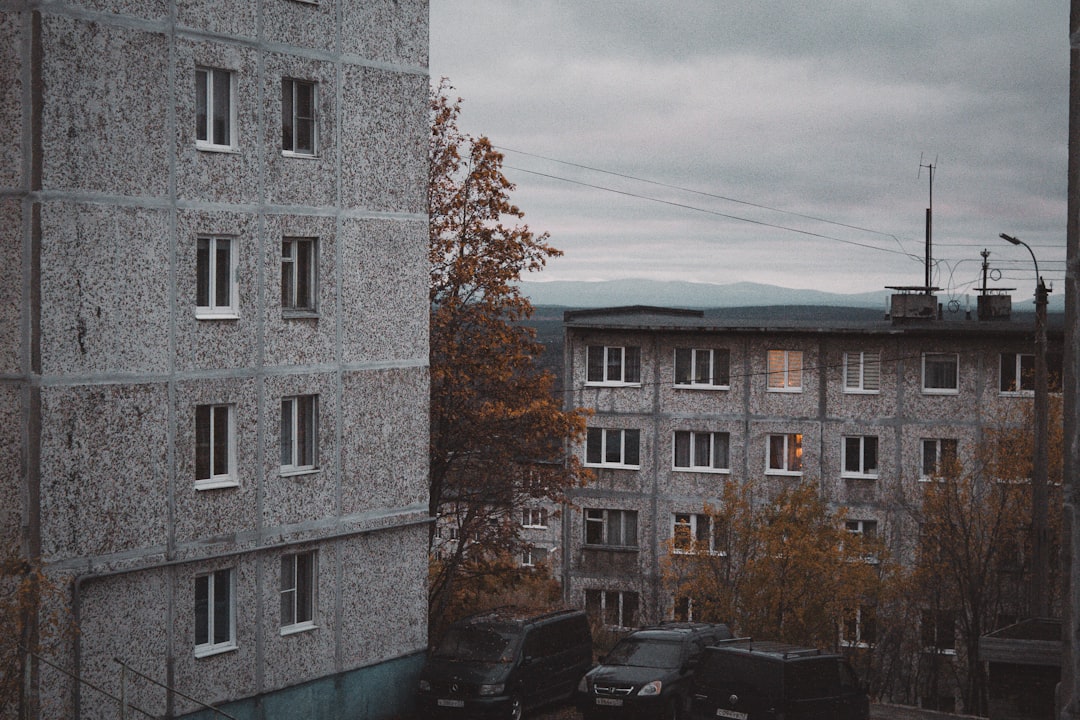
Pyramiden, a ghost town nestled on the Svalbard archipelago in the High Arctic, stands as a stark testament to a bygone era. Once a thriving Soviet coal-mining settlement, it has been largely abandoned since 1998, its buildings and infrastructure preserved by the frigid Arctic climate. Exploring Pyramiden is like stepping into a time capsule, a journey back to the heart of Soviet industrial ambition and the unique challenges of life in one of the world’s most remote outposts. The silence that now blankets the town is profound, broken only by the crunch of snow underfoot or the haunting cry of a seabird. Yet, within its decaying structures, the echoes of a vibrant, albeit isolated, community persist, offering a fascinating glimpse into a chapter of history that few have had the privilege to witness firsthand.
The Rise of a Soviet Arctic Outpost
The story of Pyramiden begins with the ambitious vision of the Soviet Union to secure its presence and economic interests in the resource-rich Arctic. The discovery of coal deposits on Spitsbergen (now Svalbard) by Norwegian prospectors in the early 20th century sparked interest from various nations, including the Soviets. Recognizing the strategic and economic potential, the Soviet government, through its Trust Arktikugol (Arctic Coal), established a presence on the archipelago.
The Founding and Early Development
The settlement of Pyramiden officially began in 1927, though significant development and population growth occurred later. The town was named after the pyramid-shaped mountain that overlooks it, a striking natural landmark that served as both a backdrop and an inspiration for the Soviet-style architecture. The initial efforts focused on establishing the infrastructure necessary for mining operations. This involved the construction of housing, a power plant, a school, a hospital, and other essential amenities. The goal was not merely to extract coal but to create a self-sufficient community that could sustain Soviet influence in the region.
The Strategic Importance of Arctic Coal
Coal mining in Pyramiden was not solely driven by economic motives. The Soviet Union saw its Arctic settlements as crucial for asserting sovereignty and maintaining a strategic foothold in a region of growing international importance. The presence of Soviet citizens and active industrial operations served as a clear signal of national presence. Furthermore, the coal itself was vital for powering Soviet industries and providing energy during a period of intense industrialization and geopolitical tension. The harsh environment and remoteness of Pyramiden only amplified the perceived significance of its success.
The Ideological Undertones
Beyond economics and strategy, the establishment of Pyramiden was also imbued with ideological purpose. The Soviet government aimed to showcase its ability to create thriving communities even in the most challenging environments, demonstrating the superiority of the socialist system. The town was designed to be a model settlement, with communal living, education, and recreational facilities intended to foster a sense of collective spirit and socialist camaraderie amongst its inhabitants. This ideological drive permeated every aspect of life in Pyramiden, from its architectural design to its social organization.
Pyramiden, the abandoned Soviet town in the Arctic, offers a fascinating glimpse into a bygone era of Cold War history, where life once thrived amidst the harsh polar environment. For those interested in exploring more about remote and mysterious locations, you might find the article on Antarctica’s hidden secrets intriguing. It delves into the enigmatic landscapes and the stories buried beneath the ice, drawing parallels to the isolation and history of places like Pyramiden. You can read more about it here: Uncovering the Secrets Beneath Antarctica’s Ice.
Life in the Arctic Embrace: Daily Existence in Pyramiden
Life in Pyramiden was characterized by a unique blend of communal living, hard work, and the constant presence of the unforgiving Arctic environment. The isolation meant that the community had to be largely self-reliant, fostering a strong sense of camaraderie and interdependence among its residents.
The Coal Miner’s Routine
The backbone of Pyramiden’s economy was its coal mine. Life for the miners was arduous, involving long shifts in challenging underground conditions. The work was physically demanding, and the risks associated with mining were ever-present. Yet, for many, it was a source of pride and a vital contribution to the Soviet economy. The mining operations were at the heart of the town’s existence, dictating the rhythm of daily life.
Communal Living and Social Fabric
Pyramiden was designed with communal living in mind. Apartments were often shared, and public spaces like the House of Culture and the sports hall played a central role in social life. The community was relatively small and close-knit, with everyone knowing each other. This fostered a strong sense of belonging and mutual support, essential for coping with the isolation and the extreme conditions. Children grew up together, and families relied on each other for companionship and assistance.
The Role of the House of Culture
The House of Culture was the social and cultural epicenter of Pyramiden. It housed a library, a cinema, a gymnasium, and rooms for various clubs and activities. This was where residents gathered for entertainment, education, and community events. From film screenings to musical performances and political lectures, the House of Culture served as a vital hub for intellectual and social engagement, helping to alleviate the monotony of Arctic life and reinforce Soviet values.
Recreation and Leisure in the Arctic
Despite the demanding work and isolation, residents of Pyramiden found ways to enjoy their leisure time. The sports hall offered facilities for volleyball, basketball, and other indoor activities. Outdoor recreation was also popular, with opportunities for cross-country skiing and hunting during the long winter months, and hiking and fishing in the brief Arctic summer. These activities not only provided physical exercise but also helped to connect residents with the unique natural beauty of their surroundings.
Education and Child Rearing
For families with children, education was a priority. Pyramiden had its own school, ensuring that the younger generation received a Soviet-style education. The school was a key institution, providing not only academic instruction but also instilling socialist values and preparing children for their future roles in Soviet society. The close-knit community likely meant that children were well-integrated into the social fabric, with a shared upbringing.
The Legacy of Soviet Architecture and Infrastructure
The architecture and infrastructure of Pyramiden are as much a part of its story as the people who lived there. The buildings, designed with functionality and Soviet aesthetics in mind, are now silent witnesses to a past era, their concrete and steel forms stark against the Arctic landscape.
Brutalist Design and Soviet Ideals
The architecture of Pyramiden is a classic example of Soviet Brutalism. Buildings are characterized by their imposing concrete structures, geometric shapes, and a deliberate lack of ornamentation. This style was intended to convey strength, efficiency, and the collective power of the state. The uniformity of the buildings reflected the Soviet ideal of social equality and mass production. Even the functional elements, like the power plant and the mine shafts, were designed to be imposing and representative of industrial might.
The Centralized Planning and Infrastructure
The town was meticulously planned and built with a centralized approach. Every aspect, from the layout of the streets to the provision of utilities, was orchestrated by the state. This ensured that all essential services were provided, making the settlement as self-sufficient as possible. The infrastructure included a hospital, a swimming pool, a kindergarten, and a vast network of tunnels connecting many of the buildings, offering shelter from the harsh weather.
The Iconic Lenin Statue
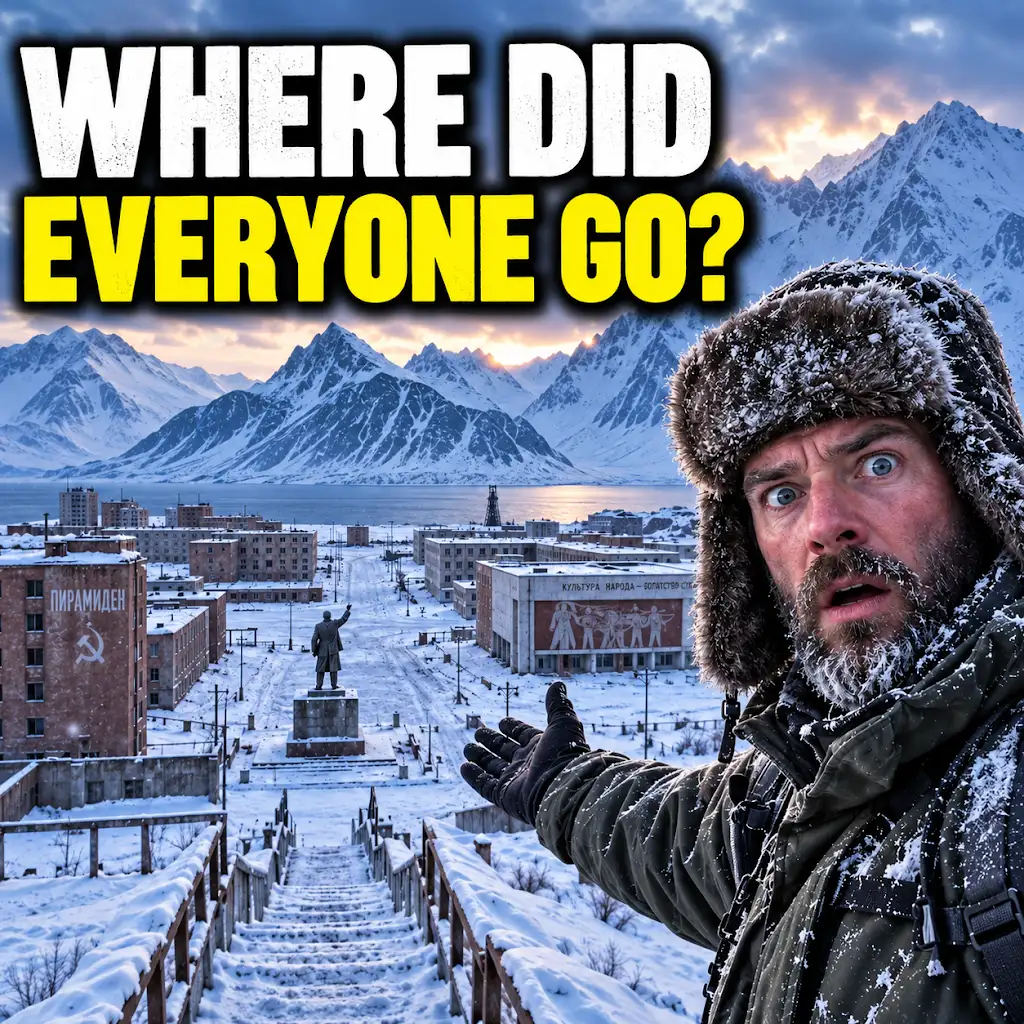
Dominating the central square of Pyramiden stands a prominent statue of Vladimir Lenin, the founder of the Soviet Union. This statue is a powerful symbol of the town’s Soviet identity and its ideological underpinnings. It served as a focal point for public gatherings and a constant reminder of the political system that shaped life in Pyramiden. Even in abandonment, the Lenin statue remains a poignant reminder of the ideological fervor that drove the establishment and maintenance of this remote outpost.
The Museum and Cultural Institutions
Beyond the functional, Pyramiden also boasted cultural institutions. The House of Culture, as mentioned, was a significant structure. There was also a museum dedicated to the history of the town and its mining operations, preserving artifacts and stories from its past. These spaces were intended to educate and entertain, contributing to the cultural landscape of the settlement and reinforcing a sense of shared history and identity.
The Intact Nature of the Structures
One of the most striking aspects of Pyramiden today is the remarkably intact state of its buildings. The cold, dry Arctic climate has acted as a natural preservative, preventing rapid decay. This means that visitors can still explore former apartments, offices, and public spaces, often with remnants of furniture and personal belongings still in situ. This preservation offers an unparalleled opportunity for historical immersion and reflection on the lives that were once lived within these walls.
The Decline and Abandonment of Pyramiden
The economic and political shifts of the late 20th century inevitably impacted Pyramiden, leading to its eventual decline and abandonment. The collapse of the Soviet Union brought significant changes to the management of state-owned enterprises, including those in remote Arctic regions.
Economic Challenges and Declining Coal Prices
The profitability of the Pyramiden mine began to decline in the latter half of the 20th century. Global coal prices fluctuated, and the costs associated with mining in such an extreme environment became increasingly burdensome. The economic viability of the settlement came under question as the Soviet Union’s economic system underwent significant restructuring.
The Political Shifts of the Late 20th Century
The dissolution of the Soviet Union in 1991 marked a profound turning point for Pyramiden. The centralized funding and support that had sustained the town diminished, and its future became uncertain. The strategic importance of such remote outposts also shifted in the post-Soviet era, with less emphasis placed on asserting territorial presence through isolated industrial settlements.
The Evacuation and Closure
The decision to close Pyramiden was not sudden but a gradual process. In the early 1990s, the population began to dwindle as residents sought opportunities elsewhere. The final evacuation of the remaining inhabitants occurred in 1998, marking the end of an era for the Soviet coal-mining town. The closure was a logistical undertaking, with the departure of people and the cessation of mining operations.
The Transition to a Ghost Town
Following the evacuation, Pyramiden was largely left to the elements. While some infrastructure was maintained by Trust Arktikugol for potential future use or tourism, the town effectively became a ghost town. The absence of human activity, combined with the harsh Arctic climate, began to accelerate the natural process of decay, creating the eerie yet fascinating spectacle that exists today. The silence that descended upon Pyramiden was a stark contrast to the bustling activity that had once defined it.
Pyramiden, the abandoned Soviet town in the Arctic, offers a haunting glimpse into a bygone era, where life once thrived amidst the stark beauty of the landscape. The remnants of its buildings and the stories they hold reflect the challenges faced by its inhabitants, much like those discussed in a related article about ancient wisdom in the face of modern climate change. You can explore this connection further in the article on surviving climate change through ancient wisdom, which highlights how past civilizations adapted to their environments, drawing parallels to the lessons we can learn from places like Pyramiden.
Pyramiden Today: A Tourist Destination and a Historical Monument
Today, Pyramiden has found a new life, not as a thriving community, but as a unique tourist destination and a living historical monument. Its preservation by the Arctic environment has turned it into a destination for those seeking a glimpse into a vanished world.
The Allure of the Arctic Ghost Town
The allure of Pyramiden lies in its surreal and evocative atmosphere. Visitors are drawn to the opportunity to explore a town frozen in time, a tangible link to the Soviet past. The silence, the decaying buildings, and the omnipresent Arctic landscape combine to create an unforgettable experience. It offers a profound sense of isolation and a contemplation of human endeavor in extreme environments.
Tourism and Exploration
Pyramiden is now accessible to tourists, primarily through organized tours and expeditions from Longyearbyen, the administrative center of Svalbard. Visitors can walk through the streets, explore abandoned buildings, and marvel at the remnants of Soviet life. The experience is often guided, with knowledgeable individuals providing historical context and insights into the lives of the former residents. The stark beauty of the Arctic backdrop only enhances the melancholic charm of the deserted town.
Preservation Efforts and Challenges
While the Arctic climate has been a natural preserver, there are ongoing efforts to manage and protect Pyramiden. Trust Arktikugol continues to maintain some of the infrastructure and to oversee tourist activities. Challenges include the natural decay of the buildings, the potential impact of tourism on the delicate Arctic environment, and the need to balance preservation with accessibility. Ensuring that future generations can still experience this unique historical site is a key consideration.
The Future of Pyramiden
The future of Pyramiden remains a subject of discussion and planning. While it is unlikely to be repopulated as a mining town, its potential as a historical site and a place for reflection on the past is undeniable. It serves as a potent reminder of the human drive to conquer challenging environments, the rise and fall of political ideologies, and the enduring power of nature. The town’s continued existence as a silent sentinel in the Arctic ensures that its unique story will continue to be told and explored for years to come. It stands as a powerful monument to a chapter of history that, while closed, is far from forgotten.
Why Did the Soviet Union Abandon This Arctic City?
FAQs
What is Pyramiden Soviet town?
Pyramiden is a former Soviet coal mining town located on the archipelago of Svalbard, Norway.
When was Pyramiden Soviet town established?
Pyramiden was established by the Soviet Union in 1927 as a coal mining settlement.
What was life like in Pyramiden Soviet town?
Life in Pyramiden was characterized by communal living, with residents working in the coal mines and participating in various cultural and recreational activities organized by the Soviet authorities.
Why was Pyramiden Soviet town abandoned?
Pyramiden was abandoned in 1998 due to the decline in coal mining operations and the collapse of the Soviet Union, which led to the withdrawal of funding and support for the settlement.
Can visitors still explore Pyramiden Soviet town today?
Yes, Pyramiden is now a popular tourist destination in Svalbard, with guided tours available for visitors to explore the abandoned buildings and learn about the town’s history.