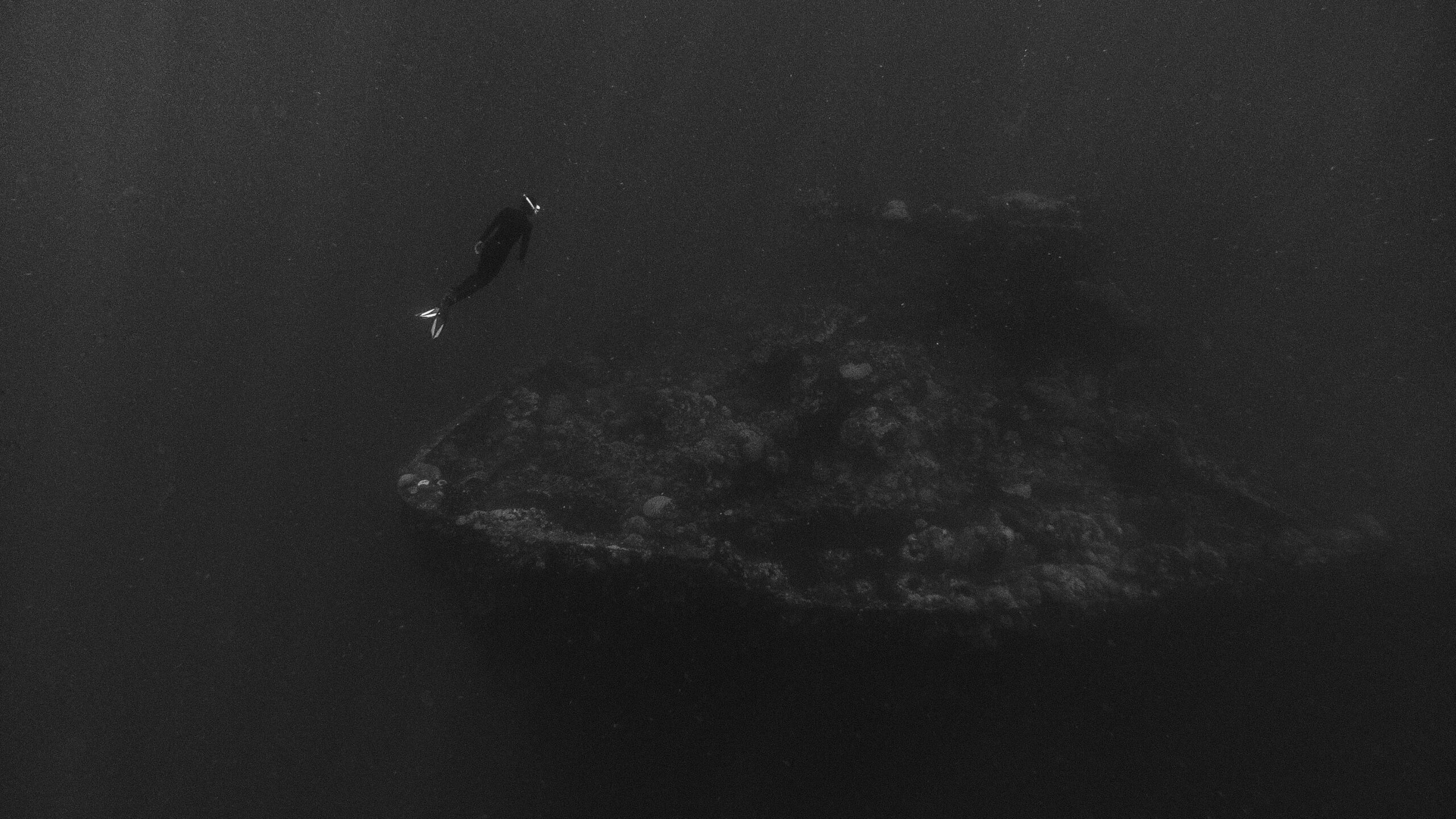
The gentle sway of the ocean, a vast and ancient cradle, hides within its depths secrets whispered by time. For millennia, civilizations rose and fell, their stories etched not in stone monuments that pierce the sky, but in the silent ruins that slumber beneath the waves. These sunken cities, forgotten battlefields, and lost vessels represent a tangible link to our collective past, offering unparalleled insights into human ingenuity, societal structures, and the ebb and flow of history. It is within this realm of mystery and discovery that the documentary Exploring Lost Worlds: Underwater Archaeology embarks on its compelling journey, inviting viewers to dive into the ocean’s embrace and unearth the narratives buried for centuries.
The film’s strength lies in its multifaceted approach to underwater archaeology. It is not merely a collection of shipwreck stories, though those are undeniably captivating. Instead, it weaves a tapestry of scientific rigor, technological innovation, historical context, and the sheer human drive for understanding. The documentary meticulously details the challenges and triumphs of an often-unseen field, highlighting the meticulous work required to transform fragmented artifacts into cohesive historical accounts. From the initial sonar sweeps that hint at submerged structures to the painstaking excavation and preservation processes, Exploring Lost Worlds offers a comprehensive and engaging look at how we reclaim lost chapters of our story from the ocean floor.
The Allure of the Submerged Past
The inherent fascination with lost worlds is a primal human instinct. Throughout history, tales of Atlantis and other mythical underwater civilizations have captured the imagination. Exploring Lost Worlds taps into this innate curiosity, presenting the reality of these lost places as often more astonishing than fiction. The documentary posits that the ocean, while a barrier, has also been a powerful preserver. The low-oxygen environments found in many submerged locations can drastically slow down the decay of organic materials, allowing for the survival of artifacts that would have long since disintegrated on land. This preservation is a key theme, underscoring why underwater sites are such invaluable repositories of history.
Underwater archaeology is a fascinating field that uncovers the mysteries of our past, often revealing artifacts and structures that have been hidden beneath the waves for centuries. A related article that delves into the intriguing aspects of geological exploration is available at this link: Unveiling the Antarctic Ice Cap: Seismic Profile. This article explores how seismic profiling techniques are used to study the Antarctic ice cap, shedding light on the geological history of the region and its implications for understanding climate change, which can also intersect with underwater archaeological studies in coastal areas.
Pioneers of the Deep
The film dedicates significant attention to the pioneering figures who dared to venture into the unknown depths in pursuit of these submerged histories. It chronicles the evolution of underwater exploration, from early attempts using rudimentary diving bells and goggles to the sophisticated submersibles and remotely operated vehicles (ROVs) of today. The documentaries showcase the courage and determination of these individuals, often facing immense personal risk to systematically map, document, and excavate these fragile underwater environments. Their relentless pursuit of knowledge laid the groundwork for the advanced methodologies employed by contemporary underwater archaeologists.
Technological Innovations at the Forefront
One of the most striking aspects of Exploring Lost Worlds is its in-depth exploration of the cutting-edge technologies that have revolutionized underwater archaeology. Viewers are treated to a detailed look at how sonar and lidar mapping are used to survey vast underwater areas, identifying anomalies that could indicate shipwrecks or submerged settlements. The documentary also delves into the intricacies of ROVs and autonomous underwater vehicles (AUVs), explaining how these robotic marvels can access extreme depths, capture high-resolution imagery, and even perform delicate excavation tasks with remarkable precision.
Sonar and Remote Sensing: The Silent Scanners
The film vividly illustrates how sonar, both side-scan and multi-beam, paints a picture of the seabed, revealing the outlines of buried structures and the distinct signatures of man-made objects. It explains the principles behind these technologies in an accessible manner, demonstrating how the echoes of sound waves are translated into visual data. Lidar, used in shallower, clearer waters, is also highlighted for its ability to create detailed 3D models of underwater landscapes.
ROVs and AUVs: The Robotic Eyes and Hands
Exploring Lost Worlds doesn’t shy away from the technical specifics of ROVs and AUVs. It showcases the complex manipulation arms used for delicate artifact recovery, the powerful lights that pierce the perpetual twilight of the deep, and the advanced sensor packages that gather crucial environmental data. The documentary emphasizes how these machines extend the reach of human archaeologists, allowing for exploration and work in environments that would be impossible or prohibitively dangerous for human divers.
3D Photogrammetry and Digital Reconstruction
The documentary highlights the burgeoning field of 3D photogrammetry, where hundreds of overlapping photographs are used to create highly accurate digital models of artifacts and even entire underwater sites. This technology allows for virtual exploration and analysis without disturbing the original context of the find. The film demonstrates how these digital models can be used for detailed study, public exhibition, and the creation of immersive educational experiences, bringing the lost worlds to life for a global audience.
Case Studies: Unearthing Specific Histories
Exploring Lost Worlds is not content with theoretical discussions; it anchors its narrative in compelling case studies from around the globe. These diverse examples showcase the range of phenomena that underwater archaeology investigates, from ancient port cities to the wrecks of momentous battles. Each case study is presented with meticulous detail, drawing on the expertise of leading archaeologists and historians.
The Ghost Fleet of Antikythera
A significant portion of the documentary is dedicated to the legendary Antikythera wreck, discovered in 1900. The film meticulously recounts the initial discovery of the shipwreck and its rich cargo, most notably the Antikythera Mechanism, an ancient analog computer that stunned the scientific community with its complexity. It follows the subsequent dives, the challenges of excavating in deep water, and the ongoing efforts to 3D scan and analyze the artifacts, revealing new insights into ancient Greek engineering and astronomical knowledge. The documentary emphasizes how this single wreck has rewritten our understanding of ancient technological capabilities.
Roman Ports and Amphorae: Echoes of Commerce
The documentary transports viewers to the submerged remains of Roman ports, exploring how underwater archaeology has illuminated trade routes, daily life, and economic policies of the Roman Empire. The identification and analysis of amphorae – large earthenware jars used for ancient transport – are highlighted as crucial tools for tracing the origins and destinations of goods. The film explains how the stamps and inscriptions on these vessels, when carefully studied, can reveal not only the contents but also the production sites and the individuals involved in their trade, offering a granular view of ancient commerce.
Medieval Trade and Naval Warfare
Exploring Lost Worlds also ventures into the medieval period, exploring the remnants of Viking longships, Hanseatic League cogs, and pirate vessels. The meticulous excavation and conservation of these wooden ships provide invaluable information about shipbuilding techniques, navigation, and the daily lives of sailors. The documentary also delves into the archaeology of naval battles, showcasing how the scattered debris of cannonballs, weaponry, and wreckage can be meticulously pieced together to reconstruct the events of historical confrontations, offering a more nuanced understanding of military history.
Ancient Egyptian Cities Beneath the Waves
The film takes viewers to the waters off the coast of Egypt, where submerged cities like Thonis-Heracleion are slowly revealing their secrets. These once-thriving metropolises, now nestled at the bottom of the Mediterranean, offer an unparalleled glimpse into ancient Egyptian life, religion, and administration. The documentary highlights the vast statues, temples, and everyday artifacts recovered, demonstrating the advanced state of Egyptian civilization and its deep connection to the sea. The process of mapping these sprawling urban landscapes, previously known only through fragmented texts, is presented as a monumental achievement.
Underwater archaeology offers a fascinating glimpse into our past, revealing the secrets of ancient shipwrecks and submerged civilizations. For those interested in the broader implications of historical events, a related article discusses the complexities of state failure in Haiti and its long-lasting consequences. You can explore this topic further by reading the article here, which provides valuable context for understanding how history shapes contemporary issues.
The Future of Underwater Exploration
Looking ahead, Exploring Lost Worlds emphasizes the exciting future of underwater archaeology and the vast potential that still lies hidden beneath the waves. The documentary suggests that as technology continues to advance, our ability to explore and understand these submerged realms will only increase. The exploration of even deeper oceans, previously inaccessible, promises to reveal entirely new chapters of human history.
Untapped Frontiers and Emerging Technologies
The film speculates on the potential for discovering entirely unknown civilizations or previously undocumented periods of human history in unexplored oceanic regions. It touches upon the development of AI-driven data analysis, which could help identify patterns in vast datasets of sonar imagery previously missed by human eyes. The introduction of more sophisticated autonomous exploration systems also promises to expand the reach and efficiency of underwater archaeological surveys.
The Importance of Preservation and Ethical Excavation
A crucial aspect of the film’s conclusion is its emphasis on the ethical considerations and the paramount importance of preservation in underwater archaeology. The documentary stresses that while discovery is exciting, the responsibility to protect these fragile sites for future generations is even greater. It advocates for non-destructive survey methods and the careful, scientific removal and conservation of artifacts, ensuring that each find contributes to a broader, more accurate understanding of our shared human heritage. The film leaves the viewer with a profound appreciation for the silent depths and the compelling stories that await their rediscovery.

The Ancient Computer Nobody Could Read
FAQs

What is underwater archaeology?
Underwater archaeology is the study of past human cultures through the examination and interpretation of material remains found underwater, such as shipwrecks, sunken cities, and submerged landscapes.
What is the purpose of an underwater archaeology documentary?
The purpose of an underwater archaeology documentary is to showcase the exploration, excavation, and preservation of underwater archaeological sites, as well as to educate the public about the importance of these discoveries in understanding human history.
What are some examples of underwater archaeological sites featured in documentaries?
Some examples of underwater archaeological sites featured in documentaries include the wreck of the RMS Titanic, the ancient city of Pavlopetri in Greece, and the sunken city of Dwarka in India.
How are underwater archaeology documentaries filmed?
Underwater archaeology documentaries are typically filmed using specialized underwater camera equipment, including remotely operated vehicles (ROVs), underwater drones, and high-definition cameras designed for underwater use.
What can viewers learn from watching an underwater archaeology documentary?
Viewers can learn about the methods and technologies used in underwater archaeology, the significance of underwater archaeological discoveries, and the challenges of preserving and protecting these sites for future generations.