Morocco, a land where ochre deserts meet the azure Atlantic and snow-capped mountains guard fertile valleys, is a treasure trove of history. Among its most compelling legacies are the ancient fortifications that punctuate its landscape, silent sentinels that speak of bygone eras of defense, trade, and imperial ambition. These formidable structures, from towering kasbahs to sprawling medina walls, are not merely relics of the past; they are living testaments to the ingenuity of Moroccan architects and the turbulent history of North Africa. Exploring these ancient fortifications offers a unique window into the soul of Morocco, a journey through time that unveils a rich tapestry of heritage and a profound understanding of the nation’s enduring spirit.
The Strategic Imperative: Why Morocco Built Fortifications
The construction of fortifications in Morocco was not an arbitrary undertaking. It was born out of a deeply ingrained strategic imperative, shaped by centuries of shifting political landscapes, external threats, and the vital necessity of controlling trade routes. The very geography of Morocco, with its diverse terrain, presented both opportunities and challenges that necessitated robust defensive measures.
Protecting Trade Routes and Caravans
Morocco has long been a pivotal hub on trans-Saharan trade routes, connecting sub-Saharan Africa with the Mediterranean world. These arteries of commerce, laden with gold, salt, spices, and slaves, were perpetually vulnerable to raiding parties and opportunistic bandits. The formidable kasbahs, often strategically positioned along these routes, served as vital resting places, supply depots, and, most importantly, secure havens for merchants and their precious cargo. The Ait Benhaddou, a UNESCO World Heritage site, is a prime example of such a fortified village, its earthen ramparts and tightly packed houses offering an imposing defense against those who would seek to disrupt the flow of wealth. The ability to project authority and offer protection along these routes was crucial for the economic prosperity of the kingdoms and empires that ruled Morocco. Without these fortified outposts, trade would have been severely hampered, impacting the development and wealth of the entire region.
Defending Against Invaders and Raiders
Beyond the economic imperative, the physical security of settlements and populations was paramount. Morocco’s history is punctuated by periods of invasion and conflict, from Roman legions and Vandal incursions to Arab conquests and European colonial ambitions. The coastline, though a source of trade and cultural exchange, also exposed the land to naval attacks and piracy. Inland, tribal rivalries and the constant threat of raids from nomadic groups necessitated the construction of formidable defenses. The medina walls, encircling ancient cities like Fes and Marrakech, were designed to protect not only the inhabitants but also the vital infrastructure and centers of power within. These walls, often several meters thick and studded with watchtowers, were a physical manifestation of the desire for security and stability in a often-unpredictable world. The sheer scale and robustness of many of these fortifications attest to the severity of the threats they were built to withstand.
Establishing Political Authority and Control
Fortifications were also potent symbols of political power and territorial control. The construction and maintenance of such structures required significant resources, labor, and centralized authority, thus reinforcing the legitimacy and strength of rulers. Kasbahs, often serving as the residences of local chieftains or governors, acted as centers of administration and justice, projecting the ruler’s influence over the surrounding territories. Imperial cities, with their grand citadels and surrounding ramparts, were designed to showcase the might and grandeur of the reigning dynasty. The Kasbah of the Udayas in Rabat, for instance, not only served a defensive purpose but also as a symbolic gateway to the capital and a visual representation of royal power. These fortified centers of authority were crucial in unifying diverse regions, maintaining order, and asserting sovereignty in a land that was often fragmented by tribal allegiances.
Morocco is renowned for its ancient fortifications, which showcase the country’s rich history and architectural prowess. These structures, such as the famous Kasbahs, served as defensive strongholds and are a testament to the strategic importance of the region throughout the centuries. For those interested in exploring historical maps and their connections to maritime exploration, a related article can be found at Exploring the Piri Reis Map and Columbus, which delves into the significance of cartography in understanding historical trade routes and fortifications.
Architectural Marvels: Styles and Construction Techniques
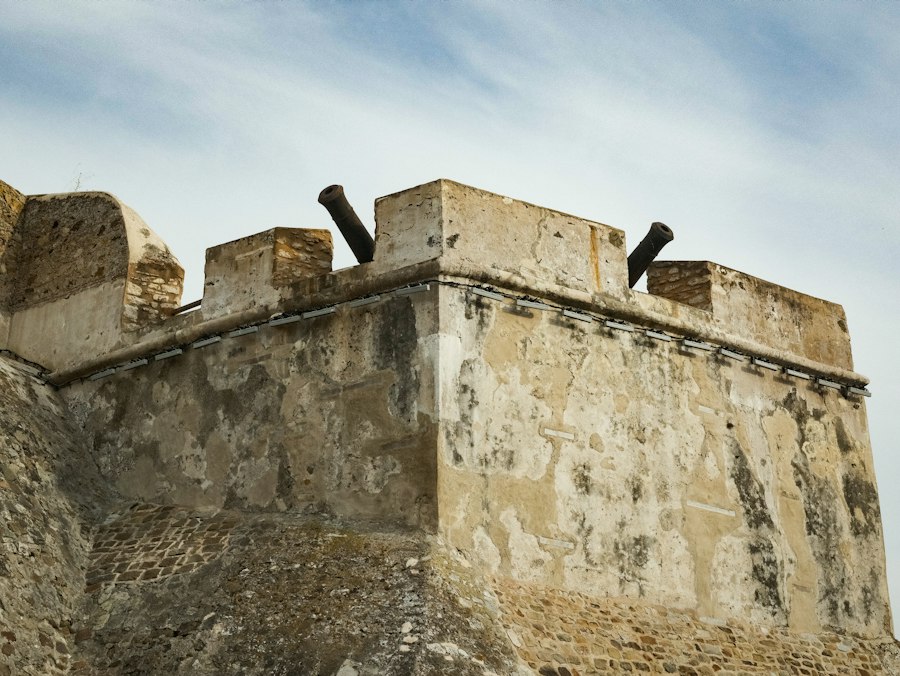
The ancient fortifications of Morocco are a testament to the ingenuity and adaptability of Moroccan builders, who drew upon a rich heritage of architectural knowledge and readily available local materials. The resulting structures exhibit a remarkable diversity in style and construction, reflecting the varied influences and functional requirements of each era and region.
The Enduring Strength of Earthen Architecture
One of the most striking features of Moroccan fortifications is the pervasive use of pisé (rammed earth) and adobe. This ancient building technique, honed over centuries, is particularly prevalent in the southern regions of the country. The process involves compacting layers of earth, straw, and water within wooden molds, creating robust, insulating walls that are remarkably resistant to the harsh desert climate. The kasbahs of the Draa Valley and the Atlas Mountains, such as the magnificent Ait Benhaddou and Telouet, are prime examples of this vernacular architecture. The warm, earthy tones of these structures blend seamlessly with their natural surroundings, creating an organic aesthetic that is both beautiful and functional. The thick walls provided excellent thermal insulation, keeping interiors cool in the summer and warm in the winter, a crucial advantage in the often-extreme Moroccan climate. The construction of these earthen fortresses, while labor-intensive, utilized readily available resources, making them a sustainable and cost-effective solution for defense.
The Mighty Walls of Imperial Cities
The imperial cities of Morocco – Fes, Marrakech, Meknes, and Rabat – are renowned for their imposing city walls, which have stood for centuries, encircling vast urban expanses. These walls, often constructed from a combination of stone and fired brick, are a testament to sophisticated engineering and a significant investment of resources. The ramparts are typically massive, with crenellated battlements, numerous watchtowers, and imposing gates that served as both defensive strongholds and impressive ceremonial entrances. The walls of Fes el Bali, the oldest medina in the world, are a prime example, stretching for miles and enclosing a labyrinthine city that has remained largely unchanged for centuries. The construction of these walls was a continuous process, with successive dynasties adding to, reinforcing, and rebuilding sections to adapt to new military technologies and expansionist ambitions. The sheer scale of these urban fortifications speaks volumes about the importance of these cities as centers of power, culture, and commerce.
Distinctive Design Elements: Towers, Gates, and Battlements
Across Morocco’s fortifications, certain design elements are recurrent, each serving a specific defensive or functional purpose. Cylindrical or square towers, often strategically placed at corners and along the curtain walls, provided elevated vantage points for archers and lookouts, and could also serve as independent defensive strongholds. The gates, beyond their function as access points, were often heavily fortified structures in themselves, featuring portcullises, murder holes, and flanking towers to channel and repel attackers. Examples like the Bab Agnaou in Marrakech or Bab Bou Jeloud in Fes are not only functional but also architectural masterpieces, often adorned with intricate tilework and carvings. Battlements, the notched parapets along the top of walls, provided cover for defenders while allowing them to fire upon assailments. These elements, whether simple and utilitarian or elaborately decorated, all contributed to the formidable defensive capabilities of Moroccan fortifications. The integration of these elements created a layered and complex defense system, designed to frustrate and defeat any attacking force.
The Legacy of Fortifications: From Defense to Tourism
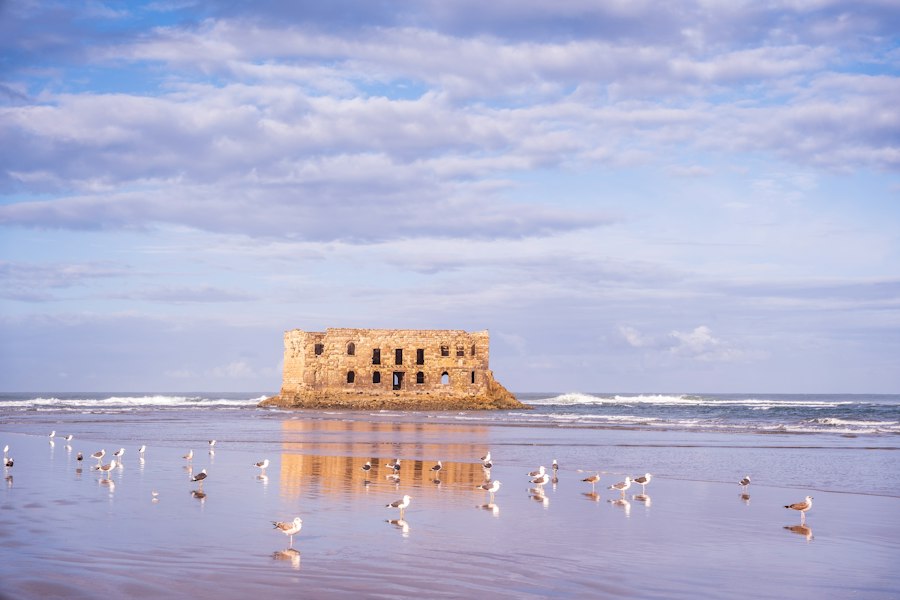
The role of Morocco’s ancient fortifications has evolved dramatically over time. While their primary purpose was once defense and political assertion, today they serve as invaluable historical and cultural assets, attracting visitors from around the globe and contributing significantly to the national economy.
Preserving a Tangible Link to the Past
The sheer survival of these ancient structures is remarkable. Many have withstood earthquakes, centuries of warfare, and the ravages of time. Their preservation is not merely an act of historical piety; it is an essential endeavor to maintain a tangible link to Morocco’s rich and complex past. Organizations like UNESCO and local Moroccan heritage bodies play a crucial role in identifying, documenting, and implementing conservation strategies for these sites. Restoration efforts, often undertaken with meticulous attention to historical accuracy and traditional techniques, ensure that these architectural marvels continue to stand for future generations to appreciate. The ongoing work at sites like the Kasbah of the Udayas in Rabat or the ruins of Volubilis, while not strictly a fortification, highlights the commitment to safeguarding historical integrity. Understanding the challenges and triumphs of those who built and inhabited these fortifications provides invaluable insights into the societal structures, beliefs, and daily lives of past Moroccan populations.
A Magnet for Cultural Tourism
Morocco’s fortifications have become a significant draw for cultural tourism. Visitors are drawn to the dramatic landscapes in which many of these structures are set, the stories they hold, and the sheer architectural grandeur they represent. The fortified villages of the Atlas Mountains and the pre-Saharan regions, with their unique vernacular architecture, offer a glimpse into a way of life that has largely vanished. The imperial cities, with their extensive medina walls and citadels, provide immersive experiences of ancient urban life. This influx of tourists brings economic benefits to local communities, supporting artisans, guides, and hospitality services. The careful management of these sites is crucial to ensure that tourism enhances, rather than detracts from, their historical and cultural significance, balancing accessibility with preservation. The visual impact of these fortifications, often set against dramatic backdrops, has also made them popular filming locations, further increasing global awareness of Morocco’s rich heritage.
Modern Adaptations and Enduring Relevance
While their original defensive purpose may be obsolete, many Moroccan fortifications have found new life and enduring relevance in the modern era. Some have been transformed into boutique hotels, offering guests a unique and atmospheric experience of staying within historic walls. Others house museums, cultural centers, or artisan workshops, continuing to serve as hubs of activity and knowledge dissemination. Even those that remain largely as ruins continue to inspire awe and contemplation, serving as powerful reminders of Morocco’s long and storied history. The kasbahs, once symbols of tribal power and regional defense, can now be seen as living monuments to Moroccan resilience and architectural innovation. Their enduring presence continues to shape the Moroccan identity and narrative, a constant reminder of the foundations upon which the modern nation is built. The continued adaptation of these historic sites demonstrates their intrinsic value and their ability to remain relevant in a rapidly changing world.
Iconic Fortifications: A Journey Through Key Sites
Morocco’s landscape is dotted with countless fortifications, each with its own unique story and architectural character. While a comprehensive exploration would require extensive travel, several iconic sites stand out as essential destinations for anyone seeking to understand the nation’s defensive heritage.
Ait Benhaddou: The Jewel of the Atlas
Nestled in the foothills of the High Atlas Mountains, along the former caravan route between the Sahara and Marrakech, Ait Benhaddou is a UNESCO World Heritage site and perhaps the most famous of Morocco’s ksour (fortified villages). This magnificent example of earthen architecture, a collective of traditional pre-Saharan habitat, appears as if it has risen organically from the landscape. Its tightly packed houses, fortified homes, and communal granaries are enclosed within impressive defensive walls, punctuated by watchtowers. The Ksar, or fortified citadel, dominates the skyline, a testament to the community’s need for security. Ait Benhaddou has been meticulously preserved and, due to its stunning visual appeal, has served as a backdrop for numerous international film productions, further cementing its global recognition. Exploring its winding alleys and climbing to the Ksar offers breathtaking panoramic views and a profound sense of stepping back in time. The artistry involved in its construction, despite the rudimentary materials, is truly remarkable.
The Walls of Fes el Bali: An Ancient Labyrinth
The medina of Fes el Bali, one of the largest and oldest urban areas in the world, is enclosed by a formidable network of walls that have protected its ancient heart for over a thousand years. These ramparts, a complex and evolving structure, are a testament to the city’s enduring importance as a spiritual, intellectual, and economic center. Walking along sections of these walls, or passing through their imposing gates like Bab Bou Jeloud, offers a tangible sense of the scale and history of this sprawling metropolis. The walls not only served a defensive purpose but also delineate the different quarters of the medina, preserving its unique character and intricate social fabric. The sheer volume of history contained within these protective barriers is overwhelming, with centuries of trade, scholarship, and daily life unfolding behind them. The constant repair and reinforcement of these walls over the centuries underscore the persistent need for security in a dynamic and often turbulent historical context.
The Kasbah of the Udayas, Rabat: Riverside Powerhouse
Overlooking the mouth of the Bou Regreg River and the Atlantic Ocean, the Kasbah of the Udayas in Rabat is a striking example of a fortified citadel that served both military and residential purposes. Founded in the 11th century by the Almoravids, it was later expanded and fortified by the Almohads and Marinids. Its distinctive blue and white washed houses, built in the Andalusian style, create a picturesque and serene atmosphere within its robust ramparts. The impressive gateway, Bab Oudaya, is a masterpiece of Almohad architecture, adorned with intricate carvings. The Kasbah offers stunning views of the river and the ocean, underscoring its strategic importance in controlling access to the city and its harbor. Its transformation into a popular tourist destination, while preserving its historical integrity, allows visitors to experience a unique blend of military history and charming urban life. The strategic positioning of the Kasbah highlights its crucial role in defending Rabat and controlling maritime access.
Morocco’s ancient fortifications, such as the impressive Kasbahs and the historic walls of cities like Essaouira and Marrakech, showcase the country’s rich architectural heritage and strategic importance throughout history. These structures not only served as defensive measures but also as symbols of power and cultural identity. For a deeper understanding of how historical contexts shape modern landscapes, you might find the article on navigating post-colonial borders insightful, as it explores the challenges and opportunities that arise in regions with complex histories. You can read more about it here.
Enduring Symbols: Fortifications in Moroccan Identity
| Fortification Name | Location | Period Built | Type | Notable Features | Current Condition |
|---|---|---|---|---|---|
| Kasbah of Ait Ben Haddou | Ouarzazate | 17th Century | Earthen Fortified Village | Clay architecture, UNESCO World Heritage Site | Well-preserved |
| El Jadida Fortress | El Jadida | 16th Century (Portuguese) | Coastal Fortification | Portuguese bastions, cistern | Good condition |
| Bab Agnaou | Marrakech | 12th Century (Almohad) | City Gate | Decorative stonework, main southern gate | Excellent condition |
| Kasbah of Tangier | Tangier | 15th Century | Citadel | Overlooks the Strait of Gibraltar | Partially preserved |
| Fes City Walls | Fes | 9th-14th Century | City Walls and Gates | Multiple gates, defensive walls | Mostly intact |
The ancient fortifications of Morocco are more than just historical structures; they are deeply interwoven with the national identity, serving as powerful symbols of resilience, cultural heritage, and the enduring spirit of the Moroccan people. They represent a continuous narrative of defense against external threats and the internal efforts to forge a unified and prosperous nation.
A Testament to Moroccan Ingenuity and Resilience
The very existence of these formidable structures, often built in challenging environments and with limited resources, stands as a powerful testament to the ingenuity, perseverance, and resilience of the Moroccan people. From the sophisticated earthen architecture of the southern kasbahs to the monumental city walls of the imperial capitals, these fortifications showcase a deep understanding of engineering, a mastery of local materials, and an unwavering commitment to security and survival. They represent generations of effort, where communities and rulers alike invested significant labor and resources to protect their homes, their trade, and their way of life. The ability of these structures to withstand the test of time, often surviving numerous invasions and natural adversies, speaks volumes about the inherent strength and adaptability of Moroccan society.
Preserving Cultural Heritage for Future Generations
In a rapidly globalizing world, the preservation of unique cultural heritage is of paramount importance, and Morocco’s fortifications are central to this endeavor. They are not just relics of a bygone era; they are vibrant centers of cultural expression and historical learning. The ongoing efforts to conserve and restore these sites ensure that their stories, architectural marvels, and the lessons they hold are passed down to future generations. These fortifications serve as living museums, offering tangible connections to the past and providing invaluable educational opportunities for both Moroccans and international visitors. By safeguarding these ancient structures, Morocco actively preserves its unique historical narrative and its distinct cultural identity in the face of modern pressures. The continued engagement with these sites fosters a sense of national pride and historical consciousness.
The Future of Morocco’s Fortified Heritage
The future of Morocco’s fortified heritage lies in a careful balance between preservation and sustainable development. As tourism continues to grow, it is crucial to manage visitor impact to ensure the long-term survival of these delicate sites. Innovative approaches to adaptive reuse, such as transforming historic buildings into cultural centers or eco-lodges, can provide economic incentives for their upkeep while respecting their historical significance. Furthermore, continued investment in research and conservation techniques, coupled with the active involvement of local communities, will be essential to ensure that these invaluable historical treasures endure. The continued interpretation and promotion of these fortifications, through education and cultural programming, will ensure their relevance and foster a deeper appreciation for the rich and complex history of Morocco. The ongoing dialogue between historical preservation and modern needs will shape the legacy of these remarkable structures for centuries to come.
They Found a 4,000-Year-Old Defense Line in Morocco
FAQs
What are some examples of ancient fortifications in Morocco?
Some examples of ancient fortifications in Morocco include the walls of Marrakech, the Kasbah of the Udayas in Rabat, the Oudayas Kasbah in Tangier, the Kasbah of Chefchaouen, and the ancient city of Volubilis.
When were the ancient fortifications in Morocco built?
The ancient fortifications in Morocco were built over different time periods, with some dating back to the Roman era, while others were constructed during the Islamic dynasties that ruled the region.
What was the purpose of building ancient fortifications in Morocco?
Ancient fortifications in Morocco were built for various purposes, including defense against invasions, protection of cities and trade routes, and as symbols of power and authority for ruling dynasties.
How were the ancient fortifications in Morocco constructed?
The ancient fortifications in Morocco were constructed using a variety of materials such as stone, mud bricks, and wood. They were often built with high walls, towers, and gates to provide protection and defense.
Are the ancient fortifications in Morocco still standing today?
Many of the ancient fortifications in Morocco are still standing today, although some have undergone restoration and preservation efforts to ensure their longevity and to attract tourists interested in exploring the country’s rich history.