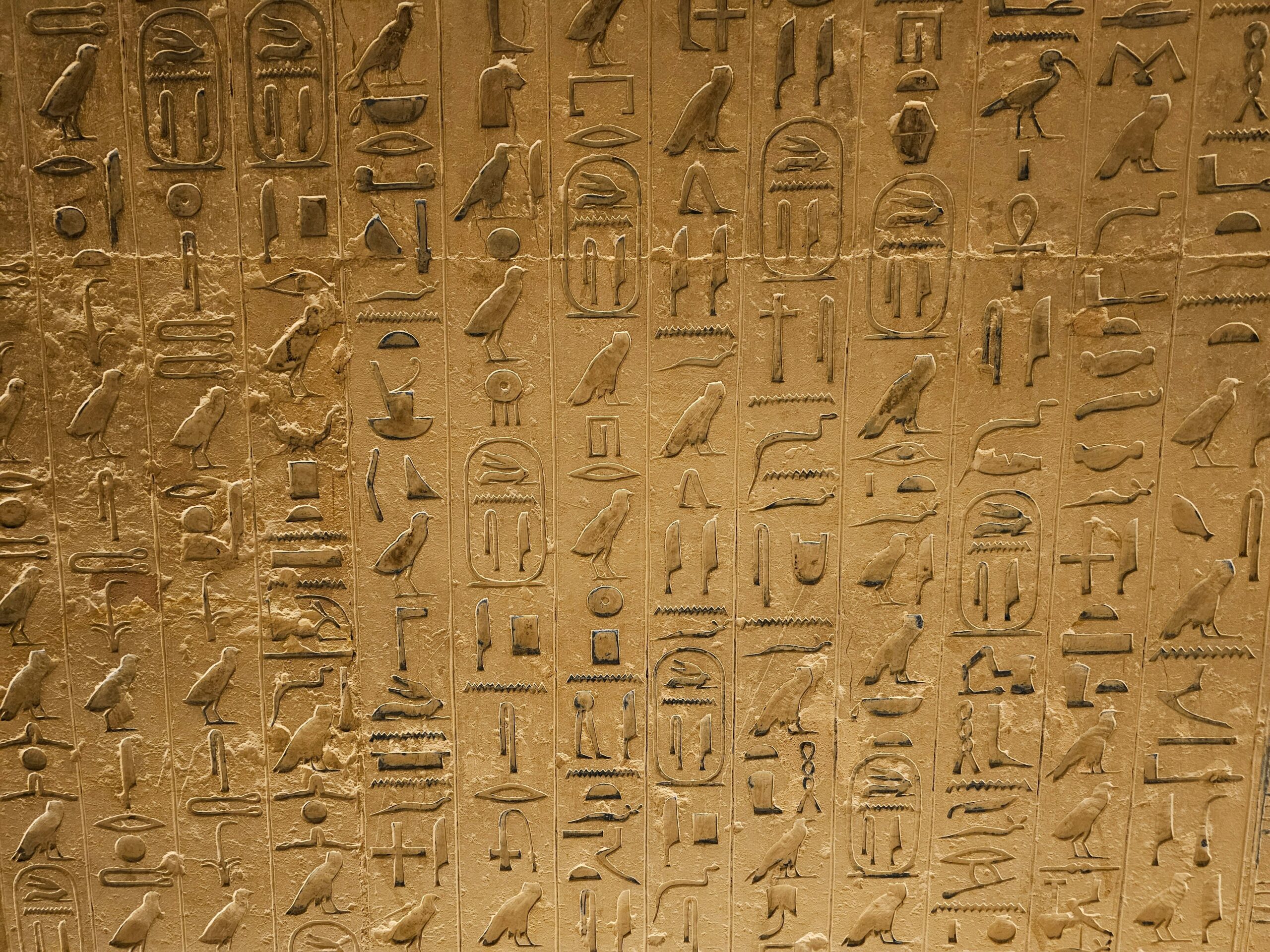
The vast, arid expanse of the Nazca Desert in southern Peru holds an enduring enigma: a collection of colossal figures and geometric patterns etched into the earth, visible only from the sky. These geoglyphs, created by the ancient Nazca culture between approximately 200 BCE and 600 CE, have captivated archaeologists, anthropologists, and curious minds for generations. While the sheer scale and precision of these earthworks are astounding, a fundamental question arises when attempting to understand their purpose and meaning: are these designs primarily abstract or representational? Examining the distinction between the geometric and figurative geoglyphs of Nazca offers a crucial lens through which to explore the complex worldview and practices of this enigmatic civilization.
The Canvas of the Desert: Nazca’s Arid Stage
The Nazca Desert, a hyperarid region characterized by minimal rainfall and a perpetually clear sky, provided the ideal, unforgiving canvas for the Nazca people to manifest their grand artistic and possibly ritualistic visions. The dry climate, coupled with the soil composition – a dark desert varnish overlaying lighter, yellowish subsoil – created the perfect conditions for the geoglyphs to persist for centuries, resisting erosion and weathering. The Nazca people, masters of their challenging environment, developed sophisticated water management systems, including underground aqueducts known as puquios, demonstrating a deep understanding of their land’s resources and limitations. This mastery over their environment likely extended to their spiritual and artistic endeavors, with the desert itself becoming an integral part of their creative and ceremonial landscape. The sheer effort required to clear and move vast amounts of earth in such a harsh setting suggests a profound importance attributed to these designs. The Nazca civilization flourished in this region, leaving behind not only the geoglyphs but also elaborate pottery, textiles, and burial sites, all hinting at a rich and complex society with a sophisticated understanding of cosmology and ritual.
The Geological and Climatic Factors
The longevity of the Nazca geoglyphs is directly attributable to the unique geological and climatic conditions of the region. The desert pavement, a surface layer of dark, iron-oxide-rich pebbles, is crucial. When these pebbles are removed, they expose the lighter-colored soil beneath, creating a stark contrast that defines the geoglyph lines. The extreme aridity prevents significant erosion from rain, which is scarce, and the stable desert winds, while a factor, have been insufficient to erase the deepest and widest lines over time. The absence of significant vegetation also contributes to the preservation, as plant roots can dislodge and destabilize the earth. This natural preservation has allowed these ancient artworks to survive nearly two millennia, offering an unparalleled window into the past.
The Nazca Culture: A Brief Overview
The Nazca culture emerged in the coastal valleys of Peru, developing distinct artistic and technological traditions. They were skilled agriculturalists, cultivating maize, beans, and gourds, and their society was likely organized around a series of independent centers rather than a single unified state. Their ceramic production is particularly renowned, characterized by polychrome designs featuring complex iconography and anthropomorphic figures. The Nazca also developed advanced metallurgy and textile weaving. The geoglyphs, however, represent their most ambitious and enduring legacy, raising questions about their purpose that continue to be debated. Understanding the broader context of Nazca society – their religious beliefs, social structures, and daily life – is essential for interpreting the meaning of these monumental earthworks.
The study of Nazca geoglyphs, which includes both geometric and figurative designs, has fascinated researchers for decades due to their intricate patterns and cultural significance. A related article that explores the implications of extraterrestrial exploration and its potential impact on our understanding of ancient civilizations can be found at NASA to Control Moon’s Water Ice. This piece delves into the advancements in space technology and how they might influence our perceptions of historical sites like the Nazca lines, highlighting the intersection of archaeology and modern science.
The Geometry of the Earth: Abstract Expressions

The geometric geoglyphs of Nazca are a testament to the Nazca people’s profound understanding of geometry and their ability to execute precise, large-scale designs. These patterns are characterized by straight lines, triangles, trapezoids, spirals, and rectangles, often extending for hundreds of meters. While seemingly abstract, their meticulous execution suggests a deliberate purpose, whether for astronomical observation, ritualistic pathways, or even as part of a complex calendrical system. The sheer scale and regularity of these forms imply a sophisticated knowledge of measurement and surveying, hinting at a society capable of organized labor and meticulous planning. These geometric designs, devoid of readily recognizable representational elements, invite interpretation through the lens of abstract thought, mathematical principles, and symbolic meaning that transcends direct visual representation.
Lines of Purpose: Astronomical and Calendrical Theories
One of the most persistent theories surrounding the geometric geoglyphs is their connection to astronomy and calendrics. Archaeologist Maria Reiche dedicated much of her life to studying the Nazca Lines, proposing that many of them functioned as alignments with celestial bodies. Certain lines, she argued, pointed to the rising or setting points of the sun, moon, and stars at significant times of the year, such as solstices and equinoxes. If accurate, this would imply that the Nazca used these geoglyphs as a vast, terrestrial calendar or observatory, tracking celestial movements to guide agricultural cycles and important religious ceremonies. The precision required for such alignments, especially across such vast distances, speaks to a remarkable understanding of astronomical phenomena and the ability to translate this knowledge into physical form on the landscape.
Ritualistic Pathways and Processional Routes
Beyond astronomical interpretations, the geometric designs are also widely believed to have served as ritualistic pathways or processional routes. The long, straight lines and expansive trapezoidal areas could have been intended for groups of people to walk upon during ceremonies, perhaps carrying offerings or performing dances. The vastness of these spaces suggests that these were not individual journeys but communal experiences. The simplicity and repetitive nature of some geometric patterns might have facilitated a trance-like state or a focus on collective movement and spiritual devotion. The idea of these lines as “roads to the gods” or conduits for spiritual energy is a compelling interpretation that aligns with the monumental scale of their creation.
The Mathematics of the Desert
The precision and scale of the geometric geoglyphs also point to an advanced understanding of mathematics and surveying. The creation of perfectly straight lines spanning kilometers, the precise angles of intersecting lines, and the regular shapes of polygons all suggest a sophisticated system of measurement and spatial awareness. While direct evidence of Nazca mathematical texts is absent, the geoglyphs themselves serve as a powerful testament to their numerical and geometric capabilities. The ability to plan and execute such designs over vast distances without modern surveying tools is a remarkable feat, hinting at a societal structure that valued and utilized such skills.
The Language of Forms: Figurative Depictions
Intertwined with the geometric patterns are the iconic figurative geoglyphs, the most famous of which include the hummingbird, monkey, spider, lizard, and the enigmatic “Astronaut.” These are not crude sketches but remarkably detailed and stylized representations, often created with a single, continuous line. Their forms are simplified yet instantly recognizable, showcasing the Nazca artists’ mastery of line and proportion. Unlike the abstract geometric designs, these figures directly engage with the visible world, depicting animals and what appears to be human or humanoid forms. Their presence alongside the geometric patterns suggests a multifaceted approach to communication and meaning-making, blending the abstract with the representational to convey a complex message.
Creatures of the Landscape and Cosmos
The animals depicted in the figurative geoglyphs – the hummingbird, monkey, spider, lizard, condor, and others – are all indigenous to the Nazca region or its surrounding environment. This suggests a deep connection to the natural world and its inhabitants, perhaps imbuing these creatures with symbolic or spiritual significance. The hummingbird, known for its agility and ability to hover, might represent speed, life, or the connection between the earthly and spiritual realms. The monkey, with its playful nature, could symbolize fertility or transformation. The spider, a skilled weaver, might represent creation or fate. The careful selection and depiction of these creatures point to a rich symbolic vocabulary tied to their understanding of the natural world.
The Enigma of the “Astronaut” and Humanoid Figures
Perhaps the most perplexing of the figurative geoglyphs is the figure often referred to as the “Astronaut.” With its large head and what appears to be a helmet or headdress, this figure has fueled speculation about extraterrestrial visitation. However, a more grounded interpretation suggests it might represent a shaman or a deity adorned in ritualistic regalia, perhaps a mask or a ceremonial headdress that exaggerates features. Other humanoid figures, some with animalistic attributes, further complicate interpretations, suggesting a complex mythology that blended human and animalistic characteristics, or perhaps depicted figures with specific social or religious roles. These figures invite contemplation of Nazca beliefs about the human form, the spirit world, and the divine.
Stylistic Conventions and Artistic Intent
The figurative geoglyphs exhibit distinct stylistic conventions. They are often characterized by a clear outline, a lack of internal detail, and a focus on capturing the essence of the form. The continuous line technique is particularly noteworthy, demonstrating a remarkable level of skill and planning. The simplicity of the execution, while appearing effortless, belies the difficulty of achieving such precision on a massive scale. The deliberate stylization suggests that these were not meant to be literal portraits but rather symbolic representations, conveying specific meanings or embodying particular qualities associated with the depicted figures. The artistic intent was clearly not photographic realism but a powerful, iconic communication.
Intertwined Meanings: The Synergy of Form
The juxtaposition of geometric and figurative geoglyphs is not accidental; it suggests a deliberate interplay of abstract and representational elements to create a more comprehensive message. It is unlikely that these two categories of geoglyphs served entirely separate purposes. Instead, they may have worked in concert, with the geometric designs providing the framework or context for the figurative elements, or vice versa. The straight lines might have served as pathways leading to or surrounding the animal figures, enhancing their ceremonial significance. Conversely, the figurative elements could have imbued the geometric patterns with specific symbolic meanings, transforming them from mere lines into sacred conduits or markers.
The Geometric as Context for the Figurative
The vast, geometric spaces – the trapezoids and extensive straight lines – could have served as designated areas for ceremonies, with the figurative geoglyphs placed within or alongside them to add specific symbolic weight. Imagine a procession moving along a long, straight line that culminates at the depiction of a sacred animal, or a ritual performed within a large trapezoidal enclosure marked by various animal figures. In this interpretation, the geometric elements provide the stage and structure, while the figurative elements are the actors or focal points of the ritual. This creates a layered meaning, where the physical act of traversing the landscape is imbued with symbolic and spiritual significance.
The Figurative as Embellishment for the Geometric
Alternatively, the figurative geoglyphs might have acted as embellishments or thematic markers for the geometric designs. A long, straight line might be interpreted as a celestial pathway, and its meaning could be enriched by depictions of animals associated with the sky or fertility placed along its length. The spider, for instance, might be placed near a line that represents a constellation, linking the cosmic to the terrestrial. This view suggests that the figurative elements add specific layers of meaning and narrative to the broader, more abstract geometric framework, enriching the overall symbolic landscape.
A Unified System of Symbolic Communication
Ultimately, the most compelling understanding of the Nazca geoglyphs likely lies in recognizing them as a unified system of symbolic communication. The Nazca people may have employed a complex visual language that integrated both abstract and representational elements to convey religious beliefs, cosmological ideas, and social structures. The geometric patterns might have represented fundamental forces or concepts, while the figurative designs embodied specific deities, spirits, or ancestral beings. Together, they created a monumental, sacred landscape intended to interact with the cosmos and guide the spiritual lives of its creators. This holistic approach to design suggests a sophisticated worldview where the abstract and the tangible were inextricably linked.
The fascinating debate surrounding Nazca geometric versus figurative geoglyphs continues to intrigue researchers and enthusiasts alike. While geometric designs showcase intricate patterns that may have served astronomical or ritualistic purposes, the figurative geoglyphs depict animals and human figures, prompting discussions about their cultural significance. For those interested in exploring the broader implications of ancient civilizations and their interactions with authority, a related article on the history of government asset confiscation can provide valuable insights into how societies have managed resources and power throughout history. You can read more about it here.
Unanswered Questions and Enduring Mysteries
| Aspect | Geometric Geoglyphs | Figurative Geoglyphs |
|---|---|---|
| Definition | Abstract shapes such as lines, trapezoids, spirals, and triangles | Depictions of animals, plants, and human-like figures |
| Number of Known Examples | Approximately 70 | Approximately 70 |
| Size Range | From a few meters up to 300 meters in length | From 50 meters up to 300 meters in length |
| Common Shapes/Subjects | Lines, trapezoids, spirals, rectangles, zigzags | Monkeys, hummingbirds, spiders, whales, hands |
| Estimated Age | Between 500 BCE and 500 CE | Between 500 BCE and 500 CE |
| Purpose (Hypothesized) | Possibly related to astronomical or ritualistic functions | Likely symbolic or religious significance, possibly related to fertility or water |
| Visibility | Best viewed from nearby foothills or low altitude | Best viewed from higher altitudes or aerial perspective |
| Technique | Removal of reddish-brown iron oxide-coated pebbles to reveal lighter ground beneath | Same technique as geometric, with careful outlining and clearing |
Despite decades of research and numerous theories, the precise purpose and meaning of the Nazca geoglyphs remain largely speculative. The absence of written records from the Nazca culture leaves a significant void in our understanding, forcing us to rely on archaeological evidence, comparative ethnography, and educated conjecture. The sheer scale of the undertaking, however, unequivocally points to a profound cultural and spiritual significance, far beyond mere artistic expression. The enduring mystery surrounding these ancient earthworks continues to fuel fascination, inviting ongoing exploration and re-evaluation of the Nazca civilization and their extraordinary legacy etched into the desert sands.
The Challenges of Interpretation
The primary challenge in interpreting the Nazca geoglyphs lies in the lack of direct textual evidence. Unlike cultures with extensive written records, the Nazca left no written accounts to explain their motivations or the meanings behind their creations. This forces researchers to infer meaning from the geoglyphs themselves, their context within the Nazca archaeological record, and comparisons with other ancient cultures. The inherent subjectivity of interpreting symbols and rituals also plays a significant role, leading to diverse and sometimes conflicting theories.
Ongoing Research and New Discoveries
Archaeological research continues to shed new light on the Nazca culture and their geoglyphs. Advances in aerial photography, remote sensing technologies, and interdisciplinary studies are constantly revealing new patterns and potential insights. The discovery of smaller, associated sites, such as ritual platforms and settlements, provides crucial context for understanding how the geoglyphs might have been used. Future research may uncover further evidence that helps to unravel the remaining enigmas of these monumental earthworks.
The Legacy of the Nazca Lines
The Nazca geoglyphs stand as a testament to human ingenuity, artistic vision, and the enduring power of symbolic expression. Whether viewed as astronomical calendars, religious icons, or ritualistic landscapes, they undeniably represent a monumental undertaking that speaks volumes about the beliefs and capabilities of the Nazca people. Their enduring presence in the arid landscape serves as a constant reminder of the profound mysteries that lie buried beneath the sands of time, inviting us to continue exploring and contemplating the extraordinary achievements of this ancient civilization. The interplay between the geometric and figurative, the abstract and the representational, remains at the heart of their captivating allure, ensuring that the Nazca Desert will continue to inspire wonder and inquiry for generations to come.
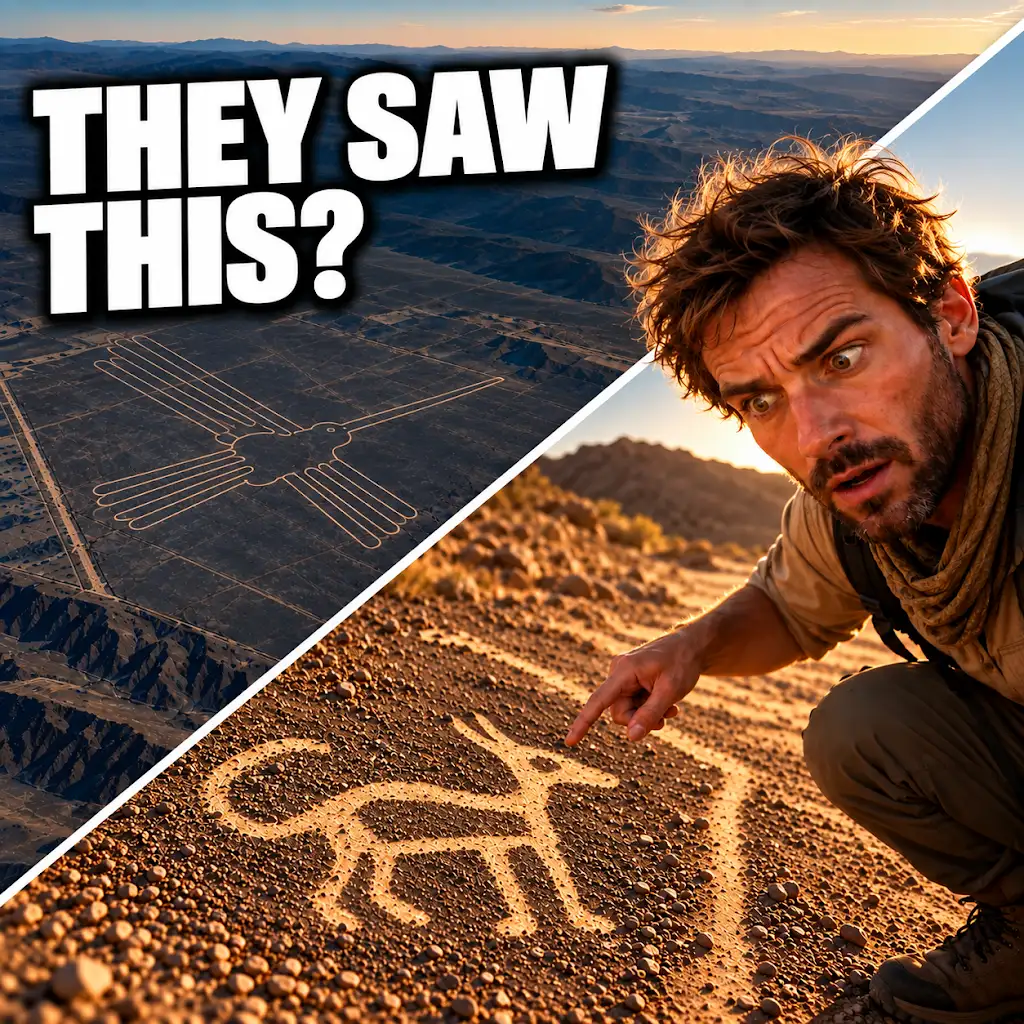
AI Found New Nazca Drawings—Could People See Them from the Ground?
FAQs
What are Nazca geoglyphs?
Nazca geoglyphs are large designs created on the ground in the Nazca Desert in southern Peru. They are made by removing the reddish-brown iron oxide-coated pebbles that cover the surface of the Nazca desert, revealing the lighter-colored earth underneath.
What is the difference between Nazca geometric and figurative geoglyphs?
Nazca geometric geoglyphs are simple shapes and lines, such as triangles, spirals, and trapezoids, while figurative geoglyphs depict animals, plants, and human-like figures. The geometric geoglyphs are more common and cover a larger area compared to the figurative ones.
How were Nazca geoglyphs created?
Nazca geoglyphs were created by the Nazca people between 500 BCE and 500 CE by removing the surface stones to reveal the lighter-colored earth underneath. The designs were made by digging shallow trenches about 10-15 cm deep and 30-40 cm wide.
What is the purpose of Nazca geoglyphs?
The purpose of Nazca geoglyphs is still debated among archaeologists and researchers. Some theories suggest they were used for astronomical purposes, religious rituals, or to mark water sources. Others believe they were created as a way to communicate with deities or as giant art pieces visible from the sky.
How were Nazca geoglyphs preserved over time?
The Nazca geoglyphs have been preserved over time due to the arid climate of the Nazca Desert, which receives very little rainfall and experiences minimal erosion. Additionally, the lack of vegetation in the area has helped protect the geoglyphs from being covered or damaged.