
The Bronze Age in North Africa, a period stretching roughly from the late 3rd millennium BCE to the early 1st millennium BCE, represents a transformative era characterized by the adoption of metalworking, significant shifts in social organization, and the emergence of complex cultures. Unlike the more extensively studied Bronze Age civilizations of the Near East or Europe, the North African Bronze Age presents a mosaic of regional developments, influenced by interactions with neighboring populations and unique indigenous traditions. Archaeological research continues to illuminate these diverse cultures, revealing their technological advancements, economic strategies, religious beliefs, and artistic expressions. From the fertile Nile Valley to the arid fringes of the Sahara, these societies laid the groundwork for subsequent historical developments in the region.
The Dawn of Metallurgy and Early Bronze Age Societies
The introduction of bronze, an alloy of copper and tin, marked a profound technological leap across North Africa. This innovation facilitated the creation of more durable and effective tools, weapons, and ornaments, impacting various aspects of life, from agriculture and warfare to social status and ritual practices. The precise origins and routes of bronze technology diffusion into North Africa are still debated, with evidence suggesting influences from both the Eastern Mediterranean and sub-Saharan Africa. Nevertheless, its adoption spurred significant cultural and economic transformations, leading to the formation of more complex societal structures.
Regional Variations in Early Metallurgy
The earliest evidence for bronze metallurgy in North Africa appears in different regions at slightly varying times. In Egypt, the Early Dynastic period and Old Kingdom already witnessed the use of copper and early bronze artifacts, albeit on a limited scale, integrated into an already established complex civilization. Further west, along the North African coast and into the interior, the adoption of bronze was often a more gradual process, intertwined with existingChalcolithic traditions. Archaeological sites in the Maghreb, for instance, reveal a transition from copper to bronze tools and weapons, with pottery styles often serving as crucial chronological markers. The availability of local copper sources, such as those found in parts of Algeria and Morocco, likely played a role in the development of these early metalworking industries. The procurement and trade of tin, however, presented a greater challenge, suggesting reliance on long-distance networks, the specifics of which are still being investigated.
Social and Economic Implications of Bronze
The advent of bronze metallurgy had far-reaching social and economic consequences. The ability to produce superior tools for agriculture, such as improved plows and sickles, may have contributed to increased food production and supported growing populations. In warfare, bronze weaponry offered a distinct advantage, potentially influencing the dynamics of inter-group conflict and the rise of more stratified societies. The control of metal resources and the expertise required for their extraction, smelting, and casting likely conferred significant power and prestige upon certain individuals or groups. This can be observed in the emergence of more elaborate burial practices, with the inclusion of bronze artifacts as indicators of social standing. The development of specialized craft production, centered around metalworking, also suggests a degree of economic specialization and the potential for exchange networks to expand.
The North African Bronze Age is a fascinating period that showcases the development of early civilizations in the region, characterized by advancements in metallurgy, trade, and social organization. For those interested in exploring how ancient societies managed their resources and governance, a related article can provide valuable insights. You can read more about the implications of governance and resource management in historical contexts by visiting this link: Governments’ Approach to Nationalizing Retirement.
Middle Bronze Age Cultures and their Distinctive Traits
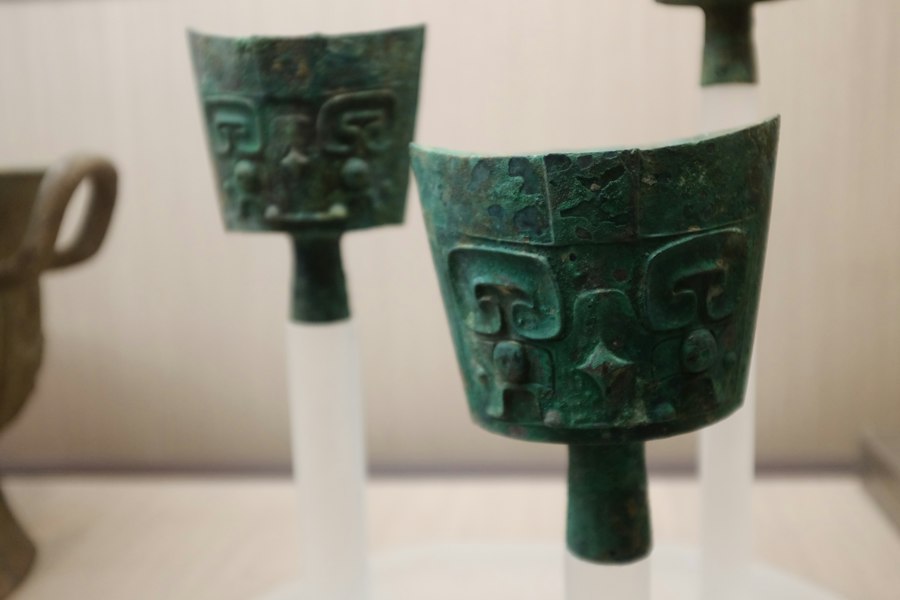
The Middle Bronze Age witnessed the further consolidation and diversification of North African cultures. This period is characterized by established trade routes, regional interaction spheres, and the development of distinct cultural identities. While significant regional variations persisted, common threads of technological advancement, evolving social structures, and complex belief systems can be observed. Archaeological evidence from this era offers insights into the lives of agricultural communities, pastoralist groups, and the nascent forms of urbanism in some areas.
The Garamantian Kingdom: Masters of the Sahara
One of the most fascinating and well-documented Middle Bronze Age societies in North Africa is the Garamantian Kingdom, which flourished in the Fezzan region of present-day Libya. These remarkable people developed sophisticated irrigation systems, known as “foggaras” or “qanats,” to harness scarce groundwater resources, enabling them to sustain agriculture in an extremely arid environment. Their settlements, often fortified and strategically located, attest to a well-organized and resilient society. Archaeological excavations at sites like Garama and Taleg have revealed impressive fortifications, administrative buildings, and evidence of a thriving economy based on agriculture, pastoralism, and trans-Saharan trade. The Garamantians were also renowned for their chariotry, a testament to their military prowess and their participation in wider North African and Mediterranean networks.
Coastal Settlements and Mediterranean Connections
Along the Mediterranean coast, from present-day Morocco to Egypt, Middle Bronze Age cultures exhibit increasing engagement with the wider Mediterranean world. Sites like Carthage (though its major Punic period is later, its origins lie in this era), Utique, and various locations in Egypt reveal evidence of maritime trade and cultural exchange. Imported pottery, metals, and other goods indicate connections with Minoan Crete, Mycenaean Greece, and eventually the Phoenicians. These coastal communities likely served as intermediaries, facilitating the flow of goods and ideas between North Africa and the Aegean, as well as other parts of the Eastern Mediterranean. The development of more advanced shipbuilding techniques would have been crucial for these maritime endeavors.
Inland Societies and Pastoralist Traditions
Beyond the coastal plains and the Sahara, inland regions of North Africa were inhabited by diverse groups, many of whom maintained strong pastoralist traditions. These communities, often mobile and adapted to challenging environments, played a vital role in the regional economy through the exchange of livestock products, hides, and other resources. Archaeological evidence for these groups can be more elusive, often consisting of ephemeral campsites, rock art, and distinctive ceramic assemblages. However, discoveries of bronze tools and ornaments indicate their participation in broader technological and cultural trends. The interactions between settled agriculturalists and mobile pastoralists were likely complex, involving both cooperation and conflict.
Late Bronze Age Transformations and Precursors to Iron
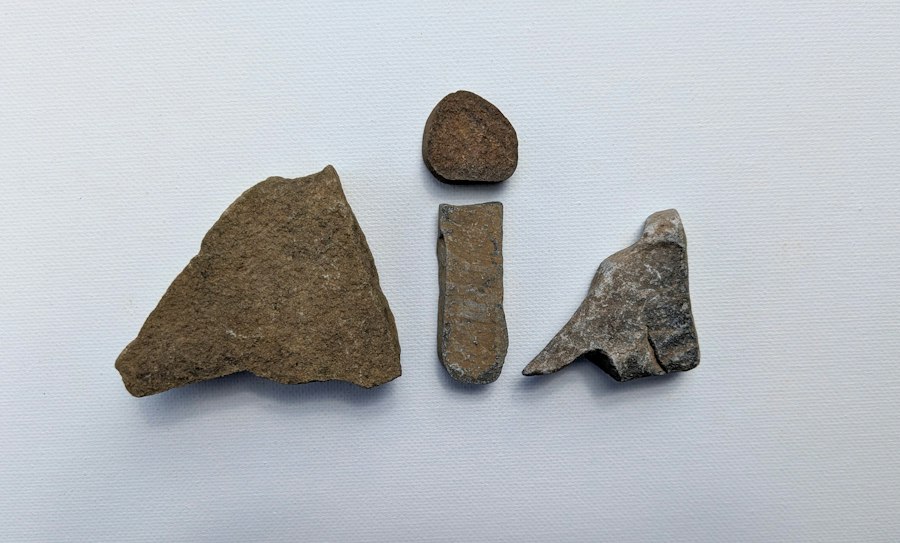
The Late Bronze Age in North Africa, leading into the early Iron Age, was a period of significant transition. While bronze remained an important material, the gradual introduction of ironworking began to alter existing economic and military landscapes. This era also witnessed the rise of new political entities, increased external influences, and the intensification of long-distance trade, setting the stage for the classical civilizations that would emerge in subsequent centuries.
The Spread of Iron Technology
The advent of ironworking, a technology that would eventually supplant bronze, began to manifest in North Africa during the Late Bronze Age. While initially rare and perhaps viewed as a prestige material, iron gradually became more accessible and its practical advantages in terms of hardness and availability became apparent. The precise timing and routes of iron diffusion into North Africa are subjects of ongoing research, with evidence suggesting influences from Anatolia and the Levant. The mastery of iron smelting, a more complex process than bronze casting, represented another significant technological hurdle that societies had to overcome. The transition to iron likely had profound implications for agriculture, warfare, and the socio-economic structure, as iron ore was generally more widely available than copper and especially tin.
Emergence of New Powers and Political Formations
The Late Bronze Age saw the rise of new political entities and the consolidation of power in various parts of North Africa. In Egypt, the New Kingdom continued its imperial ambitions, extending its influence into Nubia and the Levant, and engaging in extensive trade and diplomatic relations with North African polities. Further west, the foundations for later powerful kingdoms, such as the Libyans who would interact with Egypt for centuries, were being laid. The development of more centralized political structures, evidenced by larger settlements and more organized infrastructure, indicates a growing complexity in societal organization. These emerging powers likely controlled significant trade routes and resource extraction, contributing to their growing influence.
Intensified Trade and External Interactions
Long-distance trade intensified significantly during the Late Bronze Age, connecting North Africa with the wider Mediterranean and beyond. Egyptian records, for instance, detail trade in luxury goods, raw materials, and even enslaved people. The growing presence of Phoenician traders along the North African coast, even before the establishment of their major colonies, indicates an increasing interest in the region’s resources, including agricultural products and potentially metals. These interactions fostered the exchange of ideas, technologies, and cultural practices, further shaping the trajectory of North African societies. The control and expansion of trade routes became a key factor in the rise and fall of political powers.
Archaeological Discoveries and Methodologies
The understanding of North African Bronze Age cultures is heavily reliant on ongoing archaeological research. Excavations at numerous sites, combined with sophisticated analytical techniques, continue to shed light on the lives and achievements of these ancient peoples. The interpretation of material culture, coupled with environmental and textual evidence where available, provides a multifaceted picture of this dynamic period.
Key Archaeological Sites and their Contributions
Numerous archaeological sites across North Africa have yielded invaluable information about Bronze Age cultures. In Egypt, sites like Abydos and Saqqara have provided crucial insights into the Early Dynastic and Old Kingdom periods, revealing early monumental architecture and sophisticated funerary practices. Further west, the discovery of fortified settlements and elaborate burials in the Maghreb, such as those at Timbarkine in Morocco and various sites in Algeria, have illuminated the development of indigenous Bronze Age societies. The Garamantian sites in Libya, including Garama and El-Ghuria, have provided unparalleled evidence of sophisticated irrigation, urban planning, and a unique Saharan civilization. Coastal sites in Tunisia and Algeria offer insights into maritime trade and interactions with the Eastern Mediterranean. The identification and excavation of these diverse sites are ongoing, with new discoveries constantly refining our understanding.
Analytical Techniques and Interdisciplinary Approaches
Modern archaeological research in North Africa employs a wide range of analytical techniques to extract maximum information from the material record. Radiocarbon dating remains a cornerstone for establishing chronologies, while thermoluminescence dating is crucial for pottery. Sophisticated metallurgical analysis, including X-ray fluorescence (XRF) and inductively coupled plasma mass spectrometry (ICP-MS), helps determine the provenance of metals and understand ancient smelting and alloying techniques. Isotopic analysis of human and animal remains can provide insights into diet, migration patterns, and geographic origins. Furthermore, paleoenvironmental studies, including pollen analysis and soil studies, help reconstruct ancient landscapes and understand the impact of human activity on the environment. Interdisciplinary approaches, integrating archaeology with disciplines such as anthropology, linguistics, geography, and geology, are essential for a comprehensive understanding of these complex ancient societies.
Challenges and Future Directions in Research
Despite significant progress, the study of the North African Bronze Age faces numerous challenges. The vastness and challenging terrain of the region, particularly the Sahara, make extensive fieldwork difficult and expensive. Many sites are threatened by looting, urban development, and environmental degradation. Furthermore, the scarcity of written records from many North African Bronze Age cultures means that our understanding is primarily derived from material culture. Future research directions include the continued exploration of less-studied regions, the application of advanced remote sensing technologies, such as satellite imagery and LiDAR, to identify new sites, and the development of more sophisticated analytical techniques for understanding social organization and ideology. A greater focus on inter-regional comparisons and the study of human-environment interactions will also be crucial for a holistic understanding of this fascinating period.
The North African Bronze Age is a fascinating period that showcases the rich cultural and technological advancements of the region. Recent studies have highlighted the intricate trade networks that connected North Africa with neighboring regions, influencing both local economies and cultural exchanges. For a deeper understanding of how trade dynamics can impact various regions, you might find it interesting to explore the article on the impact of nearshoring on global trade frameworks, which discusses similar themes in a contemporary context. You can read more about it here.
Legacy and Enduring Influences
| Metric | Value | Details |
|---|---|---|
| Time Period | c. 3300 – 1200 BCE | Bronze Age era in North Africa |
| Key Regions | Morocco, Algeria, Tunisia, Libya, Egypt | Areas with significant Bronze Age archaeological sites |
| Major Cultures | Capsian, Mauretanian, Saharan pastoralist cultures | Distinct cultural groups during the Bronze Age |
| Metallurgy | Copper and bronze artifacts | Use of bronze tools and weapons |
| Population Estimate | Several hundred thousand | Estimated based on settlement sizes and burial sites |
| Major Archaeological Sites | Tassili n’Ajjer, Ghirza, Kerma | Important Bronze Age settlements and rock art locations |
| Subsistence | Pastoralism, agriculture, hunting | Mixed economy supporting Bronze Age communities |
| Trade | Trans-Saharan and Mediterranean exchange | Trade of metals, pottery, and other goods |
The Bronze Age in North Africa was not an isolated phenomenon but a dynamic period that profoundly shaped the subsequent history of the region. The technological innovations, social structures, and cultural exchanges established during this era laid the groundwork for the rise of later powerful civilizations, leaving an enduring legacy that continues to resonate today. The achievements of these ancient peoples offer valuable lessons about human ingenuity, adaptation, and the interconnectedness of human societies.
The Genesis of Later North African Civilizations
The Bronze Age cultures of North Africa served as crucial precursors to the great civilizations that would follow. The foundations of Phoenician colonization, with its emphasis on trade and urban development, were laid during this period. The interactions between Libyans and Egyptians during the Late Bronze Age would evolve into more complex political and military engagements in later centuries. The Garamantian Kingdom, with its advanced hydraulic engineering and trans-Saharan network, demonstrated an enduring model of adaptation to arid environments and regional connectivity. The technological and social innovations of the Bronze Age provided the essential building blocks upon which these later polities and empires were constructed.
Cultural Exchange and Shared Heritage
The extensive networks of trade and cultural exchange that characterized the North African Bronze Age fostered a shared heritage across diverse communities. While regional distinctions remained important, there was a discernible flow of ideas, artistic motifs, and technological knowledge. The adoption of bronze itself, along with shared burial practices and settlement patterns in some areas, points to a degree of cultural interconnectedness. This exchange of influences contributed to the rich tapestry of North African cultures that would continue to evolve through the Iron Age and into the classical period, shaping religious beliefs, artistic expressions, and societal norms.
Archaeological Legacies and Modern Interpretations
The archaeological remains of the North African Bronze Age offer a tangible link to the past, providing invaluable insights into the lives of our ancestors. The ongoing exploration and interpretation of these sites are not merely academic pursuits; they contribute to a broader understanding of human history, technological development, and societal evolution. The resilience and ingenuity displayed by Bronze Age North Africans in adapting to diverse and often challenging environments continue to inspire. As research progresses, the Bronze Age of North Africa will undoubtedly reveal even more about the complexity and richness of human experience in this vital region. The legacy of these ancient cultures is preserved in the earth, waiting to be unearthed and understood, offering a window into a formative period of North African history.

They Found a 4,000-Year-Old Defense Line in Morocco
FAQs
What time period does the North African Bronze Age cover?
The North African Bronze Age is estimated to have occurred between approximately 3300 BC and 1200 BC.
What were some key characteristics of the North African Bronze Age civilizations?
Some key characteristics of the North African Bronze Age civilizations include advanced metallurgy, trade networks, urban centers, and the development of writing systems.
Which regions of North Africa were most influenced by the Bronze Age civilizations?
The regions of modern-day Tunisia, Algeria, and Morocco were most influenced by the Bronze Age civilizations in North Africa.
What were some of the major economic activities during the North African Bronze Age?
During the North African Bronze Age, major economic activities included agriculture, mining, trade in precious metals and goods, and craftsmanship in pottery and metalwork.
What led to the decline of the North African Bronze Age civilizations?
The decline of the North African Bronze Age civilizations is believed to have been caused by factors such as climate change, invasions by other groups, and internal conflicts within the civilizations.