A Journey Through Time: The Genesis of “Exploring Our Roots”
The flickering light of discovery has long illuminated humanity’s insatiable curiosity about its own origins. For centuries, fragments of bone and stone have hinted at a grand, unfolding narrative, a story whispered from the very bedrock of our planet. Now, “Exploring Our Roots: Early Human Ancestors,” a monumental documentary series, endeavors to piece together this fragmented epic with unprecedented clarity and captivating storytelling. This ambitious undertaking, spanning multiple episodes, delves deep into the fossil record, the intricacies of genetics, and the latest archaeological findings to paint a vivid portrait of our earliest progenitors. From the bipedal hominins of Africa to the emergence of Homo sapiens, the series navigates a complex evolutionary landscape, bringing to life the environments, challenges, and triumphs that shaped our lineage.
The series’ strength lies not only in its comprehensive scope but also in its accessible presentation. While tackling scientifically complex topics, “Exploring Our Roots” consistently avoids jargon where possible, opting instead for clear explanations and compelling visuals. It effectively translates the dense academic discourse surrounding paleoanthropology into a narrative that resonates with a general audience, fostering a sense of wonder and connection to a past that, though distant, is intrinsically ours. The production values are exceptional, featuring stunning CGI reconstructions of extinct hominin species, breathtaking cinematography of ancient landscapes, and insightful interviews with leading paleontologists and geneticists. This combination creates an immersive experience, allowing viewers to feel as if they are walking alongside our ancestors, witnessing their struggles and innovations firsthand. The narrative is driven by a compelling urgency, emphasizing that understanding our past is crucial to understanding our present and charting our future. It underscores the fragility of existence and the remarkable resilience that has characterized our species from its nascent stages.
The documentary series on early human ancestors provides a fascinating glimpse into our evolutionary journey, shedding light on the innovations that shaped our species. For those interested in exploring how these early inventions influenced human development, a related article titled “Lost Inventions: History’s Game Changers” offers an in-depth look at the groundbreaking tools and technologies that have defined human progress. You can read more about it here: Lost Inventions: History’s Game Changers.
Unearthing the Evidence: The Foundation of Our Story
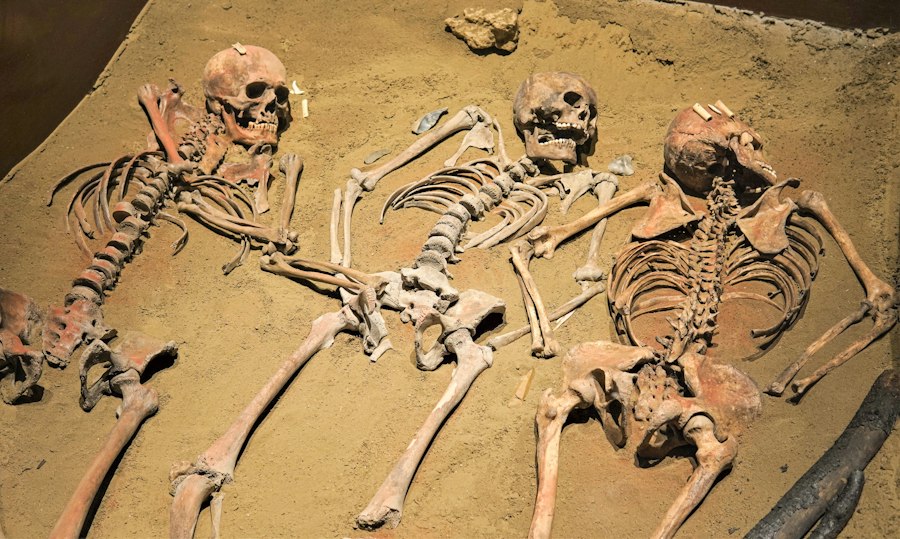
The very bedrock of “Exploring Our Roots: Early Human Ancestors” is its meticulous examination of the evidence. The series dedicates significant time to showcasing the groundbreaking discoveries that have shaped our understanding of human evolution. From the iconic “Lucy” skeleton to the more recent findings from sites like Dmanisi and Denisova Cave, each fossil is presented not merely as a collection of bones but as a key that unlocks a chapter in our shared history. The documentary series excels in its visual representation of these discoveries, employing state-of-the-art CGI to reconstruct the hominins in their presumed environments, bringing their forms and behaviors to life. These reconstructions are not mere flights of fancy; they are grounded in rigorous scientific interpretation of skeletal morphology, biomechanics, and paleoenvironmental data.
The Dawn of Bipedalism: Ardipithecus and Australopithecus
A significant portion of the early episodes is devoted to the emergence of bipedalism, a pivotal moment in our evolutionary journey. The series thoughtfully explores the mosaic nature of early hominin evolution, highlighting species like Ardipithecus ramidus, with its unique blend of arboreal and terrestrial adaptations. The compelling narrative then moves to the Australopithecines, featuring detailed discussions of Lucy (Australopithecus afarensis) and her kin. The filmmakers skillfully explain the anatomical adaptations that facilitated upright walking – the pelvis shape, the foot structure, the alignment of the femur – and the potential evolutionary pressures that favored this development, such as changes in climate and habitat. Viewers are treated to virtual reconstructions of these early hominins navigating the African savanna, foraging for food, and interacting within their social groups. The series doesn’t shy away from the ongoing debates within the scientific community regarding the precise locomotion and social structures of these ancient beings, presenting differing viewpoints with intellectual honesty.
The Rise of the Genus Homo: Homo habilis and Homo erectus
As the series progresses, the focus shifts to the emergence of the genus Homo, characterized by larger brains and more sophisticated tool use. The appearance of Homo habilis, the “handy man,” is presented as a crucial step, with the series delving into the evidence for early stone tool manufacture and its implications for diet and survival. The subsequent evolution of Homo erectus is given considerable attention, emphasizing its significant geographic expansion out of Africa, its mastery of fire, and its more complex social behaviors. The documentary series meticulously details the evidence for these advancements, including the distinctive Acheulean handaxes and the discovery of early hearths. The CGI reconstructions of Homo erectus are particularly impressive, depicting them as robust, adaptable beings capable of surviving in a variety of environments, from the African plains to the temperate regions of Eurasia. The narrative skillfully weaves together fossil evidence with archaeological findings to build a comprehensive picture of their lives.
Expanding Horizons: The Global Dispersal of Hominins

One of the most remarkable aspects of human evolution is the dispersal of our ancestors across the globe. “Exploring Our Roots” dedicates substantial airtime to this epic journey, tracing the migratory paths of different hominin species and the remarkable adaptability they displayed. The series emphasizes that this was not a single, monolithic event, but rather a series of complex migrations driven by a multitude of factors, including climate change, resource availability, and population dynamics. The visual storytelling here is particularly impactful, using animated maps and timelines to illustrate the vast distances covered and the incredible challenges faced by these early pioneers. The narrative highlights the ingenuity and resilience required to survive in unfamiliar and often harsh environments.
Out of Africa: The First Migrations
The “Out of Africa” hypothesis, a cornerstone of modern paleoanthropology, is explored in depth. The series meticulously details the fossil and genetic evidence that points to Africa as the cradle of humanity, and then meticulously charts the proposed routes of early hominin exodus. It showcases key sites outside of Africa that provide crucial insights into these migrations, such as the Dmanisi site in Georgia, which yielded some of the earliest evidence of hominins outside of Africa. The documentary team expertly guides viewers through the geological ages and climatic shifts that likely facilitated these movements, such as the expansion of savannas and the availability of migratory corridors. The series emphasizes the slow, gradual nature of these dispersals, often occurring over thousands of years, with populations adapting to new ecosystems and developing distinct regional characteristics.
The Complex Web of Interactions: Neanderthals and Denisovans
The story of human dispersal becomes even more intricate with the introduction of other hominin species, most notably Neanderthals and Denisovans. “Exploring Our Roots” doesn’t present these groups as mere footnotes to the story of Homo sapiens, but rather as significant players in the grand evolutionary drama. The series delves into the latest genetic discoveries that reveal interbreeding between our ancestors and these archaic humans. This groundbreaking information is presented in an accessible manner, explaining concepts like ancient DNA analysis and admixture. The documentary offers thoughtful speculation on the nature of these interactions – were they solely opportunistic encounters, or did they involve more sustained relationships? The CGI reconstructions of Neanderthals and Denisovans are particularly striking, moving beyond the often-caricatured portrayals to present them as complex beings with their own unique adaptations and cultures. The series emphasizes that the story of our origins is not one of a singular triumphant lineage, but a more nuanced tale of intermingling and adaptation.
The Shaping Force of Culture and Cognition
Beyond physical evolution, “Exploring Our Roots” also delves into the development of the cognitive and cultural capacities that have defined humanity. The series explores the emergence of symbolic thought, language, and complex social structures, arguing that these advancements were as crucial to our success as any physical trait. It moves beyond simply depicting tool use to exploring the potential for abstract thought and planning that such activities imply. The documentary series makes a compelling case that the development of culture provided a new avenue for adaptation, allowing humans to innovate and transmit knowledge across generations, accelerating evolutionary change in a way never before seen.
The Spark of Symbolism: Art and Innovation
The appearance of early art, such as cave paintings and portable figurines, is presented as a profound turning point. “Exploring Our Roots” dedicates significant time to exploring these artifacts, not just as aesthetic objects but as evidence of complex symbolic thought, ritual, and perhaps even early forms of religion. The series features interviews with archaeologists and art historians who offer their interpretations of these ancient expressions, sparking contemplation on what these images reveal about the minds of our ancestors. The focus isn’t solely on European cave art; the series also highlights similar discoveries from other parts of the world, underscoring the global nature of this cognitive leap. The narrative emphasizes how the development of symbolic communication likely facilitated more complex social organization and cooperation, further enhancing survival and reproduction.
The Dawn of Language and Social Complexity
While the origins of language remain one of the greatest mysteries in human evolution, “Exploring Our Roots” tackles this subject with an engaging, albeit speculative, approach. The series discusses the anatomical changes in the vocal tract and the brain that would have been necessary for complex speech, drawing on fossil evidence and comparative anatomy. It explores the potential evolutionary advantages of language, from improved coordination in hunting to the transmission of complex social norms and knowledge. The documentary series also highlights the increasing evidence for complex social structures in later hominin groups, including evidence of long-term care for the infirm and the elderly, and the formation of larger, more cohesive communities. This social complexity, intertwined with cognitive development, is presented as a key driver of human success.
The fascinating journey of early human ancestors is explored in a captivating documentary series that delves into our evolutionary past. For those interested in understanding the broader context of human development, a related article discusses the intriguing concept of lost ancient technologies and their potential impact on our understanding of history. You can read more about this thought-provoking topic in the article found here. This connection between ancient innovations and our ancestors offers a unique perspective on how far we have come as a species.
The Future Echoes of the Past: Lessons from Our Ancestors
| Documentary Title | Number of Episodes | Average Episode Length (minutes) | Release Year | Main Topics Covered | Target Audience | Production Company |
|---|---|---|---|---|---|---|
| Origins: The Journey of Humankind | 8 | 45 | 2017 | Human evolution, early ancestors, migration | General audience | National Geographic |
| Becoming Human | 3 | 60 | 2009 | Fossil evidence, brain development, tool use | Students and enthusiasts | Nova / PBS |
| Walking with Cavemen | 3 | 30 | 2003 | Early hominids, survival, environment | General audience | BBC |
| The Incredible Human Journey | 4 | 50 | 2009 | Human migration, genetics, archaeology | General audience | BBC |
| Human Planet: Origins | 6 | 40 | 2021 | Early human adaptation, culture, environment | General audience | BBC Studios |
“Exploring Our Roots: Early Human Ancestors” is more than just a historical account; it is a profound reflection on our place in the grand tapestry of life. The series effectively underscores the interconnectedness of all living things and the deep evolutionary history that binds us to our primate relatives and indeed all life on Earth. It offers a powerful reminder of the vast timescales involved in evolution and the contingent nature of our own existence. The documentary series concludes by looking forward, suggesting that understanding our ancient past provides valuable insights into the challenges and opportunities facing humanity today.
Lessons in Resilience and Adaptation
The series frequently returns to the theme of resilience, highlighting how our ancestors, despite facing immense environmental pressures, catastrophic climate shifts, and competition with other species, persevered and adapted. This narrative of overcoming adversity serves as a powerful source of inspiration. The documentary encourages viewers to consider the enduring human capacity for innovation and problem-solving, qualities that have allowed us to thrive in diverse environments across the planet. It implicitly suggests that these inherent traits, honed over millions of years of evolution, are our greatest assets in confronting contemporary global challenges, from climate change to resource scarcity. The series offers a hopeful perspective, rooted in the understanding that our lineage has always been characterized by its ability to adapt and overcome.
Our Shared Humanity in a Diverse World
In an era often marked by division and conflict, “Exploring Our Roots” delivers a vital message of shared humanity. By tracing our common ancestry back to a single origin point in Africa, the series powerfully debunks notions of inherent racial superiority or difference. It emphasizes that the variations we see in human populations today are relatively recent, superficial adaptations to diverse environments, not fundamental biological distinctions. The documentary encourages a deeper appreciation for our interconnectedness and the shared evolutionary journey that unites us all. This perspective is crucial for fostering empathy, understanding, and a sense of global community. The series ultimately leaves the viewer with a profound sense of awe at the incredible journey of human evolution and a renewed appreciation for the complex, beautiful, and ongoing story of our species.