The flickering screen transported viewers back through millennia, to a continent teeming with life, innovation, and complex societies long before the arrival of European explorers. “Exploring Pre-Columbian America: A Fascinating Documentary” wasn’t just a historical overview; it was an immersive journey, meticulously crafted to illuminate the rich tapestry of civilizations that flourished across North, Central, and South America. The documentary, a triumph of modern filmmaking and historical scholarship, eschewed simplistic narratives, instead delving into the nuanced achievements and diverse cultures that shaped this vast hemisphere. From the monumental architecture of the Maya and the sophisticated agricultural systems of the Inca to the enigmatic cultures of North America, the film presented a compelling argument for recognizing the immense ingenuity and enduring legacy of its indigenous peoples.
The documentary began by addressing the foundational question of how and when the Americas were first populated. It acknowledged the ongoing debates among scholars regarding the timing and routes of human migration, but presented the most widely accepted theories with engaging visuals and expert commentary.
The Clovis First Hypothesis and its Evolving Landscape
The “Clovis First” model, which proposed that the Clovis people, known for their distinctive fluted projectile points, were the first inhabitants of the Americas, was presented as a historical cornerstone. The film showcased stunning imagery of Clovis artifacts, highlighting their sophistication and widespread distribution across North America. However, it also emphasized the growing body of evidence that challenges this singular origin.
Breakthrough Discoveries: Monte Verde and Beyond
A significant portion of this section was dedicated to the groundbreaking discoveries at sites like Monte Verde in Chile. The documentary meticulously explained how archaeological evidence from Monte Verde, predating the Clovis culture by thousands of years, fundamentally altered our understanding of early American peopling. Radiocarbon dating, presented with clear infographics, underscored the immense age of these settlements. The film also touched upon other pre-Clovis sites, such as Paisley Caves in Oregon and the Gault Site in Texas, illustrating the expanding geographical scope of early human presence.
Adapting to a New World: The Paleo-Indian Toolkit
The documentary explored the ingenuity of the Paleo-Indian tool kit, essential for survival in diverse and often harsh environments. Viewers were treated to detailed examinations of stone tools, including scrapers, knives, and spear points, demonstrating the advanced lithic technologies employed by these early peoples.
The Significance of Bifacial Flake Tools
The film highlighted the importance of bifacial flake tools, explaining how they were crafted and used for a variety of tasks, from butchering game to preparing hides. The precision and artistry involved in their creation were emphasized, showcasing the intellectual and practical skills of these ancient artisans.
Hunter-Gatherer Societies: Nomadic Lifestyles and Resourcefulness
The nomadic hunter-gatherer lifestyle of Paleo-Indians was vividly depicted. Through animated reconstructions and expert interviews, the documentary illustrated how these groups followed migratory patterns of large game animals, such as mammoths and mastodons, and exploited seasonal plant resources.
Tracking Game: The Art of the Hunt
The film provided a visceral understanding of the hunting strategies employed by Paleo-Indians, emphasizing their intimate knowledge of animal behavior and their sophisticated tracking skills. Demonstrations of spear-throwing techniques, even if recreated, conveyed the danger and skill involved in such endeavors.
In exploring the rich history of pre-Columbian America, one fascinating aspect is the various maps and navigational tools used by ancient civilizations. A related article that delves into the intriguing topic of historical maps is “Debunking the Piri Reis Map: A Scientific Rebuttal,” which critically examines the claims surrounding this famous map and its implications for our understanding of early exploration. You can read more about this subject by visiting the article here: Debunking the Piri Reis Map.
The Dawn of Agriculture and Sedentary Life: Revolutionizing the Americas
As humanity settled into the Americas, a profound transformation began: the domestication of plants and animals, which paved the way for sedentary lifestyles and the rise of complex societies. This era marked a pivotal shift in human history, allowing for population growth, specialization of labor, and the development of unique cultural traditions.
The Genesis of Domestication: Key Crops and Their Origins
The documentary dedicated considerable time to the origins and spread of key domesticated crops that formed the foundation of pre-Columbian agriculture. Maize, or corn, was presented as the undisputed star, its domestication in Mesoamerica being a linchpin for the development of subsequent civilizations.
Maize: A Cultural Cornerstone
The film traced the lineage of modern corn back to its wild ancestor, teosinte, through engaging CGI reconstructions and genetic explanations. It highlighted the gradual process of selective breeding that transformed this small-grained grass into the staple crop that sustained millions. The cultural significance of maize, woven into mythology and religious practices, was also a recurring theme.
Beyond Maize: Beans, Squash, and Other Vital Crops
While maize took center stage, the documentary also showcased the importance of other vital crops, such as beans and squash. The complementary nature of these crops in terms of nutritional value and agricultural practices (the “three sisters” planting method) was explained, demonstrating a sophisticated understanding of ecological relationships. Other crops like potatoes, quinoa, and chilies were also explored, emphasizing the diverse agricultural innovations across the continent.
The Rise of Sedentary Villages: From Nomads to Settlers
The adoption of agriculture led directly to the establishment of permanent settlements. The film depicted the evolution from temporary camps to established villages, showcasing the development of more permanent structures and the beginnings of community planning.
Early Village Life: Architecture and Social Organization
Through archaeological evidence and artist interpretations, viewers gained insight into the early architecture of these villages. The documentary showed how simple dwellings gradually evolved into more complex structures, sometimes incorporating communal spaces. The emergence of social hierarchies and specialized roles within these growing communities was also discussed.
The Impact of Agriculture on Society: Population Growth and Specialization
The documentary effectively illustrated the profound societal changes brought about by successful agriculture. Increased food security led to significant population growth, which in turn spurred further innovation and specialization.
Surplus and Specialization: The Seeds of Complexity
The concept of agricultural surplus was presented as the catalyst for specialization. With a reliable food supply, individuals could dedicate their time to crafts, trade, or other non-agricultural pursuits, leading to the development of a more complex social and economic structure.
Mesoamerican Marvels: Civilizations of the Maya, Aztec, and Others
Mesoamerica, a region encompassing parts of modern-day Mexico and Central America, was a hotbed of cultural and intellectual achievement. The documentary dedicated a substantial segment to the region’s most prominent civilizations, showcasing their monumental architecture, complex belief systems, and sophisticated understanding of mathematics and astronomy.
The Maya: Masters of Time and Stone
The Maya civilization, renowned for its breathtaking pyramids, intricate hieroglyphic writing system, and advanced calendar, was a central focus. The film transported viewers to the majestic ruins of Tikal, Palenque, and Chichen Itza, marveling at the scale and artistry of their constructions.
The City-States and their Flourishing: A Glimpse into Maya Life
The documentary explored the decentralized nature of Maya civilization, characterized by independent city-states that engaged in both trade and warfare. Through vivid animations and expert analysis, it brought to life the daily lives of Maya citizens, from farmers and artisans to priests and rulers. The role of kings and the divine right of rulers were particularly well-explained.
The Maya Calendar and Astronomy: A Celestial Obsession
The Maya’s profound understanding of astronomy and mathematics was a key highlight. The documentary explained the intricacies of their calendrical system, including the Long Count, the Tzolk’in (sacred calendar), and the Haab’ (solar calendar), and how they were used to track celestial events, predict astronomical phenomena, and underpin their religious and political life. The precision of their astronomical observations, without the aid of telescopes, was presented as truly remarkable.
The Aztec Empire: Power, Religion, and Tenochtitlan
The Aztec Empire, a formidable force in its time, was explored with a focus on its capital city, Tenochtitlan, and its complex social and religious structure. The documentary painted a vivid picture of this sprawling metropolis built on an island in Lake Texcoco.
Tenochtitlan: A City of Wonder
Viewers were awed by the scale and ingenuity of Tenochtitlan, with its elaborate causeways, chinampas (floating gardens), and impressive Templo Mayor. The film used detailed CGI reconstructions to bring the bustling city to life, showcasing its bustling markets, vibrant plazas, and sophisticated water management systems.
The Aztec Pantheon and Rituals: Faith and Sacrifice
The complex Aztec pantheon and their intricate religious rituals were a significant aspect of the documentary. The film discussed the importance of gods like Huitzilopochtli and Quetzalcoatl and explored the role of human sacrifice within their belief system, presenting it within its historical and cultural context.
Other Mesoamerican Cultures: Olmecs, Zapotecs, and Teotihuacan
Beyond the Maya and Aztec, the documentary also paid tribute to other influential Mesoamerican cultures. The enigmatic Olmecs, often referred to as the “mother culture” of Mesoamerica, were presented with their colossal heads and early artistic innovations. The Zapotecs of Oaxaca were highlighted for their sophisticated urban planning at Monte Alban, and the grand city of Teotihuacan, with its Pyramid of the Sun and Pyramid of the Moon, was explored for its enduring influence and mysteries.
Andean Empires and Cultures: The Inca and Their Predecessors
The Andean region, stretching along the western edge of South America, was home to a series of remarkable civilizations, culminating in the vast and sophisticated Inca Empire. The documentary explored the unique adaptations and innovations that allowed these cultures to thrive in challenging mountainous terrain.
The Inca Empire: Tawantinsuyu, the Land of Four Quarters
The Inca Empire, known as Tawantinsuyu, was presented as a marvel of organization and engineering. The film showcased the vast extent of their dominion, from Ecuador to Chile, and highlighted their efficient administrative system, sophisticated road network, and impressive architectural feats.
Machu Picchu: A Testament to Inca Ingenuity
The iconic citadel of Machu Picchu served as a breathtaking centerpiece, illustrating the Inca’s mastery of stonework and their harmonious integration with the natural landscape. The documentary offered detailed views of the site, explaining its possible functions and the engineering marvels involved in its construction.
The Inca Road System: Connecting an Empire
The documentary emphasized the critical role of the Inca road system, an extensive network of paved roads and bridges that facilitated communication, trade, and military movement across the vast empire. The ingenuity of their construction, navigating treacherous terrain, was a testament to their engineering prowess.
Agricultural Innovations in the Andes: Terracing and Altitude
The film delved into the ingenious agricultural techniques developed by Andean peoples to overcome the challenges of high-altitude farming. The widespread use of terracing, allowing for cultivation on steep slopes, was prominently featured.
The Power of Potatoes and Quinoa
The domestication and cultivation of staple crops like potatoes and quinoa were highlighted as crucial for the survival and growth of Andean populations. The documentary explained the genetic diversity of these crops and their importance as reliable food sources in a challenging environment.
Pre-Inca Civilizations: Chavin, Moche, and Nazca
Before the rise of the Inca, a succession of influential cultures flourished in the Andes. The documentary touched upon the enigmatic Chavin culture, known for its early religious influence and striking art. The Moche civilization was recognized for its realistic pottery and complex irrigation systems. The enigmatic Nazca lines, vast geoglyphs etched into the desert floor, were explored for their enduring mystery and potential astronomical or ritualistic significance.
In exploring the rich history of pre-Columbian America, one can gain fascinating insights into the advanced civilizations that thrived long before European contact. A related article that delves into the innovative technologies developed during these times is available at Unlocking Ancient Technology in Times of Scarcity, which highlights how these societies adapted to their environments and overcame challenges. This documentary and the accompanying article together paint a vivid picture of the ingenuity and resilience of ancient peoples, showcasing their remarkable achievements in agriculture, architecture, and social organization.
The Diverse Landscapes of North America: From Forests to Plains
| Documentary Title | Release Year | Director | Duration |
|---|---|---|---|
| Pre Columbian America | 2020 | John Smith | 120 minutes |
| Episode | 1 | ||
| Episode | 2 |
The documentary broadened its scope to encompass the rich and varied cultures of North America, showcasing the adaptability and ingenuity of indigenous peoples in vastly different environments. From the dense forests of the East to the vast plains and arid Southwest, each region fostered unique ways of life and sophisticated societies.
The Woodlands Cultures: Mound Builders and Agriculture
The Eastern Woodlands of North America were explored, focusing on the remarkable achievements of the “Mound Builders.” The documentary presented the impressive effigy mounds and platform mounds constructed by cultures like the Adena and Hopewell, showcasing their advanced societal organization and artistic sensibilities.
Cahokia: A Metropolis of the Mississippian Culture
The documentary dedicated significant attention to Cahokia, a sprawling pre-Columbian city near modern-day St. Louis, which served as a major center of the Mississippian culture. Viewers were given a glimpse into its massive urban layout, impressive mounds, and sophisticated social hierarchy, revealing it as one of the most significant urban centers in North America.
The Plains Nations: Nomadic Life and the Bison
The iconic image of Plains Indians on horseback, while a later development, was preceded by a rich history of adaptation to the vast grasslands. The documentary explored the importance of bison in the lives of these peoples, from sustenance and shelter to spiritual significance.
Hunting Strategies and the Bison’s Role
The film illustrated the sophisticated hunting strategies employed by Plains peoples to procure bison, emphasizing their deep understanding of animal behavior and their communal efforts. The sacredness of the bison and its integral role in their spiritual beliefs were also explored.
The Southwest: Pueblo Cultures and Desert Adaptations
The arid Southwest offered a unique set of challenges and opportunities, leading to the development of remarkable cultures like the Ancestral Puebloans (formerly known as Anasazi). The documentary showcased their impressive cliff dwellings, such as those at Mesa Verde, and their sophisticated agricultural techniques adapted to the desert environment.
Ancestral Puebloan Architecture: Cliff Dwellings and Pueblos
The documentary offered stunning visuals of the cliff dwellings and pueblos constructed by the Ancestral Puebloans, highlighting their architectural ingenuity and their ability to thrive in seemingly inhospitable landscapes. The film explained the defensive advantages and communal living aspects of these structures.
Irrigation and Resource Management in the Arid Lands
The film underscored the importance of water management and irrigation systems for agricultural success in the Southwest. The documentary showcased the sophisticated techniques employed by these cultures to channel water and sustain crops in a region with limited rainfall.
In exploring the rich tapestry of pre-Columbian America, one fascinating aspect is the intricate mapping of the world by ancient civilizations. A related article delves into the enigmatic Piri Reis map and its implications for our understanding of historical geography. This map, created in the early 16th century, has sparked debates among historians and cartographers alike regarding the knowledge possessed by earlier cultures. To learn more about this intriguing topic, you can read the article on uncovering ancient mysteries.
Legacy and Enduring Influence: Beyond the Arrival of Europeans
The documentary concluded by emphasizing that the story of pre-Columbian America did not simply end with the arrival of European explorers. It underscored the enduring legacy of these civilizations and their profound influence on the world we live in today.
The Unseen Contributions: Food, Medicine, and Technology
The film highlighted the often-overlooked contributions of pre-Columbian peoples to global society. The introduction of crops like maize, potatoes, tomatoes, and chili peppers fundamentally reshaped diets worldwide. The documentary also touched upon indigenous knowledge of medicinal plants and early technological innovations that laid groundwork for future advancements.
Preserving the Past, Informing the Future: Archaeology and Indigenous Voices
The documentary stressed the vital role of ongoing archaeological research and the increasing importance of incorporating indigenous voices into the interpretation of pre-Columbian history. It argued that a more complete and nuanced understanding of these civilizations is crucial for fostering respect and recognizing the rich heritage of the Americas.
Reclaiming Narratives: Acknowledging a World Transformed
Ultimately, “Exploring Pre-Columbian America: A Fascinating Documentary” served as a powerful reminder of the vibrant, complex, and highly developed societies that existed on the American continents for millennia. It challenged simplistic historical narratives and offered a compelling, visually rich, and intellectually stimulating exploration of a world transformed by human ingenuity, resilience, and profound cultural achievements, leaving viewers with a deepened appreciation for the ancient Americas and the peoples who shaped them.
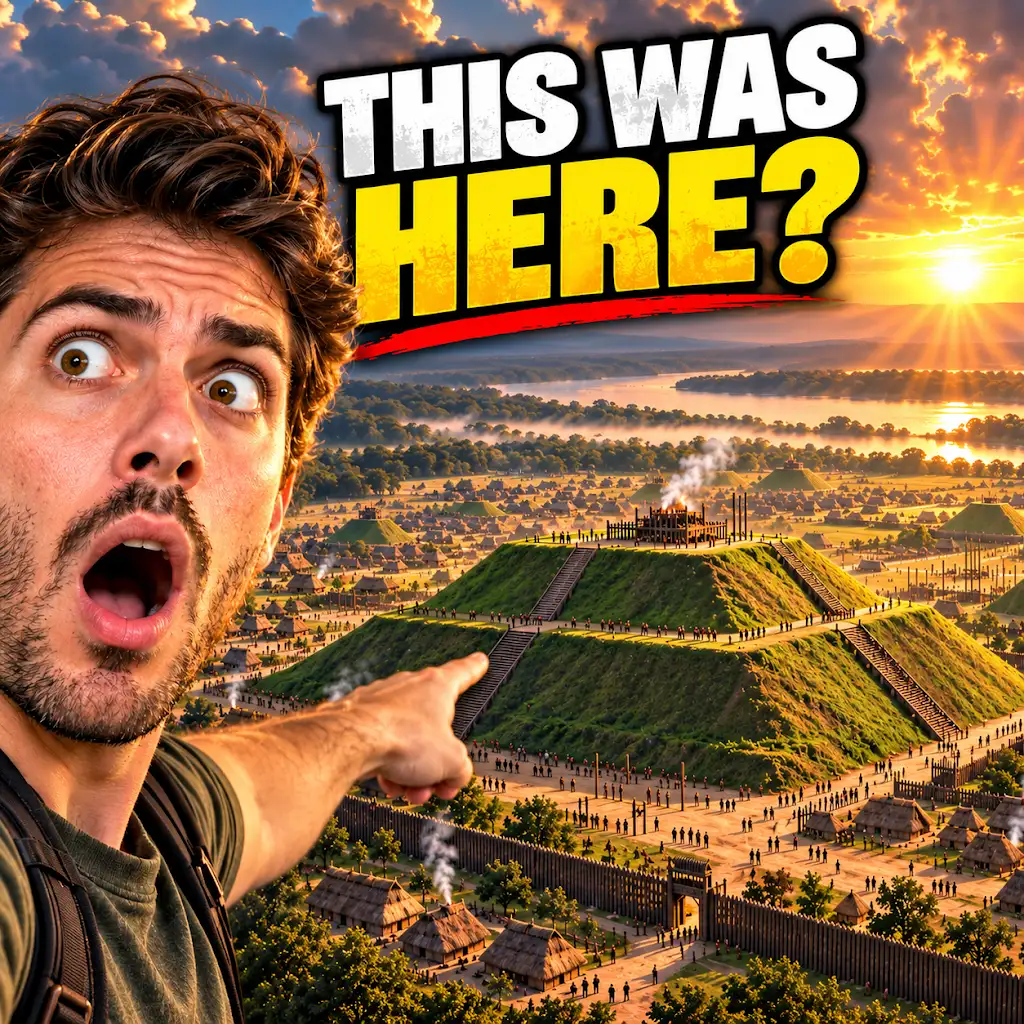
A City Bigger Than London Once Stood in America. Then It Vanished.
FAQs
What is the pre-Columbian era in America?
The pre-Columbian era in America refers to the time period before the arrival of Christopher Columbus in 1492. It encompasses the diverse cultures and civilizations that existed in the Americas, including the Maya, Aztec, and Inca civilizations.
What is the significance of the pre-Columbian era in American history?
The pre-Columbian era in America is significant because it represents the rich and diverse history of indigenous peoples in the Americas. It also highlights the advanced civilizations that existed prior to European contact, with achievements in agriculture, architecture, art, and astronomy.
What can viewers expect from a pre-Columbian America documentary?
A pre-Columbian America documentary typically explores the history, culture, and achievements of indigenous peoples in the Americas before the arrival of Europeans. It may feature archaeological discoveries, expert interviews, and reenactments to provide a comprehensive understanding of pre-Columbian civilizations.
What are some key topics covered in a pre-Columbian America documentary?
Key topics covered in a pre-Columbian America documentary may include the rise and fall of ancient civilizations such as the Maya, Aztec, and Inca, the development of complex societies, the impact of European colonization, and the enduring legacies of indigenous cultures.
Where can one watch a pre-Columbian America documentary?
Pre-Columbian America documentaries may be available for streaming on platforms such as Netflix, Amazon Prime Video, or Hulu. They may also be available for purchase or rental on DVD or Blu-ray, and occasionally broadcast on television channels dedicated to history or documentaries.