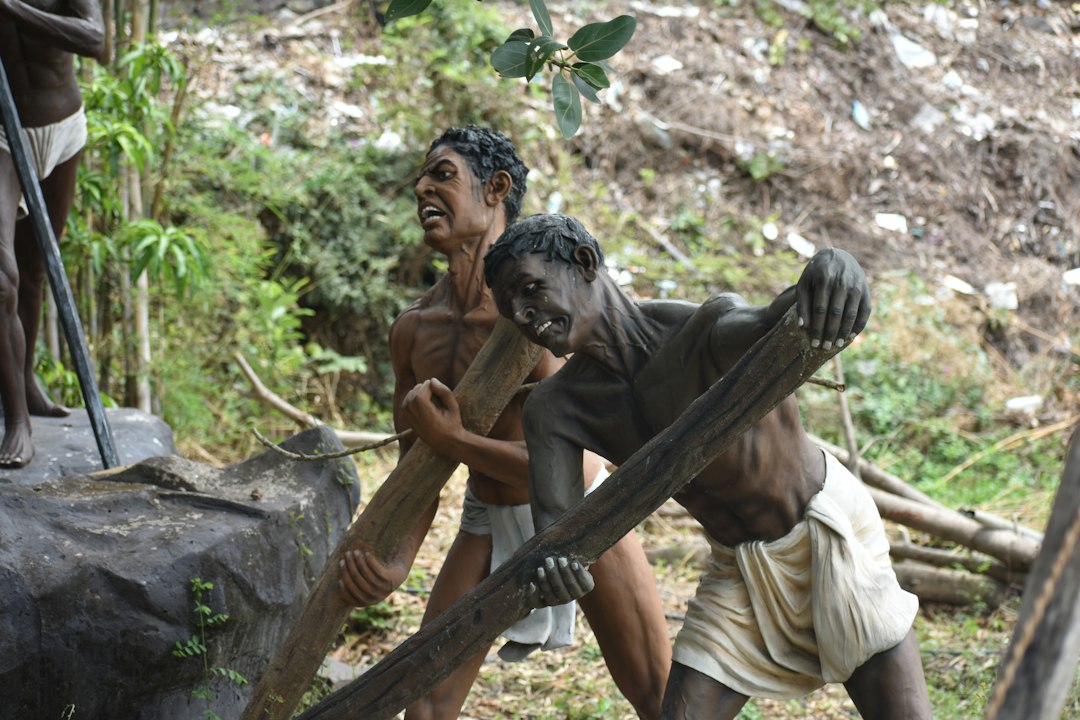
The documentary video, “Exploring Prehistoric Life: Early Humans,” offers a captivating journey into the distant past, illuminating the lives and environments of our earliest ancestors. Through vivid reconstructions, expert interviews, and archaeological evidence, the film seeks to bridge the vast chasm of time, allowing viewers to connect with the very origins of humanity. This exploration delves into the complex tapestry of early human existence, examining their adaptations, social structures, and the relentless drive that propelled them to conquer new territories and evolve into the species we are today.
The Cradle of Humanity: Unveiling Our Ancestral Roots
The initial segments of “Exploring Prehistoric Life” meticulously retrace the steps of human evolution, focusing on the African continent as the undisputed cradle of our species. The documentary vividly portrays the environmental shifts that likely spurred the development of bipedalism, a pivotal evolutionary leap. Viewers are transported to the savanna landscapes, where the speculative narrative suggests that walking upright provided advantages such as improved visibility over tall grasses, freeing the hands for tool use and carrying, and more efficient thermoregulation in the open sun.
The Dawn of Bipedalism: A Transformative Adaptation
The video dedicates significant screen time to the anatomical changes associated with bipedalism. Expert paleontologists, through clear animations and detailed explanations, highlight the modifications in the pelvis, femur, and foot structure. The documentary illustrates how these shifts allowed for a more upright posture and efficient locomotion, distinguishing early hominins from their quadrupedal ape ancestors. It emphasizes that this was not an instantaneous event but a gradual process, with various hominin species exhibiting intermediate forms and varying degrees of bipedal efficiency. The visual representations of these skeletal changes are crucial in helping the audience grasp the profound biological alterations that laid the groundwork for future human development.
Early Hominin Discoveries: Piecing Together the Fossil Puzzle
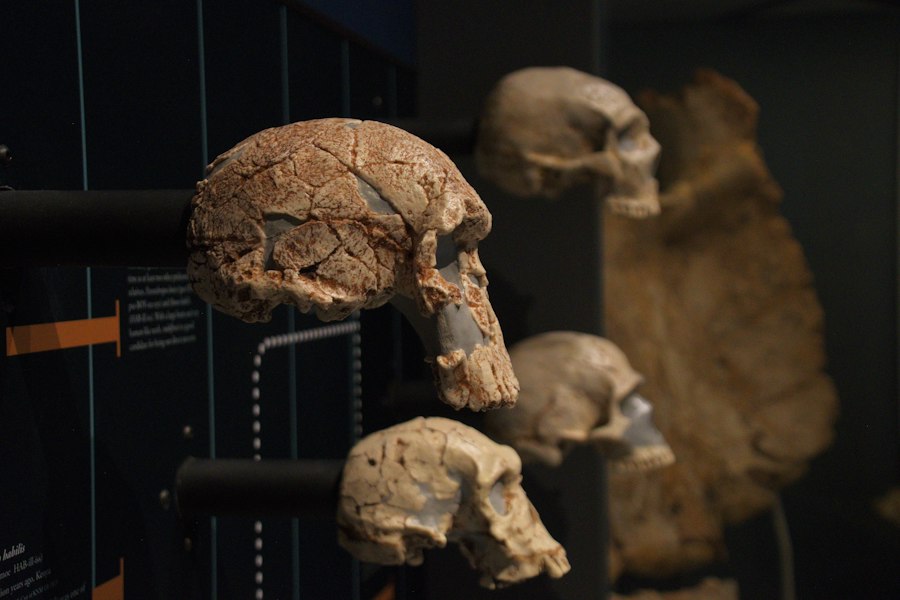
“Exploring Prehistoric Life” showcases the groundbreaking discoveries of key early hominin fossils, such as Australopithecus afarensis (famously represented by “Lucy”) and Homo habilis. The film emphasizes the significance of these finds in establishing timelines and understanding the branching nature of human evolution. It explains how the geological context and associated artifacts found alongside these fossils provide invaluable clues about their age and the environments they inhabited. The documentary carefully explains the scientific process of dating these remains, using radiometric dating and stratigraphy, to reconstruct the evolutionary lineage. This section serves as a testament to the tireless work of paleoanthropologists who have meticulously unearthed the fragments of our past, allowing us to construct a more coherent narrative of our origins.
In exploring the fascinating world of prehistoric life and early humans, one can gain deeper insights by examining the interconnectedness of ancient societies and their trade networks. A related article that delves into this topic is “The Collapse of Bronze Age Trade Networks,” which discusses how the decline of these networks impacted various civilizations and their development. This article provides valuable context for understanding the broader implications of early human interactions and their influence on societal evolution. For more information, you can read the article here: The Collapse of Bronze Age Trade Networks.
Ingenuity in the Stone Age: The Rise of Toolmaking and Behavior
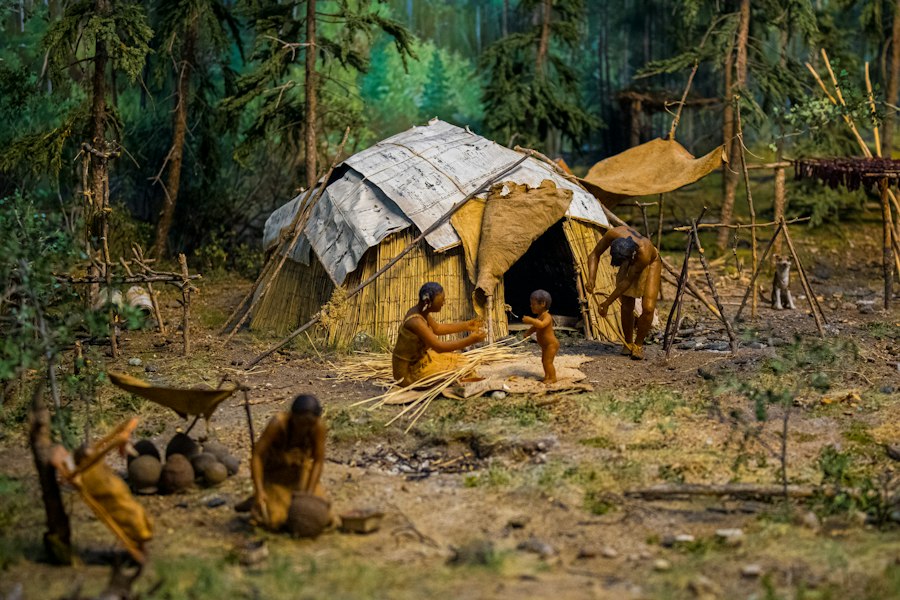
A significant portion of the documentary is dedicated to the development and impact of stone tool technology. “Exploring Prehistoric Life” argues that the ability to craft and use tools was not merely a matter of convenience but a fundamental driver of human progress, shaping cognitive abilities and social interactions. The film showcases the evolution of tool sophistication, from simple choppers to more complex handaxes and prepared-core techniques, illustrating a growing understanding of material properties and intentional design.
The First Artisans: Early Stone Tool Industries
The documentary presents compelling visual reconstructions of early humans knapping flint and other stones to create tools. It explores the Oldowan and Acheulean industries, highlighting the ingenuity required to produce flakes, scrapers, and cutting edges. Experts in the film discuss how these tools were used for a variety of purposes, including butchering carcasses, processing plant materials, and even defense. The meticulous craftsmanship evident in some Acheulean handaxes suggests a level of cognitive planning and aesthetic consideration that predates what was previously assumed for early hominins. The video emphasizes that toolmaking was not a solitary activity but likely involved knowledge transfer and learning within social groups, fostering early forms of cultural transmission.
Cognitive Leaps and Social Bonds: The Impact of Tool Use
Beyond the physical utility of tools, “Exploring Prehistoric Life” posits a strong link between toolmaking and the development of advanced cognitive abilities. The act of planning, selecting appropriate materials, and executing precise strikes to create a functional tool requires foresight, problem-solving skills, and an understanding of cause and effect. The documentary suggests that this process may have contributed to the expansion of the brain, particularly areas associated with planning and abstract thought. Furthermore, the shared practice of toolmaking and use likely fostered stronger social bonds, cooperation, and the beginnings of complex social structures. The ability to share tools, hunt cooperatively, and defend territory would have been significantly enhanced by the advent of sophisticated stone implements.
Masters of Fire: Transforming Survival and Society
The mastery of fire is presented as another monumental achievement in the journey of early humans, revolutionizing their ability to survive, thrive, and interact. “Exploring Prehistoric Life” vividly depicts the profound impact of fire, from its ability to provide warmth and protection to its transformative role in diet and social life. The documentary argues that controlling fire was not just a technological advancement but a cultural catalyst that reshaped human societies.
Taming the Flame: The Significance of Fire Control
The video explores the evidence for early fire use, including hearths and burnt artifacts. It discusses the challenges faced by early humans in not only discovering fire but also in learning to control and maintain it. The documentary uses compelling visualizations to show how fire provided a vital defense against predators, allowing early humans to venture into new, more dangerous territories. The warmth generated by fire also enabled survival in colder climates, facilitating migration out of Africa and into previously uninhabitable regions. This control over a powerful natural element represents a significant step in humanity’s ability to actively shape its environment rather than simply react to it.
A Culinary Revolution and Social Hub: The Multifaceted Role of Fire
“Exploring Prehistoric Life” highlights the dramatic dietary changes brought about by the advent of cooking. The film explains how cooking makes food more digestible, unlocks nutrients, and kills harmful bacteria, leading to improved health and a more varied diet. This dietary shift likely played a role in further brain development and the evolution of smaller digestive systems. Furthermore, the documentary portrays the hearth as a central gathering place for early human communities. Around the fire, individuals would have shared meals, stories, and knowledge, fostering social cohesion and the development of language. The firelight would have extended the active day, allowing for more social interaction and the planning of future activities, transforming the rhythm of daily life and laying the foundation for more complex social organizations.
The Great Migrations: Expanding Horizons and Diversifying Humanity
A core narrative thread in “Exploring Prehistoric Life” is the epic story of human migration out of Africa. The documentary uses a combination of genetic evidence, archaeological findings, and sophisticated mapping to illustrate the incredible journeys undertaken by our ancestors. It emphasizes the resilience, adaptability, and exploratory spirit that drove these global movements.
Out of Africa: The Initial Diaspora
The film meticulously details the proposed routes and timelines of the initial migrations out of Africa. Viewers are shown how early humans, equipped with their developing toolmaking skills and their mastery of fire, began to explore beyond their ancestral homeland. The documentary explores the challenges and opportunities faced by these pioneering groups as they encountered new environments, climates, and resources. It highlights the likely pressures, such as population growth and environmental changes, that may have motivated these expeditions. The video employs animated maps that dynamically illustrate the spread of human populations across continents, providing a clear visual representation of this monumental expansion.
Adapting to New Worlds: Diversification and Innovation
As humans spread across the globe, they encountered vastly different environments, from the frozen tundras of Eurasia to the tropical rainforests of Southeast Asia. “Exploring Prehistoric Life” showcases the remarkable adaptability of early humans, who developed specialized tools, hunting strategies, and shelter technologies to suit their new surroundings. The documentary points to the emergence of distinct cultural practices and even physical adaptations as a testament to this process of diversification. For instance, the film may discuss the development of specialized clothing for cold climates or the sophisticated fishing techniques employed in coastal regions. This section underscores the inherent human drive to explore, innovate, and thrive in the face of novel challenges, demonstrating the dynamic and ever-evolving nature of our species.
In exploring the fascinating world of prehistoric life and early humans, one can gain deeper insights by examining the connections between ancient civilizations and their geographical knowledge. A related article that delves into this topic is available at Uncovering the Lost Civilization: Piri Reis Map Theory, which discusses how ancient maps can reveal the extent of human exploration and understanding of the world long before modern times. This perspective enriches our understanding of early human societies and their interactions with the environment.
The Dawn of Symbolic Thought: Art, Ritual, and the Modern Mind
| Metric | Value | Description |
|---|---|---|
| Video Length | 45 minutes | Total runtime of the documentary |
| Release Year | 2023 | Year the documentary was published |
| Number of Species Covered | 12 | Different prehistoric human species featured |
| Estimated Viewers | 1.2 million | Number of viewers within first month of release |
| Scientific Consultants | 5 | Experts involved in content accuracy |
| Key Topics | Evolution, Migration, Tools, Culture | Main themes discussed in the documentary |
| Languages Available | 6 | Number of languages the documentary is dubbed or subtitled in |
The final segments of “Exploring Prehistoric Life” delve into the emergent evidence of symbolic thought, a crucial marker distinguishing fully modern humans. The documentary explores the earliest forms of art, ritualistic behavior, and the potential beginnings of complex language, suggesting a profound shift in cognitive capacity and the human psyche.
The First Masterpieces: Paleolithic Art and Its Meaning
The video presents stunning examples of Paleolithic art, including cave paintings from Lascaux, Chauvet, and Altamira, as well as portable art objects like carved figurines. Experts in the film offer various interpretations of these artworks, suggesting they may have served shamanistic purposes, depicted hunting strategies, represented spiritual beliefs, or even functioned as early forms of storytelling. The meticulous detail and artistic skill displayed in these ancient creations challenge previous notions of early human cognitive limitations. The documentary emphasizes that the creation of such art implies abstract thought, imagination, and the ability to represent the world symbolically, going beyond mere survival needs.
Ritual and Belief: Glimpses into the Prehistoric Psyche
“Exploring Prehistoric Life” also examines archaeological evidence that suggests the development of ritualistic practices. This includes the careful burial of the dead, often accompanied by grave goods, which implies a belief in an afterlife or a sense of respect for the deceased. The film may also discuss the potential use of ochre in burial rituals or for body decoration, further indicating symbolic behavior. The presence of these practices suggests that early humans were not solely driven by instinct but possessed a capacity for abstract thought, belief systems, and a developing sense of self and community that transcended the immediate present. The exploration of these aspects offers a poignant glimpse into the emerging spiritual and intellectual landscape of our ancient ancestors. The documentary concludes by reinforcing the idea that the journey of early humans was not just a biological evolution but a complex interplay of technological innovation, social development, and the dawning of a uniquely human consciousness.