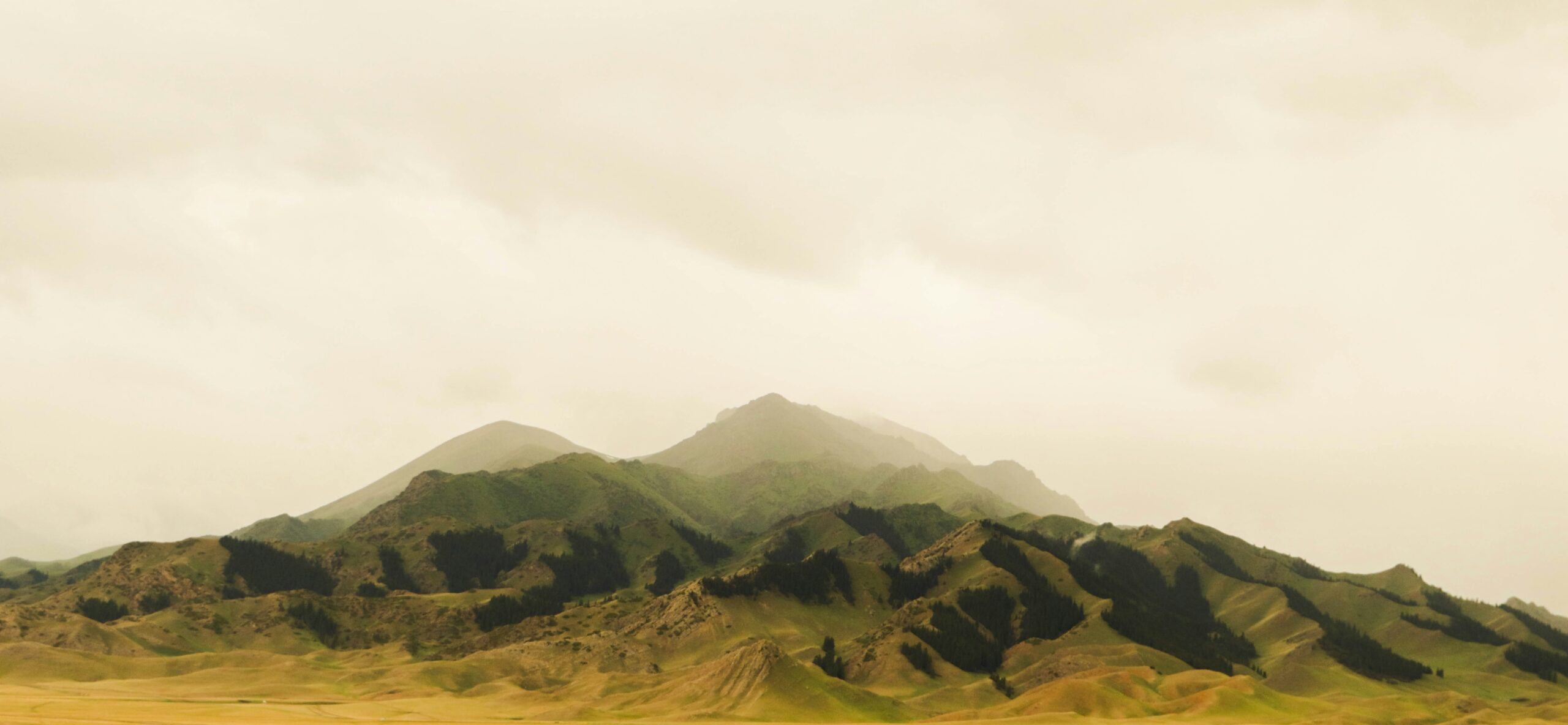
The Earth’s ancient oceans, vast and teeming with life unlike anything seen today, offer a captivating glimpse into a lost world. For millions of years, before the first primates walked the land, these prehistoric seascapes were the cradles of evolution, evolving through dramatic geological and biological shifts. Exploring these watery realms requires a blend of paleontological evidence, geological interpretation, and imaginative reconstruction, painting a picture of a planet vastly different from the one we inhabit. The sheer scale of time involved, stretching back billions of years, means that these prehistoric oceans witnessed the emergence of life itself, its diversification, and the rise and fall of countless extinct lineages.
The earliest chapters of Earth’s history are inextricably linked to its oceans. It was within these primordial waters that the fundamental building blocks of life first coalesced, driven by chemical reactions and bathed in the energy of a young, volatile planet. While direct fossil evidence from these earliest periods is scarce and often microscopic, the geological record provides crucial clues.
RNA World and the First Cellular Structures
Before the emergence of DNA as we know it, scientists hypothesize an “RNA world” where RNA molecules played both genetic and catalytic roles. These self-replicating molecules are thought to have formed in the warm, shallow pools and hydrothermal vents of the early oceans. The precise conditions that fostered this transition from non-living chemistry to the first self-replicating entities remain a subject of intense scientific debate, with theories ranging from volcanic ponds to deep-sea hydrothermal vents. The abundance of liquid water, a key solvent for biochemical reactions, made the oceans the ideal incubator for these nascent life forms.
The Great Oxidation Event and the Rise of Photosynthesis
A monumental shift in Earth’s atmosphere and oceans occurred with the advent of photosynthesis, driven by early cyanobacteria. These remarkable microorganisms began to release oxygen as a byproduct of their metabolic processes. Initially, this free oxygen was absorbed by iron dissolved in the oceans, forming vast deposits of banded iron formations – a telltale sign of this early biological activity. Eventually, the oceans became saturated with oxygen, and it began to accumulate in the atmosphere, a process known as the Great Oxidation Event. This event was a profound turning point, paving the way for the evolution of aerobic respiration and more complex life forms, while simultaneously posing a deadly challenge to many anaerobic organisms that were not adapted to oxygen.
Stromatolites: Ancient Microbial Reefs
The oldest widely accepted evidence of life on Earth comes in the form of stromatolites. These layered structures are fossilized microbial mats, built by layers of cyanobacteria and other microorganisms. Found in ancient sedimentary rocks, stromatolites are essentially microscopic reefs, formed as these bacteria trapped sediment and precipitated minerals. Their presence in rocks dating back billions of years provides concrete evidence of active ecosystems in the Precambrian oceans. Studying their intricate layering and composition allows scientists to infer the environmental conditions of these early seas, including water depth, salinity, and the presence of dissolved minerals.
The study of prehistoric landscapes under the sea offers fascinating insights into ancient ecosystems and the evolution of marine life. For those interested in exploring how celestial bodies, like the moon, have influenced Earth’s geological and biological history, a related article can be found at The Strategic Importance of the Moon. This piece delves into the moon’s impact on tides and its role in shaping coastal environments, which are crucial for understanding the prehistoric landscapes that once existed beneath the waves.
The Cambrian Explosion: A Burst of Diversity
The Cambrian Period, beginning around 541 million years ago, is renowned for the “Cambrian Explosion,” a geologically rapid period of diversification of multicellular animal life. For reasons still debated, life in the oceans transformed, giving rise to many of the major animal phyla that exist today, albeit in wildly different forms. This era witnessed the evolution of hard body parts, complex sensory organs, and novel ecological interactions.
The Emergence of Hard Parts and Predation
One of the most significant developments during the Cambrian Explosion was the evolution of hard exoskeletons, shells, and spines. This innovation offered protection against predators and provided structural support for more active lifestyles. The increased presence of predators spurred an evolutionary arms race, leading to the development of even more sophisticated defensive mechanisms and more efficient hunting strategies. This new dynamic fundamentally reshaped the Cambrian marine ecosystems.
Recent studies have revealed fascinating insights into prehistoric landscapes that once existed under the sea, shedding light on ancient human migration patterns. For a deeper understanding of how climate stress influenced these movements, you can explore this related article on ancient migration and its connection to environmental changes. The research highlights how submerged landscapes played a crucial role in shaping the routes taken by early humans. To learn more about this intriguing topic, visit this article.
Trilobites: The Reign of the Arthropods
Dominating the Cambrian seas were the trilobites. These segmented arthropods, with their distinctive three-lobed bodies, were incredibly diverse and widespread. They inhabited all manner of marine environments, from shallow reefs to the deep ocean floor, and engaged in varied lifestyles, from scavenging to predation. The fossil record of trilobites is exceptionally rich, providing invaluable insights into Cambrian biodiversity, evolution, and paleobiogeography. Their diverse forms and adaptations offer a window into the myriad ecological niches that were being filled.
Anomalocaris and Early Apex Predators
The Cambrian seas also hosted formidable apex predators, none more so than Anomalocaris. This large, enigmatic creature, with its distinctive frontal appendages and circular mouth, was one of the top predators of its time. Its discovery

Could Humanity Remember a World That No Longer Exists?
FAQs
What are prehistoric landscapes under the sea?
Prehistoric landscapes under the sea refer to ancient land formations and environments that have been submerged underwater due to rising sea levels over thousands of years. These landscapes can include everything from forests and rivers to ancient human settlements.
How are prehistoric landscapes under the sea discovered?
Prehistoric landscapes under the sea are often discovered through the work of marine archaeologists and geologists who use advanced technology such as sonar, underwater mapping, and remote sensing to study the ocean floor. These tools can reveal the presence of submerged land formations and help researchers understand what the landscape may have looked like in the past.
What can prehistoric landscapes under the sea tell us about the past?
Studying prehistoric landscapes under the sea can provide valuable insights into the Earth’s geological and environmental history. These submerged landscapes can also offer clues about ancient human civilizations, including how they lived and interacted with their environment. Additionally, they can help scientists understand the effects of climate change and sea level rise over time.
What are some examples of prehistoric landscapes under the sea?
One well-known example of a prehistoric landscape under the sea is Doggerland, a landmass that once connected Britain to mainland Europe before being submerged around 6,500 years ago. Other examples include ancient river valleys, coastal plains, and even evidence of early human settlements that have been preserved underwater.
Why are prehistoric landscapes under the sea important to study?
Studying prehistoric landscapes under the sea is important for understanding the Earth’s history and the impact of climate change. It can also provide valuable information about early human societies and how they adapted to changing environments. Additionally, these submerged landscapes can offer insights into the potential for future sea level rise and its effects on coastal regions.