Turkey, a land bridge between continents and a cradle of civilizations, holds an unparalleled treasure trove of prehistoric sites that beckon explorers to journey back in time. From the earliest evidence of settled life to the dawn of complex societies, the Turkish landscape whispers tales of humanity’s nascent steps. This article embarks on an exploration of these remarkable prehistoric locales, delving into their significance, discoveries, and the enduring mysteries they hold.
Catalhoyuk, a UNESCO World Heritage site in southern Turkey, stands as a monumental testament to the Neolithic Revolution. This sprawling settlement, inhabited for millennia from around 7400 BCE to 5600 BCE, offers a unique glimpse into one of the world’s earliest urban centers. Its dense, interconnected dwellings, entered from rooftops, and its rich symbolic life, evidenced by intricate wall paintings and burial practices, continue to fascinate archaeologists and historians alike.
A City Without Streets: Understanding Catalhoyuk’s Architecture
The most striking feature of Catalhoyuk is its architecture. Unlike later cities, it lacked distinct streets. Houses were built directly adjacent to each other, creating a continuous mound. Access to the dwellings was gained via ladders and shafts through the rooftops, a unique arrangement that likely served defensive and communal purposes. Excavations have revealed meticulously constructed mudbrick houses, often decorated with plaster and vibrant frescoes depicting animals, hunting scenes, and geometric patterns. The communal nature of life is palpable, with evidence of shared spaces and activities.
The Rich Tapestry of Neolithic Life: Art, Ritual, and Burial
The artistic expressions found at Catalhoyuk are extraordinary. The wall paintings, with their vivid depictions of nature and human activities, provide invaluable insights into the beliefs and worldview of its inhabitants. Red ochre was a dominant pigment, used to create striking imagery. The cult of the bull is also a recurring theme, with bull heads and horns incorporated into the architecture and figurines. Burials within the settlement itself, often beneath the floors of homes, reveal a deep connection to the ancestors and a complex understanding of the afterlife. The careful arrangement of bodies, sometimes accompanied by grave goods, suggests elaborate funerary rituals.
Unraveling the Mysteries: Diet, Social Structure, and Belief Systems
Despite decades of meticulous excavation, many questions surrounding Catalhoyuk remain. What drove the formation of such a large and densely populated settlement? How was its complex social structure organized? What were the specific meanings behind their elaborate iconography and religious practices? Ongoing research, utilizing advanced analytical techniques, continues to shed light on their diet through the study of animal and plant remains, their kinship structures, and their intricate belief systems, offering a nuanced understanding of this pioneering human community.
Prehistoric sites in Türkiye offer a fascinating glimpse into ancient civilizations and their way of life, showcasing remarkable structures and artifacts that have stood the test of time. One particularly intriguing aspect of these sites is how they relate to the broader themes of human history and societal development. For those interested in exploring the connections between ancient cultures and modern strategic thinking, a related article can be found at Guardians of the Moon: A Documentary on Lunar Military Strategy, which delves into the evolution of human strategy and its roots in historical contexts.
The Göbeklitepe Enigma: The World’s Oldest Temple Complex
Further east in Turkey lies Göbeklitepe, an archaeological site that has revolutionized our understanding of early human history. Dated to the Pre-Pottery Neolithic period, roughly 9600 to 8200 BCE, this site predates Stonehenge and the Egyptian pyramids by millennia, challenging the long-held notion that complex monumental architecture and organized religion arose only after the development of agriculture.
Monumental Megaliths: The Enigmatic T-shaped Pillars
Göbeklitepe is characterized by its massive, T-shaped limestone pillars, some weighing up to 20 tons. These pillars are arranged in circular enclosures, with the most prominent ones featuring intricate carvings of animals such as lions, boars, foxes, snakes, and birds. The sheer scale and sophistication of these structures, erected by hunter-gatherers, are staggering. The purpose of these enclosures and the meaning behind the animal carvings are still subjects of intense debate.
The Builders of Göbeklitepe: A Hunter-Gatherer Society?
The existence of Göbeklitepe forces a re-evaluation of the capabilities and social organization of pre-agricultural societies. The immense effort required to quarry, transport, and erect these megaliths suggests a high degree of cooperation, planning, and a complex understanding of engineering. The absence of evidence for permanent settlement in the immediate vicinity has led to theories that Göbeklitepe may have been a ritualistic center, a pilgrimage site that drew people from far and wide.
Interpreting the Symbolism: Cosmology, Mythology, and Ritual
The animal carvings at Göbeklitepe are not merely decorative; they are believed to hold profound symbolic meaning. Scholars propose that they may represent mythological figures, spirits, or elements of a cosmological belief system. The emphasis on predatory animals has led to theories about shamanism, ancestral spirits, or the depiction of a powerful, untamed natural world. The lack of human figures in the carvings is also significant, suggesting a focus on the animal kingdom and its relationship to the divine.
The Legacy of Göbeklitepe: Rewriting Human History
Göbeklitepe has fundamentally altered the timeline of human civilization. It demonstrates that the impulse towards monumental construction, organized religion, and complex symbolic representation predates settled agriculture. This discovery suggests that perhaps it was the need to gather for monumental construction projects and religious ceremonies that spurred the development of settled life and agriculture, rather than the other way around. The ongoing excavations at Göbeklitepe continue to reveal new secrets, promising to further illuminate this transformative period in human history.
The Ancient Origins of Metallurgy: Çatalhöyük and Beyond

While often associated with later periods, the roots of metallurgy in Anatolia stretch back surprisingly far, with early evidence emerging from sites like Catalhoyuk and others in the region. The ability to manipulate metals marked a significant leap in human technological prowess, paving the way for new tools, weapons, and adornments.
Early Copperworking: Evidence from Neolithic Settlements
While the widespread use of bronze and iron characterizes later millennia, the earliest signs of metalworking in Turkey point to the manipulation of copper. Excavations at sites such as Catalhoyuk and Hacilar have yielded small copper artifacts, including beads and awls, dating back to the Neolithic period. These early examples suggest a rudimentary understanding of metal properties and basic techniques for shaping and working them.
The Chalcolithic Transition: A Flourishing of Metal Use
The Chalcolithic period, or Copper Age, witnessed a significant increase in metal production and use. Sites across Turkey, such as Can Hasan and Mersin, provide evidence of more sophisticated copperworking techniques, including smelting and casting. Copper was used to create a wider range of tools, ornaments, and even early weapons, indicating its growing importance in daily life and social status.
The Significance of Early Metallurgy: Technological Advancement and Social Change
The development of metallurgy was not merely a technological advancement; it had profound social and economic implications. The ability to produce more durable and effective tools led to improvements in agriculture and craftsmanship. The acquisition and control of metal resources likely contributed to the emergence of social hierarchies and the development of trade networks. The early metallurgists of Turkey were pioneers, laying the groundwork for the subsequent Bronze and Iron Ages.
The Thriving Neolithic Cultures of Western Anatolia: Hacilar and Can Hasan

Beyond the extraordinary discoveries at Catalhoyuk and Göbeklitepe, western Anatolia boasts a rich tapestry of Neolithic and Chalcolithic sites that offer crucial insights into the diverse trajectories of early human societies in the region. Hacilar and Can Hasan are prime examples of these vibrant cultural centers.
Hacilar: A Well-Preserved Neolithic Village
The site of Hacilar, in southwestern Turkey, provides an exceptional snapshot of a well-organized Neolithic village dating from around 7000 BCE to 5650 BCE. Its well-preserved remains reveal a community with a sophisticated understanding of architecture, pottery, and agricultural practices. The houses at Hacilar were built with plastered mudbrick walls and had distinct rooms, suggesting a more structured domestic life compared to the tightly packed dwellings of Catalhoyuk.
Can Hasan: A Chalcolithic Center of Activity
Can Hasan, located in central Anatolia, represents a significant Chalcolithic settlement, flourishing around 4800-4200 BCE. Excavations at Can Hasan have revealed evidence of extensive settlements, sophisticated pottery production, and early metallurgical activities. The site’s strategic location likely facilitated its role as a hub for trade and cultural exchange during this transitional period.
Pottery and Craftsmanship: Indicators of Cultural Sophistication
The pottery unearthed at both Hacilar and Can Hasan is of particular interest. The exquisite craftsmanship, diverse forms, and decorative motifs indicate a highly developed artistic sensibility and advanced pottery-making techniques. These ceramic traditions offer valuable clues about cultural interactions, trade routes, and the evolution of artistic expression among these ancient communities.
Subsistence Strategies and Environmental Adaptation
The study of plant and animal remains from Hacilar and Can Hasan provides crucial information about their subsistence strategies and their adaptation to the local environment. Evidence suggests a reliance on both domesticated crops and livestock, alongside hunting and gathering. Understanding these practices helps to reconstruct the daily lives and resource management strategies of these early agriculturalists and pastoralists.
Türkiye is home to some of the most fascinating prehistoric sites in the world, showcasing the rich history and culture of early human civilizations. One such site is Göbekli Tepe, often regarded as the world’s oldest temple, which has provided invaluable insights into the social and religious practices of prehistoric peoples. For those interested in the broader implications of ancient structures and their significance in our understanding of human development, you might find this article on exploring celestial phenomena, such as the Earth-Moon Lagrange points, intriguing. It highlights how ancient civilizations might have perceived their place in the universe. You can read more about it here.
Exploring the Legacy and Future of Prehistoric Research in Turkey
| Site Name | Location | Period | Significance |
|---|---|---|---|
| Göbekli Tepe | Şanlıurfa | 10th millennium BCE | Oldest known religious structure |
| Catalhoyuk | Konya | 7500-5700 BCE | One of the world’s earliest urban centers |
| Hattusha | Çorum | 17th-12th century BCE | Capital of the Hittite Empire |
| Çatalhöyük | Konya | 7500-5700 BCE | One of the world’s earliest urban centers |
The prehistoric sites of Turkey are not merely static relics of the past; they are dynamic laboratories for ongoing scientific inquiry. The continuous discovery and reinterpretation of these sites underscore the importance of continued research and preservation efforts.
The Role of Modern Technology in Archaeological Discovery
Modern archaeological techniques have revolutionized our approach to studying prehistoric sites. Remote sensing technologies like ground-penetrating radar and LiDAR are used to map buried structures and identify potential excavation areas without disturbing the ground. Advanced dating methods, such as radiocarbon dating and thermoluminescence dating, provide increasingly precise chronologies for these ancient settlements. Sophisticated analytical tools allow researchers to examine artifact composition, reconstruct ancient diets, and even analyze DNA from human and animal remains.
Preservation and Conservation Challenges
The fragile nature of archaeological sites presents significant preservation and conservation challenges. Exposure to the elements, human activity, and the pressures of development all threaten these invaluable historical resources. International collaborations and national conservation strategies are crucial for protecting these sites for future generations. Sustainable tourism practices are also vital to ensure that exploration benefits local communities without causing irreparable damage to the archaeological heritage.
The Enduring Significance of Turkish Prehistory for Global Understanding
The prehistoric sites of Turkey offer a vital window into the formative stages of human civilization. They challenge our preconceptions about the development of complex societies, demonstrating that innovation and cultural achievements emerged from diverse pathways and at earlier times than previously believed. The ongoing exploration of these sites continues to enrich our understanding of humanity’s shared past and its journey from hunter-gatherer bands to the complex societies we inhabit today. Turkey, with its unparalleled prehistoric legacy, remains an indispensable destination for anyone seeking to comprehend the earliest chapters of the human story.
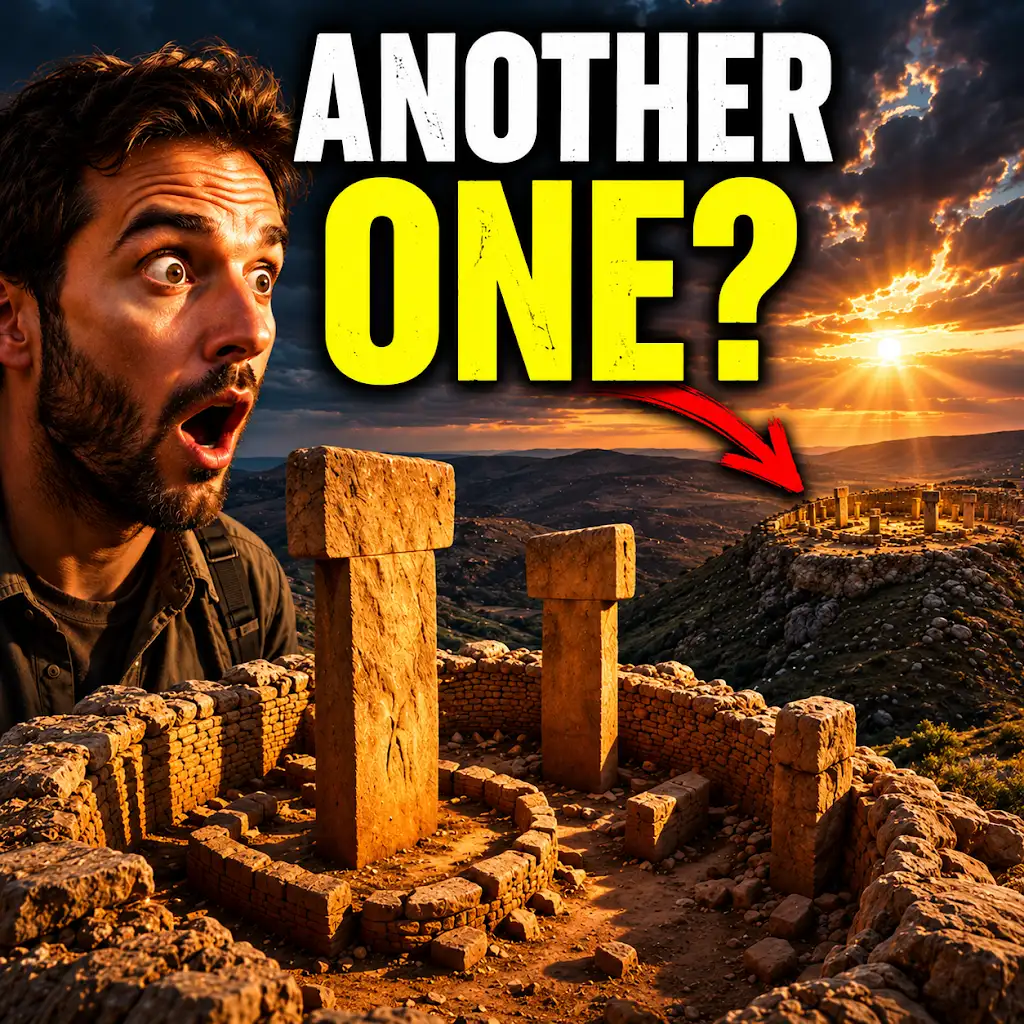
The World Beyond Göbekli Tepe Is Far Bigger Than We Thought
FAQs
What are some famous prehistoric sites in Türkiye?
Some famous prehistoric sites in Türkiye include Göbekli Tepe, Çatalhöyük, and Hattuşa.
When were these prehistoric sites in Türkiye discovered?
Göbekli Tepe was discovered in 1963, Çatalhöyük was discovered in the 1950s, and Hattuşa was discovered in the late 19th century.
What is the significance of Göbekli Tepe?
Göbekli Tepe is significant because it is one of the oldest known man-made structures and is believed to be a religious site dating back to around 9600 BCE.
What can visitors expect to see at Çatalhöyük?
Visitors to Çatalhöyük can expect to see well-preserved Neolithic houses, wall paintings, and artifacts that provide insight into the daily lives of prehistoric people.
Are these prehistoric sites in Türkiye open to the public?
Yes, Göbekli Tepe, Çatalhöyük, and Hattuşa are open to the public for visitors to explore and learn about Türkiye’s prehistoric past.