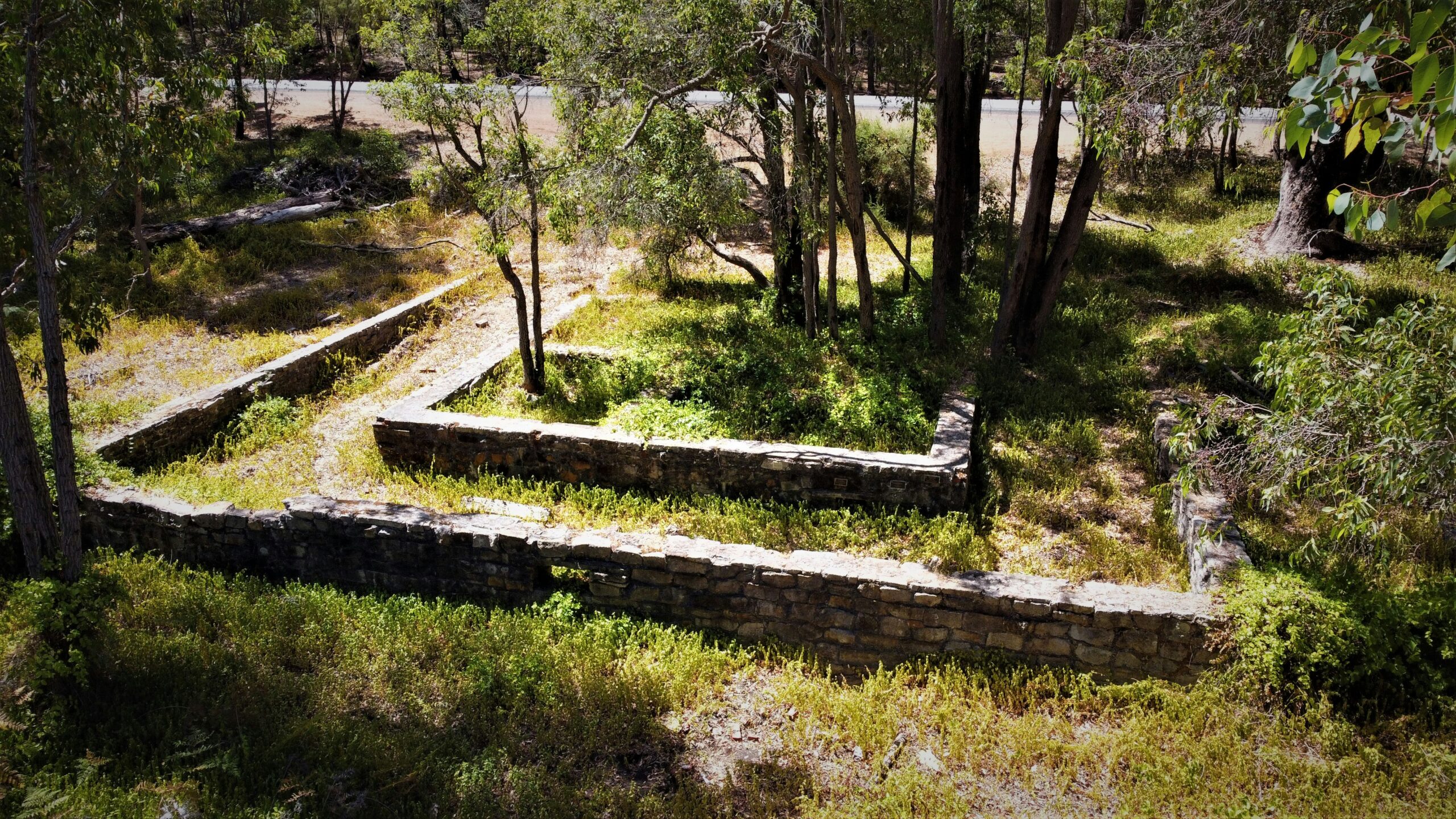
The whisper of millennia echoes from the unearthed remnants of prehistoric dwellings. Often, what survives the ravages of time are the most enduring elements of construction: stone foundations and the hardened earth that once formed walls. For archaeologists and historians, these seemingly humble materials offer a profound glimpse into the ingenuity and resourcefulness of early human societies. Exploring prehistoric wall foundations and ancient daub techniques is not merely an examination of building methods; it is an archaeological excavation of human adaptation, social organization, and the very genesis of settled life. These tangible links to our distant past provide invaluable data on settlement patterns, technological development, and the environmental conditions our ancestors navigated.
The Unseen Ground: Unearthing Prehistoric Foundations
Prehistoric settlements, whether ephemeral or long-standing, left their imprint on the landscape. While above-ground structures constructed of wood, thatch, or hides have long since decomposed, the lowest courses of stone or packed earth often persist, forming the subtle undulations and outlines that hint at past human presence. The study of these foundations is a crucial first step in understanding how our ancestors chose their living spaces and how they organized their communities.
Location, Location, Location: Strategic Placement of Settlements
The selection of a building site was rarely arbitrary. Prehistoric peoples were acutely aware of their surroundings and the resources available. Foundations are often found in proximity to water sources – rivers, springs, or lakes – essential for drinking, sanitation, and sustenance. The presence of fertile land for agriculture or abundant hunting grounds also played a significant role. Furthermore, defensive considerations, such as elevated positions or natural barriers, would have influenced settlement placement. Archaeologists meticulously map the spatial relationships between foundation features and the surrounding landscape to reconstruct these strategic decisions. Analyzing the distribution of hearths, storage pits, and dwelling outlines within a foundation complex can reveal insights into the social structure of the community, identifying central gathering spaces or individual family units.
The Bedrock of Society: Stone and Earth in Foundation Construction
The materials used for foundations varied greatly depending on the local geology and the technological capabilities of the inhabitants. In areas rich with stone, ranging from small pebbles to larger, quarried blocks, these were meticulously laid, often without mortar, to create stable platforms for their structures. The careful selection and placement of these stones speak to a sophisticated understanding of load-bearing and stability. In regions where stone was scarce, packed earth, clay, and sometimes gravel were used to form solid, raised platforms. This technique, often referred to as “rammed earth” or “pisé,” involved compacting layers of moist soil to create dense, durable walls or foundations. The thickness and composition of these earth foundations can reveal information about the climate and the available labor force. The presence of specific stone types, even if not locally sourced, can indicate trade networks or long-distance migration.
Tracing the Footprints: Interpreting Foundation Layouts
The layout of prehistoric foundations provides a direct window into the organization of daily life. Circular or oval foundations are common, often reflecting the shape of early circular dwellings. Rectangular outlines suggest the development of more complex, rectilinear structures. The size of these foundations can indicate the size of the dwelling and, by extension, the size of the family or social unit occupying it. The presence of multiple adjoining foundations might suggest a village or hamlet, while a single, isolated foundation could represent a solitary homestead. Archaeologists often employ sophisticated techniques like magnetometry and ground-penetrating radar (GPR) to non-destructively map these subterranean features, revealing intricate patterns that might not be visible on the surface. The precise alignment of foundation walls, even subtle shifts, can sometimes be correlated with astronomical observations or prevailing wind directions, demonstrating a deep connection between human life and the natural world.
Prehistoric wall foundations daub have long fascinated archaeologists, as they provide insights into the construction techniques and daily lives of ancient communities. A related article that delves into the cultural practices surrounding survival in ancient times is titled “Surviving Famine: Ancient Rituals for Abundance.” This piece explores how early societies employed various rituals and methods to ensure food security, which often intersected with their architectural endeavors. For more information, you can read the article here: Surviving Famine: Ancient Rituals for Abundance.
The Breath of the Walls: Unveiling Ancient Daub Techniques

While stone or earth formed the bedrock of prehistoric settlements, the walls themselves were often constructed from more ephemeral materials, the most significant of which was daub. Daub, a mixture of clay, water, and a binding agent like straw, animal hair, or dung, was applied to a framework of wattle (intertwoven branches or reeds) to create solid, insulating walls. The artistry and science behind daub construction are remarkable, offering a glimpse into the practical knowledge of early builders.
The Clay Canvas: Sourcing and Preparing Daub Materials
The quality of daub was directly dependent on the careful selection and preparation of its components. The ideal clay was plastic enough to be molded and shaped but also contained enough silt and sand to prevent excessive shrinkage and cracking upon drying. Prehistoric peoples likely experimented with different clay deposits, learning to identify those best suited for construction. The binding agents were equally important, providing tensile strength and preventing the clay from crumbling. Straw, readily available from cereal crops, was a common choice, its hollow structure adding insulation and flexibility. Animal hair, likely scavenged from hides or dung, also contributed to the binding properties. The process of preparing daub would have involved thorough mixing, often by foot, to achieve a homogenous consistency. Evidence for this preparation can sometimes be found in the form of compacted clay deposits or discarded remnants of binding materials near known settlement sites.
The Wattle Framework: The Skeleton of the Daub Wall
Daub rarely stood on its own. It was typically applied to a wattle framework, creating a sturdy and versatile building material. This framework, constructed from flexible branches or reeds, was usually set into the ground or attached to upright posts. The branches were interwoven horizontally and vertically, creating a mesh-like structure that provided a stable surface for the daub. The spacing and thickness of the wattle could be adjusted depending on the desired strength and insulation of the wall. The type of wood used for the wattle can sometimes be identified through archaeobotanical analysis, providing further clues about the local environment and the available resources. The intricate patterns left by the wattle on the hardened daub are often preserved, allowing archaeologists to reconstruct the original construction techniques with remarkable detail.
The Art of Application: Shaping and Finishing Daub Walls
The application of daub was a skillful process. The mixture was plastered onto the wattle framework, layer by layer, ensuring complete coverage and adhesion. Often, multiple applications were made, with each layer allowed to dry partially before the next was added. This layered approach helped to build thickness and strength, minimizing the risk of cracking. The surface of the daub could be smoothed for a refined finish or left textured for a more rustic appearance. In some cases, pigments derived from ochre or other natural sources were mixed into the daub or applied as a final coating, adding decorative elements to the walls. The presence of tool marks on preserved daub fragments can offer insights into the shaping and smoothing techniques employed. The thickness of the daub layers, coupled with the type of wattle used, allows for estimations of the thermal insulation properties of these ancient walls, demonstrating an intuitive understanding of climate control.
Beyond the Basic Structure: Innovations and Adaptations in Daub Construction

The seemingly simple act of applying daub to a wattle framework belied a range of sophisticated techniques and adaptations that evolved over millennia and across different cultural groups. These innovations reflect a deep understanding of material properties and a constant drive to improve shelter and comfort.
Reinforcement and Durability: Enhancing Daub’s Resilience
To enhance the durability and weather resistance of daub walls, prehistoric builders incorporated various reinforcing elements. The inclusion of coarser aggregates, such as small stones or pottery shards, could increase the wall’s strength and resistance to erosion. In some regions, a lime wash or a mud plaster rich in finer clay might have been applied as a protective outer layer, repelling water and preventing the underlying daub from deteriorating. The intentional incorporation of specific organic materials, beyond simple binders, might have also served a structural purpose, for example, by creating micro-channels that allowed for better drying and reduced internal stress. The careful analysis of the composition of daub samples, often through chemical and microscopic examination, can reveal these hidden layers of engineering ingenuity.
Insulating Properties: Climate Control Through Daub
Daub walls, particularly those with substantial thickness and good internal cohesion, offered significant thermal insulation. This was crucial for prehistoric communities facing harsh winters or scorching summers. The air trapped within the straw or hair fibers, combined with the thermal mass of the clay, helped to regulate indoor temperatures, keeping dwellings warm in the cold and cool in the heat. The practice of repeatedly plastering and smoothing the walls would have also helped to create an airtight seal, further enhancing insulation. Archaeologists can estimate the insulating capabilities of daub walls by analyzing their thickness and composition, and by comparing these to modern building materials. The study of wear patterns on internal daub surfaces can also reveal how people interacted with their living spaces, suggesting the placement of furniture or heating elements.
The Hearth and Home: Daub’s Role in Interior Design
The humble daub wall was not merely an exterior barrier; it played a vital role in the interior life of prehistoric homes. Hearth areas were often constructed with more robust daub mixes or lined with stones to withstand the intense heat of fires. Raised platforms or benches, also made of daub, provided seating and sleeping areas. The smooth interior surfaces of daub walls were conducive to hanging tools, storage bags, or even for decorative purposes. Evidence of smoke staining around hearths and on interior walls provides invaluable information about the types of fuel used and the ventilation systems, if any, in place. The discovery of preserved daub fragments with fingerprints or tool marks can offer a direct, tactile connection to the individuals who built and inhabited these spaces, humanizing the archaeological record.
The Archaeological Lens: Methods and Discoveries in Daub and Foundation Research
The study of prehistoric wall foundations and ancient daub techniques is a multidisciplinary endeavor, relying on a suite of specialized archaeological methods and scientific analyses to unlock the secrets held within these ancient materials.
Excavation and Documentation: The Foundation of Understanding
The process begins with meticulous excavation. Archaeologists carefully remove overlying soil layers, documenting the precise location and context of every stone, every daub fragment, and every structural feature. Detailed plans, sections, and photographic records are essential, capturing the spatial relationships and the stratigraphy of the site. Soil samples are collected for later analysis, and any organic materials, such as charcoal or preserved wood, are carefully preserved. The scale of excavation can range from small test pits to extensive multi-year projects, depending on the research questions and the nature of the site. The careful recording of the color, texture, and consistency of the soil layers associated with foundations and daub deposits is crucial for understanding depositional processes and distinguishing between natural and human-induced features.
Material Analysis: Unlocking the Compositional Secrets
Once excavated, samples of stone and daub are subjected to a range of scientific analyses. Petrography allows for the identification of stone types, their origin, and the methods used for shaping them. X-ray diffraction (XRD) and X-ray fluorescence (XRF) can determine the mineralogical and elemental composition of daub, revealing the types of clay and other materials used. Scanning electron microscopy (SEM) provides high-resolution images of the microstructure of daub, allowing for the identification of binding agents, aggregate sizes, and evidence of drying and firing processes. Thermogravimetric analysis (TGA) can help to quantify the organic content of daub, providing clues about the types and amounts of binders used. These scientific investigations transform inert materials into rich sources of information about past technologies and environments.
Reconstructing the Past: Digital Modeling and Experimental Archaeology
Modern technologies are revolutionizing how we understand prehistoric construction. Three-dimensional laser scanning and photogrammetry are used to create detailed digital models of foundations and daub features, allowing for virtual reconstruction and analysis. Experimental archaeology plays a crucial role, where archaeologists attempt to replicate ancient construction techniques using authentic materials and methods. By building small-scale replicas of wattle-and-daub walls or sections of stone foundations, researchers can test hypotheses about structural integrity, construction time, and the physical properties of the materials. These hands-on experiments provide invaluable insights that cannot be obtained through analysis alone, bridging the gap between the archaeological record and the lived experience of prehistoric builders.
Recent studies on prehistoric wall foundations have revealed fascinating insights into ancient construction techniques, particularly the use of daub as a binding material. This method not only provided structural integrity but also showcased the ingenuity of early builders in adapting to their environment. For those interested in exploring how foundational techniques have evolved over time, a related article discusses the growth of industries that rely on innovative materials, which can be found here. Understanding these developments can shed light on the continuous interplay between tradition and modernity in construction practices.
The Enduring Legacy: What Foundations and Daub Tell Us
| Metric | Description | Typical Values | Significance |
|---|---|---|---|
| Material Composition | Proportion of clay, sand, straw, and organic matter in daub | Clay: 40-60%, Sand: 20-40%, Straw: 10-20% | Determines durability and insulation properties |
| Thickness | Thickness of daub layer applied on wall foundations | 2-5 cm | Impacts structural stability and weather resistance |
| Adhesion Strength | Resistance of daub to detachment from wall foundations | 0.5-1.5 MPa | Indicates effectiveness in binding materials together |
| Porosity | Percentage of void spaces in the daub material | 15-30% | Affects breathability and moisture regulation |
| Drying Time | Time required for daub to dry and harden | 24-72 hours | Influences construction speed and weather vulnerability |
| Thermal Conductivity | Ability of daub to conduct heat | 0.2-0.5 W/m·K | Contributes to insulation of prehistoric dwellings |
The exploration of prehistoric wall foundations and ancient daub techniques is far more than an academic pursuit. It is a journey into the ingenuity and resilience of our ancestors, a testament to their ability to transform the raw materials of their environment into secure and functional homes. These humble remnants, buried beneath centuries of soil, continue to speak volumes about human adaptability, social organization, and the foundational steps that led to the complex societies we inhabit today.
A Blueprint for Settlement: Understanding Early Human Geography
The distribution and characteristics of prehistoric foundations provide invaluable data for understanding early human geography and migration patterns. By mapping the locations of settlements and analyzing the construction materials, archaeologists can trace the movement of peoples, their interaction with different environments, and the development of distinct regional building traditions. The prevalence of certain foundation types in specific areas can indicate preferred settlement strategies, such as proximity to arable land or defensible positions. This geographical understanding is crucial for building a comprehensive picture of how humanity spread across the globe and adapted to diverse ecological niches. The long-term occupation suggested by well-preserved foundations indicates a shift from mobile hunter-gatherer lifestyles to more sedentary agricultural or resource-dependent communities, marking a profound turning point in human history.
Technological Prowess: The Evolution of Building Science
The study of daub techniques, in particular, highlights the remarkable technological prowess of prehistoric peoples. Their intuitive understanding of material science – the properties of clay, the binding capabilities of organic fibers, the structural advantages of wattle – allowed them to create durable and effective building materials without the benefit of modern scientific knowledge. The evolution of daub mixtures, from simple clay plasters to more sophisticated composites, reflects a process of continuous innovation and refinement. The successful construction of multi-room dwellings, or even entire villages, speaks to a developing understanding of engineering principles and the coordination of labor. This ancient building science laid the groundwork for future advancements in architecture and construction, demonstrating that fundamental principles of shelter and structural integrity have been recognized and utilized for millennia.
A Human Connection: Touching the Past Through Our Forebears
Ultimately, exploring prehistoric wall foundations and ancient daub techniques offers a profound human connection to our distant ancestors. The fingerprints on a piece of daub, the carefully placed stone in a foundation, the outline of a hearth where families gathered – these are tangible links to individuals who lived, worked, and loved thousands of years ago. They remind us that despite the vast chasm of time, our fundamental needs for shelter, community, and security remain unchanged. By unearthing and interpreting these remnants, we gain a deeper appreciation for the shared human experience and the enduring legacy of ingenuity that has shaped our world. These discoveries inspire a sense of continuity, linking us to a long lineage of builders and innovators who laid the very groundwork for our present existence.
They Found a 4,000-Year-Old Defense Line in Morocco
FAQs
What are prehistoric wall foundations made of?
Prehistoric wall foundations were typically made of stones, mud bricks, or wooden posts, depending on the region and time period.
How were prehistoric wall foundations constructed?
Prehistoric wall foundations were constructed by laying stones or bricks in a trench filled with mud or clay, which acted as mortar to hold the structure together.
What is daub in the context of prehistoric wall foundations?
Daub is a mixture of mud, clay, straw, and sometimes animal dung that was used to fill in the gaps between stones or bricks in prehistoric wall foundations, providing insulation and stability.
Why was daub used in prehistoric wall foundations?
Daub was used in prehistoric wall foundations to seal gaps between stones or bricks, provide insulation, and protect the structure from weather and erosion.
What can the study of prehistoric wall foundations daub tell us about ancient societies?
The study of prehistoric wall foundations daub can provide insights into the construction techniques, materials available, and daily life of ancient societies, helping archaeologists understand their building practices and living conditions.