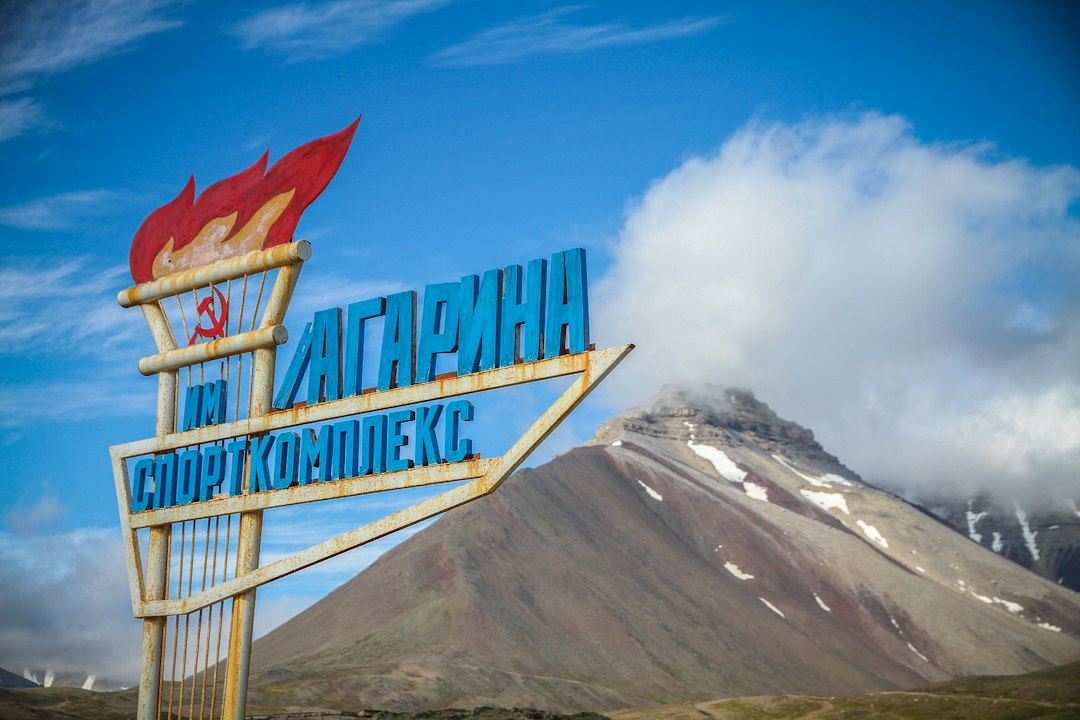
Pyramiden, a name that evokes images of both ancient wonders and stark communist ideology, lies frozen in time on the remote Svalbard archipelago. This abandoned Soviet coal-mining settlement, once a thriving testament to Soviet ambition in the High Arctic, now stands as a hauntingly preserved ghost town, a poignant reminder of a bygone era. Exploring Pyramiden is not merely a visit to a derelict town; it is an immersion into a surreal landscape where nature’s relentless embrace is slowly reclaiming a monument to human endeavor, a silent witness to the dramatic geopolitical shifts of the 20th century.
The journey to Pyramiden itself is an adventure, a prelude to the otherworldly experience that awaits. Located on the Vestspitsbergen island, accessible only by boat or, in winter, by snowmobile, the settlement is a stark isolation made even more profound by its dramatic surroundings. Jagged, snow-capped mountains loom in the distance, while the frigid waters of the Arctic Ocean lap at the shore, often dotted with ice floes. The sheer remoteness amplifies the sense of stepping back in time, preparing the visitor for a world untouched by the frenetic pace of modern life.
The decision to establish a Soviet presence on Svalbard, a Norwegian archipelago, was rooted in the geopolitical landscape following World War II. The archipelago, rich in coal deposits, was a point of strategic interest. The Svalbard Treaty of 1920 granted Norway sovereignty but allowed signatory nations certain rights, including the exploitation of mineral resources. The Soviet Union, a signatory, established settlements like Pyramiden and Barentsburg to assert its presence and economic interests in the region.
The Genesis of Pyramiden: A Vision of Arctic Socialism
Pyramiden’s origins trace back to the early 1920s, when the Swedish company Svenska AB Spetsbergens Mitt i Världen began mining operations. However, it was the Soviet Union’s acquisition of the mining rights in 1927 that truly marked the beginning of Pyramiden as a Soviet outpost. The name itself, “Pyramiden,” derived from the distinctive pyramid-shaped mountain that overlooks the settlement, became synonymous with Soviet resilience and industrial might in the Arctic.
Early Development and Population Growth
The initial years saw a modest but steady influx of workers and their families. The Soviet Union envisioned Pyramiden not just as a mining town, but as a model socialist community in the Arctic. This vision translated into the construction of essential infrastructure: housing, a school, a hospital, a cinema, a swimming pool, and even a cultural center. The goal was to create a self-sufficient and comfortable environment for its inhabitants, demonstrating the superiority of the Soviet system.
Pyramiden, the abandoned Soviet city in Norway, serves as a fascinating example of how human endeavors can leave lasting marks on the landscape, much like ancient civilizations that adapted to their environments. For an intriguing exploration of survival techniques used by these ancient societies, you can read the article on surviving drought and the innovative methods they employed. This article provides insights into how past civilizations thrived despite challenging conditions, paralleling the story of Pyramiden’s rise and fall. To learn more, visit this article.
Life in the Arctic Outpost: A Microcosm of Soviet Society
Life in Pyramiden was a unique blend of hardship and community. The extreme climate, with long periods of darkness and intense cold, presented constant challenges. Yet, the inhabitants forged strong bonds, united by their shared experience and the common purpose of extracting coal from this unforgiving land.
The Rhythms of Mining and Daily Existence
Coal mining was the lifeblood of Pyramiden. Men descended into the mines, their days dictated by the demanding and often dangerous work. Women managed households, raised children, and contributed to the community through various social and cultural activities. The isolation fostered a strong sense of camaraderie. Evenings were often spent at the cultural center, where films were shown, performances were held, and social gatherings took place. The cinema, with its faded velvet seats and dusty projector, remains a poignant reminder of these communal activities.
Education and Culture: Instilling Socialist Ideals
Education played a crucial role in shaping the minds of the younger generation. The school, adorned with portraits of Lenin and Soviet heroes, taught not only academic subjects but also instilled socialist values and patriotism. Cultural activities were carefully curated to promote Soviet culture and ideology. The statue of Lenin, still standing proudly in the main square, serves as a constant reminder of the ideological underpinnings of the settlement.
The Gradual Decline: Economic Shifts and the Fall of the Soviet Union
The seemingly unshakeable foundation of Pyramiden began to crumble with the shifting economic and political tides of the late 20th century. The efficiency of Soviet-era mining operations, coupled with the mounting costs of maintaining such an isolated settlement, started to take their toll.
Economic Challenges and Declining Coal Production
The economic viability of Pyramiden’s coal mine became increasingly questionable. The extraction of coal grew more expensive and less productive. The Soviet Union’s centralized economic system struggled to adapt to changing global markets and technological advancements. While Barentsburg, another Soviet settlement on Svalbard, managed to survive through continued Russian state support, Pyramiden’s fate was sealed.
The Ghostly Evacuation: A Swift and Silent Departure
The dissolution of the Soviet Union in 1991 marked a turning point for Pyramiden. Without the financial and ideological backing of the USSR, the settlement’s future became untenable. In 1998, the decision was made to abandon Pyramiden. The evacuation was remarkably swift. Within a matter of months, the majority of the population, around 1,000 people, were relocated to other parts of Russia. The process was so rapid that many homes and personal belongings were left behind, contributing to the town’s eerie, time-capsule quality.
Pyramiden Today: A Frozen Relic of the Past
Today, Pyramiden is a stark and hauntingly beautiful ghost town, a testament to the impermanence of human endeavors in the face of time and nature. It is a destination that draws a unique breed of explorer, individuals seeking to witness firsthand the remnants of a lost world.
The Landscape of Abandonment: Nature’s Reclamation
As visitors wander through the silent streets of Pyramiden, they witness a captivating interplay between human structures and the natural environment. The Arctic wind whistles through broken windows, and snow drifts accumulate inside once-occupied buildings. The permafrost, which preserves the structures in their current state, also lends a spectral quality to the landscape. Reindeer, unfazed by the human presence, often graze in the deserted squares.
Iconic Structures: Echoes of Soviet Life
The architectural style of Pyramiden is distinctly Soviet, characterized by brutalist concrete buildings and functional design. The central square, dominated by the imposing statue of Lenin, remains the heart of the abandoned town. The former Palace of Culture, with its grand auditorium and remnants of stage decorations, speaks of a desire for artistic and intellectual life in this remote outpost. The swimming pool, now filled with snow and debris, is a particularly poignant reminder of the efforts made to create a semblance of normalcy and recreation. The residential buildings, their doors ajar, offer glimpses into the lives of those who once called Pyramiden home, with furniture, books, and personal belongings still scattered about.
Pyramiden, the abandoned Soviet city in Norway, offers a fascinating glimpse into a bygone era of Arctic exploration and industrial ambition. As visitors wander through its eerie streets and decaying buildings, they can reflect on the broader themes of exploration and discovery that have shaped our understanding of the world. For those interested in the historical context of such places, a related article discusses the significance of mapping uncharted territories and the impact of these discoveries on modern civilization. You can read more about this intriguing topic in the article navigating the unknown.
Exploring the Ghost Town: A Journey into Surrealism
Visiting Pyramiden is an experience that transcends typical tourism. It is an opportunity to step into a living museum, a place where history is not just read about but felt and observed. The silence, broken only by the sounds of nature, amplifies the sense of introspection and wonder.
Guided Tours and Preservation Efforts
While the town is abandoned, it is not entirely unvisited. Guided tours, primarily departing from Longyearbyen, the administrative center of Svalbard, allow visitors to explore Pyramiden with experienced guides who can share historical anecdotes and insights. These tours are crucial for both understanding the significance of the site and for ensuring responsible tourism practices. Efforts are being made to preserve Pyramiden in its current state, to prevent further decay and to protect its historical integrity. This involves careful management of visitor access and ongoing monitoring of the structures.
The Appeal of the Ethereal: Why Pyramiden Captivates
The allure of Pyramiden lies in its profound sense of stillness and its stark beauty. It is a place that prompts reflection on the rise and fall of empires, the tenacity of human spirit, and the enduring power of nature. The juxtaposition of Soviet propaganda and the unforgiving Arctic wilderness creates a unique and unforgettable atmosphere. For photographers, historians, and those with a penchant for the unusual, Pyramiden offers an unparalleled opportunity to document a vanishing world, a monument to an ideology that has faded but whose physical manifestations remain, frozen in the icy embrace of the Arctic. The stories held within its silent walls continue to resonate, whispering tales of ambition, resilience, and ultimately, the inevitable march of time.
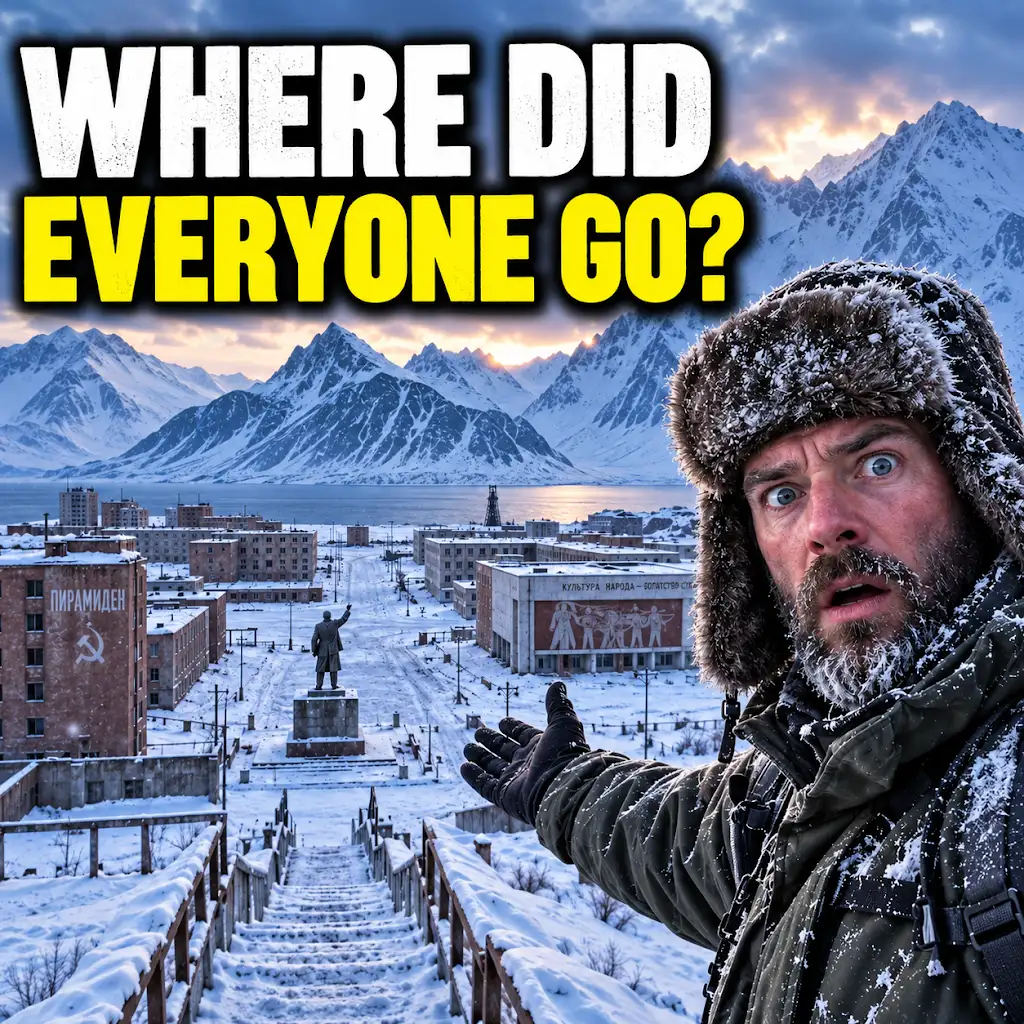
Why Did the Soviet Union Abandon This Arctic City?
FAQs

What is Pyramiden?
Pyramiden is an abandoned Soviet mining town located in Svalbard, Norway.
When was Pyramiden founded?
Pyramiden was founded by Sweden in 1910 and later sold to the Soviet Union in 1927.
Why was Pyramiden abandoned?
Pyramiden was abandoned in 1998 due to the collapse of the Soviet Union and the decline in coal mining operations.
Is Pyramiden open to visitors?
Yes, Pyramiden is open to visitors who can take guided tours of the abandoned town and learn about its history.
What is the current status of Pyramiden?
Pyramiden is now a ghost town preserved as a historical and cultural site, with some buildings renovated for tourism and research purposes.