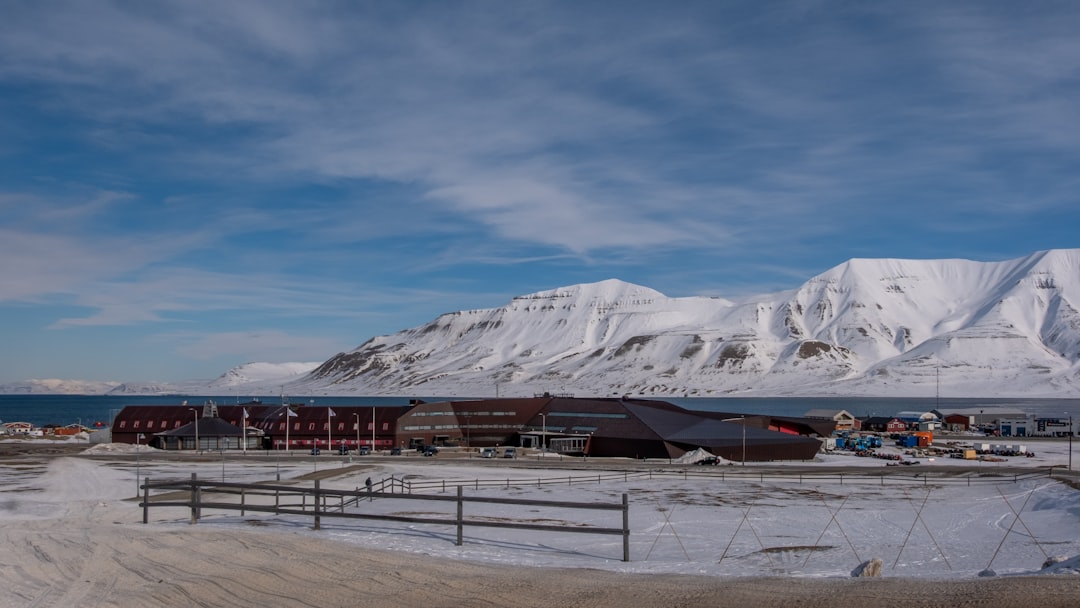
The Arctic wind, a constant and biting presence, whispers through the skeletal remains of buildings, carrying with it echoes of a bygone era. Pyramiden, a Soviet coal-mining settlement perched precariously on the shores of Billefjorden in Svalbard, Norway, stands as a stark and haunting testament to a grand ideological experiment. Once a thriving outpost of Soviet industry and socialist ambition, it now lies frozen in time, a ghost town under the perpetual twilight of the polar night and the omnipresent glare of the midnight sun. Exploring Pyramiden is not merely a journey through abandoned structures; it is an immersion into a captivating, melancholic narrative of human endeavor, political dreams, and the inexorable power of nature.
Pyramiden’s story is intrinsically linked to the geopolitical landscape of the Cold War and the strategic importance of the Svalbard archipelago. While the islands were nominally Norwegian territory, a unique treaty granted mining rights to signatory nations, a clause that the Soviet Union, and later Russia, actively exploited. The settlement’s origins can be traced back to the early 20th century, but it was under Soviet control, from 1927 until the mine’s closure in 1998, that Pyramiden truly blossomed, or perhaps more accurately, solidified its identity as a quintessential Soviet project.
The Lure of the Black Gold
The primary raison d’être of Pyramiden was coal. The seams beneath the Svalbard mountains were rich, and the Soviet Union, with its insatiable demand for industrial fuel, saw an opportunity to secure a vital resource close to home.
Prospecting and Early Development
Initial explorations for coal in the Svalbard region began in the early 20th century. The discovery of significant deposits in areas like Pyramiden, named for the pyramid-shaped mountain overlooking the settlement, quickly attracted international interest. The Soviet Union, recognizing the strategic and economic potential, acquired the Norwegian mining rights in 1927. This acquisition marked the beginning of a significant Soviet presence on the archipelago.
The Soviet Vision: More Than Just Mining
However, Pyramiden was never just about extracting coal. It was a carefully curated microcosm of Soviet society, designed to showcase the superiority of the communist system in even the harshest environments. The Soviet government invested heavily in its development, not only in mining infrastructure but also in creating a fully functional, self-sufficient community. This included housing, schools, hospitals, cultural centers, and recreational facilities, all built to Soviet standards and imbued with Soviet ideology.
Pyramiden, the eerie Soviet ghost town located in Svalbard, is a fascinating glimpse into a bygone era of Arctic exploration and industrial ambition. Once a thriving coal mining settlement, it now stands abandoned, serving as a haunting reminder of the past. For those interested in understanding the broader economic implications of historical settlements and their impact on modern economies, a related article discusses the economic importance of Mexico for the U.S. and can be found here: The Economic Importance of Mexico for the U.S.. This article provides insights into how historical trade relationships shape contemporary economic landscapes.
Life in the Arctic Crucible: A Soviet Utopia Frozen in Time
The daily lives of Pyramiden’s inhabitants were shaped by the extreme environment and the prevailing Soviet ideology. Despite the isolation and the harsh conditions, the community strived to replicate the comforts and social structures of mainland Soviet life, albeit with a distinct Arctic flavor.
A Community Built on Collective Spirit
Pyramiden was more than just a workplace; it was a closed community where life revolved around work, social activities, and the promotion of communist ideals. The residents, often skilled workers and their families, were encouraged to foster a sense of camaraderie and shared purpose.
The Intricacies of a Planned Economy
Every aspect of life in Pyramiden was meticulously planned and controlled. From the allocation of housing to the provision of goods and services, the state dictated the rhythm of existence. This included ensuring a steady supply of food, clothing, and all necessary materials to sustain the community year-round. The focus was on self-sufficiency, minimizing reliance on external supply lines that could be disrupted by weather or geopolitical tensions.
The Importance of Culture and Recreation
To maintain morale and foster a sense of belonging, the Soviets placed a strong emphasis on cultural and recreational activities. The House of Culture, a grand edifice at the heart of the settlement, served as the hub for all social life.
Cinema, Theatre, and Social Gatherings
The House of Culture hosted film screenings, theatrical performances, concerts, and lectures. It was a place where residents could gather to relax, socialize, and engage in intellectual pursuits. The emphasis was on collective entertainment, reinforcing the idea of a shared experience and community spirit.
Sports and Outdoor Activities
Given the Arctic environment, outdoor activities were naturally popular. Residents engaged in skiing, ice skating, and other winter sports. Summer offered opportunities for hiking and exploring the surrounding natural beauty, albeit always with a watchful eye on safety due to the presence of polar bears.
The Allure and Challenges of Arctic Living
Living in Pyramiden presented a unique set of challenges and rewards. The isolation, while fostering a strong sense of community, also meant a detachment from the outside world. The extreme weather, with its long periods of darkness and intense cold, required resilience and adaptability.
The Psychological Impact of Isolation and Darkness
The prolonged periods of darkness during the Arctic winter could be psychologically taxing. However, the Soviets were adept at creating artificial light and maintaining a vibrant social life to combat these effects. The tightly knit community structure also provided a crucial support network.
The Constant Presence of Nature and its Dangers
The raw, untamed beauty of the Arctic was ever-present, but so too were its dangers. Polar bears roamed freely, and encounters were a constant reminder of the fragility of human existence in such an environment. Safety protocols, including armed patrols, were essential for survival.
Architectural Echoes of the Soviet Era

Pyramiden’s architecture is a striking feature, a deliberate imprint of Soviet design principles imposed upon the rugged Arctic landscape. The buildings, from the grandest public structures to the humble residential blocks, speak volumes about the era and the ideology they represented.
Functionalism and Ideological Statements
Soviet architecture in Pyramiden was characterized by a blend of functionalism and a desire to project an image of strength, order, and progress. The buildings were designed to be robust, capable of withstanding the harsh climate, and to serve their intended purpose with efficiency.
The Iconic House of Culture
The House of Culture, with its imposing facade and grand interior, was the jewel in Pyramiden’s crown. It was designed to be a symbol of Soviet cultural achievement and a place for communal gathering, a testament to the importance of ideology in everyday life. The statues of Lenin and other Soviet leaders, the murals depicting workers and achievements, all served to reinforce the prevailing political narrative.
Residential Blocks and Public Buildings
The residential blocks, though functional, were also designed to foster a sense of community. Shared courtyards and common areas encouraged interaction among residents. Public buildings, such as the administration offices and the hospital, were constructed with a sense of permanence and authority, reflecting the state’s presence.
The Legacy of Concrete and Communism
The dominant material in Pyramiden’s construction was concrete, a material that embodied the Soviet belief in progress and industrial might. The stark, often imposing, structures stand in contrast to the natural beauty of the surrounding landscape, a clear assertion of human will over nature.
Brutalist Aesthetics and Utilitarian Design
Much of Pyramiden’s architecture leans towards brutalist aesthetics, emphasizing raw concrete and functional forms. The designs were often utilitarian, prioritizing practicality and durability over ornamentation. This reflected a broader trend in Soviet architectural philosophy of the time.
The Imprint of the State
Every building, every street, every public space in Pyramiden was a deliberate manifestation of the Soviet state. The uniformity of design, the placement of political symbols, and the overall layout of the settlement were all carefully orchestrated to create a cohesive and ideologically driven environment.
The Slow Decline and Eventual Abandonment
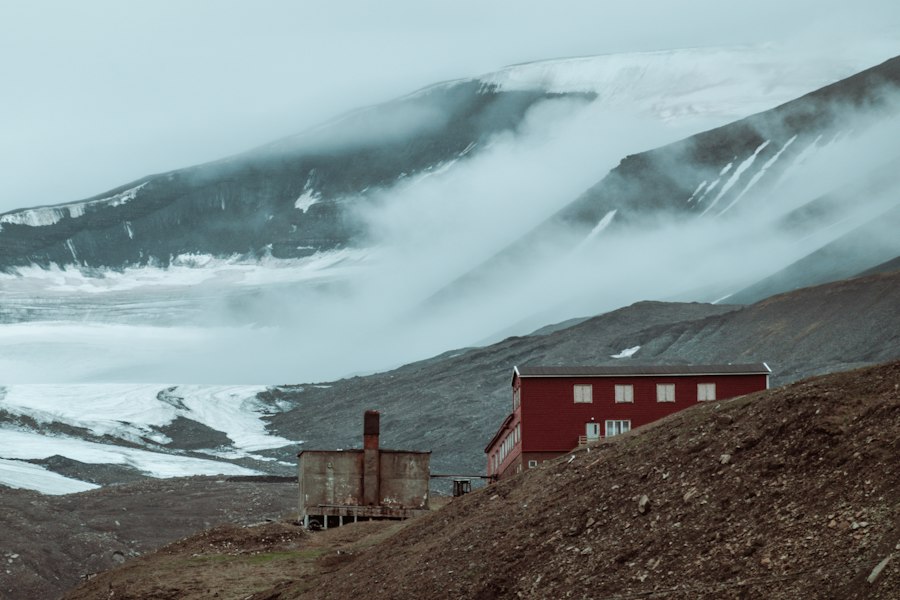
The seeds of Pyramiden’s demise were sown with the dissolution of the Soviet Union. Economic reforms and shifting geopolitical priorities led to a gradual decline in support for the remote Arctic outpost, ultimately culminating in its closure.
The Shifting Sands of Geopolitics and Economics
The collapse of the Soviet Union in 1991 had profound implications for its Arctic holdings. The economic realities of the post-Soviet era made the expensive operation of remote mining settlements increasingly untenable.
The Economic Strain of a Post-Soviet Russia
Russia, grappling with its own economic challenges, struggled to maintain subsidies for its overseas ventures. Pyramiden, once a symbol of Soviet strength, became a financial burden. The profitability of the coal mine diminished, and the cost of maintaining the infrastructure and supporting the population became unsustainable.
The Loss of State Support and Investment
As the focus shifted to domestic priorities, investment in remote settlements like Pyramiden dwindled. The infrastructure began to deteriorate, and the availability of essential goods and services became more precarious.
The Evacuation and the Silence
The decision to close Pyramiden was not an immediate one. There was a gradual winding down of operations, with residents being encouraged to relocate to mainland Russia. The eventual evacuation was a poignant moment, leaving behind a community that had been meticulously built and sustained for decades.
The Departure of the Last Inhabitants
The final years saw a dwindling population. As jobs became scarce and the future uncertain, more and more residents chose to leave. The process was gradual, and the last inhabitants departed in 1998, leaving the settlement to the mercy of the Arctic elements.
A Ghost Town Left to the Elements
Following the evacuation, Pyramiden was largely left to its own devices. While some limited efforts have been made to preserve certain structures, nature has begun to reclaim the settlement. The wind howls through broken windows, snow drifts accumulate in empty rooms, and the ghosts of its past inhabitants seem to linger in the frozen air.
Pyramiden, the haunting Soviet ghost town located in Svalbard, offers a glimpse into a bygone era of Arctic exploration and industrial ambition. Visitors to this abandoned settlement can explore its well-preserved buildings and learn about the lives of the miners who once called it home. For those intrigued by the mysteries of the past, a related article delves into the fascinating world of ancient writings and the secrets they hold. You can read more about these hidden treasures in the article unveiling ancient scribe secrets.
Pyramiden Today: A Haunting Tourist Destination and a Window to the Past
| Metric | Data |
|---|---|
| Location | Pyramiden, Svalbard Archipelago, Norway |
| Founded | 1910 (as a coal mining settlement) |
| Peak Population | Approximately 1,000 residents (1980s) |
| Abandoned | 1998 |
| Main Industry | Coal mining |
| Current Status | Tourist destination and ghost town |
| Climate | Arctic tundra, average temperature -10°C to 5°C |
| Accessibility | Boat or snowmobile from Longyearbyen |
| Notable Features | Preserved Soviet-era buildings, abandoned infrastructure, museum |
Today, Pyramiden is a unique and compelling tourist destination. Visitors, drawn by the allure of a Soviet ghost town, embark on expeditions to explore its frozen streets and decaying buildings, stepping back in time to a world that no longer exists.
The Allure of the Abandoned
The appeal of Pyramiden lies in its stark beauty and the palpable sense of history that permeates the air. It offers a tangible connection to a bygone era, a visual narrative of ambition, ideology, and the ultimate triumph of nature.
Guided Tours and Exploration
With the increasing accessibility of Svalbard, guided tours to Pyramiden have become a popular way to experience the settlement. Expert guides provide historical context, share stories of life in the town, and ensure the safety of visitors in this remote and potentially hazardous environment.
The Significance of Guided Exploration
Exploring Pyramiden independently is strongly discouraged due to the presence of polar bears and the unstable condition of some buildings. Guided tours, typically led by experienced Arctic guides, offer a safe and informative way to navigate the settlement, learn about its history, and appreciate its unique atmosphere.
Preservation Efforts and Future Prospects
While much of Pyramiden is left to decay, there have been ongoing efforts to preserve key structures and to document the settlement’s history. The goal is to ensure that this unique piece of 20th-century history is not lost to time and the elements.
The Balancing Act of Preservation and Natural Reclamation
The authorities face a delicate balancing act: how to preserve historical integrity while also allowing nature to reclaim its territory. The focus is often on stabilizing structures that hold significant historical or architectural value, while accepting that much of the settlement will inevitably be absorbed by the Arctic landscape.
A Living Museum of Soviet Life
Pyramiden serves as a remarkable, albeit unintentional, living museum. It offers a rare glimpse into the realities of life in a Soviet Arctic settlement, far removed from the idealized portrayals often found in official propaganda.
The Echoes of Everyday Life
Within the abandoned buildings, one can still find remnants of everyday life: children’s toys, books, photographs, and personal belongings, all frozen in time. These artifacts offer a poignant and intimate connection to the people who once called Pyramiden home, reminding visitors that this was once a vibrant community with hopes, dreams, and routines.
The Power of the Arctic Environment
Ultimately, Pyramiden stands as a testament to the enduring power of the Arctic environment. Despite the impressive efforts of human endeavor, nature’s dominance is undeniable. The wind, the snow, and the ice are slowly but surely reclaiming what was once a bold assertion of Soviet presence, leaving behind a hauntingly beautiful monument to a lost world.
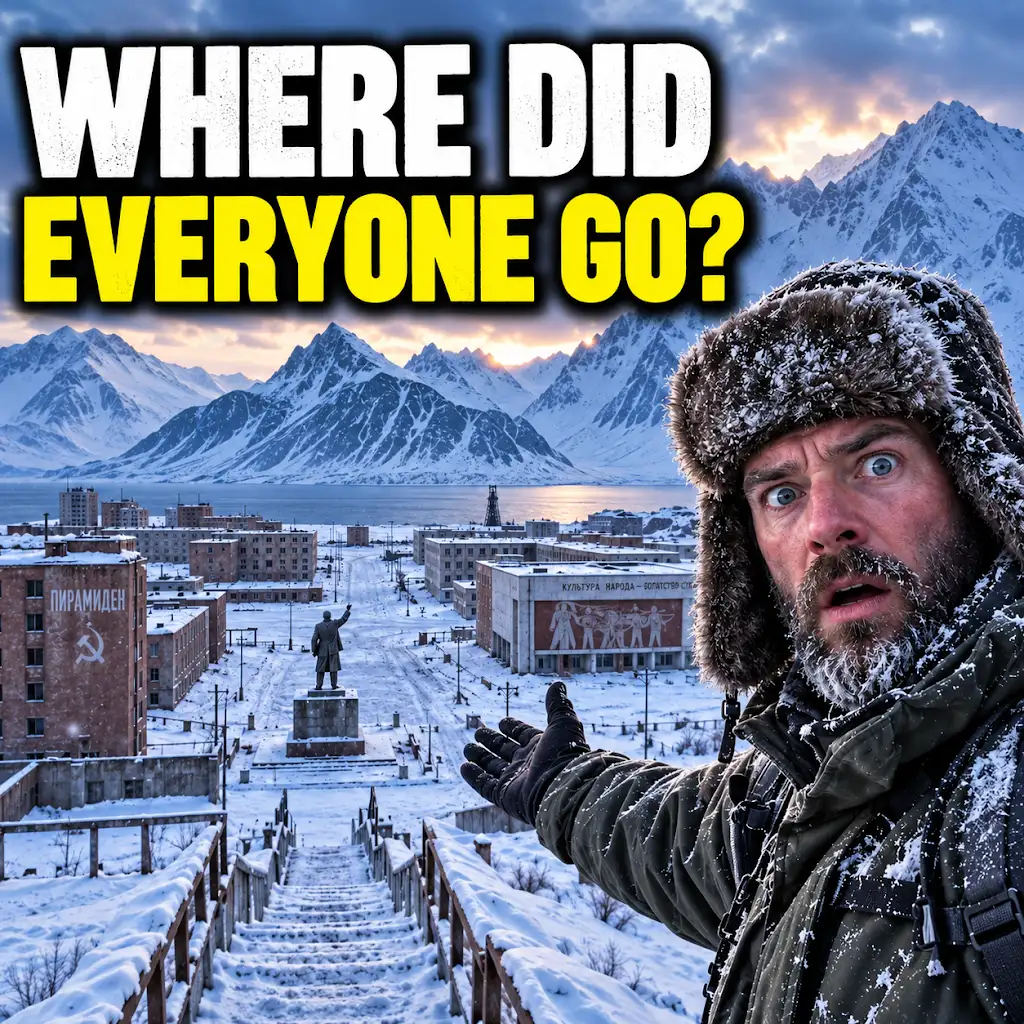
Why Did the Soviet Union Abandon This Arctic City?
FAQs
What is Pyramiden Soviet ghost town in Svalbard?
Pyramiden is an abandoned Soviet mining town located on the archipelago of Svalbard in Norway.
When was Pyramiden Soviet ghost town established?
Pyramiden was established by the Soviet Union in 1927 as a coal mining settlement.
Why was Pyramiden Soviet ghost town abandoned?
Pyramiden was abandoned in 1998 due to the decline in coal mining operations and the collapse of the Soviet Union.
Can tourists visit Pyramiden Soviet ghost town?
Yes, tourists can visit Pyramiden on guided tours from Longyearbyen, the main settlement in Svalbard.
What can visitors see in Pyramiden Soviet ghost town?
Visitors to Pyramiden can explore abandoned buildings, a cultural center, a swimming pool, and a statue of Lenin, among other remnants of the Soviet era.