The Silent Arteries of the Desert: Unraveling Qanat Systems
The arid landscapes of the Middle East and North Africa hold within them a testament to human ingenuity and a profound understanding of hydrology: the qanat system. These ancient underground aqueducts, often stretching for many kilometers, have been the lifeblood of settlements for millennia, enabling agriculture, sustaining populations, and shaping the very fabric of desert civilizations. At the heart of every qanat lies a critical, yet often overlooked, component: the mother well, or “chah” in Persian. Understanding the depth and design of these mother wells is paramount to comprehending the functionality and longevity of the entire qanat system. These vertical shafts are not merely holes dug into the earth; they are sophisticated engineering marvels, meticulously planned and executed to tap into precious groundwater reserves and channel them to the surface.
The qanat system, a gravity-fed network, typically consists of a series of interconnected wells. Water is collected from an underground aquifer in a sloping tunnel, with the gradient carefully calculated to allow water to flow naturally towards a surface outlet. The mother wells, located upstream where the aquifer is closest to the surface, are the crucial starting points for this subterranean journey. Their depth, along with their spacing and the overall design of the qanat, dictates the volume and reliability of the water supply. To the uninitiated, the sheer scale and complexity of these ancient systems can be awe-inspiring, a silent testament to the perseverance and resourcefulness of their creators. Exploring qanat systems, therefore, is not just an archaeological or engineering pursuit; it is a journey into the very soul of human adaptation to challenging environments.
The qanat system, an ancient method of irrigation that utilizes underground channels to transport water, often relies on mother wells to access groundwater. The depth of these mother wells can vary significantly depending on the geographical location and the water table. For a fascinating exploration of historical navigation and the mysteries surrounding ancient maps, you can read the article on Piri Reis and the lost maps at this link.
The Genesis of Water: Locating the Mother Well
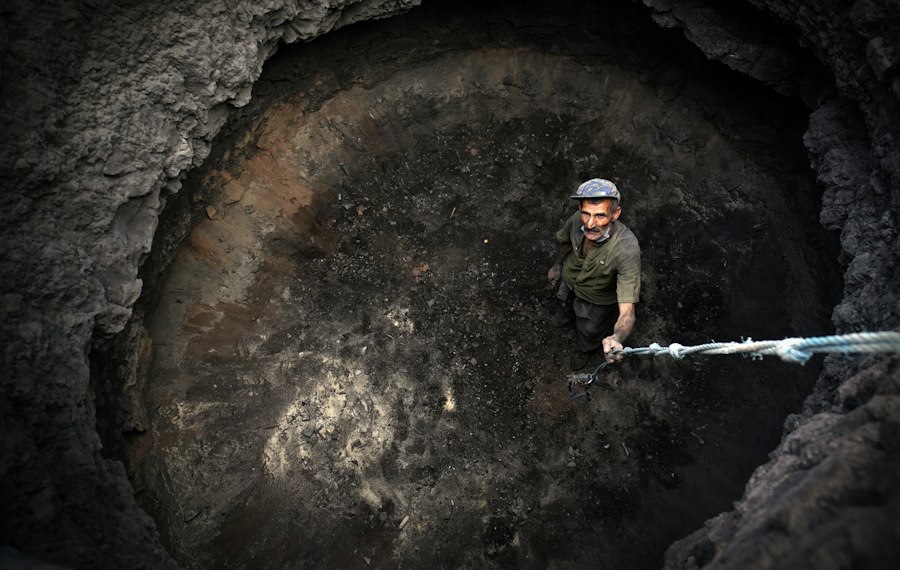
The success of a qanat system hinges on its ability to access a sustainable water source. This begins with the meticulous identification and selection of the mother well’s location. Ancient qanat builders, often referred to as “qanat-karis,” possessed an uncanny understanding of geology and hydrogeology, honed over centuries of observation and practice. Their knowledge was not derived from modern scientific instruments but from a deep, intuitive connection with the land and its subtle clues.
Signs of Subsurface Water
The selection of a suitable site for the mother well involved a keen observation of various natural indicators that suggested the presence of groundwater. These indicators acted as silent signals from the earth, guiding the qanat-karis to the most promising locations.
Vegetation Anomalies
One of the most significant clues was the presence of certain types of vegetation. Areas where specific, water-loving plants, such as reeds or particular types of grasses, grew more vibrantly or in denser patches often indicated a shallow water table. The qanat-karis would patrol the landscape, noting these areas of lushness in an otherwise arid environment. The difference in greenness between surrounding vegetation and a specific patch could be a strong indicator of subsurface moisture. They understood that these plants, adapted to draw water from deeper sources, would thrive where groundwater was more accessible.
Topographical Clues
The topography of the land played a crucial role. The qanat-karis would look for natural depressions, ancient riverbeds, or areas where rainwater naturally accumulated. These features often pointed to locations where the ground was more permeable or where geological formations facilitated the trapping of groundwater. They also observed the flow patterns of existing surface water, understanding that these patterns could hint at deeper underground water channels. Areas at the foothills of mountains or along alluvial fans were often favored, as these locations typically had good groundwater recharge from higher elevations.
Geological Formations
Certain geological formations were also considered auspicious. Porous and permeable rock layers, such as sandstones or gravels, were ideal for hosting aquifers. The presence of certain types of rock outcrops or the way water flowed over exposed strata could provide clues to the underlying geology and the potential for groundwater storage. They might look for evidence of past water erosion or specific soil types that were known to retain moisture.
The Art of Dowsing and Intuition
While empirical observation was key, a degree of intuition and what might be termed ancient dowsing practices also played a part. Qanat-karis might have used tools like divining rods, though the effectiveness of these is debated. More importantly, it is believed they relied on a deep, almost innate, sense of where water might be found, developed through generations of experience. This intuitive understanding, combined with practical observation, allowed them to pinpoint the optimal starting point for their complex subterranean endeavors. They would often conduct preliminary test pits or shallow boreholes to confirm the presence and depth of water before committing to the extensive excavation of a full mother well.
The Depth Dilemma: Calculating Mother Well Dimensions
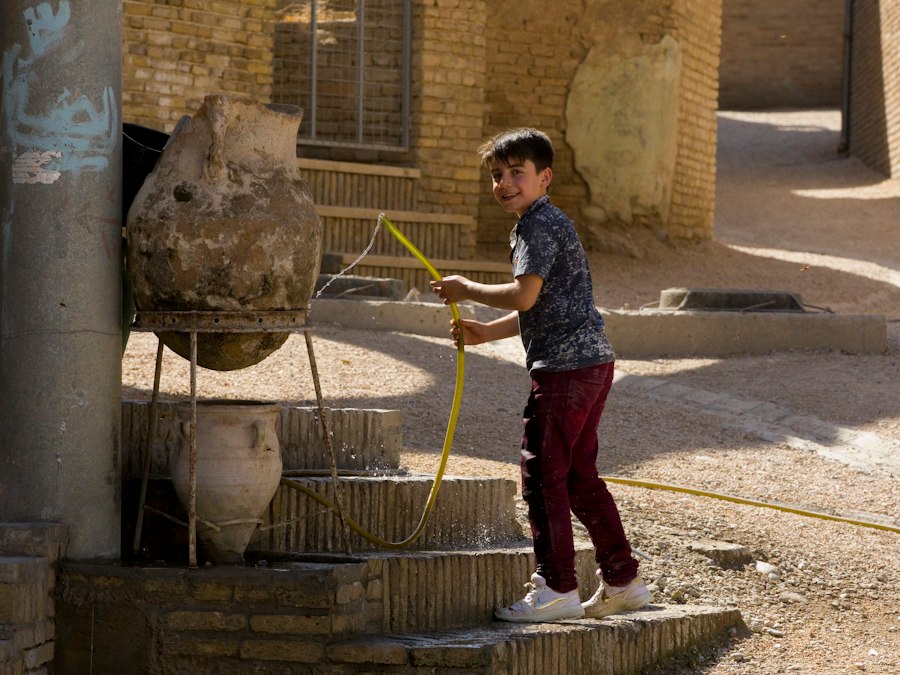
The depth of a mother well is a critical design parameter, directly influencing the qanat’s functionality and its ability to deliver water consistently. This depth is not arbitrary; it is a carefully calculated decision based on several intertwined factors, reflecting a sophisticated understanding of the local hydrology and the desired water yield.
Reaching the Water Table
The primary objective of a mother well is to tap into the groundwater aquifer. Therefore, its depth must be sufficient to penetrate the saturated zone – the portion of the subsurface where all pore spaces are filled with water.
Aquifer Depth and Variability
The depth of the aquifer is the most fundamental determinant. This can vary significantly depending on the geological setting, the local rainfall patterns, and the rate of groundwater recharge. In some areas, the water table might be just a few meters below the surface, while in others, it could be tens or even hundreds of meters deep. The qanat-karis would meticulously survey the area, often using traditional methods like digging trial pits, to ascertain the approximate depth of the water table. They understood that the water table was not static and could fluctuate seasonally, so they aimed to dig the mother well to a depth that would provide water even during drier periods.
Seasonal Fluctuations
A key consideration for the qanat-karis was the seasonal fluctuation of the water table. During periods of abundant rainfall, the water table would rise, and during dry seasons, it would recede. The mother well needed to be deep enough to access water even when the water table was at its lowest point. This meant digging slightly deeper than the perceived average depth to ensure a continuous supply throughout the year. This foresight was crucial for the sustainability of the settlements relying on the qanat.
Gradient and Flow Dynamics
Beyond simply reaching the water, the depth of the mother well is intrinsically linked to the gradient of the qanat tunnel. This gradient is what drives the gravity flow of water from the well to the surface outlet.
Establishing the Necessary Slope
The qanat tunnel must have a consistent, gentle slope towards the outlet. This slope is typically very small, often measured in centimeters per hundred meters. The depth of the mother well, relative to the elevation of the surface outlet, establishes the total vertical drop available for the water to flow. If the mother well is too shallow, the available drop might be insufficient to overcome friction and other resistances within the tunnel, resulting in little to no water flow. Conversely, if the mother well is excessively deep without a corresponding need for greater head, it incurs unnecessary excavation costs and labor.
Maintaining Water Velocity
The depth also influences the velocity of the water flow. A sufficient head, created by the difference in elevation between the water table in the mother well and the surface outlet, ensures that the water moves at an adequate pace to prevent stagnation and maintain a useful flow rate. The qanat-karis would aim for a flow that was steady and reliable, neither too sluggish to be useful nor too rapid to cause erosion within the tunnel.
Diameter and Construction Considerations
The depth of a mother well also has practical implications for its construction and maintenance.
Excavation Challenges
Deeper wells present greater excavation challenges. The removal of spoil (excavated material) becomes more difficult with increasing depth, requiring more labor and specialized techniques. The structural integrity of the well shaft also becomes a greater concern, as the weight of the surrounding earth increases. This necessitated the use of robust lining materials, such as stone or baked brick, to prevent collapses.
Access and Maintenance
The depth of the mother well impacts access for maintenance and repair. Periodically, qanats require cleaning to remove silt and debris that accumulate in the tunnel. Deeper wells make this process more arduous, requiring specialized equipment or prolonged periods of work to clear blockages. Therefore, while depth was critical for water access, it was also balanced against the practicalities of construction and ongoing upkeep.
The Architectural Blueprint: Mother Well Design Principles
The design of a mother well goes beyond simply its depth. It encompasses its shape, its lining, and its integration into the overall qanat system. These design choices were driven by a combination of functional requirements, material availability, and the accumulated wisdom of generations of qanat builders.
Structural Integrity and Stability
The primary design consideration for a mother well is its structural integrity. These vertical shafts must withstand the immense pressure of the surrounding earth and prevent collapse, especially given their significant depths.
Lining Materials and Techniques
Qanat-karis employed a variety of robust lining techniques to reinforce the well shafts. In areas with abundant stone, carefully fitted masonry was common. This would involve laying stones in courses, often without mortar in the earlier periods, relying on the precise fitting to create a stable structure. In other regions, particularly where suitable stone was scarce, baked bricks were used. These bricks were fired to a high temperature to ensure durability and water resistance. The construction would often involve a stepped or slightly splayed profile to enhance stability.
Diameter and Shape Considerations
The diameter of the mother well was typically just large enough to allow for excavation and occasional maintenance. A narrower diameter reduced the amount of material to be excavated and the structural load. Circular or slightly oval shafts were common, as these shapes distribute pressure more evenly. In some cases, rectangular shafts might have been employed, particularly if the available building materials lent themselves to straight-edged construction. The shape was chosen to optimize stability and minimize construction effort.
Water Intake and Flow Management
The design of the mother well also focused on efficiently drawing water from the aquifer and guiding it into the qanat tunnel.
The Inlet Structure
At the bottom of the mother well, where it intersected the aquifer, specific designs were employed to facilitate water intake. This might involve a wider base or a carefully constructed inlet point that connected directly to the main qanat tunnel. The transition from the well shaft to the tunnel needed to be smooth to minimize turbulence and ensure efficient flow. In some instances, a small reservoir or settling basin might have been incorporated at the bottom to capture larger debris before it entered the main tunnel.
Preventing Contamination
Designs often incorporated features to minimize the entry of surface contaminants. The mouth of the mother well was typically covered, either with a stone slab, a wooden lid, or a more elaborate structure, to prevent leaves, dust, and other debris from falling in. This was crucial for maintaining the water quality delivered to the settlement. In some cases, a small berm or embankment around the wellhead would divert surface runoff away from the shaft.
Spacing and Interconnectivity
The design of a single mother well is inseparable from its role within the broader qanat system. The spacing between mother wells and their connection to the main tunnel were critical design elements.
Optimizing Water Capture
Mother wells were not dug randomly but were spaced strategically to maximize the capture of groundwater from the aquifer. The distance between wells was determined by the aquifer’s properties – its thickness, permeability, and transmissivity. If wells were too close, they could dewater the same area, reducing the overall yield. If they were too far apart, they might miss significant portions of the available water. This spacing represented a delicate balance, informed by the qanat-karis’ understanding of how groundwater flowed and replenished.
Connecting to the Main Tunnel
The primary purpose of the mother well was to provide access to the water for the main qanat tunnel. The connection between the bottom of the mother well and the upstream end of the qanat tunnel was a critical design junction. This connection had to be robust, watertight, and designed to allow water to flow freely into the tunnel. The gradient established at this point was crucial for the entire system’s functionality.
The qanat system, an ancient method of irrigation, relies heavily on the depth of mother wells to access groundwater efficiently. Understanding the intricacies of these wells can provide valuable insights into the sustainability of water resources in arid regions. For a deeper exploration of historical water management techniques and their cultural significance, you might find this article on the lore of the Elder Scrolls intriguing, as it delves into the rich history and mythology surrounding water in that universe. You can read more about it here.
The Environmental Context: Qanat Systems in Their Arid Homes
| Qanat Name | Location | Mother Well Depth (meters) | Year Constructed | Water Flow Rate (liters/second) |
|---|---|---|---|---|
| Qanat Gonabad | Gonabad, Iran | 360 | 700 BC | 15 |
| Qanat Zarch | Zarch, Iran | 300 | 500 BC | 12 |
| Qanat Baladeh | Baladeh, Iran | 250 | 600 BC | 10 |
| Qanat Rayen | Rayen, Iran | 280 | 400 BC | 8 |
| Qanat Kerman | Kerman, Iran | 320 | 300 BC | 14 |
The design and depth of mother wells are inextricably linked to the challenging environmental conditions under which qanat systems operate. These ancient marvels are not mere technological feats; they are sophisticated adaptations to arid and semi-arid climates where water is a scarce and precious resource.
Water Scarcity and Conservation
The fundamental driver behind the development of qanat systems, and thus the careful design of their mother wells, was the extreme scarcity of surface water in many of the regions where they are found.
Maximizing Limited Resources
In areas with infrequent rainfall and high evaporation rates, surface water sources are unreliable and often insufficient to support agriculture and settlements. Qanats, by tapping into underground aquifers, provide a consistent and protected water supply. The depth of the mother wells was a direct response to the need to reach these deeper, more stable water reserves. Every drop of water was valuable, and the qanat system was designed to capture and deliver it with minimal loss.
Minimizing Evaporation Losses
Unlike open canals or surface reservoirs, qanat tunnels are underground, significantly reducing water loss due to evaporation. This was a critical advantage in hot, dry climates. The mother wells, as the entry points to this protected system, were designed to minimize any potential for surface evaporation before the water entered the tunnel. This protection of the water source was a key element of qanat sustainability.
Geological and Hydrological Landscapes
The specific geological and hydrological characteristics of a region profoundly influence the depth and design of its qanat mother wells.
Permeability and Porosity
The nature of the rock and soil layers dictates how readily groundwater can be stored and transmitted. Highly permeable and porous materials, such as well-sorted sands and gravels, can hold and transmit significant amounts of water, allowing for potentially shallower mother wells. Conversely, less permeable formations might require deeper wells to access viable aquifers. The qanat-karis had an intimate knowledge of these local geological conditions.
Recharge Zones and Recharge Rates
The rate at which aquifers are replenished (recharge) is a critical factor in determining the sustainable yield of a qanat. Areas with good rainfall in mountainous catchments that feed into the aquifer via permeable strata would have more robust groundwater supplies, potentially allowing for less extreme mother well depths. Understanding these recharge dynamics was essential for ensuring the long-term viability of the qanat system. If recharge rates were low, mother wells might need to be deeper to access reserves that were slowly accumulated over time.
Climate Change and Sustainability
Historically, qanat systems have demonstrated remarkable resilience. However, they are not immune to the impacts of climate change, which can affect both the depth and design considerations for mother wells.
Shifting Water Tables
Changes in precipitation patterns and increased temperatures due to climate change can lead to declining water tables. This necessitates a reassessment of mother well depths and potentially the sinking of new, deeper wells or the deepening of existing ones to maintain water access. The traditional methods of qanat construction, while effective, may need adaptation to address these new environmental realities.
Increased Water Demand
As populations grow and climate change impacts other water sources, the demand on qanat systems can increase. This puts pressure on the existing infrastructure, potentially requiring adjustments to mother well design to optimize water extraction and flow without over-exploiting the aquifer. Understanding these evolving pressures is crucial for the continued use and preservation of these vital water systems.
The qanat system, an ancient method of irrigation, relies heavily on the depth of the mother well to ensure a consistent water supply. Understanding the intricacies of this system can shed light on its significance in arid regions. For a fascinating exploration of how modern technologies are being developed to address water scarcity, you can read about Blue Origin’s role in lunar defense and its implications for resource management in space. This article provides insights into innovative approaches that may one day parallel the ancient wisdom of qanat systems in sustainable water use. For more information, visit this article.
Preserving the Legacy: Maintenance and Modern Relevance of Mother Wells
The enduring presence of qanat systems for millennia is a testament to the foresight and skill of their builders. However, these ancient marvels are not static relics; they require ongoing maintenance, and their principles offer valuable lessons for modern water management. The mother well, as the vital gateway to the qanat’s water, plays a central role in both these aspects.
The Imperative of Regular Upkeep
The functionality of a qanat system relies heavily on the diligent maintenance of its components, particularly the mother wells. Over time, natural processes can degrade these structures and impede water flow.
Siltation and Debris Removal
One of the most common maintenance challenges is the accumulation of silt and debris within the mother well and the initial sections of the qanat tunnel. This sediment can reduce the effective depth of the well, hinder water intake, and eventually block the flow entirely. Regular cleaning, often involving manual labor to excavate and remove the accumulated material, is essential to keep the qanat operational. The design of the mother well, including its diameter and the structure of its inlet, can influence the rate of siltation and the ease of cleaning.
Structural Degradation and Repair
The constant pressure of the earth, combined with the flow of water, can lead to the gradual degradation of the mother well’s lining. Cracks can develop in masonry, bricks can erode, and the overall structure can weaken. Regular inspections are necessary to identify these issues, and timely repairs, often involving replacing damaged stones or bricks, are crucial to prevent catastrophic collapse. The accessibility of the mother well for such inspections and repairs is a significant factor in its maintenance.
Modern Applications and Lessons Learned
The principles underpinning the design and operation of qanat mother wells hold considerable relevance for contemporary water management challenges, particularly in arid and semi-arid regions.
Sustainable Groundwater Management
The qanat system, by its very nature, embodies a principle of sustainable groundwater extraction. The reliance on natural gravity flow and the careful estimation of aquifer capacity demonstrate an understanding of ecological limits. Modern water managers can learn from this approach, emphasizing the importance of understanding local hydrogeology and avoiding over-extraction. The meticulous planning that went into mother well depth and placement offers a model for developing responsible groundwater management strategies.
Low-Tech, High-Impact Solutions
In many developing regions, the high cost and technical complexity of modern water infrastructure can be prohibitive. The qanat system, with its reliance on manual labor and locally sourced materials, offers a compelling example of low-tech, high-impact water solutions. The knowledge of how to design and maintain mother wells can be a valuable asset in communities seeking to improve their water security using traditional and sustainable methods. Replicating the engineering principles of qanat mother wells, adapted to modern contexts, could provide essential water access for remote or underserved populations.
Heritage and Cultural Significance
Beyond their practical utility, qanat systems are invaluable cultural heritage sites. The mother wells are the most tangible connection to the builders and the communities that relied on them for survival. Preservation efforts must focus not only on the engineering aspects but also on the historical and cultural narratives associated with these structures. Understanding the depth and design of mother wells allows us to appreciate the deep knowledge and intricate planning that went into their creation, ensuring that this legacy continues to inform and inspire future generations. The continued study and preservation of qanat mother wells contribute to a broader understanding of human history, ingenuity, and our complex relationship with the environment.
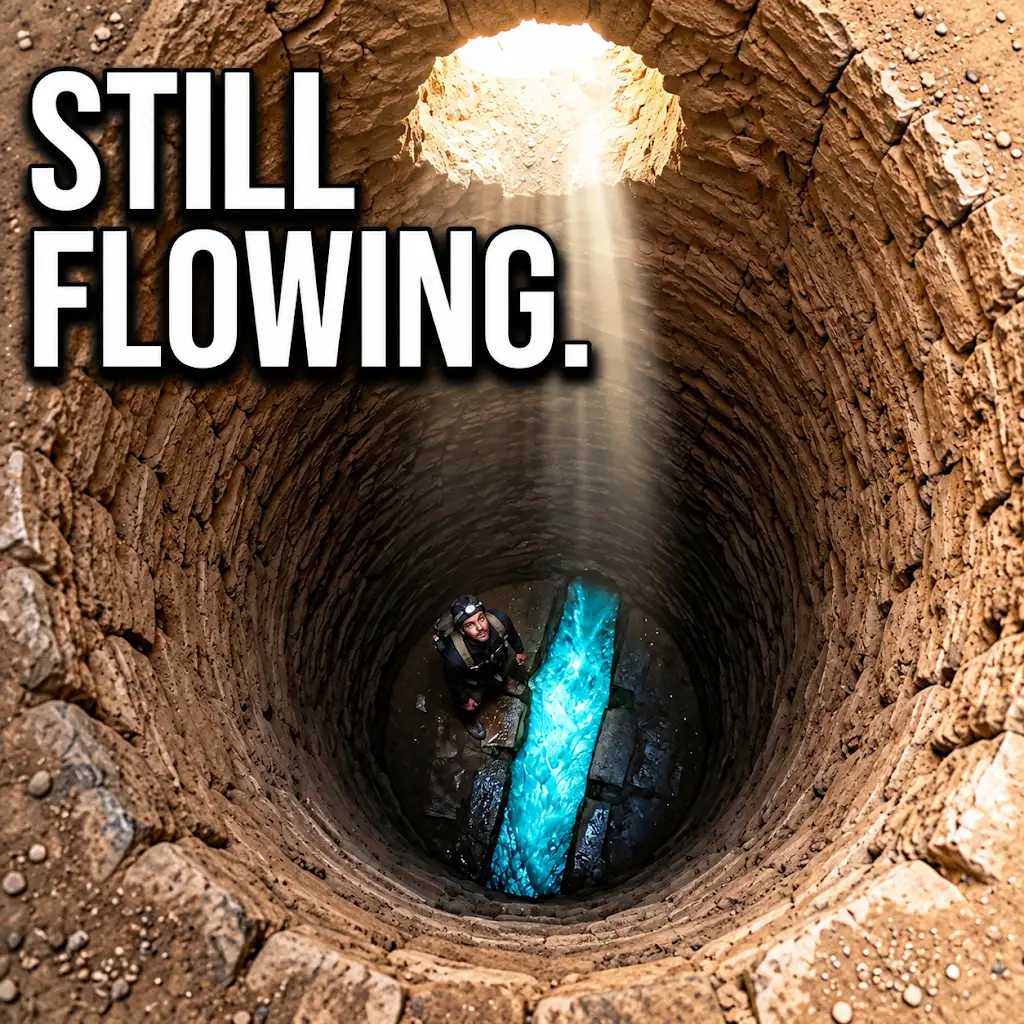
They Dug Water Tunnels Under the Desert… And They Still Flow
FAQs
What is a qanat mother well?
A qanat mother well is the main vertical shaft that provides access to an underground aqueduct system known as a qanat. It is typically the deepest part of the qanat system and serves as the primary source of water for irrigation and other purposes.
How deep is a typical qanat mother well?
The depth of a qanat mother well can vary depending on factors such as the local geology and water table. However, on average, a qanat mother well can range from 20 to 100 meters deep, with some wells reaching depths of over 200 meters.
What is the purpose of digging a qanat mother well?
The main purpose of digging a qanat mother well is to access underground water sources, such as aquifers, in order to provide a reliable and sustainable water supply for agriculture, drinking water, and other uses. The qanat system also helps to reduce water loss through evaporation and seepage.
How is a qanat mother well constructed?
A qanat mother well is typically dug using manual labor and traditional techniques. Workers excavate the vertical shaft using picks, shovels, and other hand tools, often supported by timber or masonry structures to prevent collapse. Once the well is dug, a series of tunnels are excavated horizontally to create the qanat system.
What are some challenges associated with maintaining a qanat mother well?
Some challenges associated with maintaining a qanat mother well include the accumulation of sediment and debris, which can reduce water flow, as well as the potential for collapse or deterioration of the well structure over time. Regular maintenance and repairs are necessary to ensure the continued functionality of the qanat system.