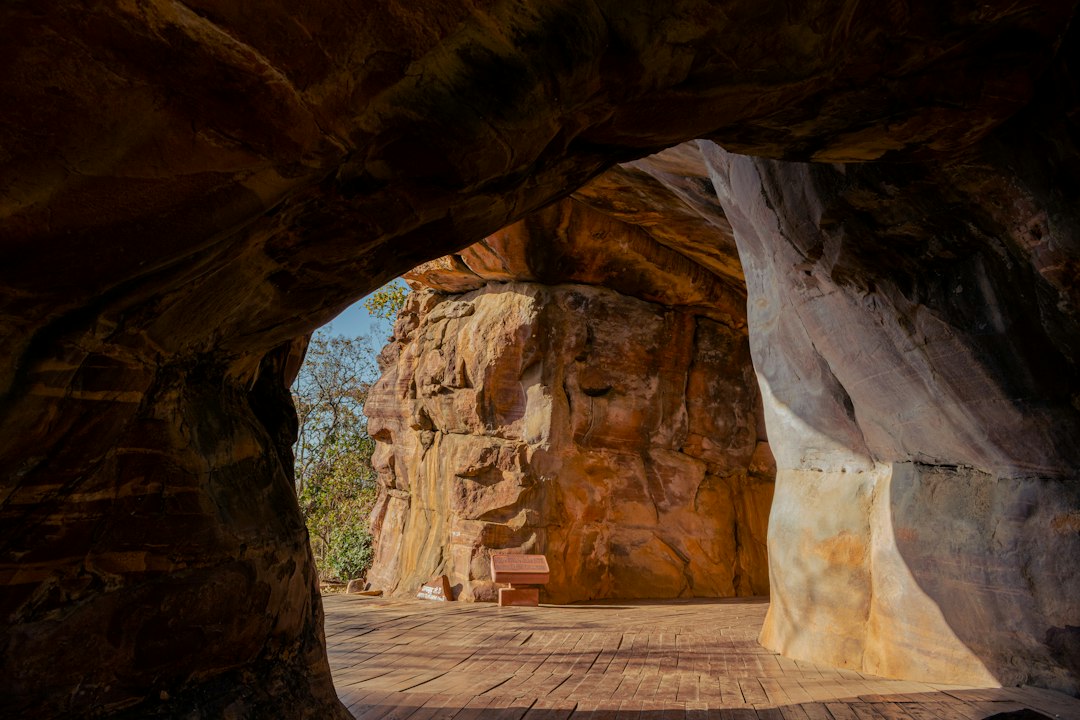
The Lure of the Rock Face: Understanding Ancient Access to Deep Walls
The echoes of ancient humanity resonate from the deepest recesses of rock shelters, places where our ancestors sought refuge, painted their stories, and left behind tangible proof of their existence. These shelters, carved by the relentless hand of nature, often feature walls adorned with intricate art or sculpted with utilitarian purpose. The question that arises is not merely about the existence of these artworks, but about the practicalities of their creation. How did primitive people, lacking the modern tools and technologies we take for granted, manage to reach and decorate the uppermost, often inaccessible, sections of these deep rock walls? This exploration delves into the ingenious methods employed by early humans to overcome vertical challenges, shedding light on their adaptability, resourcefulness, and a profound understanding of their environment.
Primitive people demonstrated remarkable ingenuity in exploring the deep recesses of rock shelter walls, utilizing basic tools and their understanding of the environment to uncover hidden resources and create living spaces. Their exploration techniques often involved careful observation of the rock formations and the strategic use of firelight to illuminate dark corners. For a deeper understanding of how ancient methods of exploration can inform modern practices, you can read the article on security strategies in construction, which draws parallels between ancient and contemporary approaches to safety and stability. For more information, visit this article.
Ingenuity Born of Necessity: Early Access Strategies

The very existence of art and markings on high rock faces is a testament to human determination and clever problem-solving. These ancient artists and decorators did not simply stumble upon these elevated canvases; they actively devised ways to ascend and work at heights. The absence of scaffolding or modern climbing gear meant a reliance on natural materials, anatomical prowess, and a keen understanding of leverage and stability. These early strategies were not born of leisure but of necessity, driven by the desire to utilize every available surface for communication, ritual, or practical purposes.
Utilizing Natural Formations and Features
The most immediate and readily available tools for early humans were the inherent characteristics of the rock shelters themselves. Nature often provided a hand, albeit an unintentional one.
Steps and Ledges
Many rock shelters are not perfectly smooth, vertical faces. Over millennia, weathering and erosion create natural steps, protrusions, and ledges. These irregularities, even if seemingly small, could serve as vital footholds and handholds. Early humans, with their intimate knowledge of their environment, would have been adept at identifying and exploiting these subtle features. A slight overhang could provide a secure grip, a narrow ledge could offer a stable platform for balancing, and a series of small indentations could be enlarged through repeated use, effectively becoming primitive steps. This process of gradual modification and utilization is a hallmark of early human innovation, turning the raw material of the shelter into a functional ascent system.
Crevices and Cracks
Similar to ledges, natural crevices and cracks in the rock face offered opportunities for purchase. These openings, whether formed by geological stresses or the slow work of water, could accommodate fingers and toes, providing essential stability. In some cases, these cracks might have been deepened or widened by the repeated insertion of hands or tools, further enhancing their utility as climbing aids. The friction offered by these irregular surfaces would have been crucial for maintaining grip, especially on steeper sections.
The Role of the Human Body: Anatomical Advantages
Beyond the external environment, the human body itself was a primary tool. The unique physical capabilities of our ancestors played a significant role in their ability to navigate vertical spaces.
Agility and Balance
Early humans were likely far more agile and sure-footed than many modern individuals. Their lifestyles, involving constant movement across varied terrain, would have honed their balance and coordination. This inherent physical capability allowed them to exploit precarious footholds and maintain equilibrium in challenging positions. The ability to shift weight efficiently, to trust in subtle muscle contractions for stability, and to react quickly to any imbalance were all crucial elements in their ascent.
Dexterity and Strength
The fine motor skills and grip strength of primitive people were undoubtedly highly developed. Their reliance on manual labor for survival meant that their hands were accustomed to gripping, grasping, and manipulating objects with force and precision. This dexterity would have been invaluable when searching for and utilizing small holds, and their strength would have been essential for pulling themselves up and maintaining their position on the rock face. The ability to hold on securely while reaching for the next handhold was a fundamental aspect of their climbing prowess.
Constructing the Ascent: Tools and Temporary Structures

When natural features were insufficient, or when greater height was required, early humans employed their ingenuity to construct temporary aids. These innovations, though often ephemeral and leaving little trace, demonstrate a sophisticated understanding of engineering principles.
Leveraging Wood and Vegetation
The readily available resources of the natural world formed the basis for their constructed solutions.
Simple Levers and Poles
Long, sturdy branches or saplings could be employed as simple levers to dislodge rocks and create more stable footholds or handholds. More significantly, these poles could be used to extend reach, allowing access to higher areas without direct physical contact. A long pole might be used to probe for secure handholds above, or to push a loose rock into a more usable position. In some instances, they may have been used in conjunction with other materials to create rudimentary bridges or supports.
Primitive Ladders and Scaffolding
The construction of more elaborate, albeit temporary, structures suggests a higher level of planning and cooperation.
Branch and Vine Assemblages
The weaving of branches and vines, or the lashing together of poles, could create basic ladder-like structures. These might have been short, portable ladders used to bridge gaps or reach a particularly challenging ledge. For more extensive work, rudimentary scaffolding could have been erected. This would likely involve a framework of poles lashed together, providing a platform from which to work. The stability of such structures would have been dependent on the quality of the materials and the skill of the builders, but even a basic platform would have significantly increased their reach and working time.
Securing Temporary Supports
The challenge of securing these temporary structures to the rock face would have been considerable. They may have utilized natural protrusions as anchor points, or carved shallow notches into the rock to brace poles. The use of strong natural fibers, such as vines or animal sinews, would have been essential for lashing components together and for securing the structure to the rock. The ingenuity in designing ways to temporarily fasten these constructions to prevent slippage or collapse would have been paramount to their success and safety.
The Use of Tools for Modification
While the emphasis is often on reaching, the tools used for creating the artwork itself also played a role in facilitating access.
Pecking and Carving Implements
Tools such as stone hammers and chisels, while primarily used for creating carvings and engravings, could also be employed to subtly modify the rock face. A sharp stone could be used to chip away at a small protrusion, making it a more reliable handhold. Similarly, repetitive striking with a hammer could weaken or dislodge small sections of rock, creating new indentations for fingers or toes. This dual purpose of tools – for creation and for access – highlights the efficiency and integrated nature of their problem-solving.
Utilizing Fire for Modification (Hypothetical)
While less commonly cited and more speculative, the controlled use of fire might have played a role in modifying rock surfaces, particularly in softer types of stone. Intense heat followed by rapid cooling can cause rock to fracture, potentially creating rougher surfaces or even shallow depressions. However, this would have been a more destructive and less precise method compared to stone tools, and its widespread application for creating access points is less certain. It is more likely that fire was used for creating shelters rather than for subtle modifications to aid in climbing within existing ones.
Cooperative Efforts and Social Dimensions of Access
Reaching deep walls was not always a solo endeavor. The complexity of some rock art sites suggests that cooperative efforts were likely employed, particularly for tasks requiring extended periods at height or for reaching exceptionally inaccessible areas.
Division of Labor and Skill Specialization
In larger groups, it is plausible that a division of labor existed. Some individuals, perhaps those with superior climbing skills or strength, might have been responsible for reaching the higher sections, while others remained below, providing materials, tools, or even acting as safety anchors. This specialization would have maximized efficiency and allowed for the completion of more ambitious projects. The transmission of knowledge regarding safe climbing techniques and the best ways to exploit the rock face would have been passed down through generations.
Knowledge Transmission and Learning Processes
The secrets of ascending difficult rock faces would have been a valuable form of knowledge within primitive societies. This knowledge would have been transmitted through observation, imitation, and direct instruction. Younger or less experienced individuals would have learned by watching their elders, practicing on safer routes, and receiving guidance. The development of specific climbing techniques, the recognition of reliable holds, and the understanding of load-bearing capacities would have all been part of this learned expertise. The creation of rock art itself could have served as a pedagogical tool, with artists demonstrating their techniques on accessible parts of the wall before attempting higher sections.
Safety and Support Systems
Even with inherent agility and skill, working at height carries inherent risks. Primitive communities likely developed informal safety measures.
Belaying and Support from Below
It is conceivable that individuals on the ground could have acted as rudimentary belayers. They might have held ropes made of natural fibers, or provided physical support by bracing themselves and offering a steadying hand or an anchor point for those working above. The presence of multiple individuals could also mean that if one person fell, others could attempt to catch them or at least mitigate the impact. This level of mutual support underscores the communal nature of many prehistoric endeavors.
Ritual and Belief Systems as Motivators
The creation of art in deep rock shelters was often imbued with spiritual or ritualistic significance. This belief system could have served as a powerful motivator, driving individuals to overcome physical challenges for the sake of appeasing spirits, honoring ancestors, or fulfilling sacred obligations. The belief that the gods or spirits resided in these high, inaccessible places would have further encouraged the efforts required to reach them. The art itself, depicting important animals, hunting scenes, or shamanic journeys, would have reinforced the importance of these elevated spaces.
Primitive people demonstrated remarkable ingenuity in exploring the deep recesses of rock shelter walls, using tools crafted from stone to create intricate carvings and paintings that have survived for millennia. Their ability to navigate these challenging environments not only reflects their survival skills but also their artistic expression. For a deeper understanding of how ancient civilizations utilized advanced techniques in their architectural endeavors, you can read more in this insightful article about the lost legacy of ancient civilizations here.
The Environmental Context: Adapting to Diverse Geology
| Method | Description | Materials Used | Purpose | Challenges Faced |
|---|---|---|---|---|
| Torches and Fire | Using burning wood or resin to illuminate dark recesses | Wood, resin, animal fat | To see and navigate deep cave areas | Smoke inhalation, limited light duration, risk of fire |
| Stone Tools | Carving and scraping rock surfaces to create pathways or niches | Flint, obsidian, chert | To access or modify rock shelter walls | Labor-intensive, risk of injury, limited precision |
| Rope and Climbing Techniques | Using natural fibers twisted into ropes for climbing or lowering | Plant fibers, animal sinew | To reach higher or deeper recesses | Rope durability, safety risks |
| Natural Light Utilization | Exploring during daylight to maximize natural illumination | None | To reduce reliance on artificial light | Limited to accessible areas, time constraints |
| Guided Exploration | Using experienced members to lead and map cave interiors | Memory, oral communication | To safely explore and document cave features | Risk of getting lost, communication errors |
The specific geological characteristics of a rock shelter played a crucial role in determining the methods employed to access its walls. Different rock types and formations presented unique challenges and opportunities.
Variations in Rock Type and Stability
The hardness and integrity of the rock dictated the ease with which it could be climbed or modified.
Softer Sedimentary Rocks
Softer rocks, such as sandstone or certain types of limestone, are more susceptible to weathering and erosion, which can create more pronounced ledges and fissures. However, they are also more prone to crumbling. This meant that climbers would need to be acutely aware of the stability of their holds and footholds. Tools could also more easily shape these softer rocks, allowing for the creation of more defined handholds and steps.
Harder Igneous and Metamorphic Rocks
Harder rocks, like granite or quartzite, offer greater stability and are less prone to disintegration. However, they often present smoother, less feature-rich surfaces, making natural ascents more challenging. Accessing these walls would have relied more heavily on the construction of temporary aids and the meticulous creation of artificial holds. Pecking and carving would have been more laborious but would result in more permanent features.
The Influence of Weathering and Erosion Patterns
The long-term effects of natural forces shaped the accessibility of rock shelters.
Overhangs and Recesses
The degree of overhang and the depth of recesses within a shelter significantly influenced how much of the wall was protected and thus preserved for decoration. Deep overhangs would have offered protection from rain and sun, allowing for more durable artwork. These features also created natural shelters within shelters, providing more stable and protected working environments. The shape of the overhang could also dictate the angle of ascent required to reach certain areas.
Water Flow and Drainage
The patterns of water flow over millennia could create channels, grooves, and smooth surfaces. While some water action might create useful indentations, excessive water flow could also erode artwork and render certain areas less accessible due to slippery or unstable surfaces. Understanding these water patterns would have been important for both preservation and safe ascent. Ancient people likely chose shelters where water damage was minimized on the areas they intended to decorate.
Primitive people demonstrated remarkable ingenuity in exploring the deep recesses of rock shelter walls, often using rudimentary tools to uncover hidden resources and create intricate artworks. Their ability to navigate these challenging environments is a testament to their adaptability and understanding of the natural world. For a fascinating look at how ancient maps and explorations have shaped our understanding of history, you can read more in this article about the Piri Reis map, which delves into the mysteries of ancient navigation and cartography. To learn more, visit this insightful piece.
Legacy in Stone: The Enduring Significance of Ancient Access
The ability of primitive people to reach and decorate the deep walls of rock shelters is not merely a curious anecdote; it is a profound testament to their ingenuity, adaptability, and their deep connection to the natural world. The methods they employed, born out of necessity and honed by generations of experience, continue to inspire awe.
Archaeological Evidence of Primitive Climbing Techniques
The physical remnants of their efforts, though often subtle, provide invaluable insights. Wear patterns on rock surfaces, the discovery of primitive tools in high niches, and the very presence of art in seemingly inaccessible locations all speak to their climbing capabilities. Archaeologists analyze these clues to reconstruct the methods and challenges faced by our ancestors. The location and scale of certain artworks can indicate the level of effort and sophistication involved in their creation.
Lessons for Modern Exploration and Understanding
Studying these ancient access strategies offers valuable lessons for modern approaches to exploring remote and challenging environments. It highlights the power of observation, the importance of resourcefulness, and the fundamental human drive to overcome obstacles. Understanding how our ancestors interacted with their environment can inform our own stewardship of natural spaces and our appreciation for the enduring legacy of human creativity. The ingenuity displayed in these ancient rock shelters serves as a constant reminder of the deep wellspring of innovation that lies within the human spirit, a spirit that has, for millennia, sought to leave its mark on the world, even on its highest and most elusive surfaces.

Life 20,000 Years Ago | When an Ice Age Wildfire Traps Your Primitive Family
FAQs
What techniques did primitive people use to explore rock shelter walls?
Primitive people often used basic tools made from stone, bone, or wood to explore rock shelter walls. They would scrape, chisel, or carve into the rock to uncover deeper recesses. Additionally, they might have used fire to heat the rock, causing it to crack and become easier to manipulate.
What materials did primitive people use for tools in rock exploration?
Primitive people primarily used materials such as flint, obsidian, and other hard stones to create sharp tools. They also utilized bones and antlers to craft digging and scraping implements, which were effective for exploring and modifying rock surfaces.
Why were rock shelters important to primitive people?
Rock shelters provided protection from the elements, such as rain and extreme temperatures, making them ideal living spaces. They also served as locations for storage, ritual activities, and artistic expression, as evidenced by cave paintings and carvings found in many rock shelters.
What evidence do we have of exploration in rock shelter walls?
Archaeological findings, such as tool marks, carvings, and remnants of ancient fires, provide evidence of exploration in rock shelter walls. Additionally, the discovery of artifacts and cave paintings within these shelters indicates that primitive people actively engaged with their environment and utilized these spaces for various purposes.
How did the exploration of rock shelters influence primitive people’s way of life?
The exploration of rock shelters allowed primitive people to adapt to their environment by providing safe havens for living, hunting, and gathering. It also facilitated the development of social and cultural practices, as these spaces often became sites for communal activities, storytelling, and artistic expression.