
The enduring legacy of the Roman Empire is etched not only in its grand architecture and sophisticated legal systems but also in the vast network of roads that crisscrossed its vast territories. These were not mere pathways but arteries of empire, facilitating everything from swift military movements to the bustling commerce that fueled Roman prosperity. Over 50,000 miles of meticulously constructed roads, a testament to Roman engineering prowess, connected disparate corners of the empire, from the windswept shores of Britain to the arid sands of North Africa, and from the Iberian Peninsula to the fertile plains of Mesopotamia. Exploring these ancient thoroughfares offers a tangible connection to a civilization that shaped the course of Western history and continues to inspire awe with its scale and ingenuity.
The Blueprint of Empire: Roman Road Construction
The Romans understood that effective governance and military dominance were inextricably linked to superior infrastructure. Their roads were not an afterthought but a strategic imperative, designed for longevity, durability, and efficiency. The planning and construction of these vast networks were undertaken with meticulous attention to detail, employing standardized techniques that ensured a consistent level of quality across the empire. This dedication to a uniform approach allowed for seamless travel and communication, unifying a diverse and sprawling realm.
The Strategic Vision: Military and Administrative Needs
At the heart of Roman road building lay a clear strategic vision. The primary impetus for many of the early roads was military. The ability to rapidly deploy legions to quell rebellions or defend borders was paramount to maintaining Roman authority. These roads were built to withstand the constant march of heavily armed soldiers and their baggage trains, ensuring that Rome’s military might could be projected swiftly and effectively. Beyond military concerns, these roads were crucial for administration. They facilitated the efficient collection of taxes, the delivery of imperial decrees, and the movement of officials, binding the empire together through reliable and predictable communication channels. Governors could travel to distant provinces, and messengers could relay important information with unprecedented speed. This administrative connectivity was as vital to Roman control as any legion.
Engineering Marvels: Layers of Durability
The construction of a Roman road was a formidable undertaking, demanding significant labor, resources, and engineering expertise. The typical Roman road was not simply a dirt track but a complex, multi-layered structure designed to endure centuries of use and harsh weather conditions. The process began with surveying and site preparation, often involving straight lines and minimal gradients to ensure efficiency and speed for travelers. Ditches were dug on either side to facilitate drainage, a critical factor in the longevity of any road.
The foundational layers were crucial. First, a layer of large, flat stones or rubble, known as the statumen, was laid to provide a stable base. This was followed by a layer of smaller stones and gravel, the rudus, compacted tightly to create a firm sub-base. The third layer, the nucleus, consisted of a mixture of gravel, sand, and sometimes lime, pounded into a dense, watertight surface. Finally, the summum dorsum, the top layer, was made of tightly fitted polygonal blocks of stone, meticulously shaped and laid to create a smooth, durable, and often slightly crowned surface to further aid drainage. In some areas, particularly those with abundant volcanic ash, lime was mixed with aggregate to create a concrete-like material that further enhanced the road’s strength and water resistance. The width of these roads varied, but major thoroughfares could be as wide as 30 feet, allowing for two-way traffic and even the passage of large carts.
The Backbone of Commerce: Facilitating Trade and Travel
While military and administrative needs provided the initial impetus, Roman roads rapidly became essential for the burgeoning Roman economy. The ease of transport they offered revolutionized trade and travel throughout the empire. Merchants could move their goods more safely and efficiently, reducing transit times and the risk of spoilage or theft. This led to a significant expansion of trade networks, connecting producers in one region with consumers in another. Localized economies began to specialize, knowing that their products could reach a wider market. Essential goods, from grain and olive oil to wine and pottery, flowed across the empire, contributing to its economic vitality and the standardization of consumer goods.
Travel for ordinary citizens also became more feasible. While the most luxurious travel was often by sea, the roads provided a reliable alternative for those journeying overland. Inns, known as mansiones, were established at regular intervals along major routes, offering accommodation and services to travelers. These were not just places to rest but also centers of information exchange and social interaction, further knitting the empire together. The development of a postal service, the cursus publicus, also relied heavily on this road network, enabling swift communication between Rome and its distant provinces.
The extensive network of Roman roads, which spans over 250,000 miles, played a crucial role in the expansion and maintenance of the Roman Empire, facilitating trade, military movement, and communication across vast distances. For those interested in exploring more about ancient innovations, you might find the article on Archimedes’ Death Ray intriguing, as it delves into the fascinating realm of ancient technology and its impact on warfare. You can read more about it here: Archimedes’ Death Ray: Ancient Solar Weapon Explained.
Iconic Arteries: Famous Roman Roads and Their Impact

The sheer scale of Roman road construction is best appreciated by examining some of the most famous examples. These roads were not just functional but often bore names that reflected their importance or the individuals responsible for their construction, and their impact on the regions they traversed was profound and long-lasting. Many of these routes, or their successors, are still in use today, a testament to the enduring quality of Roman engineering.
The Via Appia: The Queen of Roads
Perhaps the most celebrated Roman road, the Via Appia, or Appian Way, earned its moniker “Regina Viarum” (Queen of Roads) for good reason. Begun in 312 BCE by the censor Appius Claudius Caecus, it was one of the earliest and most strategically vital Roman roads. Originally connecting Rome to Capua in Campania, it was later extended to Benevento and eventually to Brundisium (modern Brindisi) on the Adriatic coast, a crucial port for trade with Greece and the East. The Via Appia was renowned for its straightness and its durable paving stones, many of which remain remarkably intact today. Traveling along its course, one can still envision the legions marching and the merchants plying their trade centuries ago. The road’s construction was a marvel of its time, built through challenging terrain with impressive engineering feats, including bridges and tunnels. Its strategic importance cannot be overstated, as it allowed for rapid troop deployment to southern Italy and facilitated the vital sea trade reaching Brundisium.
The Via Flaminia: Connecting Rome to the North
The Via Flaminia was another critical artery, constructed in 220 BCE by the censor Gaius Flaminius. It ran from Rome northwards through Etruria to Ariminum (modern Rimini) on the Adriatic coast. This road opened up communication with Cisalpine Gaul and facilitated the movement of troops and supplies to the northern frontiers of the empire. Its construction was instrumental in Roman expansion and control of the Italian peninsula and beyond. The Via Flaminia also served as a major commercial route, connecting the rich agricultural lands of central Italy with the northern territories. It passed through important towns and provided a vital link for the movement of goods and people, contributing significantly to the economic integration of these regions.
The Antonine Itinerary and the Peutinger Table: Mapping the Empire’s Network
While individual roads are important, understanding the vastness of the Roman road network requires looking at the comprehensive records that were kept. The Antonine Itinerary, a 3rd-century document, lists roads, distances, and waystations across the Roman Empire, providing invaluable data for historians. Similarly, the Peutinger Table, a 13th-century parchment copy of an ancient Roman map, offers a unique graphical representation of the empire’s road system. Although stylized and not to scale, it vividly illustrates the interconnectedness of the Roman world, depicting major cities, rivers, and sea routes alongside the extensive road network. These documents, despite their age and potential inaccuracies, are indispensable tools for understanding the strategic planning and logistical capabilities of the Roman Empire. They reveal a meticulously planned and implemented system that underpinned Roman dominance.
The Lasting Infrastructure: Roman Roads Today
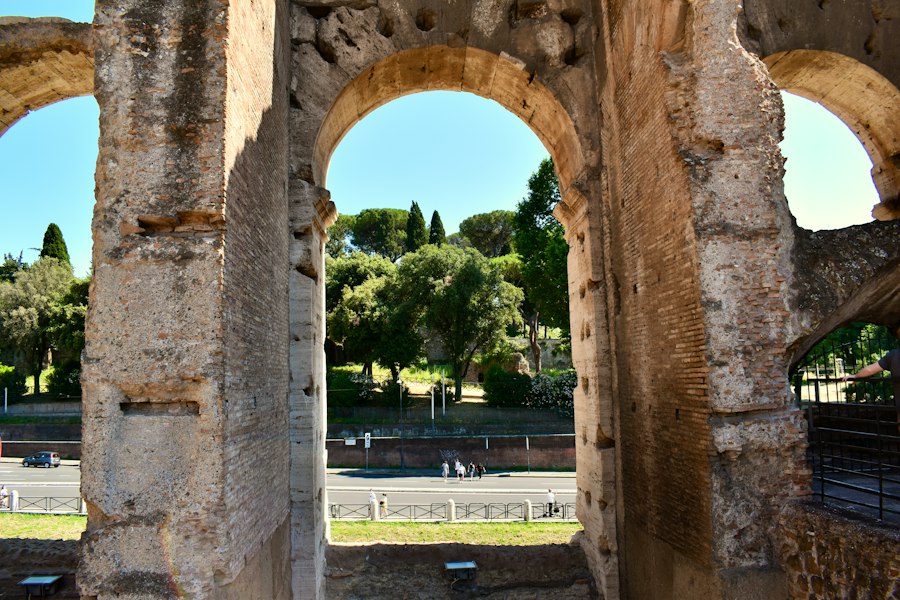
The remarkable durability of Roman engineering means that many of their roads, or segments of them, continue to be used in some form today. While modern infrastructure has largely supplanted them as primary transit routes, their historical and archaeological significance remains immense, drawing tourists and researchers alike. The preservation of these ancient thoroughfares offers a tangible connection to the past and a constant reminder of the ingenuity of the Roman civilization.
Echoes of the Past: Surviving Segments and Modern Use
Astonishingly, sections of Roman roads built nearly two millennia ago are still traversable. The paving stones of the Via Appia in Italy, for instance, remain in place in many areas, allowing modern visitors to walk the same paths as Roman soldiers and citizens. In Britain, parts of the Fosse Way and Watling Street are still recognizable and even incorporated into modern road networks. These surviving segments are not merely historical curiosities; they are active reminders of the Roman presence and a valuable resource for understanding Roman construction techniques and the extent of their influence. Archaeologists and historians actively study these remnants to gain deeper insights into Roman life, logistics, and military strategy. The very existence of these enduring structures speaks volumes about the quality of the materials and the skill of the builders.
Preserving the Legacy: Archaeological Significance and Tourism
The preservation of Roman roads is a vital task for archaeologists and heritage organizations worldwide. These sites offer invaluable opportunities to study ancient engineering, urban planning, and settlement patterns. Excavations along Roman road routes can uncover evidence of ancient settlements, roadside shrines, and burial sites, providing a richer understanding of the daily lives of people who lived and traveled along these routes. Furthermore, Roman roads have become significant tourist attractions. Walking or cycling along well-preserved sections allows people to connect with history in a visceral way. Sites like Hadrian’s Wall in Britain, with its associated Roman road network, draw thousands of visitors annually, contributing to local economies and fostering an appreciation for Roman heritage. The ongoing effort to protect and interpret these sites ensures that future generations can also learn from and be inspired by the Roman road system.
The Influence on Modern Infrastructure: A Blueprint for the Future?
While the Romans did not have asphalt or modern machinery, their fundamental principles of road construction—straight lines, durable materials, effective drainage, and strategic planning—remain relevant in civil engineering today. The Romans understood the importance of a well-connected network for the functioning of a large state, a lesson that continues to resonate in the planning of modern transportation systems. The concept of a hierarchical road network, with major arteries and connecting routes, can be traced back to Roman practices. Their emphasis on durability and longevity also serves as a benchmark for sustainable infrastructure development. Although the scale of their undertaking was unique for its time, the underlying logic and engineering principles continue to inform how we build and maintain the roads that underpin our modern world.
The Social and Cultural Fabric: Roman Roads as Connectors
Beyond their military and economic functions, Roman roads played a profound role in shaping the social and cultural landscape of the empire. They were more than just conduits for goods and armies; they were agents of Romanization, facilitating the spread of language, culture, and ideas, and weaving a common identity across diverse populations.
The Spread of Romanization: Language, Law, and Culture
As Roman legions marched and merchants traveled along these meticulously constructed pathways, they brought with them the language, laws, and customs of Rome. Latin, the language of the empire, spread along these roads, becoming the lingua franca of administration, commerce, and eventually, everyday life in many provinces. Roman legal principles and administrative practices were disseminated, creating a more unified and standardized system of governance. Roman architectural styles, religious beliefs, and artistic influences also traveled along these routes, leading to the Romanization of local populations. The roads acted as highways for cultural exchange, breaking down regional isolation and fostering a shared Roman identity among the diverse peoples of the empire.
Communication and Information Flow: The Arteries of News
The efficient movement of information was as crucial to Roman governance as the movement of troops and goods. The cursus publicus, the imperial postal service, relied heavily on the road network. Riders could carry messages, decrees, and news at remarkable speed, allowing the emperor and his officials to maintain communication with even the most distant provinces. This rapid dissemination of information was vital for maintaining order, collecting taxes, and responding to crises. The roads, therefore, were not just physical connectors but also the arteries through which the lifeblood of imperial communication flowed, keeping the vast empire connected and responsive to central authority. This system was a remarkable feat of logistics for its time.
A New Mobility: Connecting Communities and Facilitating Movement
Roman roads fundamentally changed the way people moved within the empire. Prior to their construction, travel was often arduous, time-consuming, and dangerous. The roads offered a safer and more predictable means of overland travel, enabling greater mobility for a wider range of people. Pilgrims could journey to distant religious sites, scholars could travel to access libraries and learn from renowned teachers, and families could visit relatives in other regions. This increased mobility fostered greater social interaction and understanding between different communities, further solidifying the interconnectedness of the Roman world. The roads essentially shrank the empire, making it feel more accessible and manageable for its inhabitants.
The extensive network of Roman roads, which spans over 250,000 miles, played a crucial role in the expansion and maintenance of the Roman Empire. These roads not only facilitated military movement but also enhanced trade and communication across vast distances. For those interested in the engineering marvels of ancient civilizations, a fascinating article on ancient water management systems can provide further insights into how the Romans optimized their infrastructure. You can read more about it in this related article.
The Enduring Legacy: A Testament to Roman Ingenuity
| Metric | Value |
|---|---|
| Total miles of Roman roads built | Approximately 250,000 miles |
| Miles of Roman roads still in use today | About 50,000 miles |
| Miles of Roman roads preserved as archaeological sites | Estimated 10,000 miles |
| Longest Roman road | Via Appia, approximately 350 miles |
The 50,000-mile network of Roman roads stands as a monumental achievement, a testament to the organizational capacity, engineering skill, and strategic foresight of the Roman Empire. These ancient thoroughfares were more than just functional infrastructure; they were the sinews that bound a vast and diverse empire together, facilitating its military might, economic prosperity, and cultural diffusion. Their enduring presence, with many segments still recognizable and even in use today, serves as a perpetual reminder of the profound impact of Roman innovation on the Western world.
A Foundation for Future Civilizations: Impact on Subsequent Empires and Societies
The Roman road network provided a foundational blueprint for infrastructure development for centuries to come. Subsequent empires and kingdoms, from the Byzantines to medieval European powers, recognized the value of well-constructed roads and often followed Roman precedents in their own construction efforts. While the scale of Roman road building was unparalleled for its era, the principles of strategic planning, durable construction, and the importance of interconnectedness continued to influence road building and transportation planning throughout history. The Roman example demonstrated the tangible benefits of investing in public works for the stability and prosperity of a state.
A Window into the Past: Archaeological Insights and Historical Understanding
The study of Roman roads continues to yield invaluable insights into Roman history and society. Archaeological investigations of road segments, accompanying structures like milestones and roadside settlements, provide a rich tapestry of information about Roman life, economy, and military organization. These investigations help us understand how the Romans planned and executed large-scale projects, how goods and people moved across the empire, and how Roman culture spread and interacted with local traditions. Each surviving stone, each recognizable alignment, offers a unique window into a past civilization, allowing us to reconstruct and better understand the complex mechanisms that underpinned Roman power and influence.
The Symbol of Roman Power and Connectivity: A Lasting Monument
Ultimately, the Roman road network is one of the most enduring symbols of Roman power and ingenuity. It represents a civilization that could conceive of, plan, and execute projects of immense scale and lasting impact. These roads were the physical manifestation of Rome’s ability to impose order, project power, and connect its vast territories. They facilitated the spread of Roman civilization, leaving an indelible mark on the landscape and the cultures of the lands they traversed. The legacy of these 50,000 miles of stone and earth continues to inspire awe and admiration, a testament to the enduring vision of an empire that built for eternity.
The 2.7% Statistic That Terrifies Roman Historians
FAQs
1. How many miles of Roman roads were built?
It is estimated that the Romans built around 250,000 miles of roads throughout their empire.
2. How many miles of Roman roads still exist today?
Approximately 50,000 miles of Roman roads are still visible in various parts of Europe, North Africa, and the Middle East.
3. Which countries have the most remaining miles of Roman roads?
Italy, Spain, France, and the United Kingdom are among the countries with the most remaining miles of Roman roads.
4. How did the Romans build their roads?
Roman roads were typically constructed by digging a trench, filling it with layers of stones, gravel, and sand, and then paving it with large stone slabs or gravel. The roads were designed to be durable and long-lasting.
5. What was the purpose of the Roman road network?
The Roman road network was crucial for the efficient movement of troops, goods, and information across the vast Roman Empire. It facilitated trade, communication, and the rapid deployment of military forces.