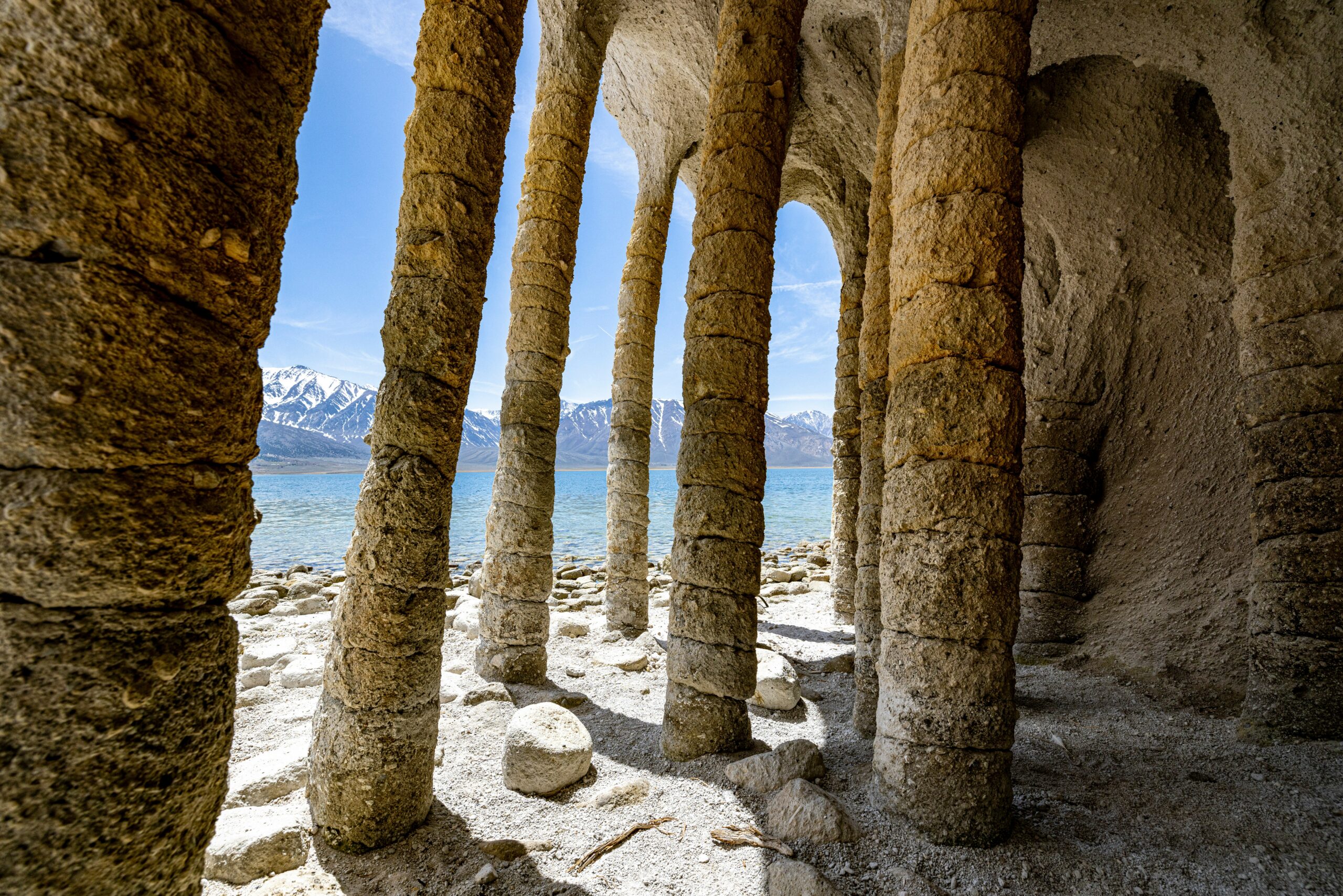
Unearthing the Mysteries of Rounded Stone Age Shelters
The human impulse to seek shelter is as ancient as humanity itself. Long before the advent of sophisticated construction techniques, our Stone Age ancestors utilized the very landscape around them to create enduring structures. Among the most intriguing of these are the rounded covered stone structures, remnants of which pepper the archaeological record across various continents. These enigmatic edifices, often referred to as stone huts, shelters, or even early dwellings, offer a tantalizing glimpse into the ingenuity, resourcefulness, and social lives of prehistoric peoples. Their rounded forms, meticulously assembled from local stone, speak of a deep understanding of materials and a practical approach to survival, while their very existence poses a wealth of questions about their purpose, construction, and the communities that built them.
The sheer variety of these structures, from small, individual shelters to larger, communal enclosures, suggests a range of functions. They may have served as protection from the elements – the biting winds of glacial periods, the torrential rains of temperate zones, or the scorching sun of arid landscapes. They could have been temporary camps for nomadic hunter-gatherer groups, more permanent settlements for early agriculturalists, or even ceremonial sites imbued with symbolic meaning. Deciphering the true nature of these rounded stone structures requires a multifaceted approach, drawing on archaeological excavation, comparative ethnographic studies, and a deep appreciation for the environmental pressures and cultural drivers of the Stone Age.
The Ubiquity of Circularity: Why Rounded Forms?
The prevalence of rounded or circular forms in early human construction is a recurring theme, and these stone shelters are no exception. This preference for curves over straight lines likely stemmed from a combination of practical, structural, and perhaps even aesthetic considerations. The circle is a naturally strong geometric shape, capable of distributing weight and stress efficiently, making it an ideal form for building with heavy, often irregular materials like stone. Furthermore, the absence of sharp corners in a circular structure can offer improved resistance to wind, a crucial factor in open, exposed environments.
Structural Integrity and Material Selection
The construction of these rounded covered stone structures relied heavily on the immediate availability of raw materials. Stone, in its myriad forms – fieldstones, river cobbles, quarried blocks, or even large slabs – was the primary building component. The method of assembly varied depending on the local geology and the skill of the builders. Dry-stone walling, where stones are carefully fitted together without mortar, was a common technique. This method, requiring immense skill and patience, allowed for the creation of surprisingly stable and durable structures. In some instances, evidence of primitive binders, such as clay or mud, has been found, suggesting a gradual evolution in construction techniques.
The selection of stone was not arbitrary. Builders would have chosen materials that were relatively easy to transport and manipulate, while also possessing the necessary weight and durability to withstand the elements and time. The presence of specific types of stone within a structure can also offer clues about the sourcing of materials and the extent of the builders’ knowledge of their local environment. Some of the more impressive structures exhibit a remarkable degree of planning, with larger, more carefully shaped stones forming the base and key structural elements, while smaller stones fill the gaps.
Adaptations to Diverse Climates
The design and construction of these rounded stone shelters were inherently linked to the climatic conditions of the regions in which they were built. In colder climates, thick walls were essential for insulation, trapping heat generated by internal fires. Some structures may have incorporated low entrances to minimize heat loss. The rounded form itself can also be advantageous in windy conditions, deflecting gusts and reducing the risk of structural damage.
In warmer regions, the need for ventilation and shade would have been paramount. The thickness of the stone walls would have provided a natural buffer against extreme temperatures, keeping the interior cooler during the day and retaining some warmth during cooler nights. Evidence of ventilation shafts or openings, though often subtle and difficult to identify, may offer insights into how prehistoric peoples managed the interior climate of their dwellings. The orientation of entrances and any visible openings might also have been deliberately chosen to harness prevailing winds or sunlight for specific purposes, such as passive heating or cooling.
Beyond the Practical: Social and Symbolic Dimensions
While the practicalities of shelter were undoubtedly a primary driver, the construction and use of rounded stone structures likely encompassed broader social and symbolic dimensions. The effort involved in gathering and transporting large quantities of stone, and the skill required to assemble them into stable forms, suggest a degree of communal effort and organization. This implies a level of social cohesion and cooperative behavior that would have been essential for the survival of prehistoric groups.
In some cases, the scale and complexity of these structures suggest they were more than just utilitarian shelters. Elaborate stonework, internal features such as hearths or benches, or their strategic placement within the landscape might indicate a role in communal gatherings, rituals, or as status markers within a society. The study of burial practices associated with such structures can also shed light on their symbolic significance and the beliefs of the people who inhabited them. The deliberate placement of artifacts, or the orientation of the structure in relation to celestial events, could further point towards a spiritual or ritualistic purpose, transcending the purely functional.
The study of rounded covered structures from the Stone Age provides fascinating insights into early human ingenuity and adaptability. These structures, often made from natural materials, served as shelters and communal spaces, reflecting the social dynamics of prehistoric communities. For a deeper understanding of how ancient practices can inform modern survival strategies, you might find the article on secret stash spots useful. It discusses how contemporary prepping techniques can draw inspiration from historical methods of resource management. You can read more about it here: Secret Stash Spots: Prepping for SHTF.
The Archaeological Unveiling: Methods and Discoveries
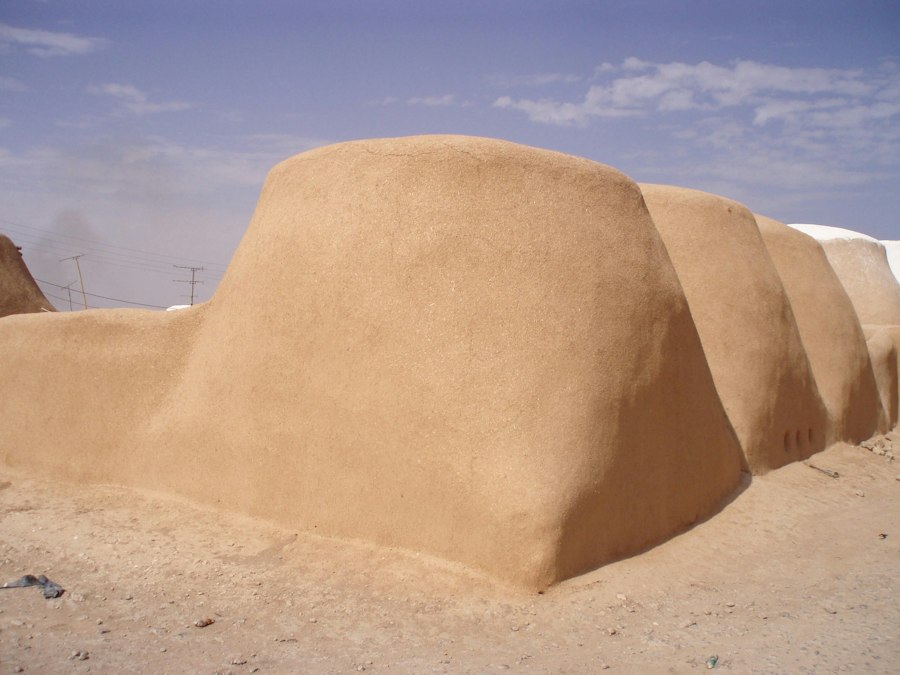
The archaeological investigation of rounded covered stone structures is a painstaking process that has yielded invaluable insights into prehistoric life. Excavation, meticulous recording, and sophisticated analytical techniques are all crucial in piecing together the story these ancient edifices have to tell. Each unearthed stone, each preserved artifact, contributes to a growing understanding of their builders and their world.
Excavation Techniques and Stratigraphy
The excavation of these sites requires a careful and methodical approach. Archaeologists employ a range of tools and techniques to systematically remove the overlying soil and debris, revealing the underlying structures. This often involves working in delicate layers, or strata, where each layer represents a distinct period of time and activity. By meticulously documenting the position of every artifact and architectural feature within these strata, researchers can reconstruct the sequence of events that occurred at the site, from its initial construction to its eventual abandonment.
The process of excavation itself can be revealing. The way stones are disturbed or displaced, the presence of tools or debris from construction, and the patterns of wear and tear on the structure can all provide clues about how it was built and used. For example, the discovery of stone tools used for shaping or dressing other stones would directly inform our understanding of the construction process. The presence of animal bones or plant remains within or around the structure can indicate the diet of its inhabitants and their subsistence strategies.
Dating the Structures: Radiocarbon and Other Methods
Determining the age of these rounded stone structures is fundamental to placing them within the broader timeline of the Stone Age. Radiocarbon dating is one of the most powerful tools available for this purpose. By analyzing organic materials, such as charcoal from hearths or fragments of bone, that are found in association with the structures, scientists can determine the time elapsed since the organism died. This provides a chronological framework for understanding when these shelters were in use.
Beyond radiocarbon dating, other methods can be employed. Thermoluminescence dating, for instance, can be used to date materials that have been heated, such as pottery fragments or fired clay used in construction. Typological dating, which involves comparing the style of artifacts found at a site with those from other dated sites, can also provide a relative chronology. The presence of diagnostic artifacts, such as specific types of stone tools or pottery shards, can help to assign a structure to a particular Stone Age period or cultural tradition.
Interpreting the Evidence: Function and Lifestyle
Once dated and excavated, the evidence from these structures must be interpreted to understand their function and the lifestyle of their inhabitants. This involves a multidisciplinary approach, drawing on expertise from archaeology, anthropology, geology, and paleoecology. The layout of a structure, the presence of hearths, storage pits, or sleeping areas, can all suggest its primary purpose.
The types of artifacts found within and around the structures are particularly informative. Stone tools, for example, can reveal the activities that took place there, such as hunting, processing food, or crafting. Pottery shards can indicate the presence of more settled communities and the development of culinary practices. The analysis of faunal and floral remains can reconstruct the diet and environment of the builders, offering insights into their subsistence strategies and their relationship with the natural world.
For example, a structure with a well-defined hearth and evidence of butchered animal bones might suggest a hunting camp. Conversely, a structure with evidence of grinding stones and storage pits for grains could indicate an early agricultural settlement. The spatial distribution of artifacts within a structure can also reveal patterns of activity, such as areas dedicated to food preparation, tool making, or sleeping.
Comparative Studies: Global Perspectives on Stone Shelters
The study of rounded covered stone structures is greatly enriched by comparative analysis across different geographical regions. While local adaptations are evident, common threads in design and construction suggest shared human ingenuity and problem-solving. By examining similar structures found in diverse environments, archaeologists can identify universal principles of prehistoric architecture and social organization.
For instance, comparing the stone shelters of Neolithic Britain with those of Bronze Age Ireland or Iron Age Scotland can reveal differences in building techniques, social complexity, and regional traditions. Similarly, looking at comparable structures in parts of continental Europe, or even further afield in regions where Stone Age hunter-gatherer or early agricultural societies existed, can highlight universal aspects of human adaptation and cultural development. These comparisons help to build a more comprehensive picture of the Stone Age world, emphasizing both the diversity of human experience and the common challenges and solutions faced by our ancient ancestors.
The Architecture of Simplicity: Design and Construction
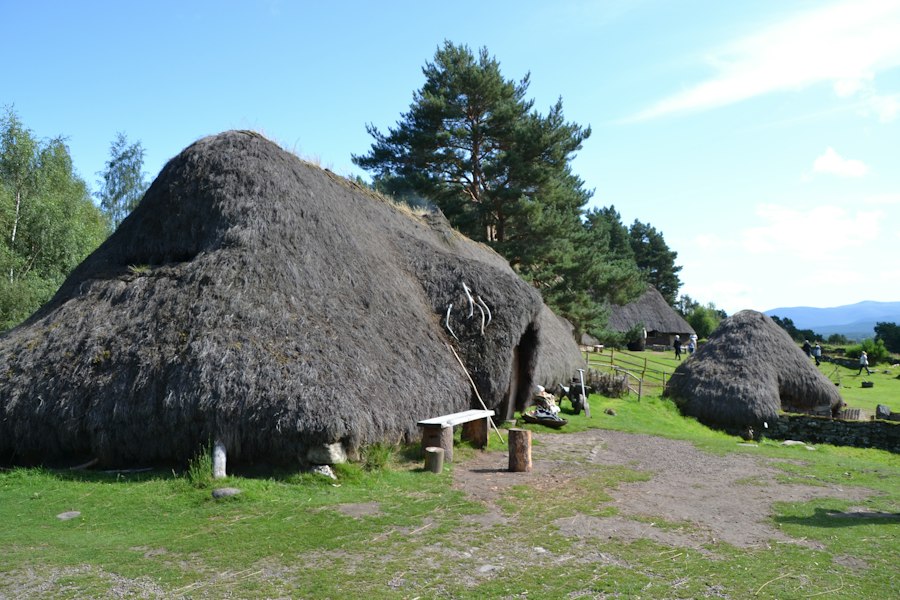
The rounded covered stone structures of the Stone Age, while appearing simple at first glance, often represent a sophisticated understanding of engineering and resource management. Their construction methods, honed over millennia, speak volumes about the practicalities of building with natural materials in a pre-industrial world.
Foundations and Wall Construction
The foundation of these structures was critical for stability. Builders would typically clear and level the ground, sometimes digging shallow trenches to anchor the base of the walls. The choice of stones for the foundation often included larger, more stable rocks to provide a solid platform.
Wall construction primarily relied on dry-stone techniques. This involved carefully selecting stones of varying sizes and shapes and fitting them together with precision. Larger stones would often be placed at the base of the wall, with progressively smaller stones used as the wall rose. The interlocking nature of the stones, combined with the weight of the materials, created surprisingly robust and weather-resistant structures. The slight outward or inward batter of the walls, the gradual inward or outward slope, could further enhance stability, especially against wind forces.
In some cases, especially where suitable stones were scarce, builders might have incorporated other materials. Wattle and daub, a framework of woven branches plastered with a mixture of clay, dung, and straw, could have been used to infill gaps in stone walls or as a standalone construction material, though evidence for this in purely stone structures is less common. The use of carefully placed capstones or lintels to span openings like doorways or windows demonstrates an understanding of load-bearing principles.
Roofing and Coverings: The Elusive Elements
The roofing of these rounded stone structures is often the most challenging aspect to reconstruct archaeologically, as organic materials like timber, thatch, or animal hides rarely survive the passage of millennia. However, the presence of post holes or structural timbers found within some sites suggests the use of wooden frameworks that would have supported a lighter roofing material.
It is plausible that timber beams were laid across the circular walls, forming a dome-like or conical roof. This framework would then have been covered with readily available materials such as branches, turf, reeds, or animal skins. The steep pitch of the roof, suggested by some reconstructions, would have been crucial for shedding rain and snow effectively, preventing water from saturating the structure and compromising its integrity.
In some instances, particularly for more rudimentary shelters, it is possible that natural overhangs or large, flat stones were incorporated into the roofing. The precise method of roofing would have been highly dependent on the local environment and the availability of resources. The absence of definitive evidence for roofing materials means that much of our understanding remains inferential, based on the surviving stone architecture and broader knowledge of prehistoric building practices.
Interior Layout and Features
The interior of these rounded stone structures, though often simple, would have been adapted for human habitation. The size and layout would have varied depending on the intended use, whether for an individual or a small family. Evidence of hearths, often indicated by blackened stones or layers of ash and charcoal, suggests a central point for cooking and warmth. These hearths could have been simple depressions in the floor or more elaborate stone-lined features.
Other features might have included benches or sleeping platforms constructed from stone or packed earth, providing elevated surfaces for resting. Storage pits, dug into the floor, would have served to keep food and other possessions safe from pests and the elements. The presence of internal partitions, though rare and usually subtle, could indicate the division of space for different purposes.
The construction of these interior features demonstrates a practical approach to maximizing the utility of the limited space within the shelter. The smooth, worn surfaces of some stone benches or hearths bear witness to repeated use over extended periods, offering a tangible connection to the daily lives of the people who inhabited these spaces.
The Social Fabric: Community and Dwelling
The construction and use of rounded covered stone structures were not solely individual endeavors. They were often embedded within a broader social context, reflecting the communal needs, social structures, and cultural practices of Stone Age societies.
Communal Living and Settlement Patterns
The presence of multiple rounded stone structures in close proximity, forming small clusters or larger settlements, points towards communal living arrangements. These settlements could have provided a sense of security, facilitated the sharing of resources and labor, and fostered social interaction. The arrangement of dwellings within a settlement, their proximity to each other, and the presence of shared spaces or communal structures, can offer insights into the social organization of the community.
In some cases, larger, more robust stone structures might have served as communal gathering spaces, workshops, or even defensive outposts within a settlement. The study of settlement patterns, including the location of these structures in relation to water sources, arable land, or hunting grounds, can reveal the economic strategies and environmental adaptations of these prehistoric communities.
Evidence of Specialization and Labor Division
The construction of these structures, particularly the more complex ones, would have required a considerable investment of labor and time. This suggests a degree of specialization and division of tasks within the community. While some individuals might have been skilled in stone masonry, others might have been responsible for gathering materials, preparing food, or hunting.
The existence of distinct types of structures within a settlement – some larger and more permanent, others smaller and perhaps more temporary – could also reflect different social roles or functional distinctions within the community. For instance, a chieftain’s dwelling might have been larger and more elaborately constructed than those of ordinary members. The discovery of specialized tools or artifacts within certain structures can also provide clues about the division of labor.
Ritual, Ceremony, and Belief Systems
While the primary function of many rounded stone structures was undoubtedly utilitarian, some may have held significant ritualistic or ceremonial importance. The careful alignment of certain structures with celestial events, such as the solstices or equinoxes, has been observed in some prehistoric sites, suggesting a connection to astronomical observation and ritual practices.
The discovery of unusual artifacts, such as carved stones, symbolic objects, or evidence of deliberate offerings within or around these structures, can also point towards their use in religious or spiritual contexts. The deliberate construction and subsequent abandonment or modification of these structures can also offer clues about the belief systems and burial practices of the people who built them. Some structures may have served as tombs or burial chambers, while others might have been associated with rites of passage or seasonal ceremonies. The symbolic meaning imbued in these built environments, though often difficult to decipher, is a crucial aspect of understanding their place in Stone Age culture.
The study of rounded covered structures from the Stone Age provides fascinating insights into early human architecture and social organization. These ancient constructions, often made from local materials, reflect the ingenuity and adaptability of our ancestors. For a deeper understanding of how historical structures influence modern geopolitical dynamics, you might find it interesting to explore this related article on the geopolitical impact of the Artemis Accords, which discusses how contemporary agreements can shape our understanding of historical sites and their significance. You can read more about it here.
Enduring Legacies: Preservation and Future Research
| Metric | Description | Typical Values / Examples |
|---|---|---|
| Structure Shape | Common architectural form of covered Stone Age dwellings | Rounded, circular, oval |
| Materials Used | Primary construction materials for rounded covered structures | Stone slabs, wooden poles, animal hides, mud |
| Average Diameter | Typical internal width of rounded covered structures | 3 to 6 meters |
| Wall Thickness | Thickness of stone walls in covered structures | 0.3 to 0.6 meters |
| Roof Type | Common roofing methods for rounded Stone Age structures | Corbelled stone, thatched wood, animal skins |
| Function | Primary use of rounded covered structures | Habitation, storage, shelter |
| Geographical Distribution | Regions where rounded covered Stone Age structures are found | Europe, Near East, North Africa |
| Estimated Age | Time period when these structures were commonly built | Approximately 10,000 to 4,000 BCE |
The rounded covered stone structures of the Stone Age represent a tangible link to our distant past, and their preservation is of paramount importance. Ongoing research continues to refine our understanding of these enigmatic edifices, promising further revelations about the lives and ingenuity of our ancestors.
Preservation Challenges and Strategies
Many of these ancient structures face significant threats from natural erosion, human activity, and the passage of time. Their preservation requires a concerted effort from archaeologists, heritage organizations, and local communities. Strategies include protective fencing, controlled access, and ongoing monitoring to detect and address any signs of deterioration.
In situ preservation, where structures are left in their original location and context, is often the preferred approach, as it allows for continued study and maintains their connection to the landscape. However, in some cases, stabilization or partial reconstruction may be necessary to prevent collapse. Careful documentation through photography, 3D scanning, and detailed surveys is crucial for recording their current state and informing future preservation efforts. The development of non-invasive survey techniques, such as ground-penetrating radar, can also help in understanding the full extent of buried structures without disturbing them.
Ongoing Debates and Emerging Theories
The interpretation of rounded covered stone structures is an evolving field, with ongoing debates and the emergence of new theories. Questions surrounding their exact function, the sophistication of their construction methods, and the social organization of their builders continue to be explored.
Recent research might challenge long-held assumptions, for example, suggesting that some structures previously thought to be solely domestic were also used for communal activities or had a symbolic purpose. Advances in analytical techniques, such as residue analysis on pottery or the study of micro-wear patterns on stone tools, can provide more detailed information about the use of these structures and the activities that took place within them. The application of experimental archaeology, where modern builders attempt to replicate ancient construction techniques, can also offer valuable insights into the practicalities and challenges faced by Stone Age builders.
The Future of Stone Age Shelter Research
The study of rounded covered stone structures is far from complete. Future research will undoubtedly benefit from interdisciplinary collaboration, the application of new technologies, and the exploration of previously under-researched regions. The integration of paleoenvironmental data can provide a richer context for understanding how these structures were adapted to specific landscapes and climates.
The potential for new discoveries remains immense. As archaeological surveys become more sophisticated and as new sites are brought to light, our understanding of these ancient shelters will continue to expand. The ongoing analysis of existing collections and the re-examination of previously excavated materials with modern techniques may also yield fresh insights. Ultimately, the exploration of these rounded stone structures is a journey into the heart of human resilience, ingenuity, and the enduring desire for shelter and community that has shaped our species for millennia. Their silent presence on the landscape serves as a profound reminder of our deep past and the remarkable capabilities of our Stone Age ancestors.