Exploring Sacred Sites: Uncovering the Mystical Wonders
Sacred sites, those hallowed grounds woven into the tapestry of human history, beckon explorers not just with physical beauty but with a palpable, often profound, sense of the numinous. These are places where the veil between the mundane and the mystical is, for many, remarkably thin. They represent points of connection to the divine, to ancestral wisdom, and to the deepest currents of human consciousness. To embark on a journey to these locations is to engage in an exploration that transcends mere tourism; it is an immersion into narratives, beliefs, and energies that have shaped civilizations and continue to resonate in the modern world. This article delves into the nature of sacred sites, the motivations behind their exploration, and the enduring allure of their mystical wonders.
The concept of sacredness is an ancient and universal human phenomenon. It arises from a fundamental need to imbue the world with meaning, to understand one’s place within a larger cosmic order, and to acknowledge forces that lie beyond immediate sensory perception. Sacred sites are often the physical manifestation of these abstract notions, chosen for their unique geological features, astronomical alignments, or perceived spiritual significance.
Geological Anomalies and Perceived Energies
Many sacred sites are situated in locations that possess distinct geological characteristics. Towering mountains, deep caves, natural springs, and unusual rock formations have historically served as focal points for veneration. The very earth, in these instances, is perceived to possess an inherent power or energy that amplifies spiritual experiences.
Mountains as Divine Abodes
Throughout numerous cultures, mountains have been viewed as thresholds to the heavens, physical representations of ascent and spiritual elevation. Peaks often feature prominently in creation myths and stories of divine interaction. Examples include Mount Sinai in Judaism and Christianity, Mount Olympus in Greek mythology, and Mount Kailash in Hinduism, Buddhism, Jainism, and Bön. The arduous journey to summit these peaks, or even to reach their foothills, can be seen as a metaphor for the spiritual path – one requiring perseverance, shedding of earthly burdens, and a striving for higher understanding. The thin air, the dramatic vistas, and the sense of being closer to the sky contribute to an altered state of consciousness for many visitors.
Caves as Wombs of the Earth and Passageways to the Underworld
Caves, with their darkness, echoes, and confinement, have often been associated with the womb, with origins, and with the subterranean realms. They are seen as places of transformation, of introspection, and of communion with chthonic deities or ancestral spirits. Ancient rituals, initiations, and even burials have taken place within these natural sanctuaries. The Eleusinian Mysteries in ancient Greece, for example, are believed to have involved rituals conducted in or near caves. The feeling of being enveloped by the earth, away from the glare of the sun and the distractions of the surface world, can foster a deeply introspective and potentially transformative experience.
Water Sources and Their Spiritual Significance
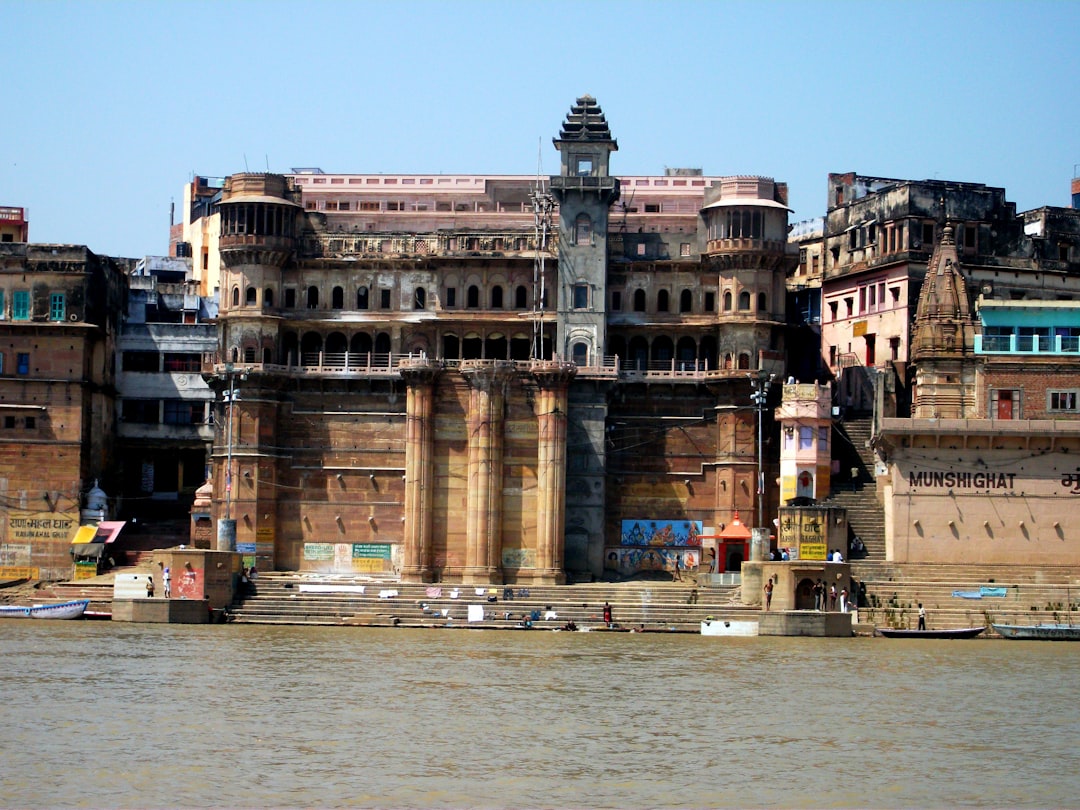
Rivers, lakes, and springs have long been revered as sources of life and purification. Many sacred sites are located along significant waterways, or are themselves natural springs. The flowing nature of water can symbolize the continuous flow of life, spiritual renewal, and cleansing. The Ganges River in India is perhaps one of the most universally recognized sacred water bodies, with countless temples and ghats lining its banks. Pilgrims journey to bathe in its waters, seeking spiritual merit and absolution. Other examples include the Lourdes Grotto in France, where the water is believed to possess healing properties.
Astronomical Alignments and Cosmic Harmony
A significant aspect of the construction and placement of many sacred sites involves precise astronomical observations. The builders of these ancient structures understood the celestial cycles and sought to align their monuments with solstices, equinoxes, and the positions of prominent stars or constellations. This integration of earthly structures with cosmic events suggests a belief in a fundamental harmony between the human realm and the universe.
Solstice and Equinox Markers
Many megalithic sites, such as Stonehenge in England, are renowned for their alignments with the summer and winter solstices. These alignments suggest a deep connection to agricultural cycles, the passage of time, and the fundamental rhythms of nature. The sunrise on the solstice illuminates specific points within the monument, underscoring its purpose as a celestial calendar and a place to mark the turning of the year. These observations were not merely academic; they were integral to the spiritual and practical lives of ancient peoples, dictating agricultural practices and marking significant ritual periods.
Planetary and Stellar Conjunctions
Beyond the primary solar events, some sacred sites also exhibit alignments with planets or specific stars. The Maya city of Chichen Itza, with its El Castillo pyramid, is a prime example, with its northern staircase designed to create a serpent shadow on the equinoxes, representing the feathered serpent deity Kukulcan. The meticulous planning and execution of these alignments speak to a sophisticated understanding of astronomy and a profound desire to connect with the celestial order.
Historical and Mythological Resonance
The sacredness of a site is often not solely dependent on its physical attributes but also on the events that have transpired there or the myths that are associated with it. These locations become imbued with the collective memory and spiritual narratives of a community or culture.
Sites of Miracles and Divine Intervention
Many religious traditions point to specific locations as the sites of miracles, apparitions, or divine pronouncements. These events, whether historical or legendary, elevate the status of the location, transforming it into a place of pilgrimage and devotion. The Church of the Holy Sepulchre in Jerusalem, venerated as the site of Jesus Christ’s crucifixion and burial, draws millions of pilgrims annually. The narratives of divine intervention create a powerful magnet for believers, offering a tangible connection to the sacred history of their faith.
Ancestral Burial Grounds and Places of Remembrance
The reverence for ancestors is a cornerstone of many cultures, and ancestral burial grounds are often considered sacred spaces. These sites are not only places of mourning but also of ongoing connection and respect for those who have come before. The pyramids of Egypt, while serving as tombs for pharaohs, were also intricately linked to beliefs about the afterlife and the continuation of the ruler’s influence. The respect for ancestors imbues these sites with a profound sense of continuity and lineage.
Sacred sites hold profound significance for various cultures and religions around the world, often serving as places of worship, pilgrimage, and reflection. For those interested in exploring the importance of these locations, a related article can be found at this link, which delves into the history and cultural relevance of sacred spaces throughout different societies.
Motivations for Exploring Sacred Sites
The call to explore sacred sites is multifaceted, drawing individuals for a variety of reasons that extend beyond simple curiosity. These motivations can range from spiritual seeking and personal growth to historical inquiry and cultural appreciation.
Spiritual Seeking and Personal Transformation
For many, sacred sites are destinations of pilgrimage, undertaken with the explicit intention of seeking spiritual enlightenment, connection with the divine, or personal transformation. These journeys are often undertaken during times of transition, crisis, or intense spiritual yearning.
The Pilgrimage Experience
Pilgrimage is a time-honored practice that involves a deliberate journey to a sacred destination. It is often characterized by hardship, introspection, and a shedding of worldly concerns. The focus shifts from the everyday to the sacred, fostering a sense of purpose and devotion. The pilgrimage to Santiago de Compostela in Spain, for instance, is a centuries-old tradition that attracts individuals seeking spiritual renewal, solace, and a deeper connection to their faith. The physical act of walking, often for hundreds of miles, serves as a powerful metaphor for the spiritual journey, demanding endurance and reflection.
Seeking Divine Guidance and Healing
Individuals often visit sacred sites with the hope of receiving divine guidance, finding solutions to life’s challenges, or experiencing physical and emotional healing. The perceived sanctity of the location, coupled with focused intention, is believed to facilitate these outcomes. The ancient Greek Asclepions, dedicated to the god of healing Asclepius, were sites where individuals would go to seek treatment through dream incubation and ritualistic practices. While scientific explanations for healing at such sites may vary, the placebo effect and the power of belief are undeniable factors in many reported experiences.
Historical and Archaeological Inquiry
Beyond the spiritual, sacred sites are invaluable windows into the past. Archaeologists, historians, and anthropologists are drawn to these locations to unearth the secrets of ancient civilizations, understand forgotten belief systems, and reconstruct the human story.
Unearthing Ancient Civilizations
Excavations at sites like Machu Picchu in Peru or Angkor Wat in Cambodia have revealed remarkable architectural achievements, complex social structures, and sophisticated understanding of astronomy and engineering. These discoveries challenge existing historical narratives and offer new insights into the ingenuity and spiritual lives of our ancestors. The intricate masonry and astronomical alignments of these sites demonstrate a profound connection to the natural world and the cosmos.
Understanding Ancient Belief Systems
The artifacts, inscriptions, and architectural designs found at sacred sites provide crucial evidence for understanding the religious beliefs, rituals, and cosmologies of past societies. By studying these remnants, scholars can piece together the worldview of peoples long gone, offering a richer understanding of human diversity and the evolution of spiritual thought. The cuneiform tablets found in Mesopotamian ziggurats, for example, offer direct insights into their religious practices and pantheon.
Cultural Appreciation and Connection to Heritage
For many, exploring sacred sites is an act of cultural appreciation and a way to connect with their heritage or the heritage of humanity at large. These sites are tangible links to the past, reminders of the enduring human impulse to create meaning and seek transcendence.
Preserving Cultural Identity
Sacred sites often form the heart of a community’s cultural identity, serving as focal points for festivals, rituals, and communal gatherings. Their preservation is crucial for maintaining this sense of continuity and belonging. The Indigenous Australian significant sites are deeply interwoven with their cultural practices, law, and connection to country. Their oral traditions often act as living maps and guardians of these ancestral lands.
Experiencing Global Heritage
In an increasingly interconnected world, exploring sacred sites offers an opportunity to experience the diversity of human cultural and spiritual expression. They are part of a shared global heritage, offering insights into the universal human quest for meaning and connection. Visiting a Buddhist stupa in Nepal, a Shinto shrine in Japan, or a Celtic stone circle in Ireland provides a unique window into different ways of understanding the world and one’s place within it.
The Mystical Experience: Beyond the Tangible
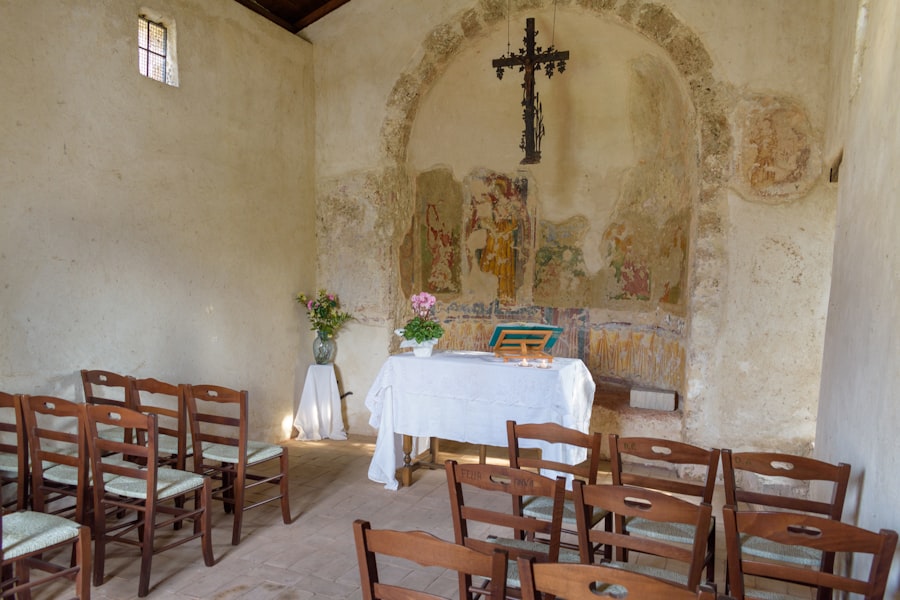
The “mystical wonders” of sacred sites are not always easily defined or scientifically explained. They often refer to the subjective, profound, and sometimes inexplicable experiences that visitors report. These experiences can range from feelings of deep peace and awe to visions, altered states of consciousness, and a profound sense of connection.
Altered States of Consciousness
The deliberate design of sacred sites, combined with the ritualistic practices historically performed within them, often aimed to induce altered states of consciousness. This could be achieved through factors such as chanting, drumming, fasting, sensory deprivation (like the darkness of caves), or the inhalation of specific incense.
Sensory Immersion and Contemplation
The unique sensory environments of sacred sites—the unique acoustics of a canyon, the scent of ancient incense in a temple, the visual patterns of a mandala, or the sound of wind whistling through megaliths—can powerfully affect perception and encourage deep contemplation. The focused repetition of chants in Tibetan monasteries, designed to harmonize with the resonant frequencies of the surrounding environment, can lead to profound meditative states.
The Power of Belief and Expectation
The strong belief system associated with sacred sites plays a pivotal role in shaping individual experiences. When individuals approach these places with an open mind and a deep expectation of encountering something sacred or profound, they are more likely to have a meaningful experience. This is often referred to as the “observer effect” in a psychological sense, where anticipation can amplify perception and create a self-fulfilling prophecy of wonder.
Imprinted Energies and Collective Resonance
Some theories suggest that sacred sites retain a form of residual energy or imprint from centuries of devotion, ritual, and intense human emotion. This concept, while not scientifically quantifiable in conventional terms, speaks to the powerful impact that collective human experience can have on a physical location.
Historical Echoes and Spiritual Residue
The idea of “spiritual residue” or “energetic imprints” posits that significant events and prolonged spiritual practices can leave a lasting impression on the fabric of a place. Visitors, particularly those who are sensitive to subtle energies, may report feeling a palpable presence or sensing the echoes of past rituals and emotions. Locations like the battlefield of Gettysburg or the sites of significant historical tragedies are often reported to carry a palpable weight of past events.
Collective Consciousness and Shared Experience
Sacred sites are often gathering places for communities of faith, and the shared focus of prayer, meditation, and celebration can create a powerful collective consciousness. This shared spiritual energy, amplified by the unique qualities of the site, can contribute to the profound sense of awe and connection that many experience. The convergence of thousands of pilgrims at a single sacred site, all focused on a common spiritual goal, creates a potent energetic field.
Intuitive Connections and Perceived Synchronicity
Many explorers of sacred sites report experiencing profound intuitive insights, vivid dreams, or a heightened sense of synchronicity—meaningful coincidences that feel guided by a force beyond chance. These experiences are often interpreted as messages or confirmations from a higher power or the collective consciousness of the site.
The Language of Symbols and Archetypes
Sacred sites are often rich in symbolism, from the carvings on ancient temples to the placement of natural features. These symbols can resonate deeply with the subconscious mind, triggering intuitive understanding and a sense of recognition. The universal appeal of archetypal imagery, such as the sun, the moon, or the serpent, found in diverse sacred art, suggests a shared human language of the psyche.
Unforeseen Insights and Revelations
During visits to sacred sites, individuals may find themselves unexpectedly gaining clarity on personal issues, experiencing creative breakthroughs, or receiving profound insights that were not consciously sought. These moments of revelation are often attributed to the conducive atmosphere of the site, which can quiet the noise of the everyday and allow for deeper introspection.
Navigating Sacred Sites Responsibly

The exploration of sacred sites carries with it a responsibility, both to the sites themselves and to the communities that hold them sacred. Respectful engagement ensures that these places can continue to inspire and enrich future generations.
Respect for Local Customs and Traditions
When visiting sacred sites, it is imperative to be aware of and adhere to local customs, traditions, and religious observances. This includes dressing modestly, refraining from disruptive behavior, and seeking permission before taking photographs in sensitive areas.
Understanding Cultural Etiquette
Different cultures have varying expectations regarding behavior in sacred spaces. Researching and understanding this etiquette beforehand demonstrates respect and avoids unintentional offense. For example, removing shoes before entering a temple or mosque, or avoiding loud conversations during prayer times, are common courtesies.
Supporting Local Communities
Engaging with local communities in a respectful and supportive manner is an integral part of responsible exploration. This can involve purchasing local crafts, dining at local establishments, and learning about the ongoing cultural practices associated with the site. Economic benefits that flow directly to the communities who are the custodians of these sites can aid in their preservation.
Environmental Stewardship and Conservation
Sacred sites are often located in areas of natural beauty, and responsible visitors must prioritize environmental conservation and minimize their impact. This includes adhering to designated paths, avoiding littering, and respecting the natural landscape.
Minimizing Footprint and Preserving Nature
The principle of “leave no trace” is paramount in these environments. This means ensuring that one’s presence has the least possible impact on the natural ecosystem, preserving the pristine quality of the site for future visitors and for the intrinsic value of the natural world itself.
Contributing to Preservation Efforts
Where possible, visitors can contribute to the preservation of sacred sites through donations to reputable organizations or by supporting initiatives aimed at conservation and restoration. Active participation in volunteer efforts can also be a meaningful way to contribute to the long-term health of these significant locations.
Ethical Photography and Documentation
While documenting one’s experiences through photography is common, it is crucial to do so ethically. This involves being mindful of privacy, seeking permission when photographing individuals, and avoiding intrusive or disrespectful forms of documentation, particularly in ritualistic settings.
Attentive Observation Over Excessive Documentation
Sometimes, the act of being fully present and observing the site, rather than constantly framing shots, can lead to more profound experiences. Prioritizing genuine immersion over the need to capture every moment allows for a deeper connection.
Respecting Sacredness in Imagery
The images captured should reflect the reverence and sacredness of the site, rather than sensationalizing or misrepresenting its spiritual significance. The visual narrative created should aim to convey understanding and respect.
Sacred sites hold immense cultural and spiritual significance for many communities around the world, often serving as places of pilgrimage and reflection. For those interested in exploring the deeper meanings and histories behind these locations, a fascinating article can be found at Real Lore and Order, which delves into the various traditions and beliefs associated with sacred spaces. Understanding these sites not only enriches our appreciation of diverse cultures but also highlights the importance of preserving these treasures for future generations.
The Enduring Legacy of Sacred Sites
| Sacred Site | Location | Religious Tradition | Annual Visitors (approx.) | UNESCO World Heritage Status |
|---|---|---|---|---|
| Mecca (Masjid al-Haram) | Saudi Arabia | Islam | 15 million | No |
| Varanasi | India | Hinduism | 3 million | No |
| Jerusalem (Western Wall) | Israel/Palestine | Judaism | 2 million | Yes |
| Vatican City (St. Peter’s Basilica) | Vatican City | Christianity (Catholic) | 6 million | Yes |
| Angkor Wat | Cambodia | Hinduism/Buddhism | 2.5 million | Yes |
| Mount Kailash | Tibet | Hinduism, Buddhism, Jainism, Bon | Thousands (pilgrimage) | No |
Sacred sites are more than just ancient ruins or picturesque landscapes; they are living testaments to humanity’s enduring quest for meaning, connection, and transcendence. They act as powerful anchors in time, connecting us to the wisdom and experiences of our ancestors, and offering potent spaces for personal reflection and spiritual growth in the present. As we continue to explore and understand these remarkable places, their mystical wonders continue to unfold, offering profound insights into the human condition and the possibility of something greater than ourselves. The echoes of ancient prayers, the patterns of celestial alignments, and the profound stillness that pervades these hallowed grounds continue to draw us, inviting us to listen, to learn, and to connect with the timeless currents of the sacred.
FAQs
What are sacred sites?
Sacred sites are specific locations that hold spiritual, religious, or cultural significance for a particular group or community. These places are often associated with rituals, worship, or historical events.
Why are sacred sites important?
Sacred sites are important because they serve as places of worship, pilgrimage, and cultural identity. They help preserve traditions, foster community cohesion, and connect people to their heritage and beliefs.
Can sacred sites be found worldwide?
Yes, sacred sites exist all over the world and are found in many different cultures and religions. Examples include temples, churches, mosques, shrines, mountains, rivers, and natural formations.
How are sacred sites protected?
Sacred sites are often protected through legal measures, cultural preservation efforts, and by the communities that hold them sacred. International organizations like UNESCO also recognize and help preserve many sacred sites as World Heritage Sites.
Are sacred sites open to the public?
Access to sacred sites varies depending on the site and the traditions of the community that maintains it. Some sites are open to the public for tourism and pilgrimage, while others may have restricted access to preserve their sanctity or for safety reasons.