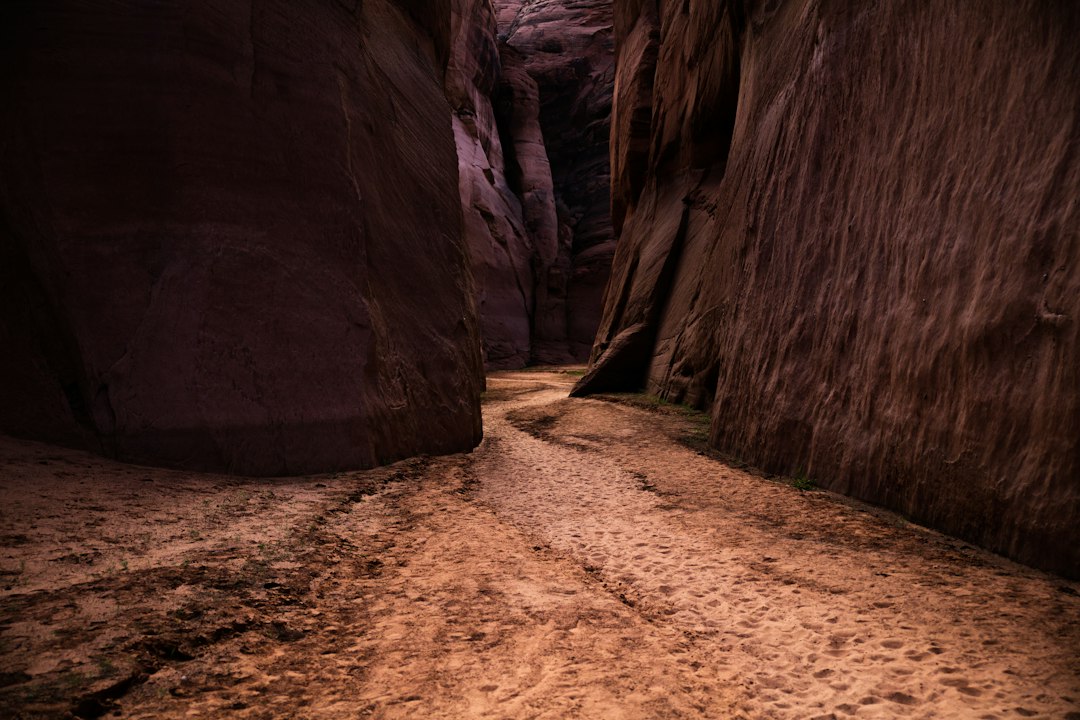
The allure of the undiscovered has forever tugged at the human spirit. For millennia, intrepid explorers have charted the world’s surfaces, scaling peaks, crossing vast oceans, and navigating dense jungles. Yet, beneath the veneer of the familiar, a whole other world awaits, a realm of profound mystery and breathtaking antiquity. This is the domain of subterranean paths, the hidden arteries of the Earth that can lead to the most extraordinary of discoveries: prehistoric oases. These are not mere caverns or underground rivers; they are ecological pockets, time capsules preserved by the Earth’s embrace, often untouched by the ravages of surface evolution. To traverse these hidden routes is to step back through geological epochs, to witness landscapes that have not changed for millennia, and perhaps, to encounter lifeforms that have survived in isolation, a testament to nature’s enduring power and adaptability. The exploration of these subterranean pathways is a challenging endeavor, demanding not only physical prowess and specialized equipment but also a deep understanding of geology, biology, and the very forces that shape our planet.
The Geological Architects of Concealment
The formation of subterranean pathways is a testament to the slow, inexorable power of geological processes. Water, the universal sculptor, plays a paramount role in carving out these hidden networks. Over vast stretches of time, rainwater, often slightly acidic from dissolved carbon dioxide in the atmosphere, percolates through porous rock formations. This water then begins the patient work of dissolution, gradually widening microscopic fissures and cracks. In areas with soluble rock types, such as limestone, dolomite, or gypsum, this process is amplified. The water dissolves the rock, carrying it away in solution, creating intricate systems of underground channels, chambers, and passages.
Karst Topography and Its Subterranean Symphony
The development of karst topography is a prime example of how water carves out subterranean worlds. Karst landscapes are characterized by sinkholes, disappearing streams, and extensive cave systems. These features are direct evidence of the dissolution of soluble bedrock. Within these regions, underground rivers and streams flow through a complex network of conduits, often disappearing from the surface only to re-emerge miles away. These subterranean waterways are the highways to hidden oases. Their steady, often constant flow provides the lifeblood for these isolated ecosystems. The rock formations themselves act as natural barriers, shielding these delicate environments from the fluctuations of surface climate and the direct impact of external environmental changes. The very act of being underground insulates these oases from extreme temperatures, providing a stable microclimate year-round.
Volcanic Plumbing: Fiery Origins and Hidden Sanctuaries
While water is the primary architect of many subterranean pathways, volcanic activity also plays a significant role in creating unique underground environments. Lava tubes, formed by the outflow of molten rock, create hollow cylindrical passages beneath the surface. As lava flows, its outer surface cools and solidifies, forming a crust. The molten lava beneath continues to flow, eventually draining away and leaving behind these hollow tubes. These volcanic conduits can be vast, extending for miles and featuring varied internal structures, from smooth, flowing walls to jagged, solidified flow features.
The Thermal Embrace of Volcanic Caves
Volcanic caves, particularly those in geothermally active regions, can harbor unique ecosystems. While surface conditions might be harsh and arid, the residual heat from the Earth’s interior can create pockets of warmth and humidity within these caves. This thermal energy can support microbial life, and in some cases, more complex organisms adapted to these unusual conditions. The mineral-rich water seeping through volcanic rock can also create a nourishing environment for specialized flora and fauna. These geothermal oases are often characterized by a consistent temperature, a high humidity level, and the presence of chemosynthetic bacteria that form the base of the food web. The sheer isolation of these volcanic sanctuaries further enhances their potential for harboring unique life forms, protected from competition and predation found on the surface.
Exploring the concept of subterranean paths leading to hidden prehistoric oases opens up fascinating discussions about ancient civilizations and their advanced knowledge of the earth. For those interested in delving deeper into the mysteries of ancient technology and the secrets that have been unearthed over time, a related article can provide valuable insights. You can read more about these intriguing discoveries in the article titled “Forbidden Ancient Technology: Secrets Unearthed” available at this link.
Navigating the Darkness: Tools and Techniques for Subterranean Exploration
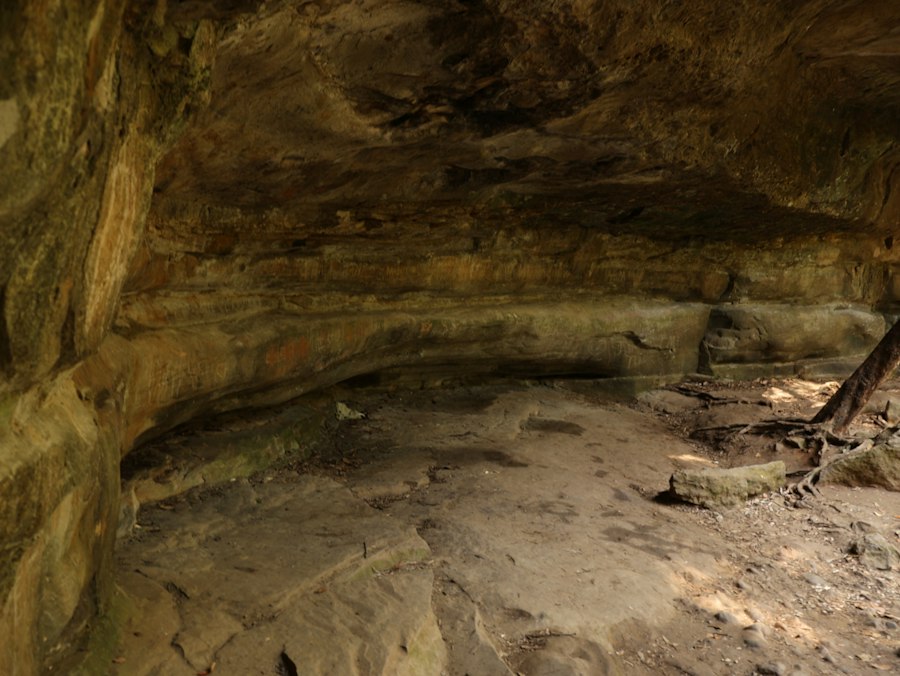
Venturing into the subterranean realm is not a casual undertaking. It demands a specialized toolkit and a rigorous approach to safety and scientific methodology. The absence of natural light, the presence of potentially hazardous geological formations, and the isolation from immediate assistance all necessitate meticulous planning and execution.
The Essential Gear for the Deep Dive
The fundamental requirement for any subterranean expedition is reliable illumination. Powerful, multi-directional headlamps and handheld torches are crucial for navigating the darkness and for detailed observation. Redundant lighting systems are non-negotiable, as a failure in one can leave an explorer vulnerable. Protective gear is equally vital. Helmets are essential to guard against falling rocks and low-hanging formations. Sturdy, ankle-supporting boots are necessary for navigating uneven terrain. Gloves protect hands from sharp rocks and abrasive surfaces. In environments with potential for water, waterproof suits and specialized footwear become paramount. For extended explorations, specialized breathing apparatus may be required if air quality is a concern, particularly in deep caves or areas with geothermal activity.
Advanced Imaging and Mapping Technologies
Beyond basic survival gear, modern subterranean exploration leverages advanced technologies to map and understand these hidden environments. 3D laser scanners can create incredibly detailed digital models of cave systems, capturing intricate formations and spatial relationships with remarkable accuracy. Ground-penetrating radar (GPR) can be used to detect buried structures or geological anomalies beneath the surface, potentially revealing hidden chambers or pathways that are not immediately accessible. Drones equipped with cameras and sensors are increasingly being used to explore larger, more open cave systems, providing aerial perspectives and allowing for initial reconnaissance without the need for a full team to enter potentially hazardous areas. These technologies not only aid in navigation and safety but also contribute significantly to scientific understanding by providing detailed spatial data for geological and biological studies.
The Scientific Imperative: Documentation and Preservation
The exploration of subterranean oases is not solely about the thrill of discovery; it is deeply rooted in scientific inquiry and a commitment to preservation. Every aspect of the environment encountered must be meticulously documented. Detailed notes on geological formations, water chemistry, and any encountered life forms are essential. Photographic and videographic evidence provides invaluable records for later analysis. Biological samples, collected with utmost care to minimize disturbance, are crucial for taxonomic identification and evolutionary studies.
Ethical Considerations in Sensitive Ecosystems
The preservation of these unique and often fragile ecosystems is a paramount ethical consideration. Explorers must adhere to strict protocols to minimize their environmental impact. This includes avoiding the introduction of foreign organisms, leaving no trace of their passage, and refraining from disturbing or collecting specimens unnecessarily. Understanding the delicate balance of these isolated environments is key to ensuring that exploration does not inadvertently harm the very wonders it seeks to uncover. The principle of “leave no trace” is not merely a guideline but a fundamental tenet of responsible subterranean exploration, safeguarding these prehistoric sanctuaries for future generations of scientists and for their intrinsic value.
Echoes of the Past: Prehistoric Life in Subterranean Sanctuaries
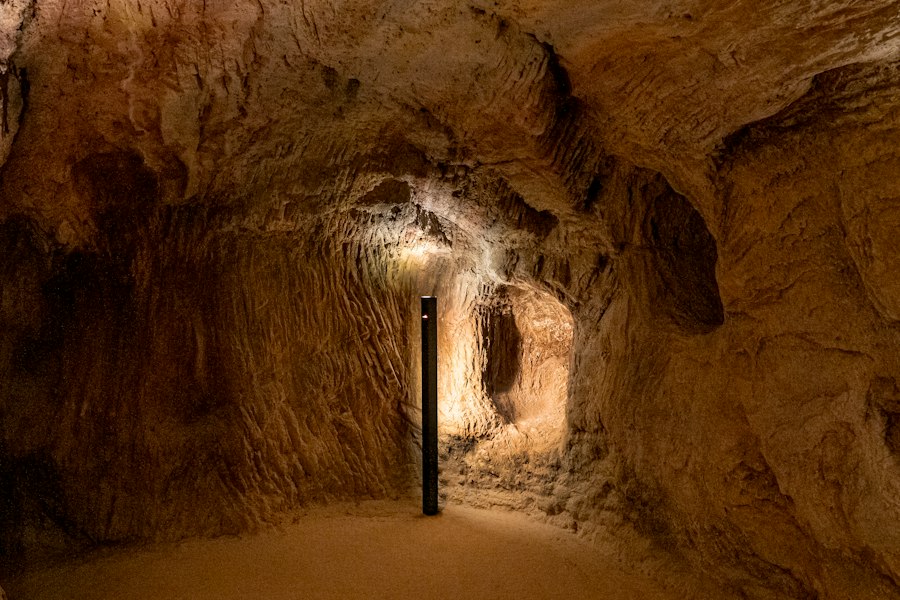
The true marvel of subterranean oases lies in their potential to harbor lifeforms that have survived, relatively unchanged, for millennia. Isolated from the competitive pressures and environmental fluctuations of the surface world, these hidden pockets can act as living museums, preserving ancient lineages and unique evolutionary pathways.
Ancient Microbial Communities: The Foundation of Hidden Life
The most fundamental lifeforms discovered in subterranean oases are often microbial. These chemosynthetic bacteria, which derive energy from chemical reactions rather than sunlight, form the base of the food web in these aphotic environments. They metabolize minerals dissolved in the underground waters, creating organic matter that sustains more complex organisms. The diversity of these microbial communities can be astonishing, with unique species adapted to specific mineral compositions and water chemistries. Studying these ancient microbes provides invaluable insights into the origins of life on Earth and the potential for life in similar environments on other planets.
The Enigma of Cave-Adapted Fauna
Beyond the microbial realm, subterranean oases can host a fascinating array of cave-adapted fauna, known as troglobites. These creatures have evolved specific adaptations to survive in perpetual darkness and often nutrient-poor environments. Many troglobites are eyeless, relying on enhanced senses of touch, smell, and vibration to navigate and find food. Their pigmentation is often reduced or absent, and their metabolic rates are typically slow to conserve energy. Examples include blind cavefish, specialized insects, crustaceans, and arachnids. The discovery of new species of troglobites is not uncommon, highlighting the vast unexplored biodiversity hidden beneath our feet. These animals are living fossils, offering a direct link to the evolutionary processes that have shaped life over geological timescales.
Floral Relics in Subterranean Gardens
While the absence of sunlight limits the diversity of plant life, some subterranean oases can support specialized flora. These plants are often found in areas where shafts of light penetrate from the surface, or they may be adapted to utilize dissolved organic matter in the water. In some exceptionally stable and humid cave environments, unique species of fungi and mosses can thrive, forming a crucial part of the ecosystem. The discovery of ancient plant spores or fossilized pollen within subterranean sediments can also provide valuable clues about past surface environments and the climate conditions that may have once prevailed. These “subterranean gardens,” though often subtle, represent a vital element in the intricate tapestry of these hidden oases.
The Significance of Subterranean Oases for Scientific Understanding
The exploration of subterranean paths leading to prehistoric oases is not merely an adventure; it is a crucial endeavor for advancing scientific knowledge across multiple disciplines. These hidden worlds offer unparalleled opportunities to study geological processes, understand the evolution of life, and even contemplate the potential for life beyond Earth.
Unraveling Earth’s Deep History Through Geological Archives
Subterranean cave systems are invaluable geological archives. The layers of sediment deposited over millennia within these caves record past environmental conditions, climate changes, and geological events. Stalactites and stalagmites, formed by the slow deposition of minerals from dripping water, provide precise chronological records, allowing scientists to reconstruct past rainfall patterns, temperature fluctuations, and atmospheric composition through isotopic analysis. The very rock formations themselves, sculpted by millennia of dissolution and deposition, offer a tangible record of geological forces and the passage of deep time, providing insights into the long-term evolution of landscapes and the Earth’s crust.
Insights into Evolutionary Pathways and Adaptation
The unique lifeforms found in subterranean oases provide a living laboratory for studying evolution and adaptation. The isolation of these environments allows for the observation of evolutionary processes in action, free from the constant intermingling of genes found in surface populations. Studying the genetic makeup of troglobites can reveal the specific mutations and selection pressures that have led to their remarkable adaptations to darkness and limited resources. Furthermore, the study of ancient microbial communities can shed light on the early stages of life on Earth and the diverse metabolic strategies that have enabled life to persist in extreme environments. These discoveries challenge our understanding of life’s resilience and adaptability.
A Model for Astrobiological Exploration
The conditions found within some subterranean oases – perpetual darkness, reliance on chemical energy, and isolation – bear striking similarities to hypothesized environments on other planets and moons within our solar system and beyond. Moons like Europa and Enceladus, with their subsurface oceans, are prime candidates for harboring life, and the study of Earth’s own subterranean ecosystems provides a valuable analog for astrobiological research. Understanding how life thrives in these challenging terrestrial environments can inform our search for extraterrestrial life and the development of strategies for future astrobiological missions. The discovery of life in such seemingly inhospitable terrestrial locations bolsters the argument for the potential existence of life in similar, alien environments.
Exploring the concept of subterranean paths leading to hidden prehistoric oases opens up fascinating discussions about ancient civilizations and their resource management. A related article that delves into the implications of economic stability and resource allocation in modern times can be found here: top five worst assets before a dollar crash. This connection highlights how understanding our past can inform our present and future decisions regarding sustainability and survival.
The Future of Subterranean Exploration: Challenges and Promise
| Metric | Description | Value/Range | Unit | Notes |
|---|---|---|---|---|
| Length of Subterranean Paths | Measured distance of underground routes leading to prehistoric oases | 500 – 3,200 | meters | Varies by region and geological formation |
| Depth Below Surface | Average depth of subterranean paths from ground level | 10 – 50 | meters | Dependent on erosion and sediment layers |
| Water Table Level | Depth at which water is found in subterranean oases | 5 – 30 | meters | Indicates accessibility of water in prehistoric times |
| Age of Oases Formation | Estimated time period when oases were formed | 10,000 – 50,000 | years ago | Based on sediment and fossil analysis |
| Temperature Range | Average temperature within subterranean paths | 15 – 22 | °C | Stable microclimate compared to surface |
| Humidity Level | Relative humidity inside subterranean paths | 70 – 95 | % | Supports preservation of organic materials |
| Flora and Fauna Diversity | Number of species identified in subterranean oases | 15 – 40 | species | Includes microorganisms and small fauna |
| Carbon Dating Samples | Number of archaeological samples dated from oases | 50 – 120 | samples | Used to establish timeline of human activity |
The continued exploration of subterranean paths to hidden prehistoric oases presents both immense challenges and profound promise for the future. As technology advances and our understanding of Earth’s hidden realms deepens, the potential for discovery remains vast.
Technological Innovations Paving the Way Forward
The future of subterranean exploration will undoubtedly be shaped by continued technological advancements. Miniaturized robotics capable of navigating extremely confined spaces, equipped with advanced sensors and sampling tools, will open up previously inaccessible areas. The development of more efficient and reliable underwater exploration vehicles will be crucial for investigating submerged cave systems. Furthermore, breakthroughs in artificial intelligence and machine learning will enhance the analysis of the vast amounts of data collected, accelerating the pace of scientific discovery. Innovations in remote sensing and subsurface imaging will allow for the identification of potential oasis locations without the need for immediate physical entry, guiding future exploration efforts more effectively.
The Ethical Frontier: Balancing Discovery with Conservation
As our ability to explore these fragile environments grows, so too does the ethical responsibility to protect them. The challenge lies in balancing the drive for scientific discovery with the imperative of conservation. Establishing international protocols and best practices for subterranean exploration will be crucial to ensure that these sensitive ecosystems are not damaged by human activity. The focus must shift towards non-intrusive exploration methods and a deep respect for the unique biological and geological heritage of these hidden worlds. Education and public outreach will also play a vital role in fostering a sense of stewardship for these remarkable subterranean treasures. The promise of uncovering more about our planet’s history, the origins of life, and the potential for life elsewhere is immense, but it is a promise that can only be fully realized through a commitment to responsible and ethical exploration.

Beneath the Ice: Surviving the Ice Age 20,000 Years Ago
FAQs
What are subterranean paths to hidden prehistoric oases?
Subterranean paths to hidden prehistoric oases are underground tunnels or passageways that lead to secluded and ancient water sources in arid regions.
How were these subterranean paths created?
These paths were typically created by ancient civilizations through digging tunnels or channels underground to access water sources such as springs or aquifers.
What is the significance of these hidden prehistoric oases?
These oases provided vital water sources for early human settlements in arid regions, allowing communities to thrive and sustain themselves in otherwise inhospitable environments.
Where can subterranean paths to hidden prehistoric oases be found?
These paths can be found in various regions around the world, including desert areas in the Middle East, North Africa, and parts of the American Southwest.
Are subterranean paths to hidden prehistoric oases still in use today?
Some of these paths are still in use today, either by local communities or for archaeological exploration to uncover more about the ancient civilizations that built them.