Exploring Sudan’s Ancient Nomadic Communities
Sudan, a land steeped in millennia of history, is a tapestry woven with diverse cultures and traditions. Among its most enduring and fascinating threads are its ancient nomadic communities. These resilient peoples, who have traversed the vast and often unforgiving landscapes for generations, represent a living link to Sudan’s rich past and offer a unique perspective on human adaptation and survival. Their lives, shaped by the rhythms of nature and the pursuit of sustenance, provide a compelling glimpse into a way of life that has persisted against the tides of modernization. Embarking on a journey to explore these communities is to delve into a world of deep-rooted customs, intricate social structures, and a profound connection to the land.
Sudan’s nomadic heritage is deeply entwined with its geography and historical trajectory. The country’s immense size and varied topography have always been conducive to pastoralism and seasonal migration. From the fertile Nile Valley to the vast savannas of the south and the arid expanses of the north and west, Sudan offers diverse ecological zones, each supporting distinct nomadic groups and their preferred livestock.
The Influence of the Nile River and Surrounding Landscapes
While the Nile River has historically been a center of sedentary agriculture and civilization, its presence has also influenced nomadic movements. Many nomadic groups, particularly in the north, have historically engaged in transhumance, moving their herds between grazing lands closer to the river during drier seasons and migrating to more distant pastures when water and vegetation are more abundant. The river provided vital water sources and facilitated trade routes, creating a dynamic interplay between settled and mobile populations. The surrounding landscapes, from the Kordofan and Darfur regions to the Blue Nile and Kassala states, offer a mosaic of grasslands, acacia woodlands, and rocky plateaus, each presenting unique challenges and opportunities for nomadic herders.
Ancient Origins and Migratory Patterns
The nomadic way of life in Sudan is not a recent phenomenon; it stretches back to antiquity. Archaeological evidence suggests that pastoralism has been practiced in the region for thousands of years, with early inhabitants adapting to the environment by following seasonal rains and pasture. These ancient migratory patterns, honed over centuries, have been passed down through oral traditions and ingrained in the cultural memory of these communities. They learned to read the subtle signs of the land – the direction of the wind, the types of vegetation, the behavior of animals – to guide their movements and ensure the survival of their herds. The historical development of Sudan as a crossroads of African and Arab cultures has also influenced these nomadic groups, leading to a rich fusion of traditions and languages.
The Impact of Historical Empires and Colonialism
Throughout history, Sudan has been shaped by various empires and colonial powers. These external forces have often impacted the traditional territories and migratory routes of nomadic communities, sometimes forcibly settling them, imposing taxes, or disrupting their customary practices. The colonial era, in particular, brought about significant changes, with the establishment of artificial borders that sometimes cut across traditional grazing lands and fragmented communities. Despite these pressures, many nomadic groups have demonstrated remarkable resilience, adapting their strategies to navigate the changing political and economic landscapes while striving to preserve their ancestral ways of life. Understanding these historical influences is crucial to appreciating the current status and challenges faced by Sudan’s nomadic peoples.
Ancient nomadic communities in Sudan played a crucial role in shaping the region’s cultural and historical landscape. Their adaptive lifestyles and intricate social structures contributed to the development of early urban centers. For a deeper understanding of how these communities interacted with their environment and influenced urbanization, you can explore the article on ancient city fortifications, which sheds light on the complexities of early settlements in Sudan. To read more, visit this article.
Prominent Nomadic Groups: A Mosaic of Cultures
Sudan is home to a vibrant array of nomadic and semi-nomadic communities, each with its distinct cultural identity, language, and traditions. These groups, while sharing a common reliance on pastoralism, have carved out unique niches within the Sudanese landscape and society.
The Beja: Masters of the Eastern Deserts
The Beja people are one of Sudan’s oldest and most prominent nomadic groups, inhabiting the rugged eastern desert regions bordering the Red Sea. Their ancestral lands are characterized by arid mountains and vast, windswept plains. Historically, the Beja have been known for their skilled horsemanship and their deep knowledge of the desert environment.
Traditional Livelihoods and Livestock
The Beja traditionally rely on raising camels, sheep, and goats. Camels are particularly vital, serving as a primary mode of transportation, a source of milk, and a measure of wealth. Their ability to thrive in extreme arid conditions makes them ideal for the Beja’s environment. Sheep and goats provide meat, milk, and wool. The Beja are highly adept at finding scarce water sources and identifying the best grazing areas, often migrating with their herds over considerable distances.
Social Structure and Cultural Practices
The Beja have a complex tribal and clan-based social structure. Leadership is often based on lineage and respect earned through wisdom and experience. Their cultural practices include distinct forms of music, dance, and storytelling. Beja oral traditions are rich with tales of their ancestors, their heroic exploits, and their enduring connection to the land. Their traditional attire and adornments, often featuring intricate beadwork and metal embellishments, are also distinctive markers of their identity. Marriage ceremonies and other important life events are marked by elaborate rituals that reinforce social bonds and cultural continuity.
The Kababish: Wanderers of the Northern Plains
The Kababish are a large Arab nomadic confederation primarily found in the northern and central regions of Sudan, particularly in the Kordofan and North Darfur states. They are renowned for their extensive migrations, often traversing vast distances in search of pasture for their immense herds of camels and sheep.
Camel Domestication and Trade
Camels are central to the Kababish way of life. They possess an unparalleled understanding of camel husbandry, breeding, and care. For centuries, the Kababish have been major players in the camel trade, supplying animals to various parts of Sudan and beyond. Their caravans, historically formidable and self-sufficient, were vital arteries of commerce across the desert.
Interdependence with Settled Populations
While nomadic, the Kababish maintain complex relationships with settled agricultural communities. They often trade livestock products for grains and other agricultural goods, creating a symbiotic economic relationship. These interactions, while sometimes fraught with tensions over resources, have also fostered cultural exchange and mutual understanding between nomadic and sedentary populations. The Kababish’s mobility has also allowed them to act as conduits of information and cultural diffusion across vast geographical areas.
The Rizeigat: Guardians of the Southern Darfur Savannah
The Rizeigat are a prominent nomadic Arab group predominantly found in Southern Darfur. Their traditional territories encompass the savannas and semi-arid grasslands, providing ample grazing for their cattle and sheep, although camels are also important. They are known for their deep-rooted traditions and their strong sense of community.
Cattle Herding and Pastoralism
Cattle are the cornerstone of the Rizeigat economy and culture. They possess extensive knowledge of cattle breeds, disease management, and optimal grazing patterns. Seasonal migrations are dictated by the availability of water and pasture for their herds. Their wealth and social standing are often measured by the size and health of their cattle herds. Cattle also play a significant role in their cultural ceremonies and traditions, such as dowry payments.
The Role of Elders and Tribal Councils
The Rizeigat society is organized around tribal structures, with elders holding significant authority and influence. Tribal councils play a crucial role in resolving disputes, making decisions about resource allocation, and maintaining order within the community. These councils are vital for preserving social cohesion and ensuring the smooth functioning of nomadic life. The Rizeigat have a rich oral tradition of poetry, songs, and historical narratives that are passed down through generations.
The Nomadic Way of Life: Adaptation and Resilience
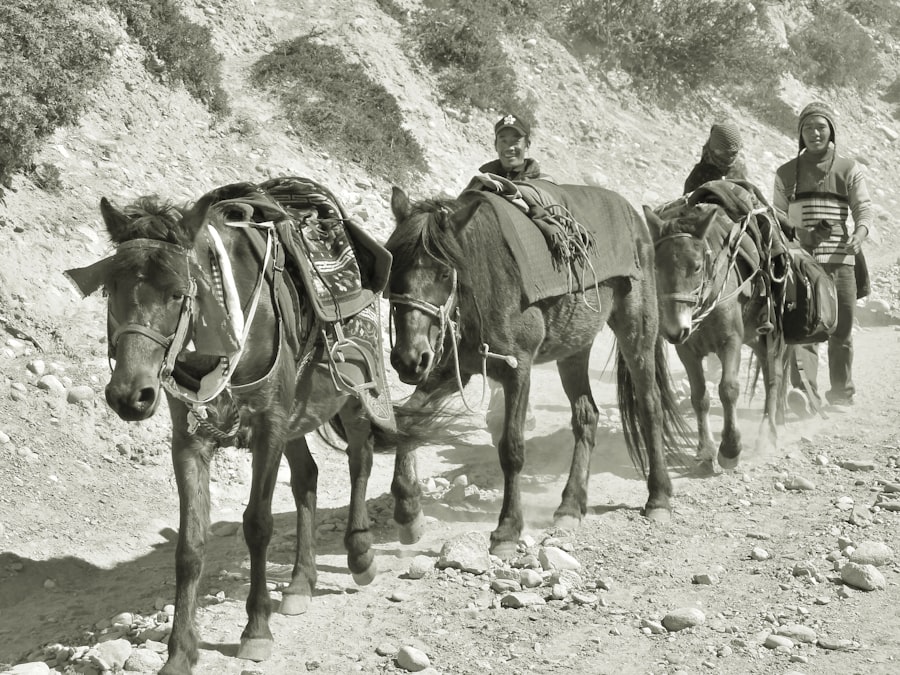
The nomadic lifestyle is not merely a matter of movement; it is a sophisticated system of adaptation and resilience forged over centuries in response to environmental challenges and resource scarcity. It embodies a profound understanding of the natural world and a commitment to communal living.
Mobility as a Survival Strategy
The defining characteristic of nomadic life is mobility. This is not aimless wandering but a strategic response to the unpredictable nature of arid and semi-arid environments. Nomads move their livestock in search of fresh grazing, water sources, and relief from extreme weather conditions. This constant movement allows them to maximize the utilization of vast but often sparse resources, preventing overgrazing in any single area and ensuring the long-term sustainability of their pastoral economy.
Seasonal Migrations (Transhumance)
Transhumance, the seasonal movement of livestock between different pastures, is a cornerstone of nomadic survival. During the rainy season, herds may graze on higher ground or more distant pastures. As the dry season approaches and water sources dwindle, they migrate to areas where water is more accessible, often closer to permanent waterholes or riverbeds. This cyclical movement is deeply ingrained in the nomadic calendar and is guided by the knowledge of generations.
The Art of Reading the Land and Sky
Nomads possess an extraordinary ability to interpret environmental cues. They can predict weather patterns by observing cloud formations, wind direction, and animal behavior. They understand the subtle signs of the land – the type of vegetation, the presence of insects, the tracks of animals – to locate water and fertile grazing grounds. This intimate knowledge, passed down through oral traditions and direct experience, is as vital to their survival as any tool or technology.
Livestock as the Heartbeat of Nomadic Existence
For nomadic communities, livestock are far more than just a source of food; they are the very foundation of their existence, their wealth, their social status, and their cultural identity. The health and prosperity of their animals directly translate to the well-being of the entire community.
Economic Significance of Livestock
Livestock provide milk, meat, and hides, forming the basis of the nomadic diet and economy. Surplus animals can be traded for essential goods such as grains, salt, and manufactured items. Wealth is often measured in the number and quality of animals owned, influencing an individual’s social standing and marriage prospects. The breeding and management of specific animal breeds, adapted to local conditions, is a highly valued skill.
Cultural and Social Importance of Animals
Beyond their economic utility, animals hold deep cultural and symbolic significance. Cattle, for example, are often central to marriage ceremonies, dowries, and rituals of reconciliation. Songs, poems, and proverbs frequently feature animals, reflecting their integral role in nomadic cosmology and daily life. The herding of animals also instills values of responsibility, patience, and communal cooperation.
Shelter and Material Culture: Adapting to a Mobile Life
The material culture of nomadic communities is characterized by its practicality, portability, and ingenuity, designed to facilitate a mobile existence while providing essential shelter and comfort.
Traditional Dwellings and Their Adaptability
Nomadic dwellings are typically portable and easy to assemble and disassemble. In many parts of Sudan, these include tents made from animal hides, woven mats, or canvas. The design of these shelters often incorporates elements that provide insulation from heat and protection from wind and rain. The specific materials and construction techniques vary depending on the local environment and available resources. For example, the tents of the Beja in the rocky east might differ in construction from those of the Kababish in the open plains.
Tools, Utensils, and Personal Adornments
The tools and utensils used by nomads are functional and designed for durability and portability. This includes cooking pots, water containers, knives, and implements for animal husbandry. Personal adornments, while seemingly decorative, often carry cultural significance, indicating status, lineage, or marital status. Intricate beadwork, metal jewelry, and traditional hairstyles are important elements of nomadic cultural expression.
Challenges and Opportunities in the Modern Era

The traditional nomadic way of life in Sudan faces numerous challenges in the 21st century, exacerbated by environmental degradation, political instability, and the encroaching pressures of modernization. However, these challenges also present opportunities for adaptation and the potential for a more sustainable future.
Environmental Degradation and Climate Change
Desertification, soil erosion, and unpredictable rainfall patterns pose significant threats to nomadic livelihoods. Overgrazing, coupled with the impacts of climate change, reduces the availability of pasture and water, forcing more frequent and longer migrations. This can lead to increased competition for scarce resources, sometimes igniting conflicts between different communities. The changing climate directly impacts the health of livestock, leading to economic losses and food insecurity.
Water Scarcity and its Impact on Herds and Communities
Access to water is paramount for both nomadic communities and their livestock. The drying up of traditional water sources, due to drought or overuse, forces difficult decisions about migration routes and herd management. The struggle for water can be a source of tension and conflict, both within and between different groups.
The Threat of Desertification and Loss of Grazing Lands
The expansion of deserts and the degradation of fertile grazing lands shrink the available resources for nomadic herders. This forces them to move into new areas, often increasing pressure on already fragile ecosystems. Efforts to combat desertification, such as afforestation and sustainable land management practices, are crucial for the long-term survival of nomadic pastoralism.
Socio-Political Factors and Shifting Dynamics
Sudan’s complex socio-political landscape has a profound impact on nomadic communities. Government policies, land tenure issues, and the legacy of conflict can disrupt traditional migratory routes and undermine customary governance structures.
Land Tenure and Resource Rights
The traditional understanding of land use among nomadic communities often differs from modern concepts of land ownership. Disputes over access to grazing lands and water sources are common, particularly as agricultural expansion encroaches on traditional nomadic territories. Ensuring secure access to resources and respecting customary land rights are crucial for peace and stability.
The Impact of Conflict and Displacement
Years of conflict in various regions of Sudan have led to widespread displacement of nomadic populations, disrupting their way of life and severing their connection to ancestral lands. The loss of livestock, the breakdown of social networks, and the trauma of displacement have had devastating consequences for many nomadic communities. Rebuilding their livelihoods and facilitating their safe return to their traditional areas are significant challenges.
Opportunities for Sustainable Development and Cultural Preservation
Despite the challenges, there are emerging opportunities to support nomadic communities and ensure the preservation of their unique cultures. Recognition of their traditional knowledge, integration into development planning, and support for sustainable practices are key to their future.
Leveraging Traditional Knowledge for Modern Solutions
Nomadic communities possess invaluable traditional knowledge about livestock management, ecological sustainability, and resource utilization. This knowledge can be integrated with modern scientific approaches to develop more effective and contextually appropriate solutions for environmental challenges and agricultural development.
The Role of Technology and Innovation
Technology can play a role in supporting nomadic livelihoods, from improved weather forecasting and early warning systems to mobile health services and market access for livestock products. Innovations in animal husbandry and water management can also enhance resilience. However, it is crucial that such technologies are introduced in a way that complements, rather than replaces, traditional practices and respects cultural sensitivities.
Cultural Tourism and Economic Empowerment
Responsible cultural tourism, that respects the traditions and privacy of nomadic communities, can provide economic opportunities and generate revenue for community development. This can help empower communities and offer an alternative to traditional livelihoods that are increasingly threatened by environmental and economic pressures. By showcasing their rich heritage, nomadic communities can gain recognition and support for their unique way of life.
Ancient nomadic communities in Sudan have long fascinated researchers due to their unique adaptation to the harsh environments of the region. These groups developed intricate social structures and resource management techniques that allowed them to thrive despite the challenges of their surroundings. For a deeper understanding of how logistical advantages can influence community development, you might find it interesting to explore this article on manufacturing efficiencies in different contexts. The insights gained from such studies can shed light on the broader implications of resource management in ancient societies. You can read more about it here.
The Future of Nomadic Life in Sudan: A Call for Understanding and Support
| Community | Location | Livelihood | Artifacts |
|---|---|---|---|
| Butana Group | Eastern Sudan | Pastoralism | Pottery, stone tools |
| Meroitic Kingdom | Northern Sudan | Agriculture, trade | Pyramids, temples |
| Nubian Nomads | Western Sudan | Pastoralism, hunting | Ceramics, rock art |
The exploration of Sudan’s ancient nomadic communities reveals a profound story of human resilience, adaptation, and a deep connection to the land. These communities are not relics of the past but living embodiments of traditions that have sustained human populations for millennia. Their future, however, is precarious, dependent on a delicate balance between the preservation of their ancestral ways and their ability to navigate the complexities of the modern world.
A deeper understanding of their challenges and aspirations is crucial. Recognizing the value of their traditional knowledge, respecting their rights to land and resources, and supporting their efforts towards sustainable development are not merely acts of charity but essential steps towards ensuring the cultural and ecological richness of Sudan. The nomadic communities of Sudan represent a vital part of the nation’s identity and a testament to the enduring human spirit. Their continued existence, in a way that honors their heritage and provides them with a dignified future, is a responsibility that extends beyond their own communities to the broader Sudanese society and the global community that benefits from the diversity of human experience. By fostering an environment of respect, understanding, and collaboration, Sudan can ensure that the echoes of its ancient nomadic heritage continue to resonate for generations to come.

260 Ancient Graves Were Hiding in This “Empty” Desert
FAQs
What is the history of ancient nomadic communities in Sudan?
Ancient nomadic communities in Sudan have a long history dating back thousands of years. These communities were known for their mobility and reliance on herding animals for sustenance. They played a significant role in the cultural and economic landscape of Sudan.
What were the main characteristics of ancient nomadic communities in Sudan?
Ancient nomadic communities in Sudan were characterized by their mobile lifestyle, dependence on herding livestock such as camels, goats, and sheep, and their ability to adapt to the harsh desert environment. They often moved in search of water and pasture for their animals.
How did ancient nomadic communities in Sudan contribute to the region’s economy and culture?
Ancient nomadic communities in Sudan played a crucial role in the region’s economy by supplying livestock products such as meat, milk, and hides. They also contributed to the cultural diversity of Sudan through their unique traditions, language, and social structures.
What challenges did ancient nomadic communities in Sudan face?
Ancient nomadic communities in Sudan faced various challenges, including environmental pressures such as drought and desertification, as well as political and social changes that affected their traditional way of life. Additionally, conflicts with settled communities and government policies posed significant challenges.
What is the legacy of ancient nomadic communities in Sudan today?
The legacy of ancient nomadic communities in Sudan can still be seen in the country’s cultural diversity, traditional practices, and the resilience of nomadic lifestyles. While many have transitioned to settled living, some nomadic communities continue to maintain their traditional way of life, contributing to Sudan’s rich cultural heritage.