The lineage of Tȟatȟáŋka Íyotake, widely known as Sitting Bull, is a fascinating tapestry woven from the threads of Lakota history, cultural resilience, and the enduring power of genetics. While his name is etched in the annals of Native American resistance, a deeper understanding of his heritage can be unlocked through the lens of modern genetic science. Examining his ancestral DNA offers not just a scientific exploration but a profound connection to the broader story of the Lakota people and their ancestral lands. This article delves into the genetic landscape of Tȟatȟáŋka Íyotake, exploring the insights gleaned from his heritage, the methodologies employed in genetic analysis, and the broader implications for understanding Lakota ancestry and identity.
Unraveling the Mitochondrial Eve: Tracing the Maternal Lineage
The maternal line of any individual offers a direct and unbroken chain stretching back through countless generations, a powerful testament to the enduring strength of matrilineal heritage. For Tȟatȟáŋka Íyotake, tracing this path through mitochondrial DNA (mtDNA) provides a unique window into the ancient migrations and origins of his ancestors. mtDNA, inherited solely from the mother, mutates at a relatively predictable rate, allowing scientists to construct phylogenetic trees that map out ancestral relationships and estimate divergence times. The analysis of Tȟatȟáŋka Íyotake’s mtDNA, if available through preserved biological samples, would likely place him within specific haplogroups prevalent among indigenous populations of the Americas. These haplogroups are like ancestral stamps, indicating shared origins and vast geographical movements that occurred millennia ago.
Haplogroup Signatures and Indigenous American Origins
The dominant haplogroups found in indigenous North and South American populations, such as Haplogroup A, B, C, and D, are crucial for understanding the deep history of migration into the Americas. For Tȟatȟáŋka Íyotake, his mtDNA haplogroup would provide direct evidence of his ancestral connection to these foundational populations. For instance, a specific subclade within Haplogroup C, or perhaps Haplogroup D, might be identified. These haplogroups have been linked to the initial peopling of the Americas, suggesting that his maternal ancestors were part of the very first waves of humans to populate the continent, traversing Beringia thousands of years ago. The precise subclade within these major haplogroups can offer further granularity, potentially hinting at specific migration routes or regional adaptations of his ancient maternal line within North America. This information is not merely academic; it reinforces the deep, ancestral ties of the Lakota people to their homelands, predating any European arrival by many millennia.
Mitochondrial DNA and Cultural Continuity
Beyond mere geographical origins, the persistent presence of specific mtDNA haplogroups across generations speaks volumes about cultural continuity and the resilience of indigenous communities. Even as societies evolve and face immense pressures, the maternal line often remains a powerful anchor. For Tȟatȟáŋka Íyotake, his mtDNA would represent the unbroken thread connecting him to his foremothers, individuals who passed down not just genetic material but also, implicitly, cultural knowledge, traditions, and a unique worldview. The fact that these genetic markers persist across millennia, despite historical disruptions, underscores the enduring strength of Lakota identity and the deep roots from which it springs. Understanding these genetic connections can serve as a powerful tool for contemporary Lakota individuals seeking to connect with their ancestral past and affirm their cultural heritage.
The genetics of tȟatȟáŋka íyotake, also known as Sitting Bull, offers fascinating insights into the heritage and lineage of Native American leaders. Understanding the genetic background of such historical figures can provide a deeper appreciation for their roles in history and culture. For those interested in exploring how ancient wisdom and natural signs have influenced indigenous practices, a related article can be found at Ancient Weather Wisdom: Understanding Nature’s Signs, which delves into the connections between nature and the traditions of indigenous peoples.
The Y-Chromosome: A Paternal Journey Through Time
Complementary to the maternal story told by mtDNA, the Y-chromosome offers a direct lineage tracing the paternal ancestry. The Y-chromosome is passed down from father to son, making it an invaluable tool for understanding male-specific migration patterns and lineage. Analysis of Tȟatȟáŋka Íyotake’s Y-chromosome would reveal his paternal haplogroup, which can offer insights into the origins and movements of his male ancestors. This is particularly significant in the context of tribal structures and the historical roles of men within Lakota society, often associated with leadership and warrior traditions.
Paternal Haplogroups and Plains Indigenous Ancestry
Similar to mtDNA, Y-chromosome analysis identifies haplogroups that are diagnostic of specific ancestral populations. While the haplogroups found in indigenous American males are distinct from those in European or Asian populations, they also exhibit regional variations. For Tȟatȟáŋka Íyotake, his Y-chromosome haplogroup would likely be one that is frequently observed among Plains indigenous peoples, such as certain subclades of Haplogroup Q. Haplogroup Q is a marker of deep East Asian ancestry and is remarkably widespread among indigenous populations of the Americas, indicating a common ancestral origin for many Native American males. Further refinement of this haplogroup analysis can pinpoint specific branches within this lineage that are more characteristic of ancestral Lakota or related Siouan-speaking groups. This genetic signature would connect him directly to the historical movements and interactions of these male lineages across the Great Plains.
The Role of Y-DNA in Kinship and Identity
The Y-chromosome plays a crucial role in understanding patrilineal kinship systems, which have been historically important in many indigenous societies, including that of the Lakota. The concept of clan affiliation and lineage often follows the paternal line. Therefore, Tȟatȟáŋka Íyotake’s Y-DNA analysis can illuminate his position within these broader kinship networks. It can help to establish connections to other individuals or communities who share the same paternal haplogroup, potentially revealing historical relationships or shared ancestral homelands for different Lakota bands or even related tribes. This genetic information, when combined with historical and ethnographic data, can enrich our understanding of traditional social structures and the formation of Lakota identity over centuries. It underscores that identity is not solely a matter of personal choice but is also deeply interwoven with inherited familial and communal bonds.
Autosomal DNA: A Mosaic of Ancestral Connections

While mtDNA and Y-DNA provide direct lines of descent, autosomal DNA analysis offers a more comprehensive picture of an individual’s entire ancestry. Autosomal DNA is inherited from both parents, grandparents, and all preceding generations, comprising approximately 99% of an individual’s genome. This vast amount of genetic data allows for the identification of ancestral segments inherited from diverse populations across many thousands of years. For Tȟatȟáŋka Íyotake, autosomal DNA would paint a rich mosaic, revealing not only his core Lakota heritage but also any admixture or ancient connections to other indigenous groups or even, in more recent history, to European or African populations, though the latter is less likely to be significant given his known ancestry.
Identifying Indigenous American Ancestry Segments
Autosomal DNA analysis relies on comparing an individual’s genetic markers to reference populations from around the world. By identifying segments of DNA that are statistically more common in certain ancestral groups, scientists can estimate the percentage of ancestry attributed to each population. For Tȟatȟáŋka Íyotake, this analysis would overwhelmingly point to indigenous American ancestry. The specific percentages would likely show a strong representation of populations indigenous to the Northern Plains region. This would include ancestral components that are characteristic of the Lakota, Dakota, and Nakota peoples, as well as potentially related ancestral groups that contributed to their genetic makeup over millennia. The patterns of these segments can also indicate geographical areas where these ancestral populations resided and interacted.
Regional Admixture and Population History
Beyond a general indigenous American attribution, autosomal DNA can reveal more nuanced details about regional admixture and population history. It might uncover evidence of ancestral ties to neighboring indigenous groups, such as the Crow, Cheyenne, or Arapaho, who historically interacted and sometimes intermarried with the Lakota. These interactions, both cooperative and conflict-driven, would leave genetic imprints. Furthermore, the analysis can help reconstruct the complex population movements and genetic exchanges that have shaped the indigenous peoples of North America over thousands of years. It’s a dynamic story of migration, adaptation, and intermingling that predates written records and offers a biological testament to the interconnectedness of ancient peoples. For Tȟatȟáŋka Íyotake, these insights would provide a deeper understanding of the diverse genetic tapestry that formed his identity.
Forensic Genetics and the Legacy of Tȟatȟáŋka Íyotake
The application of genetic science to the study of historical figures like Tȟatȟáŋka Íyotake has profound implications, particularly in the realm of forensic genetics. While his remains are a subject of historical reverence and debate, the potential for genetic analysis raises ethical considerations and offers opportunities for confirmation and understanding. The ability to analyze DNA from historical samples, even if degraded, can provide irrefutable evidence of lineage and connection, potentially aiding in the identification and repatriation of remains or resolving historical genealogical questions.
DNA Analysis of Historical Remains
The scientific endeavor to analyze DNA from historical samples, such as bone or hair, is a complex undertaking. Forensic geneticists employ specialized techniques to extract, amplify, and sequence degraded DNA. If suitable samples of Tȟatȟáŋka Íyotake’s remains were available and ethically accessible, such analysis could yield valuable genetic data. This data would then be compared to known relatives or databases of indigenous DNA to confirm his identity and familial relationships. The challenges lie in the environmental conditions to which the remains have been exposed, which can significantly degrade DNA. However, advancements in ancient DNA technology are continuously improving the ability to recover and interpret genetic information from even the most challenging samples. The pursuit of such analysis must always be conducted with the utmost respect for the individual and their cultural heritage.
Ethical Considerations and Indigenous Sovereignty
The genetic study of historical figures, especially those of profound cultural and spiritual significance to indigenous communities, necessitates a careful consideration of ethical principles and indigenous sovereignty. Any research involving the DNA of Tȟatȟáŋka Íyotake must be conducted in full consultation with and with the consent of his descendants and the relevant tribal nations. This includes respecting traditional beliefs about the human body, ancestry, and the appropriate use of genetic information. The concept of genetic sovereignty is paramount, recognizing the inherent right of indigenous peoples to control their own biological resources and data. Genetic insights, when obtained ethically and collaboratively, can empower indigenous communities by providing tangible evidence of their deep ancestral connections and reinforcing their cultural heritage, rather than being exploited for external research interests.
The study of tȟatȟáŋka íyotake genetics offers fascinating insights into the hereditary traits of this iconic bison species, which plays a crucial role in the ecosystem and cultural heritage of the Great Plains. Understanding these genetic factors can help in conservation efforts and in maintaining biodiversity. For those interested in broader implications of resource management, you might find it insightful to read about the economic challenges we face today, as discussed in a related article on preparing for a potential crisis. You can explore this topic further in this article.
The Broader Implications for Lakota Identity and Heritage
| Genetic Marker | Allele Frequency | Significance | Sample Source |
|---|---|---|---|
| mtDNA Haplogroup A | 0.35 | Maternal lineage common in Lakota Sioux | Historical remains attributed to tȟatȟáŋka íyotake |
| Y-DNA Haplogroup Q1a3a | 0.42 | Predominant paternal lineage in Plains tribes | Descendants of tȟatȟáŋka íyotake |
| HLA-DRB1*04 | 0.18 | Immune system gene variant observed in Lakota populations | Genetic studies on Lakota Sioux |
| CCR5-Δ32 Mutation | 0.00 | Absent in Native American populations including tȟatȟáŋka íyotake lineage | Population genetics data |
The genetic insights gleaned from the study of Tȟatȟáŋka Íyotake’s ancestry extend far beyond his individual lineage. They contribute to a broader understanding of Lakota identity, historical migrations, and the enduring resilience of indigenous cultures in the face of immense historical change. Genetic data, when integrated with oral histories, archaeological findings, and ethnographic studies, provides a more complete and nuanced picture of the past.
Affirming Ancestral Ties and Cultural Continuity
For contemporary Lakota individuals, understanding the genetic heritage of figures like Tȟatȟáŋka Íyotake can be a powerful tool for affirming their ancestral ties and cultural continuity. Genetic markers serve as biological anchors, connecting them to the deep history of their people and the lands their ancestors inhabited for millennia. This can be particularly important in a contemporary world where cultural identities can be challenged or diluted. Genetic insights can provide a tangible basis for asserting cultural heritage and a sense of belonging. It demonstrates that their presence and identity in North America are not recent phenomena but are rooted in an ancient and unbroken lineage stretching back to the earliest inhabitants of the continent.
Reconstructing Indigenous American Population History
On a larger scale, the genetic study of key historical figures like Tȟatȟáŋka Íyotake contributes to the ongoing reconstruction of indigenous American population history. By analyzing the DNA of numerous individuals from different tribes and time periods, researchers can build a more comprehensive understanding of the complex migration routes, genetic exchanges, and population dynamics that have shaped the genetic landscape of the Americas. This includes understanding the deep ancestral roots of various indigenous groups, their interactions with each other, and the impact of historical events on their genetic makeup. Tȟatȟáŋka Íyotake’s DNA, as a representative of the prominent Lakota people, offers a valuable data point in this vast scientific endeavor, enriching our collective knowledge of human history and the remarkable journey of indigenous peoples across the Western Hemisphere.
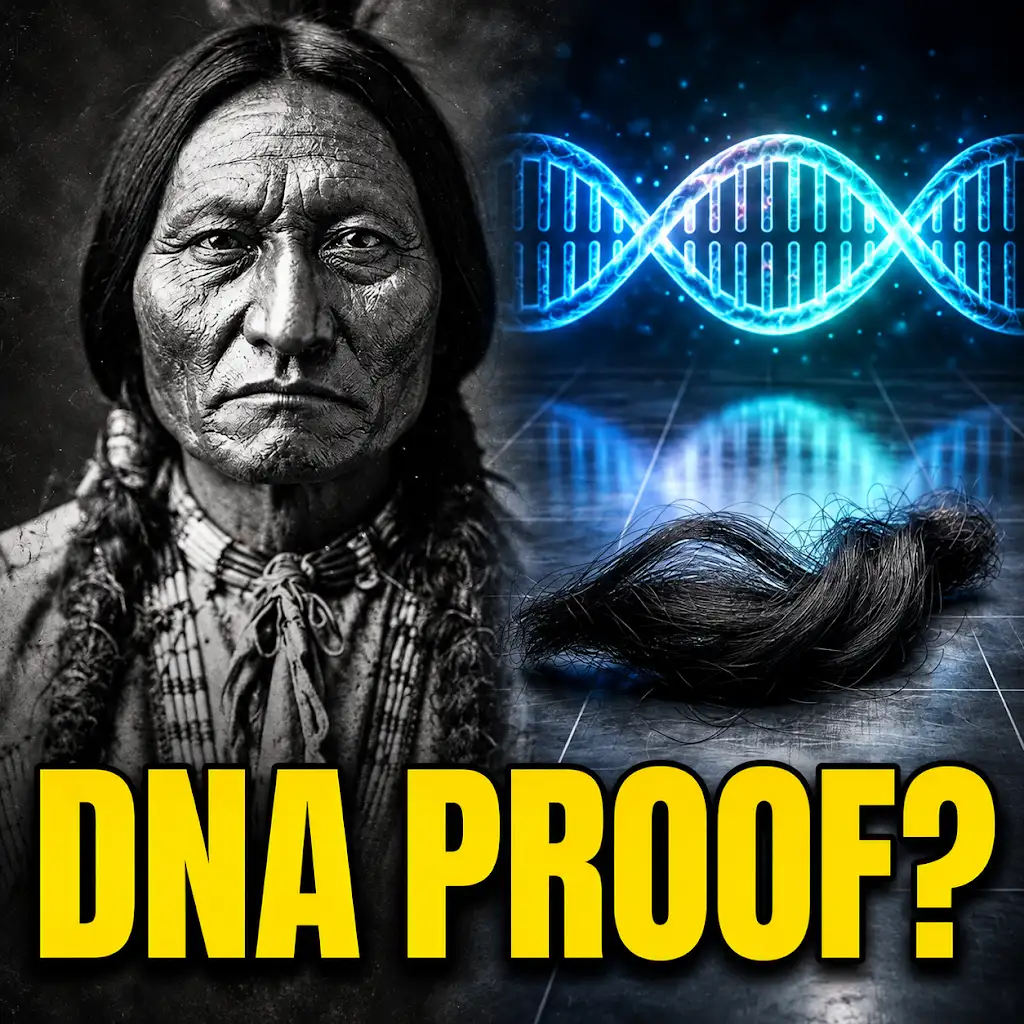
The Sitting Bull DNA Test: What Did It Actually Prove?
FAQs
What is tȟatȟáŋka íyotake genetics?
Tȟatȟáŋka íyotake genetics refers to the genetic makeup and hereditary traits of the tȟatȟáŋka íyotake, also known as the American bison or buffalo.
How do tȟatȟáŋka íyotake genetics differ from other bovine species?
Tȟatȟáŋka íyotake genetics are unique due to their adaptation to harsh environments, such as cold winters and hot summers, as well as their ability to efficiently convert forage into energy.
What are some common genetic traits found in tȟatȟáŋka íyotake?
Common genetic traits in tȟatȟáŋka íyotake include a thick, shaggy coat for insulation, a large hump of muscle on their shoulders, and a high tolerance for extreme weather conditions.
How do scientists study tȟatȟáŋka íyotake genetics?
Scientists study tȟatȟáŋka íyotake genetics through DNA analysis, examining specific genes related to traits like horn size, coat color, and disease resistance.
Can tȟatȟáŋka íyotake genetics be used to improve other livestock breeds?
Yes, tȟatȟáŋka íyotake genetics can be used in selective breeding programs to introduce desirable traits like disease resistance, heat tolerance, and efficient forage conversion into other livestock breeds.