
The sprawling archaeological landscape of Taş Tepeler, a region in southeastern Turkey, is yielding some of the most profound insights into the dawn of human civilization. This vast network of Neolithic settlements, collectively known as the “Stone Hills,” represents a critical juncture in human history, a period when hunter-gatherer societies began to transform into settled agricultural communities. The ongoing excavations and meticulous research within Taş Tepeler are not merely unearthing ancient structures; they are rewriting our understanding of early human ingenuity, social organization, and spiritual beliefs. The sheer scale and sophistication of these sites challenge long-held assumptions about the Neolithic Revolution, pushing the timeline of complex societal development further back than previously imagined. This article delves into the captivating world of Taş Tepeler, exploring its remarkable discoveries and their profound implications for our comprehension of humanity’s journey.
The Neolithic period, often referred to as the New Stone Age, marks a pivotal transformation in human history, characterized by the adoption of agriculture and the subsequent development of settled lifestyles. The sites within Taş Tepeler offer an unparalleled window into this revolutionary shift, showcasing early examples of permanent settlements and the emergent practices that defined this era. The sheer concentration of these settlements within a relatively confined geographic area suggests a rapid and widespread adoption of new ways of living.
The Dawn of Agriculture: Evidence of Early Cultivation
One of the most significant aspects of Taş Tepeler’s contribution to our understanding of the Neolithic Revolution lies in the tangible evidence of early agricultural practices. Excavations have revealed the remains of domesticated plants and animals, indicating a deliberate and systematic shift away from reliance on hunting and gathering.
Cereal Grains and Their Cultivation
Archaeologists have discovered seeds and plant remains of early domesticated cereals, such as emmer wheat and barley, at numerous Taş Tepeler sites. The analysis of these remains, often found within hearths and storage pits, provides direct evidence of deliberate cultivation. Furthermore, the presence of specific weed species often associated with cultivated fields suggests that these early farmers were actively managing their crops. The careful selection and propagation of these grain species represent a fundamental change in human subsistence strategies, laying the groundwork for sedentary life.
The Domestication of Animals
Alongside plant domestication, evidence of animal husbandry is also abundant. The skeletal remains of domesticated animals, including sheep, goats, and cattle, have been identified. These findings, when compared to the remains of their wild ancestors, show morphological changes consistent with selective breeding by humans. This process of animal domestication would have provided a more stable and predictable source of food, protein, and other resources, further reducing the need for nomadic hunting.
The Emergence of Permanent Settlements: From Camps to Villages
The adoption of agriculture necessitated a more sedentary lifestyle, leading to the development of permanent settlements. Taş Tepeler is home to some of the earliest and most extensive examples of such settlements, demonstrating a significant departure from the ephemeral camps of hunter-gatherer societies.
Village Layout and Architecture
The excavated remains reveal planned village layouts, with houses often built in close proximity to one another. The architectural styles, while varied across different sites and time periods, generally show a move towards more durable construction techniques. Mudbrick and stone were commonly employed, suggesting a commitment to long-term habitation. The organization of these early villages provides insights into the nascent stages of social organization and community living.
Storage and Resource Management
The development of permanent settlements also necessitated sophisticated methods of storing and managing food resources. The presence of numerous storage pits and granaries within these settlements points to the successful surplus production of agricultural goods. This ability to store food allowed communities to weather lean periods and support a larger, more stable population. The careful planning of these storage facilities reflects a growing understanding of resource management and foresight.
The Taş Tepeler Neolithic sites, known for their remarkable archaeological significance, provide invaluable insights into early human civilization and their adaptation to changing environments. A related article that delves into the broader context of ancient human interactions with climate is titled “Uncovering the Secret Inscription of Ancient Climate.” This piece explores how ancient societies, much like those at Taş Tepeler, responded to climatic shifts and the implications for their survival and development. For more information, you can read the article here: Uncovering the Secret Inscription of Ancient Climate.
Göbeklitepe: The Precursor to Civilization?
Perhaps the most sensational discovery within the Taş Tepeler region is Göbeklitepe, a sprawling complex of megalithic structures that predates established timelines for monumental architecture and complex societal organization. Its existence challenges fundamental assumptions about the capabilities of early Neolithic societies.
The Enigmatic Pillars of Göbeklitepe
Göbeklitepe is renowned for its massive T-shaped limestone pillars, many of which are intricately carved with depictions of animals. These pillars, some weighing several tons, were erected by hunter-gatherer communities thousands of years before the advent of agriculture. The sheer effort and organization required to quarry, transport, and erect these monoliths are astounding.
Artistic Depictions and Symbolism
The carvings on the pillars are a rich source of information about the beliefs and worldview of the people who built Göbeklitepe. The animals depicted—lions, boars, foxes, cranes, and serpents—are believed to hold symbolic meaning, though their exact interpretation remains a subject of ongoing research and debate. The artistry displayed in these carvings is sophisticated and suggests a developed aesthetic sensibility.
Ritual and Social Significance
The purpose of Göbeklitepe is still largely a mystery, but prevailing theories suggest it was a ritualistic or ceremonial center. The scale and complexity of the site, coupled with the absence of clear evidence of permanent habitation, point towards a gathering place for people from surrounding areas. It may have served as a focal point for religious ceremonies, communal gatherings, and the transmission of knowledge and traditions.
The Unraveling Timeline: Göbeklitepe and the Neolithic Revolution
The radiocarbon dating of Göbeklitepe places its construction and use in the Pre-Pottery Neolithic period, dating back to the 10th millennium BCE. This means that its construction predates the generally accepted timeline for the development of complex societies and monumental architecture by thousands of years.
Challenging Established Paradigms
The existence of Göbeklitepe forces a re-evaluation of the prevailing model of the Neolithic Revolution. It suggests that complex social organization, symbolic thought, and large-scale communal projects may have emerged before or concurrently with the widespread adoption of agriculture, rather than being solely a consequence of it. This challenges the traditional view that agriculture was the primary driver of societal complexity.
The Role of Hunter-Gatherers in Monumental Construction
Göbeklitepe demonstrates that even hunter-gatherer societies possessed the capacity for remarkable feats of engineering and artistic expression. This challenges the notion that such capabilities were exclusive to settled agricultural communities. The energy and resources required to build and maintain Göbeklitepe imply a high degree of social cohesion and cooperation among these early groups.
Karahan Tepe: A Flourishing Neolithic Community

Karahan Tepe, another significant site within Taş Tepeler, provides crucial insights into the daily lives and social structures of a flourishing Neolithic community. While perhaps less enigmatic than Göbeklitepe, its well-preserved remains offer a detailed glimpse into the development of settled life.
Residential Structures and Domestic Life
Excavations at Karahan Tepe have revealed well-preserved residential structures, offering a direct look into the domestic arrangements of Neolithic people. The houses are typically rectangular and built of stone and mudbrick, with evidence of hearths and interior features.
House Design and Construction
The architectural design of the houses at Karahan Tepe reflects a pragmatic approach to living. They are often interconnected or built in close proximity, suggesting a sense of community and shared living spaces. The construction techniques employed demonstrate a mastery of local building materials.
Evidence of Daily Activities
Within the houses and surrounding areas, archaeologists have found a wealth of artifacts that illuminate daily activities. These include stone tools for processing food, grinding grain, and crafting other necessary items. Pottery fragments, although not as prevalent as in later periods, have also been found, indicating the early adoption of ceramic technology.
Public Spaces and Communal Activities
Beyond residential areas, Karahan Tepe also reveals evidence of communal spaces and organized activities that underscore the social fabric of the settlement.
Communal Hearths and Gathering Areas
The presence of large, communal hearths and open spaces within the settlement suggests areas where the community would gather for shared meals, social interaction, and possibly communal decision-making. These spaces would have played a vital role in fostering social cohesion and identity.
Evidence of Craft Production and Specialization
Artifacts found at Karahan Tepe suggest that certain craft production activities may have been specialized within the community. The discovery of workshops and tools related to specific crafts, such as lithic tool manufacturing or bone working, indicates a level of labor division and skill development.
Other Significant Sites within Taş Tepeler: Expanding the Picture
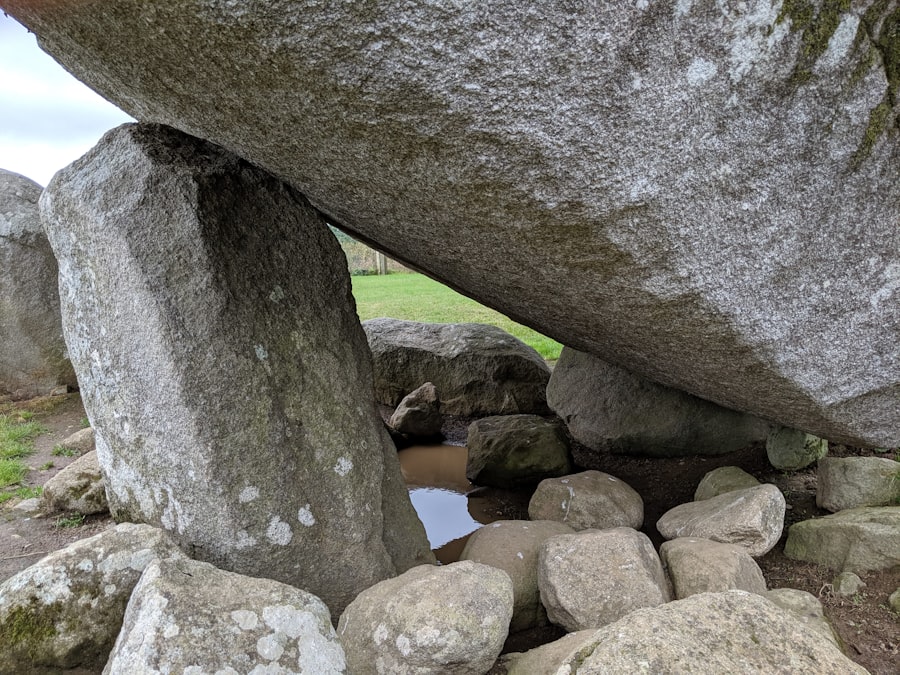
The Taş Tepeler region encompasses a multitude of archaeological sites, each contributing unique pieces to the intricate puzzle of Neolithic life. Exploring these other sites further enriches our understanding of the diversity and interconnectedness of these ancient communities.
New Evidence from Sites like Sayburç and Çakmaktepe
Beyond the prominent Göbeklitepe and Karahan Tepe, numerous other mounds and settlements are being investigated within Taş Tepeler, revealing further layers of information.
Sayburç: Early Artistic Expression and Social Structures
Sayburç, for instance, has yielded impressive stone reliefs and sculptures that offer further insights into the artistic traditions and potentially the social or religious beliefs of its inhabitants. The careful arrangement of these artistic elements within the site suggests a deliberate effort to convey meaning and organize communal understanding.
Çakmaktepe: Insights into Agricultural Practices and Settlement Patterns
Çakmaktepe and other smaller mounds are contributing to a more granular understanding of settlement patterns and the evolution of agricultural practices across the region. The analysis of soil samples and the identification of various plant and animal remains at these sites help to build a more comprehensive picture of subsistence strategies.
Interconnectivity and Cultural Exchange
The proximity and distribution of these numerous sites suggest a significant degree of interconnectivity and potential cultural exchange between different communities within the Taş Tepeler region.
Trade Networks and Resource Distribution
The presence of similar tool types or raw materials at different sites could indicate established trade networks or the movement of people and goods across the landscape. This suggests a level of organization that extended beyond individual settlements.
Shared Beliefs and Ritual Practices
The recurring motifs in art and architecture, as well as similarities in burial practices (where evidence exists), might point towards shared belief systems and ritual practices that bound these communities together. This suggests a nascent form of regional identity.
The Taş Tepeler Neolithic sites, known for their significant archaeological findings, provide valuable insights into early human settlements and agricultural practices. A fascinating exploration of consumer behavior in different cultures can be found in a related article that discusses the rise of the Mexican consumer, highlighting how ancient practices may still influence modern economic trends. For more information, you can read the article here.
The Enduring Legacy of Taş Tepeler: Rewriting Human History
| Site Name | Location | Excavation Period | Neolithic Period |
|---|---|---|---|
| Taş Tepeler | Central Anatolia, Turkey | 1961-1963 | 7500-5700 BCE |
The ongoing exploration of Taş Tepeler is not just adding chapters to our history books; it is fundamentally reshaping our understanding of humanity’s journey from its earliest stages of complex development. The discoveries made here are prompting a paradigm shift in how we perceive the Neolithic Revolution and the capabilities of our ancient ancestors.
Rethinking the Pace and Nature of Social Complexity
The profound implications of Taş Tepeler lie in its demonstration that complex social organization, sophisticated belief systems, and monumental construction could arise in societies that were not yet fully agrarian. This challenges the long-held notion that agriculture was the sole or primary catalyst for the development of civilization.
The Role of Ideology and Social Cohesion
It is increasingly apparent that shared ideologies, collective rituals, and strong social cohesion may have played an equally, if not more, significant role in the emergence of these early complex societies. The construction of sites like Göbeklitepe, for example, would have required an immense level of cooperation and shared purpose.
The Interplay of Agriculture and Social Development
While agriculture undoubtedly played a crucial role in the long-term development of human societies, Taş Tepeler suggests a more nuanced interplay between the adoption of new subsistence strategies and the evolution of social and cultural practices. The relationship was likely more dynamic and reciprocal than previously understood.
A New Perspective on Humanity’s Origins
Taş Tepeler provides a vital and humbling new perspective on humanity’s origins. It reveals a past where ingenuity, spirituality, and a deep connection to the natural world were driving forces behind the creation of enduring monuments and complex societies.
The Power of Human Ingenuity
The sheer scale of achievement at sites like Göbeklitepe speaks volumes about the innate ingenuity and problem-solving capabilities of early humans, even without the benefit of advanced technology. Their ability to conceptualize, plan, and execute such ambitious projects is a testament to their intellectual prowess.
A Continuing Journey of Discovery
The exploration of Taş Tepeler is far from complete. Each season of excavation promises new revelations, pushing the boundaries of our knowledge and offering deeper insights into the lives, beliefs, and achievements of the people who laid the foundations for the world we inhabit today. The “Stone Hills” of southeastern Turkey continue to whisper secrets of our shared past, urging us to listen and learn from the profound legacy of these Neolithic wonders.

The World Beyond Göbekli Tepe Is Far Bigger Than We Thought
FAQs
What are Taş Tepeler Neolithic sites?
Taş Tepeler Neolithic sites are a group of archaeological sites located in Turkey, dating back to the Neolithic period, around 7500-5700 BCE. These sites are known for their well-preserved remains of early human settlements and artifacts.
Where are the Taş Tepeler Neolithic sites located?
The Taş Tepeler Neolithic sites are located in the Konya Plain of central Turkey. The sites are spread across an area of approximately 30 square kilometers and include various mounds and settlements.
What have archaeologists discovered at the Taş Tepeler Neolithic sites?
Archaeologists have uncovered a wide range of artifacts at the Taş Tepeler Neolithic sites, including pottery, tools, and evidence of early agricultural practices. The sites also contain the remains of houses and other structures, providing valuable insights into the daily lives of Neolithic people.
What is the significance of the Taş Tepeler Neolithic sites?
The Taş Tepeler Neolithic sites are significant for their contribution to our understanding of early human history and the development of agriculture. The well-preserved nature of the sites has allowed researchers to gain valuable insights into the social and economic organization of Neolithic communities.
Are the Taş Tepeler Neolithic sites open to the public?
Yes, the Taş Tepeler Neolithic sites are open to the public, and visitors can explore the archaeological remains and learn about the history of the area. However, it is important to respect the sites and follow any guidelines or restrictions set by local authorities or archaeological teams.