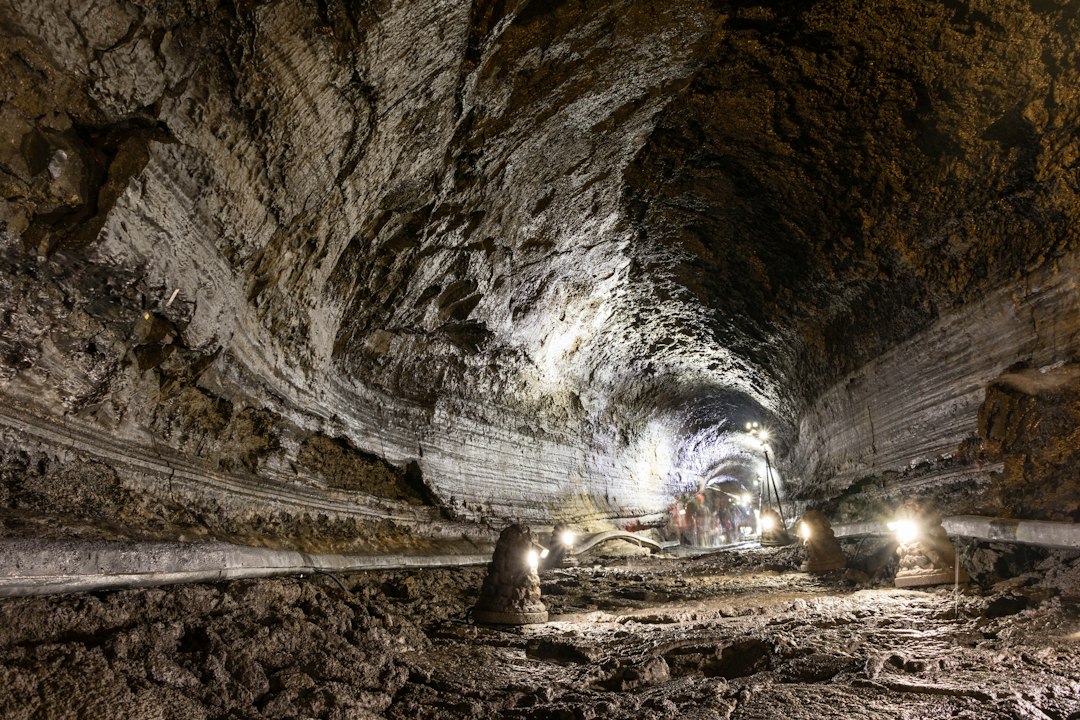
Exploring the Ancient Persian Water Tunnels
The arid expanse of Iran, a land steeped in millennia of history and culture, holds within its sun-baked embrace a marvel of ancient engineering: the qanat system. These subterranean water channels, known as kariz or qanat, are not mere ditches dug into the earth; they are sophisticated, intricate networks designed to capture, transport, and distribute water from distant mountain springs and underground aquifers to the parched plains where life and agriculture depended on their bounty. Embarking on an exploration of these ancient Persian water tunnels is to step back in time, to witness the ingenuity and perseverance of a civilization that mastered its environment and left behind a legacy that continues to sustain life today.
The creation of the qanat system was not a spontaneous event but a gradual evolution driven by the harsh realities of life in an arid climate. The necessity for a reliable and sustainable water source in regions receiving minimal rainfall spurred innovation, leading to the development of this extraordinary subterranean infrastructure.
Understanding the Arid Climate of Persia
Ancient Persia, encompassing vast swathes of what is modern-day Iran, is characterized by its predominantly arid and semi-arid climate. Large portions of the plateau receive less than 200 millimeters of rainfall annually, making surface water sources unreliable and seasonal. The scarcity of readily available water posed a constant challenge for settled communities, agriculture, and the development of urban centers. Early attempts to access water likely involved shallow wells, but these were often insufficient to meet growing demands and were susceptible to drying up during prolonged droughts. The desire for a more dependable and consistent water supply was a powerful impetus for seeking more advanced solutions.
Early Water Management Techniques
Before the widespread adoption of the qanat system, ancient Persians likely employed a range of rudimentary water management techniques. These might have included the construction of small dams and reservoirs to capture ephemeral floodwaters, the digging of cisterns to store rainwater, and the use of traditional irrigation methods that relied on the direct diversion of river or stream flow. While these methods provided some relief, they were often inefficient, prone to evaporation, and limited in their capacity to serve larger populations or sustain extensive agricultural activities. The inherent limitations of these surface-based approaches underscored the need for a system that could protect water from evaporation and deliver it consistently over long distances.
The Birth of Subterranean Engineering
The conceptual leap that led to the qanat system was the realization that water could be accessed from underground sources and channeled to the surface through gravity. This groundbreaking idea likely emerged from observing natural springs and seeps that emerged from hillsides. The challenge then became how to tap into these underground water tables more effectively and transport the water to where it was needed, often miles away. This required a deep understanding of geology, hydrology, and the principles of gravity-powered flow. The development of the qanat was a testament to the observational skills and practical wisdom of these ancient peoples, who learned to work with, rather than against, the natural forces of their environment.
The fascinating engineering of Persian underground water tunnels, known as Qanats, showcases the ingenuity of ancient civilizations in managing water resources in arid regions. For those interested in exploring similar themes of hidden structures and their significance, a related article delves into the mysterious underground systems of Antarctica. This article, titled “Unveiling Antarctica’s Hidden Secrets,” offers insights into the hidden world beneath the ice, drawing intriguing parallels to ancient water management techniques. You can read more about it here: Unveiling Antarctica’s Hidden Secrets.
The Anatomy of a Qanat: A Masterpiece of Ancient Engineering
The construction and operation of a qanat are remarkably sophisticated, showcasing an intimate understanding of geological principles and the physics of water flow. Each component plays a vital role in the system’s remarkable efficiency and longevity.
The Mother Well (Chah-e Madar)
At the origin of every qanat lies the “mother well,” or chah-e madar. This is the deepest and often the largest vertical shaft, strategically dug into the bedrock at the highest point of the water table or near the source of springs in mountainous regions. The mother well serves as the primary access point to the underground aquifer and the starting point for the horizontal tunnel. Its depth is crucial for establishing the necessary gradient for the water to flow by gravity. The digging of the mother well was a particularly arduous task, requiring significant labor and technical expertise to penetrate often hard rock layers.
The Vertical Access Shafts (Chah-ha)
Radiating from the mother well, a series of shallower vertical shafts, known as chah-ha, descend at regular intervals. These shafts serve multiple critical functions. Firstly, they allow for the excavation of the main horizontal tunnel, providing ventilation and a means to remove excavated soil. Secondly, they enable regular maintenance and inspection of the tunnel, crucial for ensuring the continuous flow of water. The spacing of these shafts was carefully calculated, balancing the need for access with the desire to minimize excavation effort and potential points of leakage. The visible circles of these shafts dotting the landscape are a ubiquitous sign of the qanat system’s presence.
The Horizontal Tunnel (Qanat)
The heart of the qanat is the gently sloping horizontal tunnel, also referred to as the qanat itself. This tunnel connects the mother well to the destination point, typically an agricultural area or a settlement. The gradient of this tunnel is meticulously engineered – shallow enough to allow gravity to move the water, but not so steep as to cause erosion or excessive velocity. The construction of this tunnel was a labor-intensive feat, often involving manual digging through soil, sand, and rock. The precision required to maintain a consistent and appropriate slope over several kilometers is a testament to the skill of the ancient engineers. The inner lining of the tunnels, often reinforced with brick or stone, helped prevent collapses and minimize water loss through seepage.
The Distribution Point (Asiab) and Sar-e Qanat
The qanat culminates at the surface in a distribution point, often called the asiab or sar-e qanat. Here, the water emerges from the ground, usually into a reservoir or a network of smaller irrigation channels. This is where the precious water is made available for use, whether for irrigating fields, filling cisterns, or supplying a village. The design of these distribution points varied, but they were always intended to efficiently manage and allocate the water. In some cases, the qanat’s flow was harnessed to power watermills, adding another layer of ingenuity to the system.
The Construction Process: A Monument to Human Endeavor
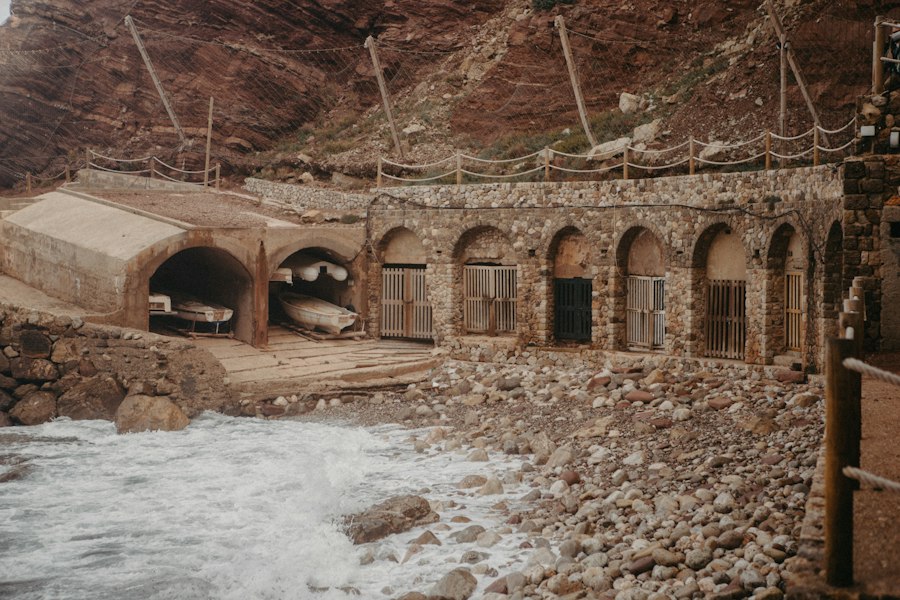
The creation of a qanat was a monumental undertaking, demanding immense human labor, specialized knowledge, and remarkable coordination. It was a process that could span years, even decades, and involved the dedication of entire communities.
Surveying and Planning
Before any digging began, meticulous surveying and planning were essential. Ancient engineers, likely using simple tools like plumb bobs, levels, and sighting instruments, would carefully determine the optimal location for the mother well to tap into the water table. They would then plot the course of the horizontal tunnel, calculating the necessary gradient to ensure water flow by gravity to the intended destination. This involved an understanding of topography and an ability to read the landscape to predict where water would be most accessible and where it could be most effectively delivered. The success of the entire project hinged on the accuracy of these initial calculations.
Excavation Techniques
The excavation of the qanat involved a combination of methods depending on the geological conditions. For softer soils, simple shovels and picks were used. In harder rock, more rudimentary tools like chisels and hammers, or even the controlled use of fire and water to fracture rock, might have been employed. The soil and rock removed from the horizontal tunnel were transported to the surface through the vertical access shafts. This was often done using baskets or buckets, hauled up by human or animal power. The sheer volume of material that had to be excavated and removed from miles of subterranean tunnels is staggering, highlighting the immense scale of human effort involved.
Reinforcement and Sealing
To prevent the tunnels from collapsing and to minimize water loss, reinforcement was a critical aspect of construction. In areas with unstable soil, tunnels were often lined with baked bricks, clay, or carefully fitted stones. The joining of these materials needed to be precise to create a watertight seal. Special attention was paid to sealing the connections between the vertical shafts and the horizontal tunnel, as these were potential points of leakage or collapse. The use of clay mortar was common to bind the building materials and prevent water from seeping into the surrounding earth.
Labor Organization and Community Involvement
The construction of a qanat was rarely a task undertaken by individuals alone. It was typically a community effort, with different groups or families responsible for specific sections or tasks. This fostered a strong sense of shared ownership and responsibility for the water source. Skilled artisans and laborers would work alongside farmers and villagers, pooling their knowledge and efforts. In some cases, the construction of a qanat might have been commissioned by rulers or wealthy landowners, who would then employ a large workforce. Regardless of the organizational structure, the success of the qanat was intrinsically linked to the collective endeavor and the social fabric of the communities it served.
The Socio-Economic Impact: Lifeblood of Ancient Societies
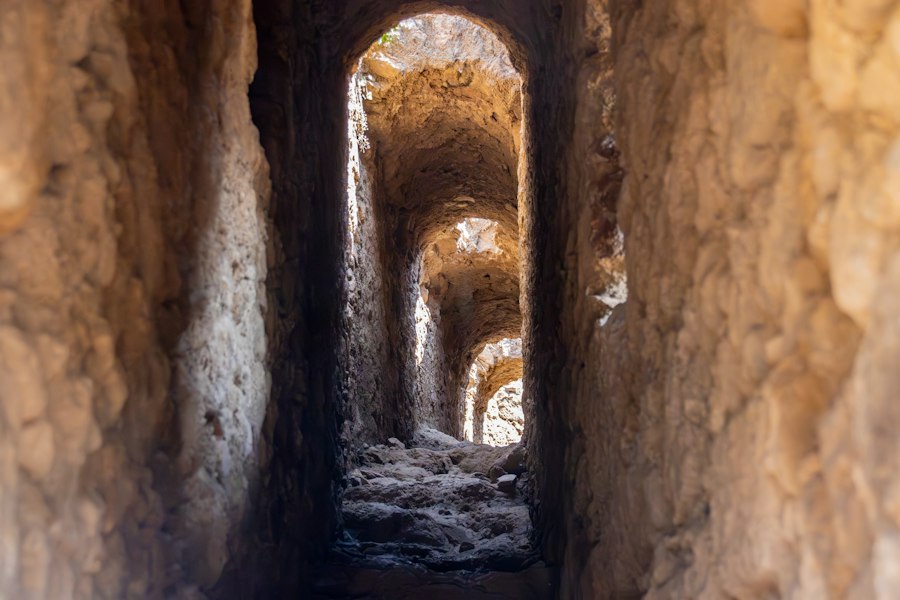
The qanat system was far more than just an engineering feat; it was the very foundation upon which ancient Persian societies were built and sustained. Its impact rippled through every aspect of life, from agriculture and urbanization to governance and trade.
Sustaining Agriculture in Arid Lands
The most profound impact of the qanat was its ability to make agriculture viable in regions that would otherwise be barren. By providing a consistent and reliable supply of water, qanats transformed arid landscapes into fertile farmlands. This allowed for the cultivation of staple crops like wheat, barley, and various fruits and vegetables, supporting a growing population. The predictable nature of qanat water contrasted sharply with the unpredictability of rainfall, allowing for more systematic and extensive farming practices. This agricultural surplus was crucial for the development of settled communities and the rise of complex societies.
The Growth of Urban Centers
The availability of water was a primary determinant of where settlements could thrive. Qanats were instrumental in the growth and expansion of ancient Persian cities and towns. As these urban centers developed, they required increasingly large and stable water supplies for drinking, sanitation, and other domestic needs. Qanats were extended and new ones were dug to meet these demands, effectively bringing water from miles away to irrigate the city gardens and supply its inhabitants. The prosperity and longevity of many ancient cities were directly tied to the qanats that fed them.
Governance and Water Rights
The management and distribution of water from qanats were often complex and highly regulated, giving rise to sophisticated systems of governance and water rights. Decisions about water allocation, maintenance responsibilities, and dispute resolution were crucial for maintaining social harmony. Councils of elders or appointed officials would often oversee the operation of qanats, ensuring that water was distributed fairly among users. The concept of shared responsibility for the upkeep of the qanat was deeply ingrained, and laws were often enacted to protect these vital resources and penalize those who tampered with them.
Trade and Economic Prosperity
The agricultural surplus generated by qanat irrigation fueled trade and economic prosperity. Surplus crops could be exchanged for goods not available locally, fostering economic growth and interdependence. The development of irrigation also allowed for the cultivation of specialized crops, which could become valuable trade commodities. Furthermore, the stability provided by a reliable water source contributed to overall societal stability, which in turn facilitated trade and economic development. The qanat system was thus a silent but powerful engine of economic progress.
The ancient Persian underground water tunnels, known as qanats, are a remarkable feat of engineering that have played a crucial role in the region’s agriculture and water management. These tunnels, which transport water from aquifers to the surface, reflect the ingenuity of ancient civilizations in arid environments. For those interested in exploring more about ancient engineering marvels, you can read about other wonders of the ancient world in this fascinating article on discovering the seven wonders of the ancient world. Understanding the significance of qanats within this broader context highlights the innovative spirit of our ancestors.
Preserving a Legacy: The Modern Relevance of Ancient Waterways
| Metric | Description | Value/Range | Unit |
|---|---|---|---|
| Number of Qanats | Estimated total number of Persian underground water tunnels (qanats) in Iran | 30,000 – 40,000 | Count |
| Average Length | Typical length of a qanat tunnel | 5,000 – 10,000 | meters |
| Maximum Length | Longest qanat tunnel recorded | 70,000 | meters |
| Depth | Average depth of qanat shafts | 20 – 80 | meters |
| Water Flow Rate | Typical water discharge from qanats | 5 – 50 | liters/second |
| Age | Approximate age of the oldest qanats | 2,500 – 3,000 | years |
| Regions | Primary regions in Iran where qanats are found | Kerman, Yazd, Fars, Isfahan | Locations |
| Purpose | Main use of qanats | Irrigation and drinking water supply | Usage |
Today, many of these ancient qanats, though facing modern challenges, continue to function, a testament to their enduring design. Efforts are underway to preserve these invaluable historical and engineering marvels for future generations.
The Enduring Functionality of Qanats
Remarkably, thousands of qanats across Iran and other parts of the Middle East still provide water for irrigation and domestic use. Their gravity-fed design, requiring no external energy source, has allowed them to withstand the passage of centuries. While some may be in disrepair, others are actively maintained by local communities who recognize their continued importance. The fact that these ancient systems are still operational underscores the brilliance of their original design and the profound understanding of natural principles that guided their creation.
Modern Challenges and Threats
Despite their resilience, qanats face numerous modern challenges. Over-extraction of groundwater by modern pumps can deplete the aquifers that feed the qanats, causing their flow to diminish or cease. Urbanization and infrastructure development can damage or block qanat pathways. In some instances, the traditional knowledge and social structures responsible for their maintenance have weakened, leading to neglect. Climate change, with its potential for more extreme droughts and floods, also poses a threat to these ancient systems.
Preservation Efforts and UNESCO Recognition
Recognizing their immense cultural and historical significance, numerous efforts are underway to preserve and document the qanat system. This includes archaeological research, restoration projects, and community engagement initiatives. In 2016, nine of Iran’s qanats were inscribed on the UNESCO World Heritage List as “The Persian Qanat.” This designation highlights their universal value and encourages international cooperation in their preservation. These efforts aim to ensure that the legacy of these ancient water engineers is not lost and that their ingenuity continues to inspire.
Qanats as a Model for Sustainable Water Management
In an era of increasing water scarcity, the principles behind the qanat system offer valuable lessons for modern sustainable water management. Their emphasis on gravity flow, minimal evaporation, and community-based governance provides a compelling alternative to energy-intensive and often unsustainable water extraction methods. Studying and adapting the wisdom embedded in the qanat system could offer innovative solutions for water security in arid and semi-arid regions around the world, proving that the past holds vital keys to our future.

How Ancient Cities Stayed Cool Without Air Conditioning
FAQs
What are Persian underground water tunnels?
Persian underground water tunnels, also known as qanats, are a traditional system of water supply that have been used for centuries in Iran and other arid regions.
How do Persian underground water tunnels work?
Qanats are underground channels that tap into groundwater sources located at higher elevations. The tunnels slope gently downwards to transport water to the surface, where it can be used for irrigation and other purposes.
What is the history of Persian underground water tunnels?
The construction of qanats dates back to ancient times, with some estimates suggesting they have been in use for over 3,000 years. These tunnels were crucial for sustaining agriculture and settlements in arid regions.
What are the benefits of Persian underground water tunnels?
Qanats provide a reliable and sustainable source of water for agriculture, allowing communities to thrive in arid environments. They also help to reduce water loss through evaporation and seepage compared to surface canals.
Are Persian underground water tunnels still in use today?
Yes, qanats are still in use in Iran and other countries with arid climates. While modern technologies have been introduced for water supply, qanats continue to play a vital role in providing water for agriculture and communities in these regions.