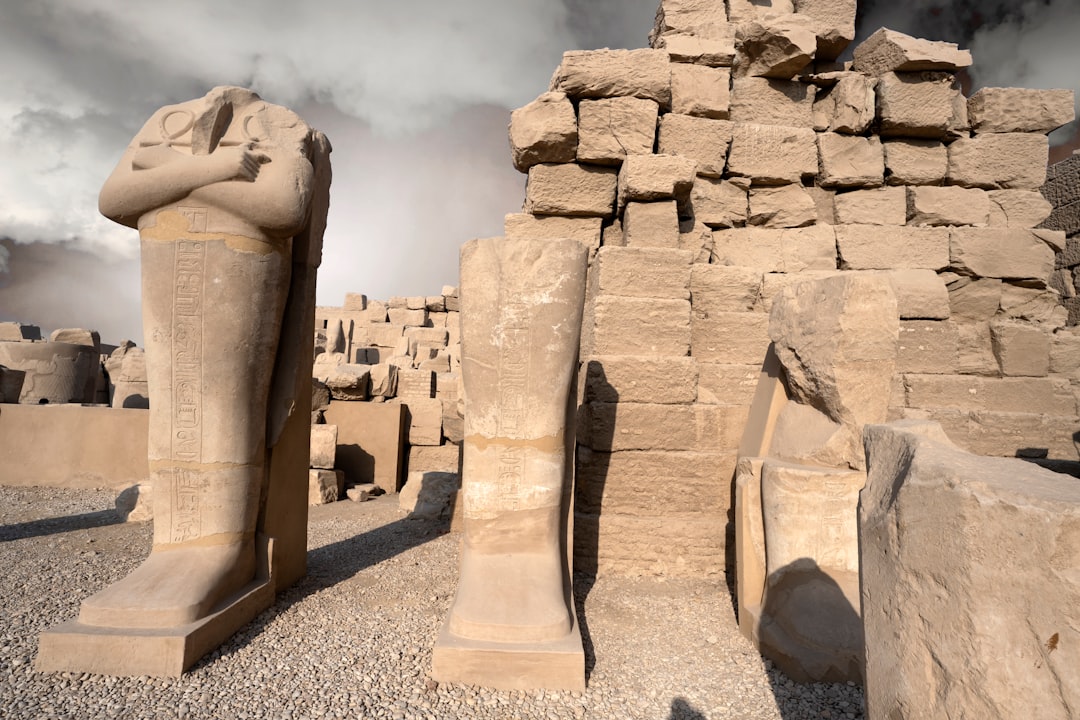
Exploring the Ancient World: A Fascinating Documentary
The screen flickered to life, not with the jarring violence often associated with modern historical dramas, but with a quiet, almost reverent unveiling. A sweeping vista of sun-drenched desert sands, pierced by the
majesty of colossal stone structures, filled the frame. This was the opening breath of “Echoes of Antiquity,” a documentary that promised a journey not just through time, but into the very soul of civilizations long past. From its meticulously researched narratives to its breathtaking cinematography, the film proved to be a profound exploration of humanity’s earliest triumphs and enduring legacies. It was a masterclass in historical storytelling, weaving together archaeological evidence, expert testimony, and evocative imagery to breathe life into worlds that, for millennia, had existed only in fragments and whispers.
The documentary’s strength lay in its deliberate, unhurried pace. It understood that the weight of history demanded respect, and it offered viewers the space to absorb the information, to contemplate the sheer scale of human endeavor, and to connect, on a visceral level, with the people who shaped these monumental landscapes. “Echoes of Antiquity” wasn’t about sensationalism; it was about illumination, about revealing the ingenuity, the artistry, and the complex societies that laid the groundwork for our own. It invited an audience to become temporal explorers, to shed the trappings of the 21st century and to walk, if only in their minds eye, alongside the builders of pyramids, the philosophers of ancient Greece, and the scholars of the lost libraries.
The documentary began its grand tour in Mesopotamia, the “cradle of civilization.” It eschewed the common trope of presenting this region as merely a dusty historical footnote, instead emphasizing its profound and lasting impact on the trajectory of human development. The narrative skillfully guided the viewer through the emergence of settled agriculture, the subsequent rise of complex city-states, and the groundbreaking innovations that defined this ancient land.
From Village to Metropolis: The Dawn of Urbanism
The transition from nomadic hunter-gatherer societies to settled agricultural communities was presented as a pivotal moment. “Echoes of Antiquity” illustrated how the fertile crescent, watered by the Tigris and Euphrates rivers, provided the ideal conditions for this fundamental shift. Archeological findings, such as evidence of early irrigation systems and granaries, were showcased to demonstrate the practical genius that allowed for surplus food production. This surplus, the documentary explained, was the crucial catalyst for specialization – individuals could now pursue crafts, governance, and religious practices instead of solely focusing on subsistence. The visual representation of early villages slowly coalescing into larger, more organized settlements was particularly compelling, highlighting the organic yet deliberate process of urban development. The sheer effort involved in coordinating labor for irrigation, defense, and later, monumental architecture, was underscored, setting the stage for the emergence of social hierarchies and administrative structures.
The Written Word: Cuneiform and the Birth of Record-Keeping
A significant portion of the Mesopotamian segment was dedicated to the revolutionary invention of cuneiform writing. The documentary meticulously explained the evolution of this wedge-shaped script, from its pictographic origins to its more abstract syllabic forms. Experts detailed how cuneiform tablets served as the first written records, preserving not only economic transactions and legal codes but also myths, poetry, and astronomical observations. The visual emphasis on meticulously preserved clay tablets, some still bearing the faint impressions of ancient fingers, was incredibly powerful. Viewers were shown how these records provided unprecedented insights into daily life, religious beliefs, and the political machinations of Mesopotamian societies. The documentary effectively conveyed the sheer magnitude of this intellectual leap, demonstrating how writing freed knowledge from the constraints of oral tradition, allowing for its accumulation, dissemination, and refinement across generations. This paved the way for more sophisticated forms of governance and intellectual inquiry.
Empires and Innovation: The Legacy of Sumer, Akkad, and Babylon
The film then expanded its scope to encompass the major empires that rose and fell in Mesopotamia. The Sumerians were lauded for their advancements in mathematics, astronomy, and literature, including the epic of Gilgamesh. The Akkadian Empire’s unification of disparate city-states under Sargon the Great was presented as an early example of imperial ambition and organization. Finally, the Babylonian Empire, particularly under Hammurabi, was explored. The Code of Hammurabi was not merely presented as a set of harsh laws, but as a sophisticated attempt to establish a standardized legal framework, reflecting a complex understanding of justice and social order. The documentary showcased reconstructions of iconic Mesopotamian structures like the Ziggurat of Ur, emphasizing the architectural prowess and the deeply ingrained religious beliefs that fueled such monumental constructions. The interconnectedness of these empires, their periods of conflict and cooperation, and their shared inheritance of various cultural and technological advancements, was masterfully depicted, illustrating a continuous thread of innovation and societal evolution that stretched for millennia.
For those interested in exploring the evolution of civilizations and the geographical changes that have shaped our world, the article “How the World Map Evolves: Changes Across the Globe” provides a fascinating perspective. This piece delves into the historical transformations of borders and territories, offering insights that complement the themes presented in the Ancient World documentary. You can read the article here: How the World Map Evolves: Changes Across the Globe.
The Architects of Eternity: Egypt’s Monumental Achievements
From the fertile plains of Mesopotamia, “Echoes of Antiquity” transitioned to the sun-baked lands of Egypt, a civilization renowned for its enduring monuments and its profound connection to the afterlife. The documentary offered a captivating look at the ingenuity, spiritual depth, and organizational might that allowed the Egyptians to create structures that have defied the ravages of time.
Lifeblood of the Nile: The River and its Influence
The Nile River was presented not just as a geographical feature, but as the very heartbeat of ancient Egypt. The documentary explored how the predictable annual floods, while at times destructive, were also the source of incredible fertility, allowing for abundant agriculture and supporting a dense population. Experts explained the sophisticated irrigation techniques developed by the Egyptians, including the use of basins and canals to manage the floodwaters. The visual sequences showcasing the vibrant green of the Nile valley set against the starkness of the surrounding desert served as a powerful metaphor for the civilization’s dependence on this life-giving artery. The river’s role in facilitating trade and transportation was also highlighted, emphasizing its crucial function in unifying the disparate regions of Egypt and fostering cultural exchange. The documentary effectively conveyed how the rhythm of the Nile, its predictable cycles of inundation and recession, deeply influenced Egyptian worldview, religious beliefs, and even their perception of time and order.
Pharaohs and the Divine Mandate: Power and Piety
The institution of the pharaoh was explored in depth, not just as a ruler, but as a divine intermediary. The documentary delved into the religious beliefs that underpinned pharaonic authority, explaining how pharaohs were seen as earthly manifestations of gods, responsible for maintaining ma’at – the fundamental cosmic order. The visual spectacle of elaborate tomb paintings and temple reliefs, depicting pharaohs in ritualistic ceremonies and divine encounters, brought this concept to life. The narrative skillfully navigated the complex relationship between the pharaoh’s temporal power and their spiritual role, underscoring how this dual nature shaped Egyptian society and its monumental building projects. The documentary also explored the succession of dynasties, the periods of strength and fragmentation, and the enduring mythology that surrounded these god-kings, providing a comprehensive understanding of their central role in Egyptian civilization.
The Pyramids and Beyond: Engineering Marvels and the Afterlife
The iconic pyramids of Giza were, of course, a central focus. “Echoes ofanity” went beyond mere awe-inspiring visuals, offering a detailed look at the engineering and logistical feats involved in their construction. Experts discussed the theories surrounding the quarrying, transportation, and placement of the colossal stone blocks, emphasizing the remarkable ingenuity and sophisticated knowledge of mathematics and mechanics possessed by the ancient Egyptians. The documentary also explored the elaborate burial rituals and the profound belief in an afterlife that motivated these monumental endeavors. The detailed depictions of sarcophagi, tomb goods, and the intricate hieroglyphic inscriptions meant to guide the deceased through the underworld created a profound sense of the Egyptians’ spiritual aspirations. Beyond the pyramids, the film also showcased other architectural marvels, such as the temples of Karnak and Luxor, and the hypostyle halls of Abu Simbel, highlighting the enduring power and evolving artistic styles of Egyptian architecture. The documentary underscored how these structures were not merely tombs or places of worship, but expressions of a deeply held worldview, a testament to their understanding of the cosmos and their place within it.
The Cradle of Reason: Greece and the Foundations of Western Thought

From the monumental grandeur of Egypt, the documentary boldly pivoted to the intellectual and philosophical ferment of ancient Greece. Here, the focus shifted from the physical to the cerebral, exploring the birth of democracy, the explosion of philosophical inquiry, and the enduring impact of Greek culture on the Western world.
The Polis and Citizenry: The Birth of Democracy
The concept of the polis, the independent city-state, was presented as the unique crucible in which Greek civilization flourished. The documentary meticulously detailed the development of Athenian democracy, contrasting it with other forms of governance prevalent at the time. Experts explained the principles of direct democracy, the role of the assembly, and the often contentious debates that shaped public policy. The visual reconstructions of the Agora, the bustling public square, filled with citizens engaged in lively discussion, were particularly effective in conveying the vibrant and participatory nature of Athenian political life. The documentary also acknowledged the limitations of Athenian democracy, such as the exclusion of women and slaves, offering a nuanced and critical perspective. However, the emphasis remained on the groundbreaking nature of this experiment in self-governance, laying the groundwork for democratic ideals that continue to resonate today.
The Philosophers’ Quest: Reason, Ethics, and the Cosmos
A significant portion of the Greek segment was dedicated to the monumental intellectual achievements of its philosophers. The documentary introduced viewers to the pre-Socratics, whose attempts to understand the fundamental nature of reality laid the groundwork for scientific inquiry. The pivotal figures of Socrates, Plato, and Aristotle were explored in detail, with experts discussing their key ideas about ethics, politics, knowledge, and the human condition. The visual representations of the Acropolis and the Lyceum, iconic sites associated with these thinkers, served as a powerful backdrop to their revolutionary ideas. The documentary eloquently conveyed how these philosophers, through rigorous dialectic and systematic observation, challenged conventional wisdom and initiated a tradition of critical thinking that has shaped human thought for over two millennia. The exploration of concepts like the Socratic method, Plato’s theory of Forms, and Aristotle’s empirical approach provided viewers with a tangible understanding of the intellectual revolution that occurred in ancient Greece.
The Arts and the Human Form: Beauty and Idealism
The artistic achievements of ancient Greece were also celebrated, with a particular focus on their idealized representations of the human form. The documentary showcased the evolution of Greek sculpture, from the rigid forms of the Archaic period to the dynamic and lifelike sculptures of the Classical and Hellenistic eras. Experts discussed the Greek pursuit of beauty, proportion, and anatomical accuracy, explaining how these artistic principles were deeply intertwined with their philosophical and cultural values. The visual splendor of iconic statues like the Venus de Milo and the Discus Thrower left a lasting impression, highlighting the mastery of form and composition achieved by Greek artists. Beyond sculpture, the documentary also touched upon advancements in architecture, such as the Parthenon, with its harmonious proportions and groundbreaking engineering, and the innovations in drama and literature, underscoring the comprehensive cultural legacy of this remarkable civilization. The interconnectedness of their art, philosophy, and politics was effectively demonstrated, revealing a holistic approach to understanding and expressing the human experience.
The Empire of Law and Order: Rome’s Enduring Legacy

The trajectory of the documentary then moved to the ascendant power of Rome, a civilization that brought order, engineering prowess, and a sophisticated legal system to a vast empire. “Echoes of Antiquity” explored how Rome, though often seen as a conqueror, also acted as a remarkable preserver and disseminator of culture and ideas.
From Republic to Empire: Governance and Expansion
The transition from the Roman Republic to the Roman Empire was examined with a critical eye. The documentary delved into the complex political machinations, the military campaigns, and the societal shifts that led to the rise of the emperors. Experts discussed the strengths and weaknesses of the republican system, the Punic Wars’ impact on Roman expansion, and the eventual consolidation of power under figures like Augustus. The visual representations of Roman legionaries marching in disciplined formations, bustling forums, and imposing senatorial buildings conveyed the sheer might and organizational capacity of the Roman state. The narrative skillfully explained how Rome’s insatiable appetite for expansion, coupled with its efficient administrative structures, allowed it to build and maintain an empire that stretched across continents. The internal struggles for power and the gradual erosion of republican ideals were presented as vital elements in understanding the transformation of Roman society.
The Genius of Roman Engineering: Aqueducts, Roads, and Architecture
The documentary dedicated significant attention to the unparalleled engineering achievements of the Romans. The construction of their vast network of roads, facilitating rapid communication and troop movement, was highlighted as a cornerstone of their imperial power. The iconic aqueducts, marvels of hydraulic engineering that supplied fresh water to burgeoning cities, were showcased with detailed explanations of their design and construction. Experts marveled at the Romans’ mastery of concrete and their innovative architectural techniques, which allowed for the creation of enduring structures like the Colosseum, the Pantheon, and public baths, many of which still stand today. The visual emphasis on these enduring structures, many still functional or at least standing remarkably intact after millennia, served as a powerful testament to Roman ingenuity and their commitment to practical solutions. The documentary conveyed how these engineering feats not only improved the lives of Roman citizens but also served as symbols of Roman dominance and their ability to impose order on the natural world.
Law, Language, and Governance: The Roman Imprint
The enduring legacy of Roman law was a central theme. The documentary explored the development of Roman jurisprudence, its principles of justice, and its influence on legal systems across the Western world. Experts discussed the concept of citizenship, the evolution of legal codes, and the Roman emphasis on codified law as a tool for governance and social control. The enduring impact of the Latin language was also highlighted, demonstrating how it formed the basis for many modern European languages and served as the lingua franca of scholarship and religion for centuries. The documentary illustrated how Roman administrative structures, their methods of taxation and governance, and their approach to integrating conquered peoples, while not always benevolent, laid the groundwork for future empires and administrative models. The film concluded this section by emphasizing how Rome, through its mastery of law, language, and infrastructure, left an indelible mark on the course of Western civilization, shaping its political thought, its legal frameworks, and its cultural identity.
In exploring the fascinating intricacies of ancient civilizations, one might find the documentary on the Ancient World particularly enlightening. It delves into various aspects of life in those times, including the remarkable craftsmanship that defined many cultures. For instance, the art of creating Damascus steel, a technique that has roots in ancient metallurgy, is beautifully illustrated in a related article. You can read more about this captivating subject in the article titled The Art of Crafting Damascus Steel, which highlights the historical significance and enduring legacy of this remarkable material.
Echoes in the Present: The Timeless Relevance of Ancient Civilizations
| Documentary Title | Release Year | Director | Duration |
|---|---|---|---|
| Ancient Egypt: Life and Death in the Valley of the Kings | 2013 | James Tovell | 60 minutes |
| Ancient Greece: The Greatest Show on Earth | 2016 | Michael Waterhouse | 90 minutes |
| Rome: Rise and Fall of an Empire | 2006 | Various | 6 episodes, 60 minutes each |
The documentary’s final segment offered a compelling reflection on the enduring relevance of the ancient world to our own. “Echoes of Antiquity” artfully transitioned from historical exposition to a thoughtful examination of how the achievements, failures, and ideas of these ancient civilizations continue to shape our present and inform our future.
Lessons from the Past: Cycles of Rise and Fall
The film masterfully drew parallels between the patterns of progress and decline observed in ancient societies and the challenges facing our own. Experts discussed recurring themes such as the delicate balance between individual liberty and state power, the dangers of unchecked ambition, the importance of social cohesion, and the fragility of progress in the face of internal strife or external threats. The documentary presented historical events not as isolated incidents but as case studies, offering cautionary tales and valuable insights into human behavior and societal dynamics. The visual juxtaposition of ancient ruins with contemporary cityscapes served as a powerful reminder of the cyclical nature of history and the recurring challenges that humanity has faced across millennia. The documentary encouraged viewers to contemplate how the lessons learned from the successes and failures of Mesopotamia, Egypt, Greece, and Rome can provide a framework for navigating the complexities of the modern world.
The Enduring Spark: Innovation and Human Spirit
Despite the inevitable cycles of decline, the documentary underscored the persistent and remarkable human spirit of innovation and resilience that characterized these ancient civilizations. The intellectual breakthroughs in philosophy and science, the artistic masterpieces that continue to inspire, and the enduring infrastructure that testifies to their ingenuity were all presented as testaments to humanity’s capacity for progress. The film highlighted how many of our modern advancements, from democratic principles to scientific inquiry and legal frameworks, have their roots in these ancient foundations. The documentary celebrated the intellectual curiosity, the artistic vision, and the sheer determination that drove these societies to achieve such extraordinary feats, encouraging viewers to recognize and nurture those same qualities within themselves and their own communities. The exploration of these enduring sparks of human achievement served as a powerful message of hope and inspiration, demonstrating that while empires may crumble, the fundamental drive to create, to understand, and to improve can transcend time.
A Call to Reflection and Continuity
In its concluding moments, “Echoes of Antiquity” transcended mere historical recitation to issue a subtle yet profound call to reflection and continuity. The documentary argued that understanding our ancient past is not an academic exercise but a vital part of understanding ourselves and our place in the grand tapestry of human history. It suggested that by engaging with the wisdom, the struggles, and the achievements of those who came before us, we can gain a deeper appreciation for the present and a clearer vision for the future. The film left viewers with a sense of profound connection to the past, a recognition of the shared human experience that bridges millennia, and an awareness that the echoes of antiquity are not just sounds from a distant past, but resonant voices that continue to inform and inspire us in the present. The documentary ultimately served as a powerful reminder that the story of humanity is a continuous narrative, and we are all, in our own way, inheritors and contributors to this ongoing saga.

When the Ice Age Ended… Everything Changed
FAQs
What is the ancient world documentary about?
The ancient world documentary explores various aspects of ancient civilizations, including their culture, technology, architecture, and historical events. It provides a comprehensive look at the ancient world and how it has shaped the modern world.
Which ancient civilizations are covered in the documentary?
The documentary covers a wide range of ancient civilizations, including but not limited to the Egyptians, Greeks, Romans, Mesopotamians, Chinese, and Mayans. It delves into their unique contributions to art, science, religion, and governance.
Who are the experts featured in the documentary?
The documentary features renowned historians, archaeologists, and scholars who specialize in the study of ancient civilizations. These experts provide valuable insights and analysis based on their research and expertise in the field.
What makes this documentary unique compared to others about the ancient world?
This documentary stands out for its in-depth exploration of lesser-known ancient civilizations and its focus on uncovering new discoveries and perspectives. It also utilizes advanced technology and visual storytelling to bring the ancient world to life.
Where can I watch the ancient world documentary?
The documentary may be available for streaming on various platforms such as streaming services, educational websites, or through purchase as a DVD or digital download. Check with your local library or online retailers for availability.