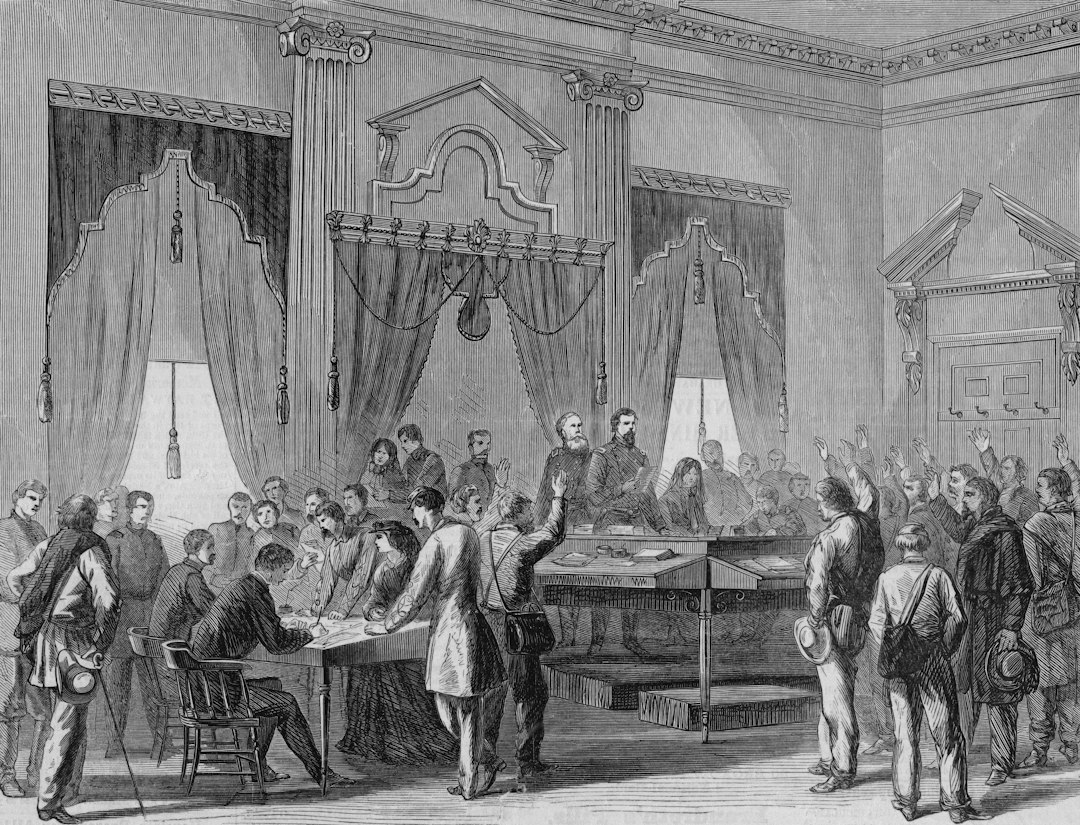
The Roots of the Bolling Family in Virginia: Early Arrivals and Foundations
The Bolling family, a name that resonates through the annals of Virginia’s history, boasts a lineage deeply intertwined with the colony’s development. Their story begins with the arrival of Robert Bolling, a significant figure whose presence laid the groundwork for generations to come. Emigrating from England, Robert Bolling arrived in the colony of Virginia in the mid-17th century, a period of significant expansion and change. His journey was not merely one of personal ambition but also of contributing to the burgeoning colonial enterprise. The establishment of his family in Virginia marked the inception of a powerful and influential dynasty that would shape the political, economic, and social landscape of the Old Dominion for centuries.
Robert Bolling: The Patriarch’s Arrival and Early Ventures
Robert Bolling’s arrival in Virginia, circa 1660, marked a pivotal moment for the family’s future. Born in Yorkshire, England, he was part of a wave of settlers seeking new opportunities and contributing to England’s imperial ambitions. Upon his arrival, he did not settle idly. Instead, he actively engaged in the economic activities that defined colonial Virginia, primarily focusing on land acquisition and agricultural pursuits. His early investments in land would prove to be a cornerstone of the family’s enduring prosperity. He secured significant tracts of land, strategically positioning the Bolling family to benefit from the colony’s growing agricultural output. These landholdings were not merely for personal enrichment; they also represented an investment in the future of Virginia, contributing to the expansion of cultivated areas and the establishment of agricultural enterprises.
Land Acquisition and Economic Influence
Robert Bolling’s acumen in land acquisition was remarkable. He understood the intrinsic value of land in a frontier society and the potential for wealth generation through agriculture, particularly tobacco cultivation, which was the economic engine of colonial Virginia. His foresight in acquiring substantial acreage allowed the Bolling family to establish a strong economic base. This not only provided them with immediate income but also created a legacy of wealth and influence for his descendants. The land he acquired became the foundation for what would develop into significant plantations, contributing to the colony’s agricultural output and solidifying the family’s economic standing. His success in this area set a precedent for his offspring, who would continue to expand and manage these holdings, further cementing the family’s economic power.
Intertwining with Colonial Society
Beyond land and economic pursuits, Robert Bolling was instrumental in integrating his family into the fabric of colonial society. He married Jane Rolfe, a descendant of the renowned John Rolfe and Pocahontas, a union that strategically linked the Bolling family to one of the most historically significant and established lineages in Virginia. This marriage was more than a social alliance; it was a powerful symbol of the Bolling family’s aspiration to be a part of Virginia’s elite. By connecting with such a prominent family, Robert Bolling and his descendants were immediately positioned within the colony’s social hierarchy, fostering connections and alliances that would prove invaluable in navigating the complexities of colonial governance and social life. This integration ensured that the Bolling name would become synonymous with Virginia’s established order.
The Bolling family tree in Virginia is a fascinating subject, particularly when exploring the rich history of early American families. For those interested in uncovering more about the intricate connections and surprising discoveries related to family lineages, a related article can be found at Unbelievable Maps and Shocking Discoveries. This article delves into various historical maps and findings that shed light on the genealogical ties of prominent families, including the Bollings, and offers insights into their impact on Virginia’s heritage.
The Flourishing Bolling Dynasty: Generations of Influence and Expansion
Following Robert Bolling’s initial establishment, the family’s influence and prosperity grew exponentially through subsequent generations. The Bolling dynasty became a prominent force in Virginia, their lineage marked by individuals who excelled in various fields, from politics and law to commerce and military service. The inherited wealth and social standing, coupled with the ambition and capabilities of individual family members, propelled the Bollings to the forefront of colonial and later American society. Their contributions were not confined to one sphere; they were multifaceted, reflecting the diverse talents and opportunities available to them.
Notable Descendants and Their Contributions
The Bolling family tree is populated with individuals whose actions left an indelible mark on Virginia. From statesmen who shaped legislative agendas to military leaders who defended the burgeoning nation, their contributions were widespread. John Bolling, a son of Robert, was a significant figure in his own right, serving in the House of Burgesses and holding various public offices. His leadership in local and colonial governance demonstrated a commitment to public service that would become a recurring theme within the family. Similarly, other descendants, such as Thomas Bolling and Alexander Bolling, played crucial roles in the legal and military spheres, respectively. Their active participation in these vital sectors of colonial life underscored the family’s pervasive influence.
Political Ascendancy and Public Service
The political arena was a natural domain for many Bollings. Their wealth and social standing afforded them access to positions of power, and many embraced the opportunity to shape the colony’s destiny. Members of the family consistently served in the Virginia General Assembly, advocating for policies that often benefited their own economic interests but also contributed to the colony’s overall development. Their involvement in the revolutionary period, though sometimes complex and varied, saw several Bollings actively participating in the fight for independence and the subsequent formation of the United States. This dedication to public service, often intertwined with their familial and economic interests, cemented their reputation as influential figures in Virginia’s political landscape.
Economic Powerhouses and Plantation Life
The economic foundations laid by Robert Bolling continued to expand and diversify. The family became renowned for their vast plantation holdings, particularly in counties like Chesterfield and Prince George. These plantations were not just agricultural operations; they were often self-sufficient communities, reflecting the prevalent system of plantation life in the South. The management of these vast estates, the cultivation of lucrative crops like tobacco and later cotton, and the associated trade networks contributed significantly to the family’s immense wealth. This economic power provided them with the resources to support their political ambitions and maintain their elevated social status. Their role as major landowners and slaveholders also placed them at the center of the complex and often brutal institution of slavery that underpinned the Southern economy.
The Bolling Legacy in the Antebellum South: Navigating a Changing Landscape
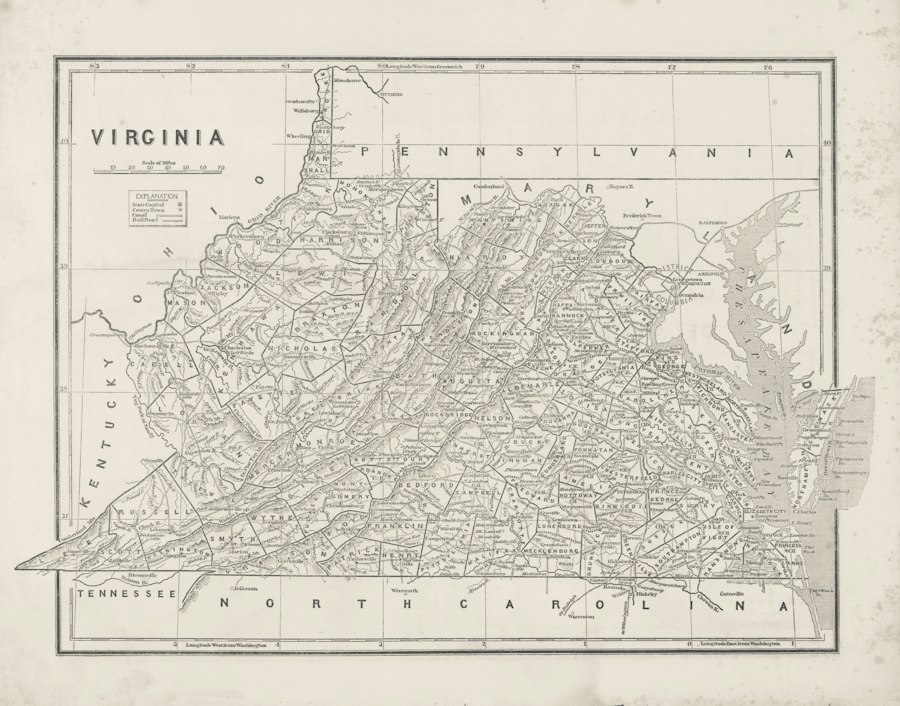
As Virginia transitioned into the Antebellum period, the Bolling family continued to be a significant presence, adapting to the evolving socio-economic and political climate. While maintaining their established wealth and influence, they also grappled with the increasing tensions surrounding slavery and the impending secession of Southern states. Their lives during this era were shaped by the prevalent Southern culture, the institution of slavery, and the growing divide between North and South.
The Bollings and the Institution of Slavery
Like many prominent Virginia families of the era, the Bollings were deeply involved in the institution of slavery. Their extensive plantations relied heavily on enslaved labor for their economic viability. Historical records indicate that Bolling family members were significant slaveholders, owning substantial numbers of enslaved individuals. This aspect of their history is crucial to understanding the economic and social structure of the Antebellum South and the role that families like the Bollings played within it. The management of enslaved people, the perpetuation of the system, and the intergenerational impact of slavery on both enslavers and the enslaved are all integral parts of the Bolling narrative during this period.
Plantation Management and Slaveholding Practices
The management of large plantations by Bolling family members involved complex systems of agricultural production and the daily oversight of enslaved people. These operations were designed to maximize profits from cash crops, primarily tobacco. While specific details of individual slaveholding practices can be difficult to ascertain, the general context of the Antebellum South suggests that Bolling plantations likely operated within the prevailing norms of the time, which included the harsh realities of forced labor, discipline, and the separation of families. The economic success of the Bollings was directly tied to the labor and lives of enslaved individuals, a legacy that casts a long shadow over their historical prominence.
Navigating the Growing Divide: Slavery and Secession
As the nation moved closer to the Civil War, the Bolling family, like many other Southern elites, found themselves in a precarious position. Their economic prosperity and social standing were intrinsically linked to the institution of slavery, which was increasingly under attack. While many Bollings would have likely held pro-slavery sentiments and supported states’ rights, the extent of their direct involvement in the secessionist movement and their experiences during the Civil War varied. The war brought immense upheaval and hardship to the South, impacting the fortunes and lives of all its inhabitants, including the Bolling family.
The Bolling Family in the Post-Reconstruction Era and Beyond: Resilience and Adaptation
The Civil War and Reconstruction brought profound changes to Virginia and to the Bolling family. The abolition of slavery fundamentally altered the economic and social landscape, necessitating adaptation and resilience. Despite the challenges, the Bolling name continued to be present in Virginia, with descendants finding new avenues for success and contributing to society in evolving ways.
Reconstruction and the Shifting Economic Landscape
The end of the Civil War and the subsequent Reconstruction era presented significant economic challenges for many Southern families, including the Bollings. The abolition of slavery meant the loss of their primary labor force, and the war itself had often depleted fortunes and destroyed infrastructure. However, the Bollings’ long-standing economic foundations and their inherent adaptability allowed many branches of the family to navigate this period of transition. Some may have shifted their focus to other agricultural endeavors, while others likely found opportunities in emerging industries or professions. The resilience of the family was tested, but their ability to adapt to new economic realities allowed them to maintain a presence in Virginia.
Diversification of Interests and New Opportunities
In the post-Reconstruction era, the opportunities for economic success began to diversify beyond traditional plantation agriculture. Bollings, like other members of the Southern elite, likely explored new ventures. This could have included investments in burgeoning industries, participation in the legal or medical professions, or involvement in civic leadership in a changing political environment. The family’s history of education and influence likely facilitated their ability to pursue these new avenues, ensuring that the Bolling name remained associated with success and prominence in Virginia’s evolving society.
The 20th Century and the Modern Bolling Family
As the 20th century progressed, the Bolling family continued to be a part of Virginia’s tapestry. While the specific fortunes and public profiles of individual family members varied, their historical legacy remained significant.Descendants continued to be involved in various professions and public service, contributing to the state and beyond. The family’s long history in Virginia provided a unique perspective on the state’s development, from its colonial beginnings through periods of immense social and political transformation. The ongoing presence of the Bolling name serves as a testament to the enduring impact of this prominent Virginia family.
Enduring Presence and Continued Contributions
Throughout the 20th and into the 21st century, members of the Bolling family have continued to contribute to various aspects of American life. While the grand plantations of the Antebellum South may be a distant memory for many, the spirit of enterprise, public service, and community engagement that characterized earlier generations often persisted. From academics and artists to business leaders and community organizers, the Bolling lineage has demonstrated a capacity for continued influence and contribution in a rapidly changing world. Their story is a microcosm of the broader narrative of Virginia, reflecting its historical evolution and the enduring legacy of its influential families.
The Bolling family tree in Virginia has a rich history that intertwines with the early colonial period of America, showcasing the complexities of lineage and heritage. For those interested in exploring the broader implications of family histories and their connections to post-colonial narratives, a related article offers valuable insights. You can read more about these themes in the article titled “Navigating Post-Colonial Borders: Challenges and Opportunities” found at this link. Understanding these connections can deepen our appreciation for the diverse stories that shape our understanding of American history.
Tracing the Threads: Geneological Research and Ongoing Discoveries
| Name | Birth Year | Death Year | Location | Relation | Notes |
|---|---|---|---|---|---|
| John Bolling | 1676 | 1729 | Virginia | Patriarch | Descendant of Pocahontas and English colonist |
| Jane Bolling | 1703 | 1766 | Virginia | Daughter of John Bolling | Married to Colonel Richard Randolph |
| John Bolling Jr. | 1700 | 1757 | Virginia | Son of John Bolling | Planter and politician |
| Mary Bolling | 1697 | 1740 | Virginia | Daughter of John Bolling | Married to William Gay |
| Robert Bolling | 1646 | 1709 | Virginia | Father of John Bolling | English immigrant and planter |
The study of the Bolling family tree is an ongoing endeavor, a continuous process of discovery and reinterpretation. Geneological research has shed considerable light on the family’s intricate connections, revealing not only direct lineal descendants but also the broader network of relationships that shaped their lives and the history of Virginia.
Methodologies of Genealogical Investigation
Genealogical research into families like the Bollings relies on a variety of historical sources and methodologies. Primary sources, such as original land deeds, wills, marriage records, church registries, and census data, are invaluable for tracing direct lineage and establishing familial connections. Secondary sources, including published family histories, biographies, and academic studies, often provide context and narrative for the factual data uncovered in primary documents. Modern genealogical tools, such as DNA testing, have also begun to offer new insights, potentially confirming existing connections or uncovering previously unknown branches of the family.
Primary Sources: Unearthing the Evidence
The bedrock of genealogical research lies in the careful examination of primary documents. For the Bolling family, this includes colonial-era records housed in archives across Virginia and beyond. Court records can reveal land disputes, business dealings, and legal proceedings that offer glimpses into the lives of Bolling ancestors. Vital records, though often fragmented for earlier periods, provide essential information on births, marriages, and deaths. Personal correspondence and diaries, when preserved, can offer intimate details about family life, social interactions, and personal beliefs. The painstaking process of transcribing, analyzing, and cross-referencing these documents is crucial for constructing an accurate family tree.
Secondary Sources and Scholarly Interpretations
Published works on Virginia history and specific family lineages provide valuable context and often serve as starting points for genealogical investigations. Biographies of prominent Bollings, histories of counties where they settled, and broader studies of colonial Virginia society all contribute to a deeper understanding of the family’s place within the historical narrative. Genealogists often build upon the work of previous researchers, but critical evaluation of secondary sources is also essential, as interpretations can evolve with new discoveries or changing historical perspectives.
The Modern Bolling Family: Continuing the Legacy
Today, the Bolling family is dispersed across the United States and beyond, with descendants continuing to shape various fields. While the historical narrative of the family is rooted in Virginia, their modern presence reflects the ongoing migration and evolution of American society.Genealogical research continues to connect individuals to their ancestors, fostering a sense of identity and belonging. The story of the Bolling family is a compelling example of how a single lineage can intertwine with the broader history of a nation, demonstrating the enduring power of family ties and the continuous unfolding of human history. The ongoing efforts to trace and understand their lineage ensure that the contributions and experiences of the Bolling family will continue to be explored and appreciated for generations to come, offering valuable insights into the past and the enduring nature of family heritage.

DNA Challenged This Family’s Pocahontas Ancestry Claim
FAQs
1. Who was the founder of the Bolling family in Virginia?
The Bolling family in Virginia was founded by Robert Bolling, who immigrated to Virginia from England in the late 17th century.
2. What is the significance of the Bolling family in Virginia history?
The Bolling family played a prominent role in Virginia history, with many members holding important positions in government, military, and society. They were influential in shaping the early development of the colony and state.
3. Are there any famous descendants of the Bolling family in Virginia?
Yes, there are several famous descendants of the Bolling family in Virginia, including First Lady Edith Bolling Wilson, who was the wife of President Woodrow Wilson.
4. How can one trace their lineage back to the Bolling family in Virginia?
Tracing one’s lineage back to the Bolling family in Virginia can be done through genealogical research, which may involve consulting historical records, family documents, and online databases. Professional genealogists can also assist in this process.
5. What are some notable landmarks associated with the Bolling family in Virginia?
Some notable landmarks associated with the Bolling family in Virginia include Bolling Hall, the family’s ancestral home in Virginia, and Bolling Island, a historic site along the James River named after the family.