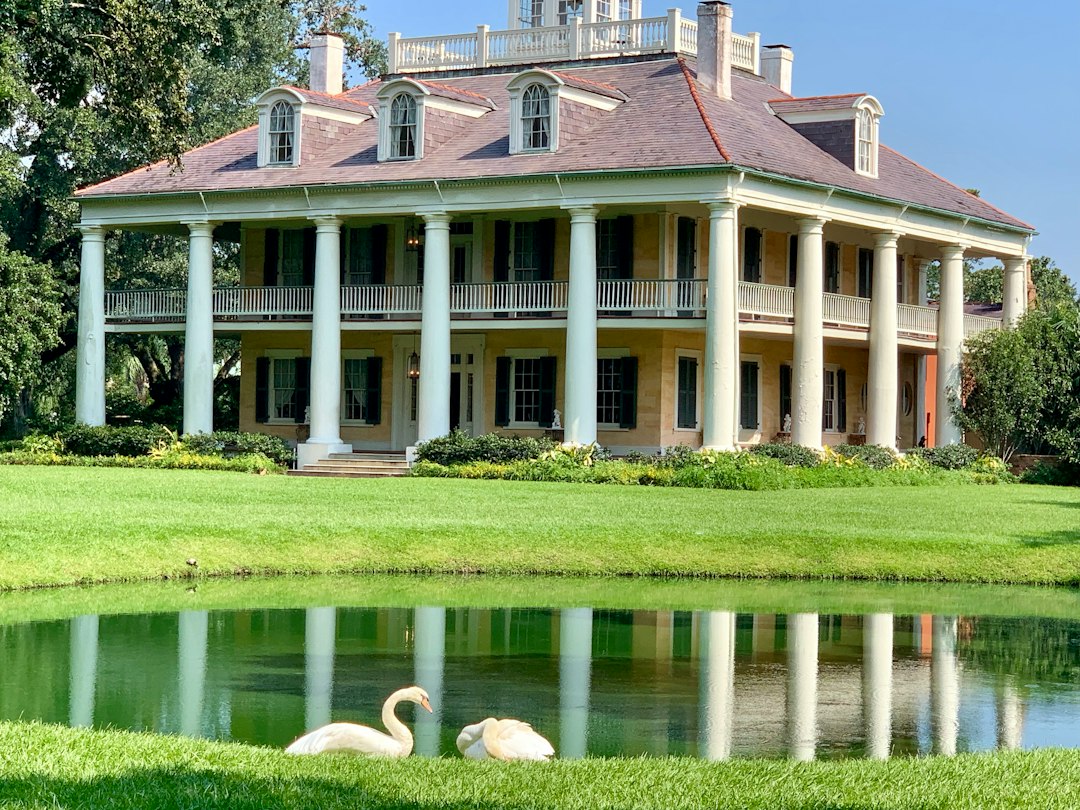
The Roots of Cajun Country
So, what’s the deal with Cajun and Acadian? It’s a pretty neat story about how a group of French-speaking folks ended up in Louisiana and carved out a unique culture. Essentially, Cajun people are descendants of the Acadians, a population exiled from their homeland in eastern Canada by the British in the 18th century. They found a new home in the Louisiana bayous and prairies, adapting and evolving into the distinct Cajun culture we know today, with its own language, music, food, and traditions.
The rich cultural tapestry of Cajun Louisiana is deeply intertwined with the Acadian heritage, reflecting a unique blend of French, African, and Native American influences. For those interested in exploring the broader implications of cultural connections and their impact on regional development, a related article discusses the logistical advantages of manufacturing in Mexico, which can also be seen as a reflection of how cultural and economic ties shape communities. You can read more about this topic in the article here: Maximizing Efficiency: Logistical Advantages of Manufacturing in Mexico.
The Great Upheaval: Exile from Acadia
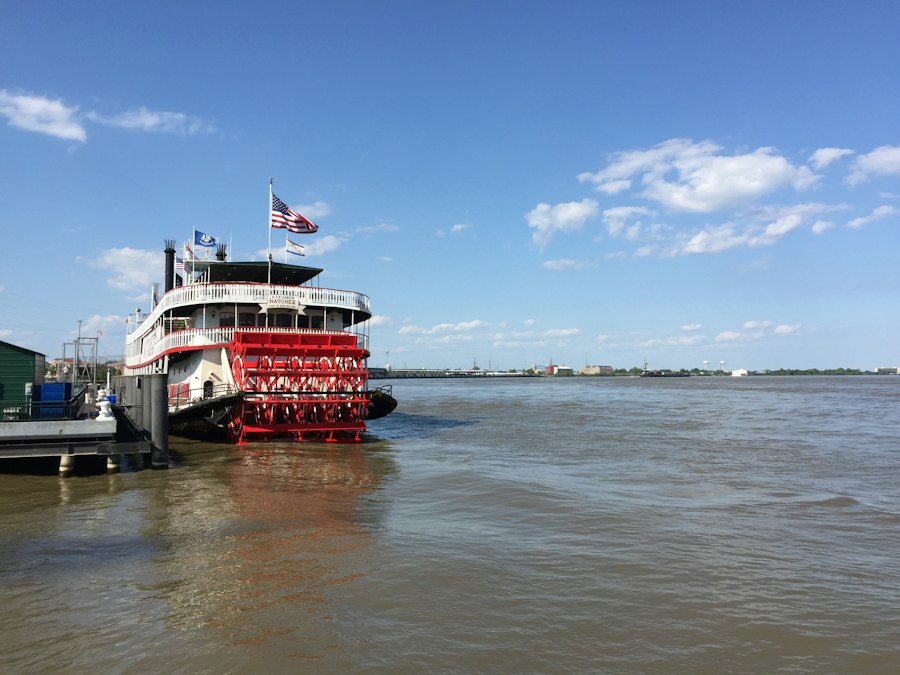
The Acadian story isn’t just about Louisiana; it starts much further north, in a region that is now part of Canada. These were French settlers who, centuries ago, made their home in what was then Acadia, a territory that saw frequent shifts in control between the French and the British. It was a life of farming, fishing, and building a community, largely isolated from the major political upheavals happening elsewhere.
Life in Early Acadia
Imagine a rugged coastline, fertile river valleys, and a way of life tied closely to the land and sea. Acadians developed unique farming techniques, like the grand marais, a system of dikes and aboiteaux to manage tidal marshes for agriculture. Their society was relatively self-sufficient, with a strong sense of community and a deep attachment to their French heritage, including their language and Catholic faith.
The British Takeover and Growing Tensions
The British gradually gained more control over Acadia, culminating in the Treaty of Utrecht in 1713, which formally ceded the territory to Great Britain. This is where things started to get complicated for the Acadians. They were a French-speaking, Catholic minority under a new, Protestant, English-speaking government. The British were wary of their loyalty, especially as tensions rose with France.
The Grand Dérangement
The pivotal event, and the one that directly leads to the Cajun story, is what the Acadians call the Grand Dérangement – the Great Upheaval. In 1755, fearing that the Acadians would side with the French during the Seven Years’ War, the British governor of Nova Scotia ordered their expulsion. This was a brutal and systematic forced removal. Families were separated, their homes and farms were confiscated and often burned, and they were dispersed by ship to various British colonies along the Atlantic coast, and even back to France. It was a traumatic period, leaving a deep scar on the Acadian identity.
Seeds of a New Home
Many Acadians, however, didn’t stay put in the British colonies. They were resourceful and determined to find their way back to French-speaking communities or simply to a place where they could live freely. Over the next several decades, small groups of Acadians began to make their way south, eventually finding their way to the Spanish-controlled territory of Louisiana. This was a land with a strong existing French presence (the Louisiana Purchase was still decades away from American control), and its vast, untamed landscapes offered a new kind of refuge.
The Louisiana Adaptation: From Acadian to Cajun
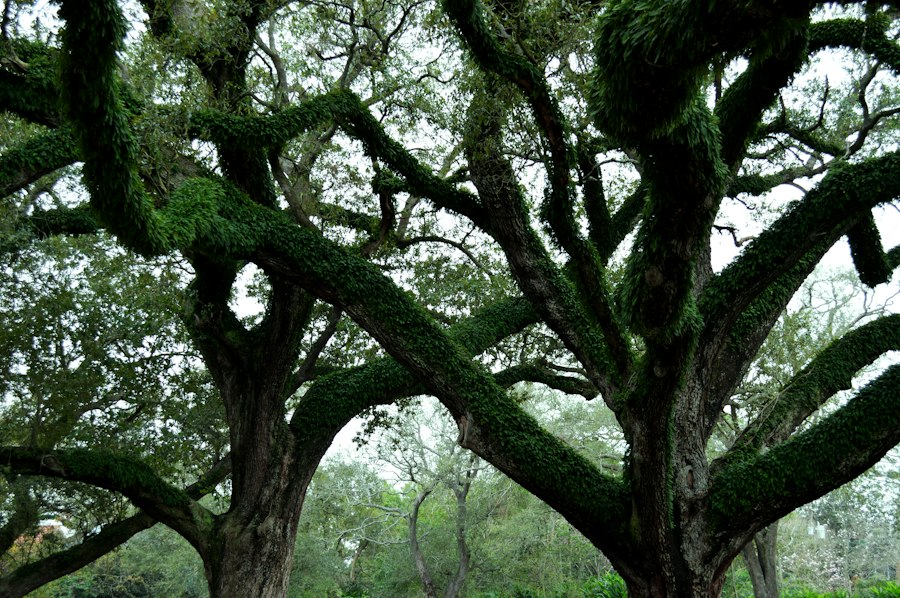
The Acadians who arrived in Louisiana didn’t find a pristine, empty land. They found a diverse territory with a mix of Native American tribes, Spanish settlers, French Creoles (those of European descent born in Louisiana), and enslaved Africans. They also found a very different environment – the humid, subtropical bayous, prairies, and coastal marshes of South Louisiana. This new setting demanded new ways of living, and over time, their culture transformed, giving rise to what we now recognize as Cajun culture.
Settling the Bayou Country
The Acadians primarily settled in the southwestern part of Louisiana, an area that became known as Acadiana. This region’s geography – a labyrinth of waterways, swamps, and prairies – was both challenging and bountiful. It was a stark contrast to the more temperate climate of their former Acadian homeland. They adapted their farming and fishing practices to suit this new environment, learning to navigate the bayous, harvest from the rich waters, and cultivate crops suitable for the climate.
A Blend of Influences
The culture that emerged was not a pure transplant of Acadian life. It was a dynamic fusion. Acadians interacted with the existing populations in Louisiana. They learned from Native American communities, adopted Spanish words and culinary techniques, and were influenced by the Creole culture of New Orleans. This process of assimilation and adaptation is crucial to understanding the unique identity of the Cajun people.
The “Cajun” Name Emerges
The very name “Cajun” is a linguistic evolution from “Acadian.” Over time, the pronunciation shifted and the term became a distinct identifier for the descendants of the Acadians who settled in Louisiana. It’s a testament to their perseverance and their ability to forge a new identity while retaining a connection to their ancestral roots.
The Heartbeat of Cajun Culture: Language, Music, and Food
What truly defines Cajun culture are its vibrant expressions: the unique language, the foot-stomping music, and the undeniably delicious food. These aren’t just hobbies or traditions; they are the very fabric of their identity, passed down through generations and constantly evolving.
Le Français Cajun: A Living Tongue
The language spoken by many Cajuns is a distinct dialect of French. It’s not the French of Paris, nor is it exactly like the French spoken in Quebec. Le français cajun is a rich tapestry woven from Old French vocabulary, influences from Spanish, English, and various Indigenous languages, and shaped by the isolation and unique experiences of the Acadian people in Louisiana. While its use has declined with younger generations, there are strong efforts to preserve and revitalize it. Hearing it spoken, with its unique intonations and expressions, is a direct link to the past.
The Soulful Sounds of Cajun Music
Cajun music is infectious. It’s often characterized by the fiddle, the accordion, and a strong, driving rhythm that makes you want to tap your feet. Historically, it was music for social gatherings, for dancing at barn raisings and celebrations. It has roots in French folk music but has absorbed influences from the blues, country, and Zydeco (another distinct Louisiana genre with its own rich history). Artists like Clifton Chenier, a pioneer of Zydeco who was deeply influenced by Cajun music, and contemporary performers continue to keep this musical tradition alive and evolving.
A Taste of the Bayou: Cajun Cuisine
When people think of Cajun culture, food is often at the forefront, and for good reason. Cajun cuisine is hearty, flavorful, and deeply rooted in the ingredients of the Louisiana landscape. It’s about making the most of what’s available, from the crawfish and shrimp of the bayous to the rice and spices grown in the fertile lands.
The Holy Trinity and Beyond
Central to many Cajun dishes is the “holy trinity” of cooking: onions, bell peppers, and celery. This aromatic base forms the foundation for many stews, gumbos, and sauces. But Cajun food is far more than just this trio. Think of rich étouffées, spicy jambalayas, and perfectly seasoned seafood boils. It’s a cuisine that is both comforting and exciting, often featuring a kick of heat from local peppers.
From Humble Beginnings to Culinary Icon
Much of what we now consider classic Cajun dishes evolved from necessity and resourcefulness. Simple peasant dishes, utilizing readily available ingredients, were elevated through generations of culinary creativity. This isn’t about fancy techniques; it’s about understanding ingredients, building flavor, and cooking with passion.
The rich cultural tapestry of Cajun Louisiana is deeply intertwined with the history of the Acadian people, who were exiled from Canada in the 18th century. Their journey and subsequent settlement in Louisiana have shaped the region’s unique identity, blending French heritage with local influences. For those interested in exploring this fascinating connection further, the article on uncovering untold histories provides insightful perspectives on the Acadian experience and its lasting impact on Cajun culture. You can read more about it in this revealing documentary.
Preserving the Legacy: Modern Acadiana and Cultural Revival
| Aspect | Description | Key Metrics |
|---|---|---|
| Historical Origin | Descendants of Acadian exiles from Canada who settled in Louisiana | Expulsion Year: 1755-1764; Settlement in Louisiana: 1765 onwards |
| Population | Estimated number of Cajun descendants in Louisiana | Approx. 1.2 million (as of 2020) |
| Language | Cajun French, a dialect derived from Acadian French | Speakers: ~200,000; Language retention rate: ~15-20% |
| Cultural Influence | Music, cuisine, festivals, and traditions rooted in Acadian heritage |
Popular Festivals: Cajun Music Festival, Mardi Gras; Cuisine: Gumbo, Jambalaya, Crawfish Boil |
| Geographic Distribution | Primary regions in Louisiana with strong Cajun presence | Parishes: Acadia, Lafayette, Vermilion, St. Landry, Evangeline |
| Economic Impact | Contribution of Cajun culture to Louisiana’s tourism and economy | Annual tourism visits: 2 million+; Cultural events revenue: Significant portion of local economy |
The Cajun story is far from over. In recent decades, there’s been a significant resurgence of interest in and dedication to preserving and celebrating Cajun heritage. This isn’t about living in the past, but about ensuring that the unique cultural elements that define Cajun Louisiana continue to thrive for future generations.
Educational Initiatives and Language Programs
Recognizing the potential loss of the French dialect, various organizations and educational institutions are actively working to teach le français cajun. This includes immersion programs, language workshops, and the development of learning materials. The goal is not necessarily to make everyone fluent, but to foster an appreciation and understanding of this vital part of their heritage.
Festivals and Cultural Events
Throughout Acadiana, festivals are a cornerstone of cultural celebration. From the iconic Festivals Acadiens et Créoles in Lafayette to smaller, community-specific gatherings, these events are vibrant displays of Cajun music, food, dance, and crafts. They provide a space for people to connect, share traditions, and pass them on to younger generations. These gatherings are often lively, democratic affairs where everyone is welcome to join in the fun.
The Role of Storytelling and Oral History
The stories of the Grand Dérangement, the journey to Louisiana, and the everyday lives of Acadian ancestors are crucial to maintaining cultural memory. Oral history projects, family narratives, and the work of cultural historians play a vital role in documenting and disseminating these experiences, ensuring that the sacrifices and resilience of past generations are remembered.
Contemporary Cajun Identity
Today’s Cajun identity is complex and multifaceted. While many still identify strongly with their Acadian roots and the traditions passed down, they also navigate modern life. The culture is not static; it continues to evolve, incorporating new influences while holding onto its core values. The spirit of resilience, community, and celebration that characterized the Acadians remains a defining element of the Cajun people.
The rich cultural tapestry of Cajun Louisiana is deeply intertwined with the history of the Acadian people, who were exiled from Canada in the 18th century. Their journey and subsequent settlement in Louisiana have shaped the region’s unique identity, blending French, Spanish, and African influences. For those interested in exploring how environmental factors have influenced cultural development, a fascinating article on ancient climate control techniques can provide insights into how communities adapt to their surroundings. You can read more about this connection in the article here.
Beyond Louisiana: The Global Acadian Diaspora
While Louisiana is the most prominent and well-known center of Cajun culture, it’s important to remember that the Acadians were scattered far and wide. Their descendants can be found not only in the Canadian Maritimes and Louisiana but also in parts of France, other North American regions, and even further afield. The story of the Acadian diaspora is one of survival and adaptation on a global scale.
Echoes in the Maritimes
In Nova Scotia, New Brunswick, and Prince Edward Island, there are still active Acadian communities. These communities have their own distinct cultural expressions, often with a stronger emphasis on the French language and traditions that remained closer to their original Acadian roots. There’s a sense of shared history and connection with their cousins in Louisiana, even across vast distances.
Scattered but Connected
The dispersal of Acadians meant
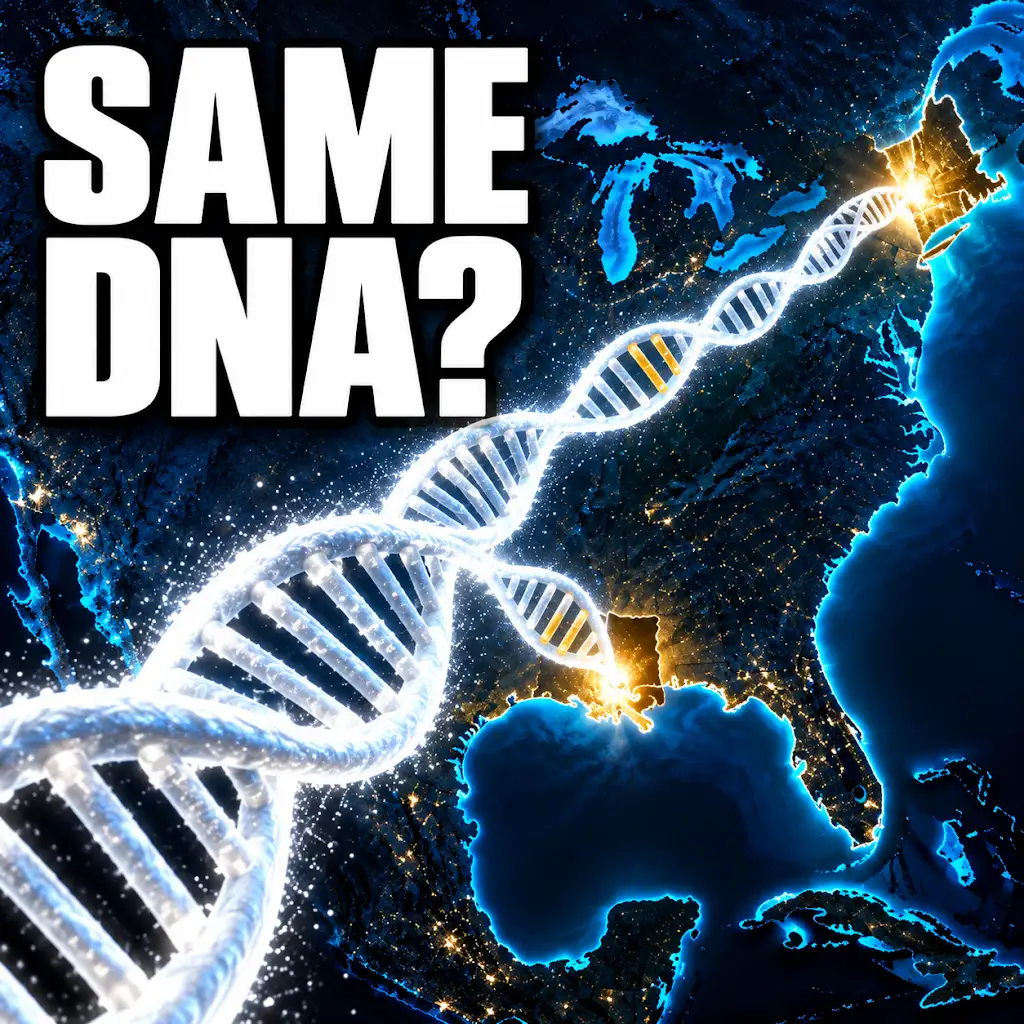
Cajun or French Canadian? The DNA Looked the Same—Until Researchers Looked Closer
FAQs
What is the connection between Cajun and Acadian culture in Louisiana?
The connection between Cajun and Acadian culture in Louisiana dates back to the 18th century when Acadians were expelled from Canada and settled in the region, bringing their language, traditions, and cuisine with them.
How did the Acadians influence the development of Cajun culture in Louisiana?
The Acadians influenced the development of Cajun culture in Louisiana by preserving their French language, Catholic religion, music, and culinary traditions, which blended with the local Creole culture to create a unique cultural identity.
What are some key elements of Cajun culture in Louisiana?
Key elements of Cajun culture in Louisiana include Cajun French language, Zydeco and Cajun music, traditional Cajun cuisine (such as gumbo, jambalaya, and boudin), and cultural events like Mardi Gras and fais do-dos (dance parties).
How has Cajun culture in Louisiana evolved over time?
Cajun culture in Louisiana has evolved over time by incorporating influences from other cultures, adapting to modern lifestyles, and gaining recognition through festivals, music, and culinary tourism, while still maintaining its unique identity and traditions.
What are some popular ways to experience Cajun culture in Louisiana today?
Some popular ways to experience Cajun culture in Louisiana today include visiting Cajun restaurants and music venues, attending cultural festivals like the Breaux Bridge Crawfish Festival, exploring historical sites like Vermilionville, and participating in Cajun cooking classes or swamp tours.