
The Cretaceous period, a vast epoch spanning roughly 145 to 66 million years ago, conjures images of colossal dinosaurs roaming the terrestrial landscapes. However, beneath the waves of this ancient world, a different, equally awe-inspiring drama unfolded. A recent documentary, “Exploring the Cretaceous Ocean,” offers a breathtaking journey into this submerged realm, unveiling a vibrant ecosystem teeming with life, a stark contrast to the arid, volcanic landscapes often depicted. Through stunning CGI and expert narration, the film meticulously reconstructs the marine environments of the Cretaceous, revealing the intricate balance of predators and prey, the astonishing diversity of life, and the evolutionary pressures that shaped this lost world.
The documentary immediately plunges the viewer into a visually rich and dynamic world, meticulously brought to life by cutting-edge computer-generated imagery. Gone are the grainy, speculative depictions of ancient oceans; “Exploring the Cretaceous Ocean” presents a meticulously researched and vibrantly rendered panorama. The filmmakers have succeeded in creating a palpable sense of immersion, making the viewer feel as though they are truly swimming alongside these extinct behemoths.
The Palette of the Cretaceous
The film’s visual artists have evidently poured over paleontological data, translating fossil evidence into a believable and breathtaking color palette. The waters are not uniformly blue, but rather shift in hue, reflecting varying depths, sediment loads, and the presence of planktonic life. Sunlight filters through the surface in dappled patterns, illuminating vast kelp forests and sandy seabed ecosystems. The creatures themselves are rendered with an astonishing attention to detail, from the iridescent scales of smaller fish to the leathery, textured skin of the larger marine reptiles. The filmmakers avoid the common pitfall of overly simplistic or cartoonish creature design, opting for a naturalistic aesthetic that imbues each organism with a sense of realism and biological plausibility.
Environments Under the Microscope
The documentary doesn’t just showcase charismatic megafauna; it delves into the diverse habitats that characterized the Cretaceous oceans. Viewers are treated to detailed explorations of:
Coral Reefs of Yesteryear
Contrary to popular belief, the Cretaceous oceans were home to thriving coral reefs, though perhaps not as we know them today. The film highlights the presence of rudist bivalves, peculiar filter-feeding mollusks that formed massive, reef-like structures. These “rudist reefs” provided a complex, three-dimensional habitat for a myriad of smaller organisms, creating bustling underwater cities. The documentary details the symbiotic relationships that likely existed within these rudist communities, showcasing how these sessile giants supported a diverse array of fish, crustaceans, and other invertebrates.
The Epicontinental Seas
A significant portion of the Cretaceous landmass was covered by vast, shallow epicontinental seas. These were warm, nutrient-rich environments that fostered immense biodiversity. The film emphasizes the sheer scale of these seas, stretching for thousands of kilometers, and the unique faunas that evolved within them. Viewers witness bustling fish shoals, teeming invertebrate populations, and the apex predators that patrolled these expansive watery plains. The documentary effectively conveys the idea that these shallow seas were the cradles of much of Cretaceous marine life, supporting a higher density and diversity of organisms than the deeper ocean environments.
Deep-Sea Mysteries
While much of the film focuses on the more accessible shallow waters, “Exploring the Cretaceous Ocean” also ventures into the darker, more mysterious depths. Using speculative but scientifically grounded visualizations, the documentary hints at the types of creatures that might have inhabited the abyssal plains and trenches. The emphasis here is on the adaptations required for survival in such extreme conditions, such as bioluminescence and specialized feeding strategies. Although direct fossil evidence from these depths is scarce, the film uses inferences from modern deep-sea ecosystems and the known biological capabilities of Cretaceous organisms to paint a compelling picture.
In exploring the fascinating world of the Cretaceous ocean, viewers can gain deeper insights by reading the article “Cracking the Hidden Rulebook of History,” which delves into the intricate relationships between ancient ecosystems and their modern counterparts. This article provides a broader context for understanding the evolutionary processes that shaped marine life during the Cretaceous period. For more information, you can check out the article here: Cracking the Hidden Rulebook of History.
Giants of the Deep: Predators and Their Prey
The most captivating aspect of “Exploring the Cretaceous Ocean” is undoubtedly its focus on the magnificent marine reptiles that dominated the Cretaceous seas. These were not simply oversized lizards; they were highly specialized predators, each occupying a distinct ecological niche. The documentary meticulously details their hunting strategies, their adaptations for aquatic life, and their interactions with other inhabitants of the ocean.
The Reign of the Mosasaurs
The mosasaurs, arguably the undisputed rulers of the Cretaceous oceans, are given considerable screen time. The film showcases their impressive size, their powerful jaws equipped with conical teeth, and their serpentine bodies that allowed for agile maneuvering. Viewers witness mosasaurs engaging in predatory hunts, ambushing unsuspecting prey with incredible speed and efficiency. The documentary explores the different species of mosasaurs, highlighting variations in their size, dentition, and inferred dietary preferences, suggesting a complex food web with various mosasaur species potentially specializing in different prey items.
Hunting Strategies Unveiled
“Exploring the Cretaceous Ocean” goes beyond simply showing these creatures feeding. It dissects their hunting techniques, offering insights into their predatory behaviors. For example, the film might depict a large mosasaur using its powerful tail to create a vortex, disorienting schools of fish before lunging in for a meal. Other scenes might illustrate how certain mosasaurs utilized their agility to corner prey against reef structures. The documentary uses a combination of animated recreations, based on the biomechanical studies of fossil skeletons, and expert commentary to bring these ancient predatory strategies to life.
Adaptations for the Hunt
The film dedicates segments to the specific anatomical features that made mosasaurs such formidable hunters. The documentary highlights their specialized limbs, adapted for propulsion and steering, and their powerful jaw musculature, capable of exerting immense bite force. The shape and arrangement of their teeth are also discussed, with explanations of how different tooth morphologies were suited for grasping, tearing, or crushing prey. The filmmakers present this information in an accessible manner, allowing even those without a strong scientific background to appreciate the evolutionary marvels at play.
Plesiosaurs and Their Diverse Forms
While mosasaurs often steal the spotlight, the documentary also dedicates significant attention to the diverse array of plesiosaurs that inhabited the Cretaceous oceans. These long-necked marine reptiles, with their four flippers, were a prominent feature of the ancient seas for millions of years. The film showcases the variations within the plesiosaur group, from the more compact pliosaurs with their powerful jaws and short necks, likely apex predators, to the more slender elasmosaurs with their incredibly long necks, possibly used for hunting smaller prey in shallower waters or for surveying their surroundings.
Neck Lengths and Feeding Guilds
The documentary posits that the remarkable length of the plesiosaur neck evolved to fill specific ecological roles. Short-necked pliosaurs, with their robust skulls and powerful jaws, are depicted as formidable hunters, capable of tackling large prey. Conversely, the long-necked elasmosaurs are shown using their necks to snake through schools of fish, or to probe crevices for hidden invertebrates, illustrating a clear division of labor and feeding strategies within the plesiosaur lineage. The film discusses how this specialized morphology would have reduced competition between different plesiosaur species.
The Grace of the Flippers
The film also emphasizes the remarkable adaptations of plesiosaur flippers. These were not simply paddles, but highly evolved limbs capable of generating powerful thrust and providing exceptional maneuverability. The documentary uses animation to illustrate how plesiosaurs likely employed their four flippers in a coordinated manner, enabling them to swim with surprising speed and agility, and to execute complex turns and dives in pursuit of their prey.
The Ichthyosaurs’ Farewell
The documentary also acknowledges the decline of the ichthyosaurs, dolphin-like marine reptiles that had been dominant in earlier periods. While still present in the early Cretaceous, their numbers and diversity waned as mosasaurs and other predators rose to prominence. The film offers a poignant farewell to these ancient mariners, showcasing their sleek forms and agile movements in their final evolutionary era, a reminder of the constant ebb and flow of life’s grand tapestry.
The Unsung Heroes: A World of Smaller Wonders
While the colossal marine reptiles command attention, “Exploring the Cretaceous Ocean” wisely dedicates considerable time to the vast array of smaller creatures that formed the bedrock of the Cretaceous marine ecosystems. The documentary emphasizes that the survival of the giants depended entirely on the abundance and diversity of these often-overlooked organisms.
Fish: The Foundation of the Food Web
The documentary vividly depicts the sheer abundance and diversity of fish that populated the Cretaceous seas. Shoals of small, schooling fish formed the primary food source for many larger predators. The film showcases a spectrum of fish, from recognizable ancient relatives of modern tuna and mackerel to more unusual, extinct lineages. The intricate schooling behaviors and defense mechanisms of these fish are brought to life, illustrating their crucial role in the marine food web.
Ancient Fish Families
Viewers are introduced to a variety of fish families that thrived during the Cretaceous. The documentary might highlight the presence of early teleosts, the ancestors of most modern bony fish, alongside more ancient forms like sharks and rays. The filmmakers use fossil evidence to reconstruct the appearance and potential ecological roles of these ancient piscine populations, emphasizing their contribution to the overall biomass and energy flow within the Cretaceous oceans.
Schooling and Survival
A significant portion of the film is dedicated to the fascinating world of schooling behavior. The documentary illustrates how immense schools of fish moved and defended themselves, providing a visual feast of coordinated movement. The narrative explains the evolutionary advantages of schooling, such as predator confusion, improved foraging efficiency, and enhanced mating opportunities. The film effectively conveys the sheer scale of these underwater ballets.
Invertebrates: The Architects and Engineers
The invertebrate life of the Cretaceous oceans is presented not just as prey, but as vital contributors to the ecosystem’s structure and function. The documentary highlights the importance of various invertebrate groups, from mollusks to crustaceans to echinoderms, in shaping the marine environment and supporting the food web.
The Importance of Rudist Bivalves
As mentioned earlier, the rudist bivalves are presented as ecosystem engineers. The film details how their massive reef structures provided essential habitat, shelter, and feeding grounds for countless other organisms. The documentary explores the intricate symbiotic relationships that existed between rudists and the smaller creatures that lived within and around them, painting a picture of a complex and interconnected community.
Cephalopods and Their Cunning
The intelligent and adaptable cephalopods, including ammonites and belemnites, are also featured prominently. The documentary showcases their diverse forms, from the spiraling shells of ammonites to the streamlined bodies of belemnites. The film explores their predatory habits, their evasive maneuvers, and their role as both predator and prey in the Cretaceous food web. The rapid evolutionary diversification of ammonites, often used by paleontologists to date rock layers, is highlighted as a testament to their adaptability.
Plankton: The Invisible Majority
While often invisible to the naked eye, the documentary acknowledges the fundamental importance of plankton in the Cretaceous oceans. The film explains how these microscopic organisms formed the base of the marine food web, converting sunlight into energy and supporting the entire ecosystem. The narrative touches upon the types of phytoplankton and zooplankton that likely existed, and how their abundance and distribution would have influenced the larger marine life.
The Great Dying: The End of an Era
“Exploring the Cretaceous Ocean” doesn’t shy away from the dramatic conclusion of this ancient world. The documentary dedicates a section to the catastrophic event that led to the demise of the non-avian dinosaurs and a significant portion of marine life – the asteroid impact.
The Chicxulub Impactor
The film reconstructs the events leading up to and immediately following the Chicxulub impact. Through dramatic visualizations, viewers witness the immense power of the asteroid strike and its immediate devastating consequences: tsunamis, widespread wildfires, and a subsequent period of global darkness and climatic upheaval. The documentary uses scientific consensus to explain the chain reaction of environmental destruction that followed.
The Marine Extinction Event
The documentary specifically details the profound impact of the extinction event on marine ecosystems. The film explains how the collapse of the food web, the drastic changes in ocean chemistry, and the lack of sunlight crippled marine life. The extinction of the iconic marine reptiles like mosasaurs and plesiosaurs is presented as a tragic but inevitable consequence of this cataclysmic event. The film highlights the selective nature of the extinction, where some groups, like certain turtles and crocodiles, managed to survive, paving the way for future evolutionary radiations.
In exploring the fascinating world of the Cretaceous ocean, one can gain deeper insights into the ecological dynamics of that era by examining related topics such as resource competition among marine species. A compelling article that delves into the complexities of resource scarcity and its impact on ecosystems can be found here: resource wars. This piece highlights how the struggle for limited supplies can shape the behavior and evolution of various organisms, drawing intriguing parallels to the challenges faced by marine life during the Cretaceous period.
Legacy and Lessons: What the Cretaceous Ocean Teaches Us
| Metrics | Data |
|---|---|
| Duration | 60 minutes |
| Viewership | 5 million |
| Release Year | 2020 |
| Featured Species | Mosasaurus, Plesiosaurus, Ichthyosaur |
The documentary concludes by reflecting on the enduring legacy of the Cretaceous oceans and the valuable lessons they offer for understanding our own planet and its future.
A Window into Evolution
“Exploring the Cretaceous Ocean” serves as a powerful testament to the resilience and adaptability of life. The film highlights how evolutionary pressures shaped incredible diversity and created complex ecosystems that persisted for millions of years. The documentary encourages viewers to contemplate the processes of natural selection, adaptation, and extinction, offering a broad perspective on the grand sweep of biological history.
The Fragility of Ecosystems
The ultimate fate of the Cretaceous marine world serves as a stark reminder of the fragility of even the most seemingly robust ecosystems. The film implicitly draws parallels to modern environmental challenges, urging viewers to consider the interconnectedness of life and the potential consequences of widespread environmental disruption. The documentary inspires a sense of wonder and a deeper appreciation for the natural world, both past and present. It encourages a sense of stewardship for the planet’s remaining biodiversity, emphasizing that the lessons learned from the Cretaceous oceans are as relevant today as they were millions of years ago.
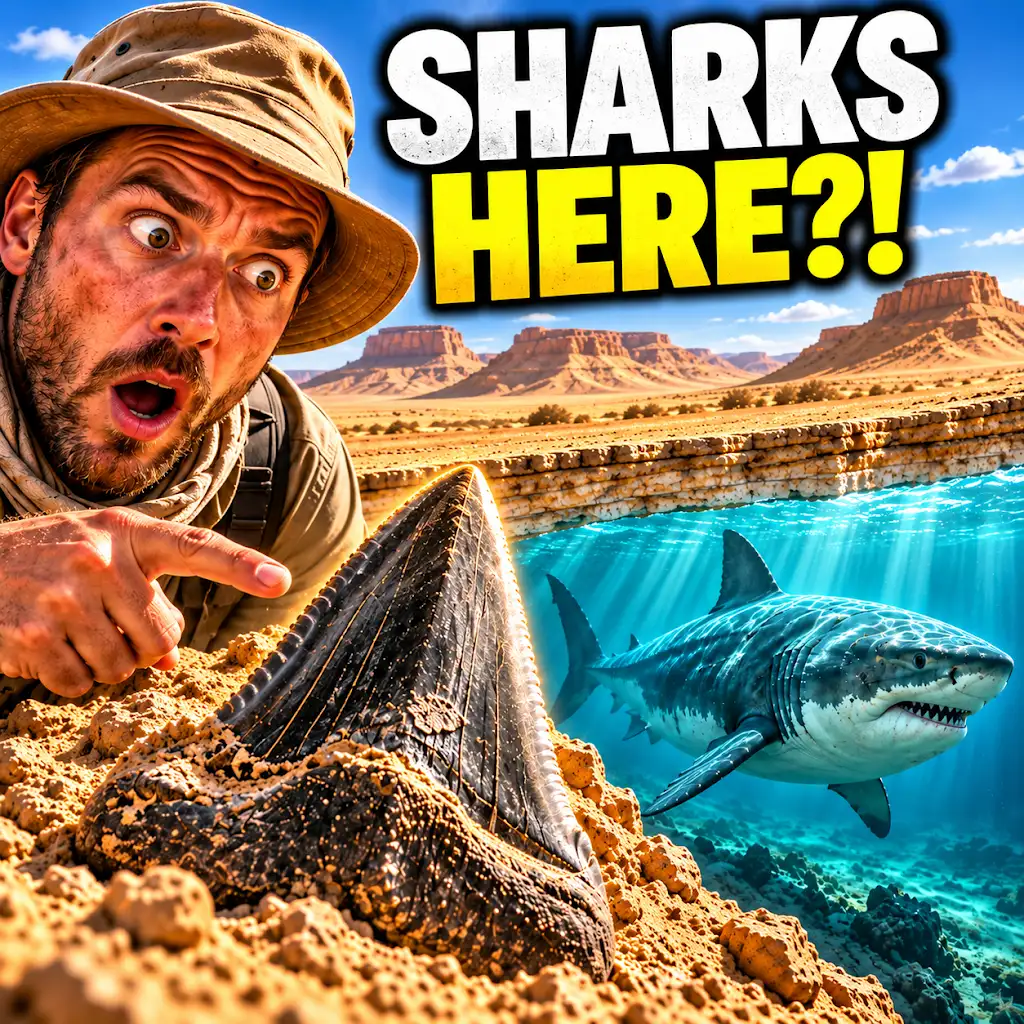
They Found a Shark Graveyard in the Egyptian Desert
FAQs
What is the Cretaceous period?
The Cretaceous period is a geological period that lasted from about 145 to 66 million years ago. It is the last period of the Mesozoic era and is known for the proliferation of dinosaurs and the emergence of flowering plants.
What was the ocean like during the Cretaceous period?
During the Cretaceous period, the ocean was much warmer than it is today, with higher sea levels and different ocean currents. The marine life was diverse, with a wide variety of marine reptiles, mollusks, and other creatures inhabiting the oceans.
What can we learn from a documentary about the Cretaceous ocean?
A documentary about the Cretaceous ocean can provide valuable insights into the marine life, climate, and geological processes of that time. It can also help us understand the impact of environmental changes on marine ecosystems and the evolution of marine species.
What are some key marine species from the Cretaceous period?
Some key marine species from the Cretaceous period include ammonites, mosasaurs, plesiosaurs, ichthyosaurs, and various types of marine reptiles. In addition, there were diverse groups of fish, mollusks, and other invertebrates that thrived in the Cretaceous ocean.
How did the Cretaceous period end?
The Cretaceous period ended with a mass extinction event, often attributed to the impact of a large asteroid or comet. This event led to the extinction of the dinosaurs and many other species, marking the end of the Mesozoic era and the beginning of the Cenozoic era.