
The vast, sun-drenched deserts of North Africa hold secrets far older than the shifting sands that cover them. Beneath the arid surface lie the fossilized remnants of a vibrant and dynamic world, a world dominated by water. Millions of years ago, during the Cretaceous Period (approximately 145 to 66 million years ago), much of North Africa was submerged beneath a warm, shallow sea known as the Tethys Ocean. This ancient marine environment teemed with life, supporting a diverse array of organisms from colossal marine reptiles to intricate mollusk communities. Exploring the Cretaceous Ocean ecosystem of North Africa offers a captivating glimpse into a lost world, revealing the intricate relationships and evolutionary pressures that shaped prehistoric marine life.
The Cretaceous Tethys Ocean was not for the faint of heart. It was a realm ruled by formidable predators, creatures that occupied the apex of the food chain and dictated the flow of energy throughout the ecosystem. These were the titans of their time, whose fossils, found in abundance across North Africa, speak volumes about the power dynamics of this ancient sea.
Mosasaurs: The Dominant Marine Lizards
Perhaps the most iconic inhabitants of the Cretaceous Tethys were the mosasaurs. These were not dinosaurs, but rather a diverse group of marine lizards that evolved from terrestrial ancestors, adapting remarkably to an aquatic existence. Their fossils, particularly well-preserved in regions like Morocco, paint a picture of highly specialized hunters.
Anatomical Marvels of the Mosasaur
Mosasaurs possessed elongated, streamlined bodies, powerful tails for propulsion, and paddle-like limbs that allowed for agile movement through the water. Their skulls were particularly noteworthy, featuring a flexible jaw structure that enabled them to swallow prey much larger than their heads. This adaptation, coupled with rows of sharp, conical teeth, made them incredibly efficient predators. The skull of a mosasaur often resembles that of a monitor lizard but scaled up to terrifying proportions.
Hunting Strategies and Prey
The diet of mosasaurs varied depending on species and size, but it generally included fish, ammonites, belemnites, and even other marine reptiles, including smaller mosasaurs. Their keen senses, likely including excellent vision and a potential ability to detect vibrations through their lower jaw, would have allowed them to locate prey in the often murky waters of the Tethys. Evidence from stomach contents and bite marks on fossilized remains provides invaluable insights into their feeding habits.
Diversity and Evolution within the Mosasauridae
The mosasaur family tree was extensive, with numerous genera and species occupying different ecological niches. From the massive Mosasaurus itself, reaching lengths of over 15 meters, to smaller, more agile species, this group represented a successful evolutionary radiation. Their dominance in the Late Cretaceous Tethys highlights their remarkable adaptation to marine life.
Pliosaurs: The Unrivaled Crocodilian Cousins
While mosasaurs were the queens of the Late Cretaceous, earlier in the period, pliosaurs, a group of short-necked plesiosaurs, were among the apex predators. These marine reptiles, characterized by their massive heads, powerful jaws, and four large flippers, were formidable hunters that patrolled the Mesozoic seas for millions of years.
The Ferocious Jaws of the Pliosaur
Pliosaurs were equipped with enormous skulls, some exceeding 2 meters in length, armed with formidable teeth designed for gripping and tearing. Their musculature was immense, allowing for powerful bites that could crush the shells of ammonites or disable large prey. The sheer size and predatory prowess of these animals would have made them a terrifying sight.
Ecological Role and Fossil Evidence
Pliosaurs occupied a similar predatory niche to mosasaurs in earlier Cretaceous seas, feeding on large fish, other reptiles, and cephalopods. Fossil discoveries in North African Cretaceous deposits, though perhaps less numerous than mosasaur remains in the later period, reveal the presence of these powerful reptiles. Their extinction at the end of the Jurassic period, before the peak of mosasaur diversity, suggests a complex interplay of predator-prey dynamics and environmental shifts.
The Cretaceous ocean ecosystem in North Africa was a vibrant and diverse environment, teeming with marine life that included large predatory dinosaurs, ammonites, and various species of fish. For a deeper understanding of how ancient ecosystems functioned and evolved, you may find it interesting to explore the article on Mexico’s skilled engineering talent, which discusses the importance of innovation and adaptation in different fields. You can read more about it here: Mexico’s Skilled Engineering Talent.
The Abundant Seas: Life in the Mesozoic Waters
Beyond the apex predators, the Cretaceous Tethys was a vibrant ecosystem, teeming with a vast array of life forms that formed the foundation of the food web and contributed to the rich fossil record of North Africa.
Ammonites and Belemnites: The Reign of Cephalopods
Cephalopods, particularly ammonites and belemnites, were incredibly abundant in the Cretaceous Tethys. Their coiled shells and bullet-shaped guards, respectively, are among the most commonly found fossils in North African Cretaceous strata, serving as crucial index fossils for dating rock layers and understanding past marine environments.
The Diverse World of Ammonites
Ammonites were a group of extinct marine mollusks characterized by their chambered, external shells, which varied enormously in shape, size, and ornamentation. From tightly coiled planispiral shells to more complex helical forms, the diversity of ammonites in the Cretaceous was astounding. They swam using jet propulsion and likely grazed on plankton or scavenged on the seabed. Their widespread distribution and rapid evolution make them invaluable for paleontologists.
The Mysterious Belemnites
Belemnites were closely related to modern squid and cuttlefish. They possessed an internal shell called a gladius, and a calcified internal structure known as a rostrum or guard, which is the most commonly preserved part of their fossilized remains. These ancient cephalopods were likely active swimmers, preying on smaller invertebrates and fish. Their presence indicates areas of active predation and open water.
Paleoecological Significance of Cephalopod Abundance
The sheer abundance of ammonites and belemnites in the Cretaceous Tethys signifies a highly productive marine environment. They formed a significant food source for a wide range of predators, including fish, marine reptiles, and even large invertebrates. Their presence also helps to reconstruct the paleoenvironment, indicating water depth, salinity, and temperature.
Ancient Fish: A Diverse and Evolving Lineage
The Cretaceous seas were also home to a remarkable diversity of fish, from small, schooling species to large, predatory forms. These ancient piscine inhabitants played critical roles in the food web, acting as both prey and predators.
Bony Fish: The Rise of Actinopterygians
The Cretaceous Period witnessed the significant diversification of ray-finned fish (Actinopterygii), the group that includes most modern bony fish. Fossils from North Africa reveal a variety of these fish, from herring-like species that likely formed large schools to more specialized forms adapted to different habitats.
Cartilaginous Fish: Sharks and Rays
Sharks and rays, belonging to the class Chondrichthyes, were also well-represented in the Cretaceous Tethys. Fossil teeth and dermal denticles provide evidence of numerous shark species, ranging from small bottom-dwellers to larger predators. The presence of these cartilaginous fish further highlights the complexity of the marine food web.
The Role of Fish in the Ecosystem
Fish served as a primary food source for many larger marine animals, including mosasaurs and pliosaurs. Smaller fish likely fed on plankton and small invertebrates, while larger predatory fish occupied higher trophic levels. The diversity of fish species indicates a range of ecological niches and adaptations within the Cretaceous marine environment.
A World of Shells: Invertebrate Life in the Cretaceous Seas
The seafloor of the Cretaceous Tethys was a bustling metropolis of invertebrate life. Bivalves, gastropods, crustaceans, and echinoderms all contributed to the richness and complexity of this ancient marine ecosystem.
Bivalves: The Foundation of the Seafloor
Bivalves, such as oysters, clams, and scallops, were incredibly common in the Cretaceous Tethys. Their fossilized shells are frequently found, often forming entire beds that indicate areas of calm, shallow water where they could filter feed on plankton.
Diverse Habitats and Filter Feeding
Different species of bivalves adapted to various substrates, from sandy bottoms to rocky outcrops. Their filter-feeding strategy played a crucial role in maintaining water clarity and nutrient cycling within the ecosystem. The diversity of bivalve forms suggests a range of feeding strategies and adaptations to different environmental conditions.
Oysters and Rudistids: Dominant Reef Builders
Certain bivalves, particularly rudistids, played a significant role in the formation of reefs in the Cretaceous Tethys. These extinct mollusks formed complex, often conical or cup-shaped structures that provided habitat and shelter for numerous other marine organisms. Their presence indicates the development of carbonate platforms and shallow marine environments.
Gastropods: The Wandering Grazers
Gastropods, the group that includes snails and slugs, were also abundant. Their coiled shells are frequently found, indicating their presence as grazers on algae and other organic matter on the seafloor.
Diverse Shell Forms and Feeding Adaptations
The variety of gastropod shell shapes and sizes suggests different feeding strategies, from scraping algae to predatory behavior. They were an important part of the benthic community, contributing to bioturbation and nutrient cycling.
Echinoderms: The Starfish and Sea Urchins
Echinoderms, including starfish, sea urchins, and brittle stars, were also present, adding to the diversity of the benthic fauna. Their spiny exteriors and radial symmetry are characteristic features that are well-preserved in the fossil record.
Their Role in the Food Web and Sedimentation
Echinoderms occupied various ecological roles, from predators of bivalves and other invertebrates to detritivores. Their activity on the seafloor also contributed to sediment turnover and nutrient distribution.
Reconstructing the Cretaceous Ocean: Tools and Techniques
Understanding the ancient Cretaceous ocean ecosystem of North Africa relies on the careful study of the fossil record and the application of various scientific disciplines. Paleontologists employ a range of tools and techniques to piece together this lost world.
Fossil Discoveries: Unearthing the Past
The primary source of information comes from the systematic excavation and study of fossils. North Africa, with its vast sedimentary basins, has yielded an exceptional array of marine fossils from the Cretaceous period. These discoveries provide direct evidence of the organisms that inhabited these ancient seas.
Lagerstätten: Sites of Exceptional Preservation
Certain geological formations, known as Lagerstätten, are of particular importance. These sites are characterized by exceptional preservation, where soft tissues, fossilized stomach contents, or articulated skeletons are found, offering unparalleled insights into the biology and behavior of prehistoric creatures.
Stratigraphy and Dating Techniques
Understanding the age of the fossils and their depositional environment is crucial. Stratigraphy, the study of rock layers, and radiometric dating techniques help to establish timelines and reconstruct the sequence of geological events and the evolution of life within the Cretaceous Tethys.
Paleoenvironmental Reconstruction: Painting the Picture
Beyond identifying individual species, paleontologists aim to reconstruct the broader environmental conditions of the Cretaceous Tethys. This involves analyzing various geological and paleontological indicators.
Sedimentology: Clues from the Seabed
The type of sediment in which fossils are found provides clues about the water depth, energy levels, and salinity of the ancient sea. For example, fine-grained mudstones suggest deeper, calmer waters, while sandy limestones indicate shallower, more energetic environments.
Paleobiogeography: Distribution and Migration Patterns
The geographical distribution of fossils can reveal information about ocean currents, migration patterns, and the biogeographical connections between different regions. Studying the presence of specific species in North African deposits compared to other parts of the world helps to understand the extent and connectivity of the Tethys Ocean.
Isotope Analysis: Unlocking Environmental Secrets
Stable isotope analysis of fossilized shells and bones can provide information about ancient ocean temperatures, salinity, and the carbon cycle. These geochemical clues offer a quantitative understanding of the environmental conditions that supported this ancient ecosystem.
The Cretaceous ocean ecosystem in North Africa was a vibrant and complex environment, teeming with diverse marine life that thrived in warm, shallow seas. Researchers have uncovered fascinating insights into this ancient world, revealing how various species interacted and adapted to their surroundings. For those interested in exploring more about the interplay of ancient ecosystems and technological advancements, a related article discusses intriguing concepts that bridge history and innovation. You can read more about it in this fascinating documentary.
Legacy and Ongoing Discoveries: The Enduring Importance of the Cretaceous Tethys
| Metrics | Data |
|---|---|
| Species Diversity | High diversity of marine reptiles, including ichthyosaurs, plesiosaurs, and mosasaurs |
| Plant Life | Abundant marine algae and seagrasses supported a variety of marine herbivores |
| Food Chain | Large marine predators such as sharks and marine reptiles were at the top of the food chain |
| Climate | Warm, tropical climate with shallow seas and coral reefs |
The study of the Cretaceous Ocean ecosystem of North Africa is an ongoing endeavor, continually enriching our understanding of Earth’s history and the evolution of life. The fossils unearthed from these ancient seabeds offer not only a glimpse into a lost world but also invaluable insights into the processes of evolution, adaptation, and extinction.
Evolutionary Insights: Understanding Life’s Transitions
The diverse fossil record from the Cretaceous Tethys provides crucial evidence for evolutionary transitions. The adaptation of terrestrial reptiles to marine life, exemplified by the mosasaurs, offers a powerful case study in evolutionary biology. Observing the diversification of fish, cephalopods, and invertebrates within this environment illuminates the mechanisms of natural selection and speciation.
Understanding Mass Extinctions: Lessons from the Past
The Cretaceous-Paleogene (K-Pg) extinction event, which marked the end of the Cretaceous Period, had a profound impact on marine life. Studying the composition of fossil assemblages before and after this event helps paleontologists understand the causes and consequences of mass extinctions, providing valuable lessons for conservation efforts in the face of modern environmental challenges. The dominance of mosasaurs before their eventual demise offers a poignant example of the cyclical nature of life’s grand tapestry.
Continued Exploration and Future Discoveries
North Africa remains a fertile ground for paleontological research. New fossil discoveries are regularly made, continually refining our understanding of this ancient marine world. Advances in technology, such as 3D scanning and advanced imaging techniques, are further enhancing the analysis of existing fossil collections and facilitating new discoveries. The secrets held within the Cretaceous strata of North Africa are far from fully revealed, promising a wealth of future insights into the vibrant life that once thrived beneath its ancient waters. The ongoing exploration of the Cretaceous Ocean of North Africa serves as a powerful reminder of the dynamic nature of our planet and the enduring story of life’s resilience and adaptability.
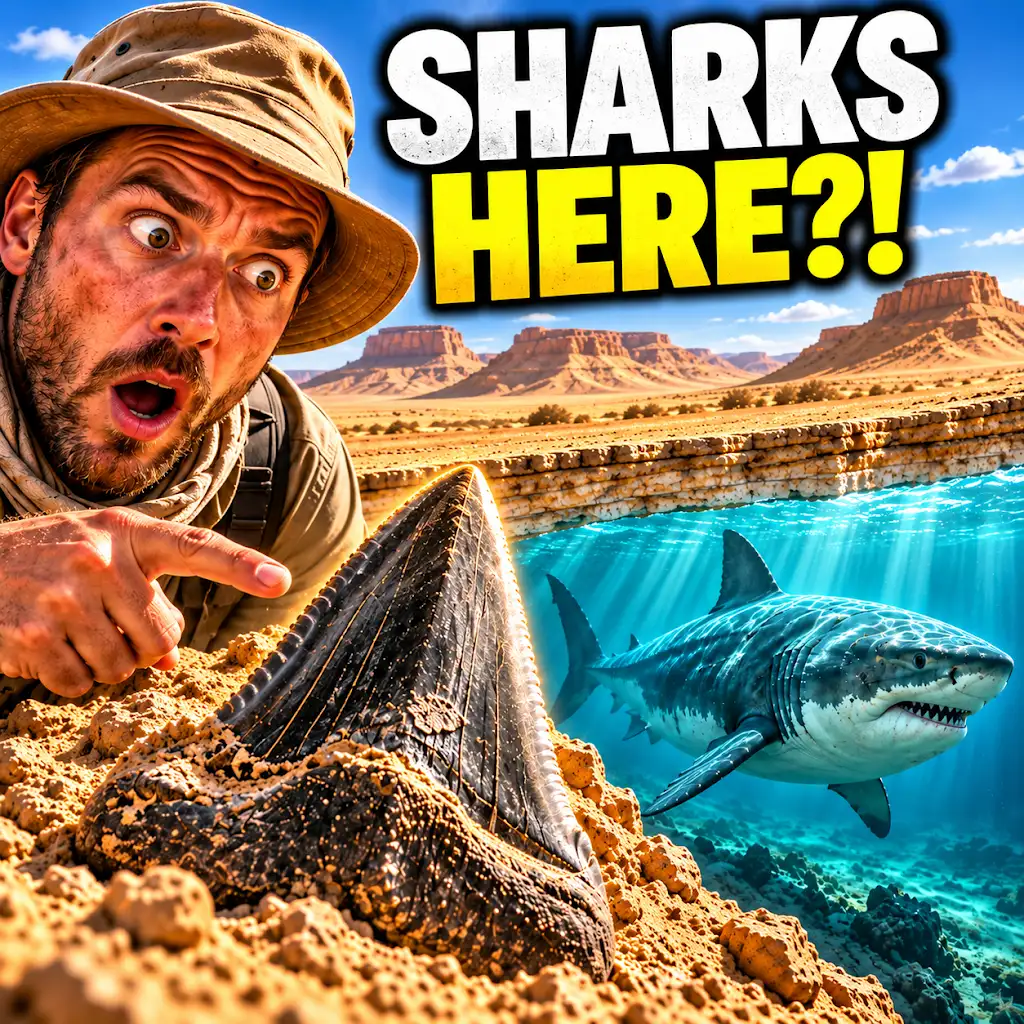
They Found a Shark Graveyard in the Egyptian Desert
FAQs
What was the Cretaceous ocean ecosystem like in North Africa?
The Cretaceous ocean ecosystem in North Africa was characterized by a diverse range of marine life, including ammonites, mosasaurs, plesiosaurs, and various species of fish and sharks. The region was also home to abundant plankton and algae, which formed the base of the food chain.
What evidence supports the existence of the Cretaceous ocean ecosystem in North Africa?
Fossil evidence, including the discovery of marine reptile and invertebrate fossils, as well as sedimentary rock formations, supports the existence of the Cretaceous ocean ecosystem in North Africa. These fossils and rock formations provide valuable insights into the composition and structure of the ancient marine environment.
How did the Cretaceous ocean ecosystem in North Africa contribute to scientific understanding?
The Cretaceous ocean ecosystem in North Africa has contributed significantly to scientific understanding of ancient marine life, evolution, and paleoecology. Studies of the fossils and geological formations in the region have provided valuable information about the diversity, distribution, and behavior of marine organisms during the Cretaceous period.
What impact did the Cretaceous ocean ecosystem in North Africa have on the global environment?
The Cretaceous ocean ecosystem in North Africa played a significant role in the global marine environment during the Cretaceous period. The region’s marine life and ecosystems were interconnected with those in other parts of the world, contributing to the overall biodiversity and ecological balance of the ancient oceans.
What are some key features of the Cretaceous ocean ecosystem in North Africa?
Key features of the Cretaceous ocean ecosystem in North Africa include the presence of diverse marine life, including reptiles, invertebrates, and fish, as well as the abundance of plankton and algae. The region’s geological formations also provide important insights into the ancient marine environment and its ecological dynamics.