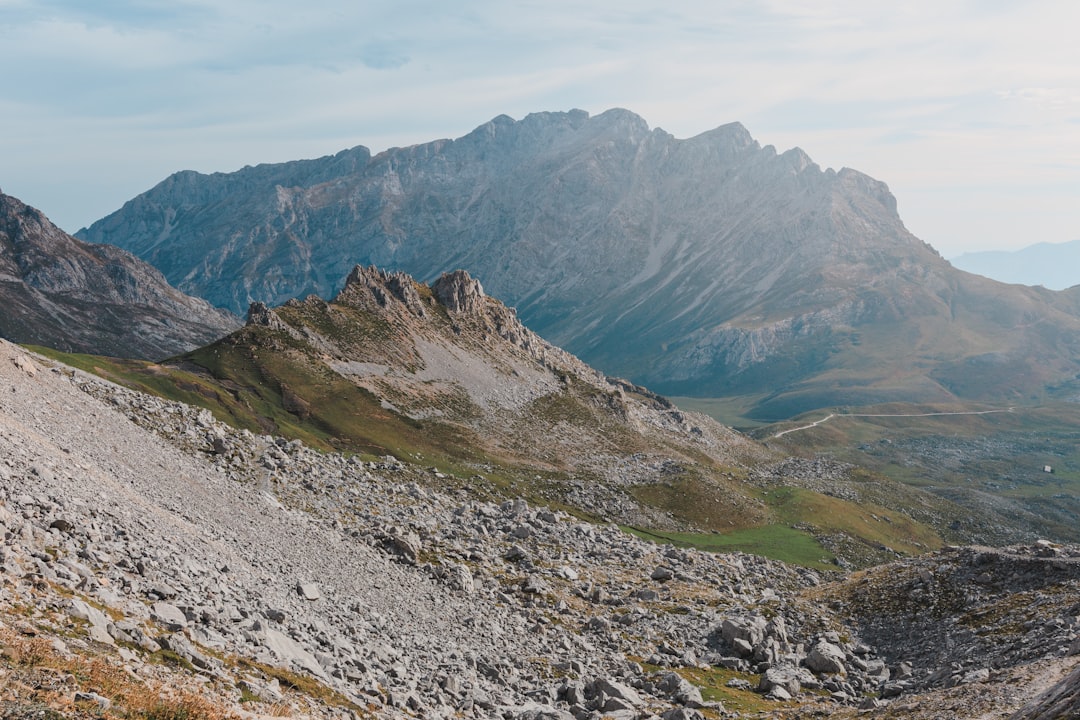
The desert, often perceived as a barren, empty expanse, holds a rich and often overlooked human landscape. For millennia, intrepid peoples have carved out existences in these arid environments, leaving behind a tapestry of forgotten settlements, ingenious adaptations, and enduring cultural legacies. Exploring this forgotten human landscape is not merely an archaeological endeavor; it is a journey into the resilience and ingenuity of humanity in the face of extreme conditions. It is a testament to the fact that life, in its most determined forms, can flourish even in the harshest of environments, leaving behind whispers of stories etched in stone and sand.
The desert, far from being a pristine wilderness untouched by human hands, is a palimpsest of past civilizations. Evidence of human presence stretches back thousands of years, revealing a history of adaptation and survival that predates modern notions of settlement and infrastructure. These early inhabitants, often nomadic or semi-nomadic, were intimately connected to the rhythms of the desert, their lives dictated by the availability of water, the migratory patterns of game, and the subtle shifts of the seasons. Their existence, though often ephemeral, has left indelible marks on the landscape, waiting to be rediscovered and understood.
The Nomadic Heartbeat: Mobility and Adaptation
Before the advent of settled agriculture and permanent structures, nomadic peoples were the primary custodians of the desert. Their lives were characterized by constant movement, following ancient routes dictated by necessity and tradition. These journeys were not random wanderings but carefully planned expeditions, relying on deep knowledge of the land, its resources, and its hidden water sources.
Water: The Lifeblood of Nomadic Existence
The search for water was the paramount concern for any desert-dwelling nomadic group. Knowledge of wadis (dry riverbeds that can hold water after rainfall), natural springs, and techniques for collecting dew and rainwater were vital for survival. These skills were passed down through generations, a form of oral geography that was as crucial as any map.
Subsistence Strategies: Beyond Hunting and Gathering
While hunting and gathering played a role, many nomadic groups developed sophisticated subsistence strategies that extended beyond mere foraging. They herded animals like goats, sheep, and camels, which were remarkably well-suited to the arid conditions. These animals provided not only food (milk, meat) but also materials for clothing, shelter, and tools.
The Portable Dwelling: Homes on the Move
Traditional nomadic dwellings were designed for portability and adaptability. Yurts, tents made of animal skins or felt, and simple structures that could be quickly erected and dismantled allowed these communities to relocate with relative ease. The construction and maintenance of these homes were often a communal effort, fostering strong social bonds.
Evidence in the Dust: Archaeological Clues
Archaeological sites offer tangible evidence of these past lives. Surface scatters of stone tools, pottery shards, hearths, and burial grounds are often the only remnants of human activity. These artifacts, though seemingly humble, provide invaluable insights into the daily lives, technologies, and social structures of ancient desert dwellers.
Lithic Technologies: Tools of Survival
The study of stone tools, or lithic analysis, reveals the ingenuity of early desert inhabitants. They crafted a wide array of tools for hunting, butchering, preparing food, and working with materials. The types of stone used and the techniques of knapping employed can help archaeologists date sites and understand the movement of people and ideas.
Ceramic Traces: Stories in Clay
Pottery shards, even fragmented ones, tell their own stories. The style, decoration, and firing techniques of ancient ceramics can reveal cultural affiliations, trade networks, and the evolution of artistic expression. The presence of cooking pots or storage vessels indicates specific uses and aspects of daily life.
The concept of forgotten human landscapes in the desert often evokes images of ancient civilizations and their remnants, but it also parallels the vulnerabilities faced by modern habitats in extreme environments. For an intriguing exploration of how these vulnerabilities can impact human endeavors, consider reading the article on the potential threats to lunar habitats, which highlights the challenges of establishing human presence in hostile terrains. You can find it here: Vulnerability of Lunar Habitats to Attack: A Threat to Space Exploration.
Architects of Aridity: Engineering Ingenuity
The human capacity for adaptation is nowhere more evident than in the ingenious solutions developed to manage and utilize water in desert environments. These ancient engineers, driven by necessity, created complex systems that sustained life and agriculture in regions that would seem inhospitable to outsiders. Their legacy is a testament to human innovation and a stark contrast to the perception of the desert as an empty canvas.
Water Harvesting Systems: Capturing Every Drop
The most significant contributions of these desert inhabitants to the human landscape are their remarkable water harvesting systems. These were not simply ad hoc measures but carefully planned and constructed infrastructure designed to capture, store, and distribute precious water resources.
Terracing and Contour Farming: Embracing the Slope
In hilly or mountainous desert regions, terraces were ingeniously constructed to slow down rainwater runoff and allow it to seep into the soil. Contour farming, where fields are plowed along the natural contours of the land, achieved a similar effect, preventing soil erosion and maximizing water retention.
Cisterns and Reservoirs: Storing the Scarcity
Underground cisterns and open-air reservoirs were essential for storing water collected during infrequent rainfall. These structures, often lined with plaster to prevent seepage, could hold enough water to sustain communities through prolonged dry periods. The sheer scale of some of these ancient reservoirs is awe-inspiring, showcasing the collective effort and planning involved.
Qanats and Foggara: The Underground Arteries
Perhaps the most sophisticated water management systems are the qanats (in Persia and the Middle East) and foggaras (in North Africa). These are underground tunnels that tap into groundwater sources at higher elevations and channel water by gravity to lower-lying settlements and agricultural fields.
The Science of the Qanat
The construction of a qanat is a marvel of ancient engineering. A series of vertical shafts are dug at regular intervals, allowing workers to excavate the horizontal tunnel below. The gradient of the tunnel is meticulously calculated to ensure a constant flow of water without excessive erosion. These systems could extend for many kilometers, demonstrating an extraordinary understanding of hydrology and geology.
The Social and Economic Impact of Qanats
Qanats not only provided water for drinking and irrigation but also transformed desert landscapes into fertile oases, enabling the growth of villages and the development of agriculture. They were often community projects, with different villages or families responsible for different sections, fostering a sense of shared responsibility and interdependence.
Managing the Sun: Shelter and Shade
Beyond water management, ancient desert dwellers also developed ingenious ways to cope with the intense heat and sunlight. Their shelters and settlements were designed to maximize shade and natural ventilation, creating microclimates that offered respite from the harsh desert conditions.
Vernacular Architecture: Homes of Earth and Stone
Traditional desert architecture often utilized local materials like adobe, mud brick, and stone. These materials have excellent thermal properties, absorbing heat during the day and releasing it slowly at night, helping to regulate indoor temperatures.
Courtyard Houses: Inner Sanctuaries
Many desert dwellings featured internal courtyards, which provided a private and shaded outdoor space. These courtyards often contained plants and water features, further contributing to a cooler environment. The orientation of buildings and the placement of windows were carefully considered to minimize direct sunlight.
Wind Catchers: Natural Air Conditioning
In some regions, “wind catchers” or “wind towers” were incorporated into buildings. These structures, rising above the roofline, capture prevailing winds and direct them down into the building, providing natural ventilation and cooling.
The Sacred Sands: Belief and Ritual
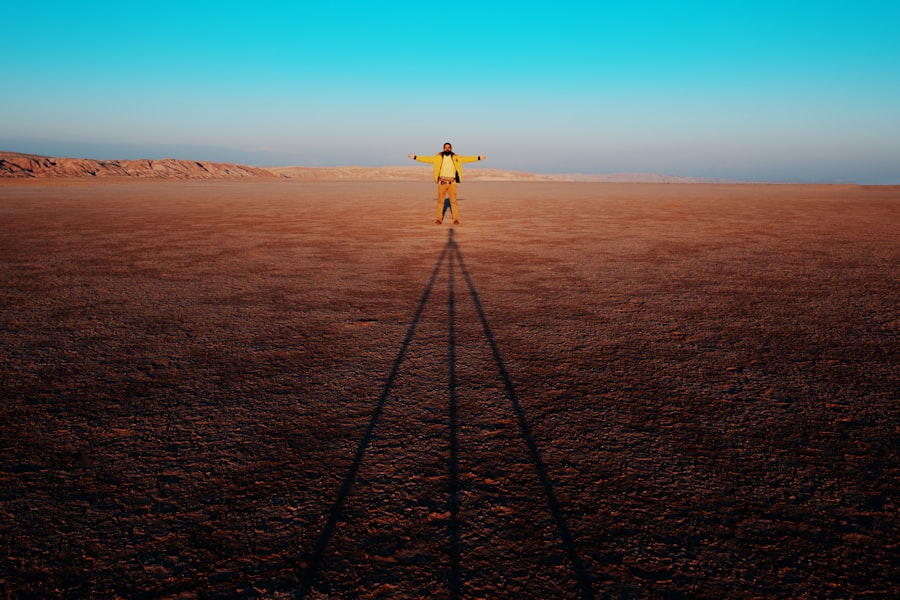
The desert, with its stark beauty and challenging environment, has always held a profound spiritual significance for its inhabitants. The vastness of the sky, the silence, and the harsh realities of life and death often fostered a deep connection to the divine and the unknown. Ancient peoples left behind a rich tapestry of sacred sites, symbolic art, and ritualistic practices that speak to their worldview.
Places of Power: Sacred Landscapes
Certain natural features in the desert were imbued with spiritual significance. Mountains, rock formations, springs, and even particular trees could be considered sacred places, points of contact between the human and the divine.
Rock Art: Messages from the Past
Cave paintings and petroglyphs found throughout desert regions are some of the most compelling expressions of ancient belief systems. These artworks often depict animals, human figures, geometric patterns, and abstract symbols, offering glimpses into the spiritual beliefs, myths, and rituals of their creators.
Interpretation and Symbolism
Deciphering the exact meaning of rock art can be challenging, but scholars often interpret recurring motifs as representing deities, spirits, astronomical events, or important life cycle rituals like hunting success or fertility. The act of creating rock art itself may have been a form of ritual, a way to communicate with the spiritual realm or to imbue a place with power.
Shrines and Altars: Offerings to the Gods
Evidence of ancient shrines and altars, often marked by arrangements of stones or specific offerings, can be found in prominent locations. These sites were likely used for ceremonies, prayers, and sacrifices, a way for communities to seek favor from their gods or to appease them.
Rituals of Life and Death: Cycles of Existence
The stark realities of desert life, particularly the ever-present threat of scarcity and the fragility of existence, undoubtedly shaped their understanding of life and death. Their rituals often reflected these cycles and their desire for continuity.
Burial Practices: Honoring the Departed
Ancient burial practices in the desert varied widely, but they often reveal a deep respect for the dead and a belief in an afterlife. Simple graves, elaborate tombs, and ceremonial burials all provide clues about their social hierarchies and spiritual beliefs. The inclusion of grave goods, such as tools, pottery, or personal ornaments, suggests a desire to equip the deceased for their journey into the next world.
Ceremonies of Passage: Marking Life’s Milestones
Rituals surrounding birth, puberty, marriage, and death were undoubtedly important for these communities. While direct evidence for many of these ceremonies might be scarce, the presence of specific artifacts or the context of certain sites can suggest their occurrence. These rituals likely served to reinforce social bonds, transmit cultural knowledge, and mark the transitions that defined an individual’s life within the community.
Echoes of Commerce: Desert Trade Routes
The desert, far from being a barrier, often served as a bridge, connecting distant civilizations through intricate networks of trade routes. These ancient pathways, traversed by caravans laden with goods, facilitated the exchange of not only commodities but also ideas, technologies, and cultural influences, leaving an enduring mark on the human landscape.
The Caravan as a Lifeline: Connecting Worlds
For centuries, caravans were the arteries of desert commerce. These organized groups of merchants, travelers, and their beasts of burden navigated the treacherous terrain, carrying valuable goods across vast distances. The organization and protection of these caravans were crucial for their success and survival.
Commodities of the Ancient World: More Than Just Luxury
The goods exchanged along these routes were diverse. Precious metals, spices, textiles, grains, livestock, and slaves were all part of the ancient trade. These commodities were not merely luxury items for elites; they were essential for the daily lives and economies of the communities they connected.
The Oasis Economy: Hubs of Exchange
Oases, with their access to water and relative security, became vital hubs for desert trade. These settlements served as resting places for caravans, where goods could be exchanged, supplies replenished, and travelers could find respite. The development of these oases often led to the growth of permanent settlements and the emergence of distinct economic and cultural centers.
The Cultural Crossroads: Exchange of Ideas and Technologies
Beyond the tangible goods, desert trade routes played a pivotal role in the diffusion of knowledge, technologies, and cultural practices. The movement of people across these vast distances meant that innovations in agriculture, metallurgy, architecture, and even religious ideas were shared and adapted.
The Spread of Religions and Philosophies
Major religions and philosophical traditions often traveled along these trade routes. Buddhism, Christianity, and Islam, among others, spread across vast geographical areas, influencing the spiritual and intellectual landscapes of countless communities.
Technological Diffusion: Innovations on the Move
New technologies, from agricultural techniques to methods of irrigation and construction, also moved along these routes. The adoption and adaptation of these innovations helped to shape the development of different societies and their ability to thrive in their respective environments.
In exploring the forgotten human landscape in the desert, one can uncover remnants of past civilizations that once thrived in these arid regions. These sites tell stories of resilience and adaptation, revealing how people have interacted with their environment over centuries. For a deeper understanding of how humanity’s relationship with the cosmos has evolved, you might find it interesting to read about the shifting perspectives on exploration in the article The End of Peaceful Space Exploration, which highlights the complexities of our ambitions beyond Earth.
The Persistent Legacy: Modern Relevance of Desert Heritage
| Location | Population | Infrastructure | Challenges |
|---|---|---|---|
| Desert region | Low | Limited | Water scarcity, extreme temperatures |
| Abandoned settlements | Uninhabited | Deteriorating | Preservation, restoration |
| Nomadic tribes | Varies | Basic | Access to resources, modernization |
The forgotten human landscape of the desert is not merely a relic of the past; it holds a persistent and increasingly relevant legacy for the present and future. Understanding the ingenuity and resilience of ancient desert dwellers offers valuable lessons for contemporary challenges, from sustainable resource management to cultural preservation.
Lessons in Sustainability: Harmonizing with Nature
The traditional practices of desert inhabitants offer a powerful model for sustainable living in arid and semi-arid regions. Their deep understanding of water conservation, their use of local and renewable materials, and their respect for ecological limits provide invaluable insights for addressing modern environmental challenges like desertification and water scarcity.
Water Management in the 21st Century
The ancient qanat systems, for instance, demonstrate a remarkably efficient and low-impact method of water distribution. Modern engineers and hydrologists are re-examining these traditional techniques, seeking to adapt them for contemporary water management strategies. The emphasis on gravity-fed systems and minimal evaporation offers a stark contrast to many modern, energy-intensive water infrastructure projects.
Vernacular Architecture and Climate Resilience
The principles of vernacular desert architecture, focused on natural cooling, insulation, and the use of local materials, are gaining renewed attention in the context of climate change and the need for energy-efficient building practices. These traditional designs offer a blueprint for creating resilient and comfortable living spaces in hot climates.
Cultural Preservation and Identity: Connecting with the Past
The rediscovery and study of desert heritage are crucial for understanding the cultural diversity and the deep historical roots of societies that inhabit these regions. Preserving archaeological sites, documenting traditional knowledge, and supporting the continuation of cultural practices are vital for maintaining cultural identity and fostering a sense of continuity.
Tourism and Responsible Engagement
While tourism can bring economic benefits, it also poses a risk to fragile desert environments and cultural sites. Responsible tourism practices, focused on education, respect for local cultures, and minimal environmental impact, are essential for ensuring that the exploration of the human landscape benefits both visitors and host communities.
The Future of Desert Dwellers: Bridging the Past and Present
The descendants of the ancient desert peoples continue to inhabit these landscapes, often facing new challenges brought about by globalization and climate change. Recognizing and valuing their heritage, supporting their traditional livelihoods where appropriate, and ensuring their voices are heard in decisions affecting their lands are crucial steps in building a more equitable and sustainable future. The forgotten human landscape is not truly forgotten; it is a living testament to the enduring spirit of humanity, waiting to be understood, appreciated, and learned from.

260 Ancient Graves Were Hiding in This “Empty” Desert
FAQs
What is the forgotten human landscape in the desert?
The forgotten human landscape in the desert refers to the remnants of human settlements, structures, and artifacts that have been abandoned and left to decay in arid and remote desert regions.
Why are these human landscapes forgotten?
These human landscapes are often forgotten due to factors such as the passage of time, natural erosion, and the migration of populations away from these remote desert areas.
What can be found in these forgotten human landscapes?
These forgotten human landscapes can contain a variety of artifacts and structures, including abandoned buildings, ancient ruins, petroglyphs, and other evidence of past human habitation and activity.
Why are these forgotten human landscapes important?
These forgotten human landscapes are important because they provide valuable insights into the history, culture, and way of life of past civilizations and societies that once inhabited these desert regions.
How can these forgotten human landscapes be preserved and studied?
Efforts to preserve and study these forgotten human landscapes often involve archaeological research, conservation initiatives, and the establishment of protected areas to safeguard these sites from further degradation and destruction.