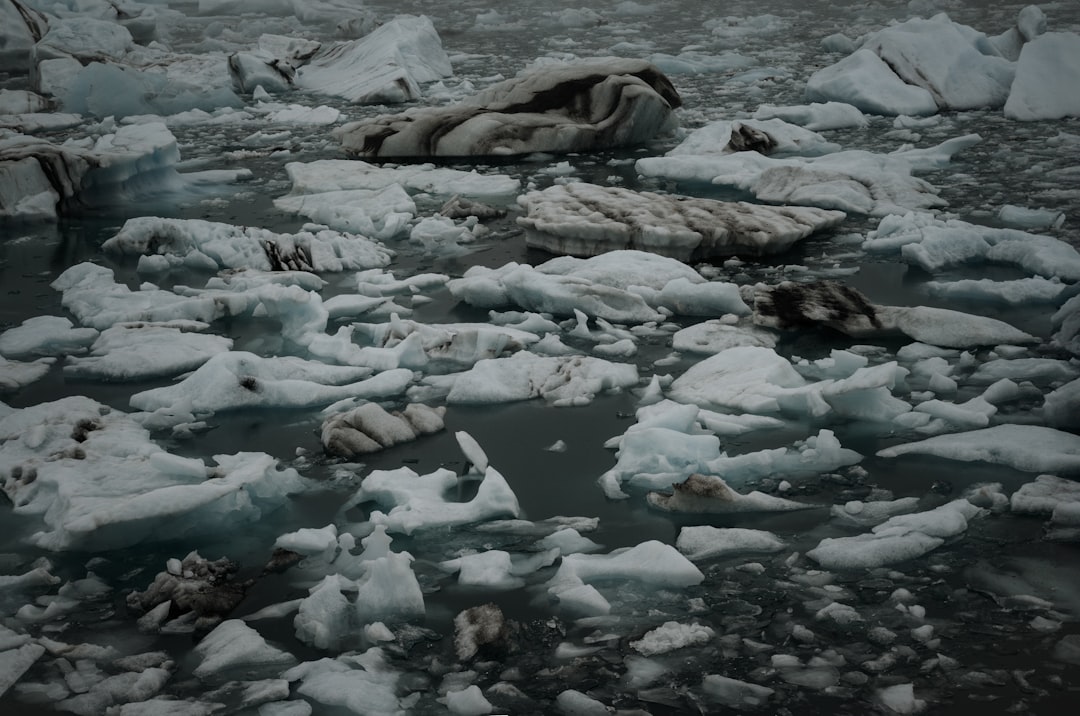
The biting wind whipped across the desolate polar landscape, a relentless sculptor of ice and snow. For millennia, Antarctica had held its secrets close, a vast, frozen expanse largely untouched by human hands. Yet, beneath the seemingly inert blanket of ice, a world teemed with life, a forgotten realm whose existence was only just beginning to be unveiled. Scientists, armed with cutting-edge technology and an insatiable curiosity, ventured into this subglacial frontier, seeking to understand the complex ecosystems that thrived in perpetual darkness, a testament to life’s remarkable adaptability.
The sheer scale of Antarctica’s ice sheet presented an almost insurmountable challenge. Kilometers of solid ice separated the surface world from the potential wonders below. For years, these subglacial environments were considered barren, inhospilitable voids. However, a growing body of evidence, from the discovery of subglacial lakes to chemical analyses of meltwater, hinted at a hidden biosphere. The allure of this unexplored territory was profound. It offered a pristine laboratory, free from the direct influences of human activity, where scientists could study the fundamental principles of life and evolution in an extreme environment. The possibility of discovering entirely new species, adapted to unique conditions of pressure, temperature, and lack of sunlight, fueled a surge of scientific interest and a race against time to explore before the encroaching effects of climate change irrevocably altered these fragile ecosystems.
Whispers from Beneath the Ice: Early Discoveries
The first inklings of a subglacial world came not from direct observation, but from indirect evidence. Satellite imagery revealed anomalies in the ice sheet, suggesting the presence of liquid water bodies trapped beneath the ice. These were initially viewed with skepticism, but as more data accumulated, the concept of subglacial lakes gained traction.
Lake Vostok: The Enigmatic Giant
Perhaps the most famous of these subterranean water bodies is Lake Vostok. Discovered in the 1960s, this vast lake, roughly the size of Lake Ontario, has remained isolated from the atmosphere for millions of years. Its icy prison, kilometers thick, created a unique environment where life, if it existed, would have evolved in complete isolation. The challenges of accessing Lake Vostok were immense, involving the careful drilling through the ice sheet to avoid contaminating the pristine waters. Decades of planning and technological development culminated in the successful penetration of the ice, opening a window into this ancient, hidden world.
Other Subglacial Lakes: A Network of Hidden Worlds
Lake Vostok was not an isolated phenomenon. Subsequent research identified a network of hundreds of other subglacial lakes scattered across the Antarctic continent. Each of these lakes, varying in size and depth, represented a distinct micro-ecosystem, potentially harboring unique forms of life. Understanding the connectivity between these lakes, the flow of water, and the exchange of nutrients became a crucial area of research.
The exploration of the forgotten world beneath the ice has unveiled remarkable insights into ancient civilizations and their technological advancements. This intriguing topic is further explored in a related article that discusses how ancient technology influenced political control throughout history. For more information, you can read the article here: The Influence of Ancient Technology on Political Control.
The Nature of the Subglacial Environment
The conditions beneath the Antarctic ice are far from what is typically associated with life. The absence of sunlight, the immense pressure from the overlying ice, and the frigid temperatures create an extreme environment. Yet, it is precisely these challenging conditions that drive the evolution of unique biological strategies for survival.
Perpetual Darkness and the Absence of Photosynthesis
The most striking feature of the subglacial world is the complete absence of sunlight. This means that photosynthesis, the basis of most surface ecosystems, cannot occur. Life here must rely on alternative energy sources. This fundamental difference forces a radical rethinking of how life sustains itself in such an environment.
Chemosynthesis: Life’s Alternative Energy Source
Instead of sunlight, organisms in subglacial environments often rely on chemosynthesis. This process involves deriving energy from chemical reactions, typically by oxidizing inorganic compounds like sulfur or methane released from the Earth’s crust. Microbes, the primary inhabitants of these dark realms, play a crucial role in converting these chemical energy sources into forms that can be utilized by other organisms, forming the base of the subglacial food web.
Extreme Pressure and Temperature
The weight of the ice sheet exerts immense pressure on the water bodies and any organisms within them. Temperatures, while above freezing in the liquid water, are still extremely low, often hovering just above 0°C. Organisms living in these conditions must possess specialized proteins and cell membranes that can function efficiently under such duress.
Adaptations for Survival: Piezophiles and Psychrophiles
Life in this environment has led to the evolution of remarkable adaptations. Organisms known as piezophiles are adapted to high pressure, while psychrophiles thrive in cold temperatures. These adaptations allow them to maintain cellular integrity and metabolic function in conditions that would be lethal to most surface-dwelling life forms.
Unveiling the Subglacial Biosphere
The exploration of subglacial environments is a sophisticated undertaking, requiring specialized equipment and meticulous planning to ensure the integrity of the pristine ecosystems being studied. The process of sampling and analysis is as crucial as the drilling itself.
Drilling Technologies: Navigating the Ice
The primary method for accessing subglacial lakes involves specialized hot-water drills. These drills use sterile, heated water to melt a path through the ice, minimizing the risk of contamination. The process is slow and painstaking, with constant monitoring and sterilisation protocols to protect the delicate environment.
Clean Access Protocols: Protecting Pristine Worlds
The scientific community has developed stringent “clean access” protocols to prevent the introduction of foreign microbes into subglacial environments. This includes sterilizing all equipment, using filtered water, and employing advanced containment measures. The goal is to gather data without leaving an indelible mark on the untouched biosphere.
Sampling and Analysis: Decoding Life’s Secrets
Once access is gained, scientists deploy specialized sampling tools, such as sediment corers and water samplers, to collect material from the subglacial environment. These samples are then analyzed using a range of techniques, from DNA sequencing to microscopy, to identify and characterize the organisms present.
Genetic Barcoding and Metagenomics: Identifying the Unseen
Modern genetic techniques, such as DNA barcoding and metagenomics, have revolutionized our understanding of subglacial life. These methods allow scientists to identify a vast array of microbial species, even those that cannot be cultured in the lab. Metagenomics, in particular, provides a snapshot of the entire microbial community, revealing their functional potential and interactions.
The Significance of Subglacial Ecosystems
The discovery and study of subglacial ecosystems hold profound implications, extending far beyond the boundaries of polar science. These hidden worlds offer insights into the origins of life, the potential for life on other planets, and the resilience of life in the face of extreme conditions.
Astrobiological Implications: Searching for Extraterrestrial Life
The existence of life in Antarctica’s subglacial lakes provides a compelling analogue for the potential for life on other icy worlds in our solar system, such as the moons of Jupiter and Saturn. Enceladus and Europa, with their subsurface oceans, are prime targets in the search for extraterrestrial life. Understanding how life thrives in Earth’s subglacial environments enhances our ability to design missions and interpret data from these distant worlds.
Early Earth Analogues: Tracing the Origins of Life
The extreme conditions in subglacial lakes are thought to resemble those of early Earth, when life first emerged. Studying these isolated ecosystems can provide clues about the biochemical pathways and evolutionary pressures that shaped life in its nascent stages. It offers a window into a past that is otherwise inaccessible to direct study.
Biodiversity and Evolution in Isolation
The isolation of subglacial lakes for millions of years has led to the evolution of unique lineages of organisms. Studying this isolated evolution can reveal novel genetic pathways, adaptations, and the processes by which new species emerge. The discovery of endemic species within these lakes underscores the importance of preserving these unique environments.
Endemism and Evolutionary Pathways
The identification of species found nowhere else on Earth within specific subglacial lakes highlights the power of isolation as a driver of evolution. Understanding the genetic makeup and adaptations of these endemic species can provide invaluable insights into the mechanisms of speciation and diversification under extreme environmental pressures.
Exploring the forgotten world beneath the ice reveals not only ancient landscapes but also the potential for significant discoveries that could reshape our understanding of history. In a related article, the impact of nearshoring on American jobs highlights how shifts in global trade can influence local economies and employment opportunities. This connection between environmental changes and economic trends underscores the importance of adapting to new realities. For more insights, you can read the full article here.
Challenges and Future Directions
Despite the remarkable progress made in exploring the subglacial world, numerous challenges remain. The vastness and accessibility limitations of Antarctica, coupled with the inherent difficulties of working in extreme environments, mean that much remains to be discovered.
Resource Limitations and Technological Advancements
Exploring the subglacial frontier is an expensive and technologically demanding endeavor. Continued investment in research and development is crucial for improving drilling efficiency, sampling techniques, and analytical capabilities. This will enable scientists to explore a greater number of sites and gather more comprehensive data.
Developing More Efficient Drilling and Sampling Methods
Future research will focus on developing lighter, more automated, and energy-efficient drilling and sampling systems. Innovations in submersible robotics capable of navigating under the ice and transmitting data in real-time will also be transformative, allowing for longer and more detailed explorations of these remote environments.
Conservation and Climate Change: A Race Against Time
The greatest threat to the subglacial world may come from the very surface world that is now discovering it. Climate change is causing Antarctic ice to melt at an accelerated rate, which could disrupt the delicate balance of subglacial ecosystems and potentially lead to their demise before they are fully understood. This adds a sense of urgency to the ongoing research efforts.
Monitoring and Mitigation Strategies for Climate Impacts
Understanding how climate change impacts these unique ecosystems is paramount. Scientists are working to monitor changes in ice thickness, meltwater influx, and water chemistry within subglacial lakes. Developing strategies to mitigate the effects of climate change on these fragile environments, where possible, will be a critical aspect of future research and conservation efforts.
The exploration of the forgotten world beneath the ice of Antarctica is an ongoing odyssey, a testament to human ingenuity and our enduring quest to understand the vastness of life on our planet and beyond. Each discovery whispers tales of resilience, adaptation, and the boundless potential of life in the most unexpected of places. The ice sheet, once perceived as a sterile barrier, has revealed itself to be a protective shroud, safeguarding a vibrant, hidden biosphere, a testament to the enduring power and mystery of Earth’s final frontier.

The Boulder That Shouldn’t Exist
FAQs

What is the forgotten world beneath the ice?
The forgotten world beneath the ice refers to the vast network of subglacial lakes and rivers that exist beneath the Antarctic ice sheet.
How were these subglacial features discovered?
These subglacial features were discovered using satellite imagery, ice-penetrating radar, and other remote sensing techniques.
What makes the subglacial environment unique?
The subglacial environment is unique because it is isolated from the outside world, has extreme pressure and temperature conditions, and contains a diverse ecosystem of microorganisms.
Why are scientists interested in studying the subglacial environment?
Scientists are interested in studying the subglacial environment because it can provide insights into the history of the Antarctic ice sheet, the potential for life in extreme environments, and the impacts of climate change.
What are the potential implications of the subglacial environment?
The potential implications of the subglacial environment include understanding the stability of the Antarctic ice sheet, the potential for unique forms of life, and the impact of melting ice on global sea levels.