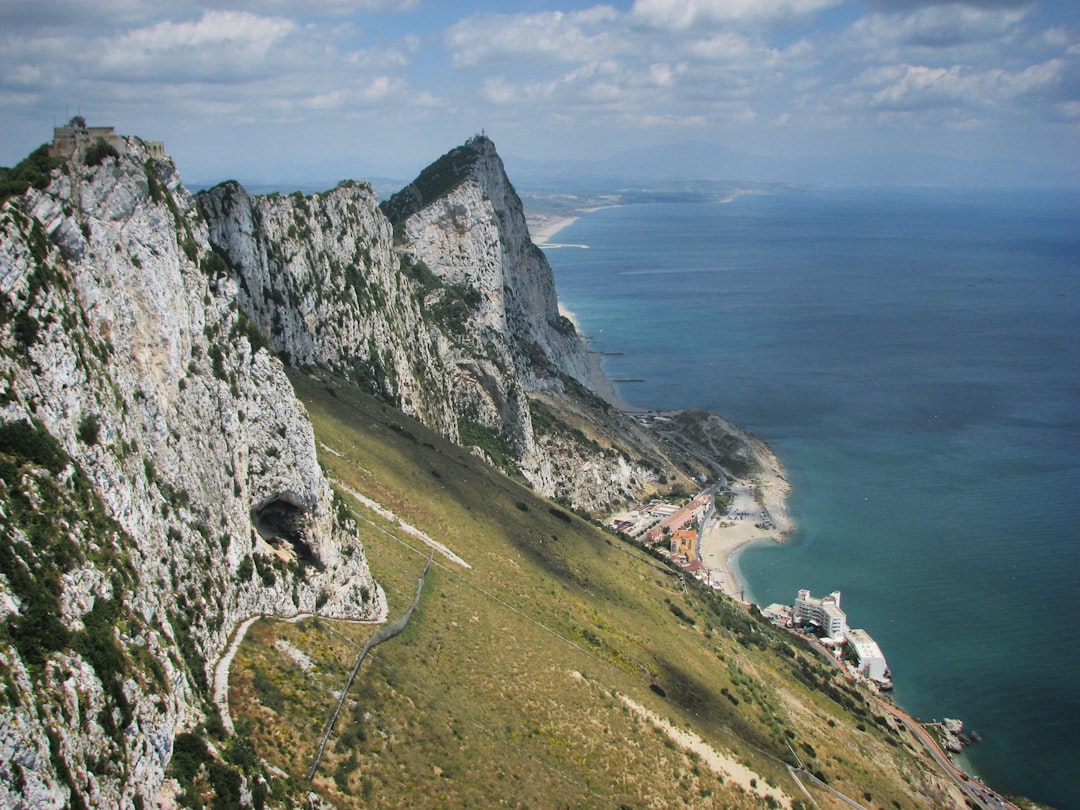
Gibraltar, a formidable limestone monolith perched at the southern tip of the Iberian Peninsula, stands as a testament to millennia of geological processes. Its strategic location, commanding the narrow Strait of Gibraltar, has not only shaped its human history but also its very geological identity. From ancient seabed to towering promontory, the Rock of Gibraltar boasts a rich and complex geological narrative, imprinted in its strata, caves, and unique formations. Exploring its geology offers a fascinating journey through time, revealing the powerful forces that have sculpted this iconic landmark.
The story of Gibraltar’s formation begins deep in prehistory, long before human eyes witnessed its grandeur. Millions of years ago, the landmass that would eventually become Gibraltar was submerged beneath the vast Tethys Sea, a sprawling ocean that separated the super

When the Mediterranean Became a Desert | The Messinian Salinity Crisis Explained
FAQs
What is the geology of Gibraltar?
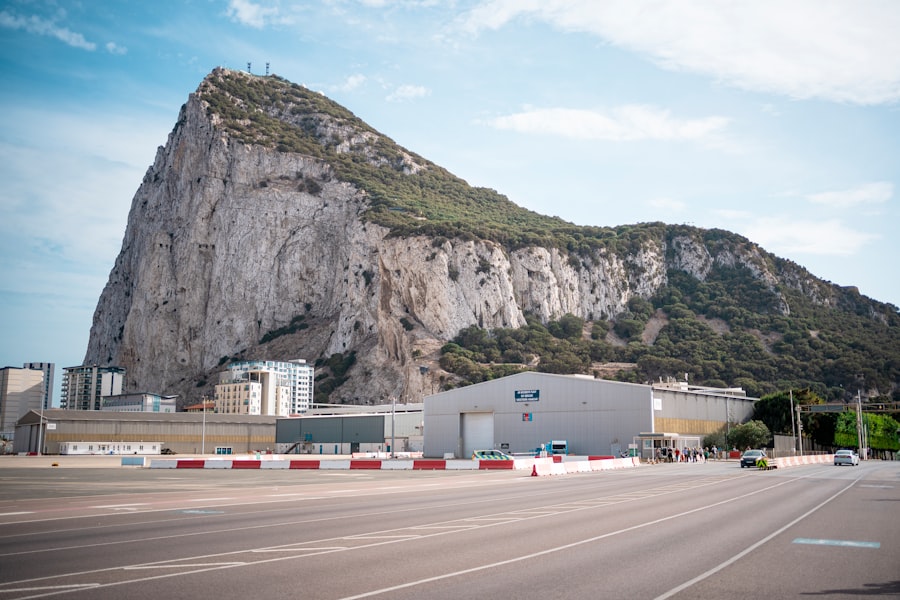
The geology of Gibraltar is primarily composed of Jurassic age limestone and shale, with some areas of younger Pleistocene sediments. The limestone and shale were formed from the accumulation of marine sediments over millions of years.
How was the limestone in Gibraltar formed?
The limestone in Gibraltar was formed through the accumulation of marine sediments on the sea floor during the Jurassic period, approximately 200 million years ago. Over time, these sediments were compressed and cemented together to form the limestone rock that is visible today.
What geological features are found in Gibraltar?
Gibraltar is known for its iconic limestone rock formations, including the famous Rock of Gibraltar. The area also features caves, such as St. Michael’s Cave, which were formed through the dissolution of limestone by groundwater.
Are there any active geological processes in Gibraltar?
While Gibraltar is not located near any active tectonic plate boundaries, there are still some ongoing geological processes in the area. These include the gradual erosion of the limestone cliffs by the sea, as well as the formation of stalactites and stalagmites in the limestone caves.
How does the geology of Gibraltar impact the local environment?
The geology of Gibraltar plays a significant role in shaping the local environment. The limestone rock provides a unique habitat for a variety of plant and animal species, and the caves offer shelter for bats and other wildlife. Additionally, the geology influences the availability of groundwater and affects the stability of the land for construction and development.