The vast, ochre expanse of the Sahara Desert is a landscape most people associate with unrelenting dryness, towering dunes, and a timeless, almost alien, beauty. Yet, a recent documentary promises to shatter these preconceived notions, inviting audiences on a journey to explore a forgotten chapter of the Earth’s history: the Green Sahara. This captivating film delves into a period when this now-arid heartland teemed with life, a time of lush savannas, abundant water, and a vibrant ecosystem that supported not only wildlife but also early human civilizations. It is a narrative presented not as a dry historical account but as a thrilling exploration, a detective story piecing together clues from ancient landscapes and modern scientific discovery.
The Anthropocene’s Shadow and the Sahara’s Secrets
The documentary opens by setting the stage, juxtaposing the modern image of the Sahara with the scientific evidence of its verdant past. It acknowledges the contemporary challenges of desertification and climate change, highlighting how human activity has undeniably accelerated the Sahara’s transformation into its current arid state. However, the core of the film lies in its investigation of the “Green Sahara” period, also known as the African Humid Period, which spanned roughly from 11,700 to 5,000 years ago. This era, though geologically recent, seems almost mythical when contrasted with our present-day understanding of the region.
From Dust to Oasis: The Driving Force Behind the Change
A pivotal aspect of the film is its explanation of the climatic shifts that transformed the Sahara. It meticulously details the role of orbital cycles, specifically the Earth’s tilt (obliquity) and wobble (precession), in influencing the intensity of solar radiation reaching the Northern Hemisphere. The documentary’s narrative skillfully guides viewers through complex scientific concepts, making them accessible and engaging. It explains how these astronomical factors led to intensified summer monsoons, effectively pushing the monsoon belt northward into the Sahara. This influx of moisture, the film powerfully illustrates, was the catalyst for a dramatic ecological metamorphosis.
The Geological Evidence: Whispers of a Wetter Past
The documentary doesn’t rely solely on theoretical explanations. It takes viewers on expeditions to various locations within the Sahara, showcasing the tangible evidence of this wetter past. These segments are visually stunning, often featuring aerial shots of previously unknown lake beds, ancient river valleys now choked with sand, and geological formations that bear the unmistakable signature of water erosion. The filmmakers employ cutting-edge technology, including remote sensing and satellite imagery, to reveal these hidden landscapes carved by ancient rivers and dotted with vast freshwater lakes. The contrast between the current desolate beauty and the inferred lushness of the past is consistently emphasized, creating a sense of awe and wonder.
The Green Sahara documentary explores the fascinating transformation of the Sahara Desert from a lush, green landscape to the arid environment we see today. For those interested in the historical context of geography and mapping, a related article titled “Piri Reis and Ottoman Cartography: Mapping the World” provides insights into how ancient cartographers, like Piri Reis, documented the world during a time of exploration and change. You can read more about this intriguing topic by visiting the article here: Piri Reis and Ottoman Cartography: Mapping the World.
A Thriving Ecosystem: Life in the Lush Sahara
A River Runs Through It: The Waterways of the Green Sahara
Central to the film’s exploration of the Green Sahara is the depiction of its hydrological systems. The documentary reconstructs the likely course of ancient rivers and the extent of massive lake systems, painting a picture of a land crisscrossed by life-giving waterways. It delves into the formation and eventual desiccation of lakes like Mega-Chad, once comparable in size to the Caspian Sea. The visual representations, often computer-generated reconstructions based on geological data, are breathtaking, showing vast bodies of water stretching as far as the eye could see, surrounded by fertile floodplains.
The Ancient Lakes: Mirrors to an Oceanic Past
The film dedicates significant attention to the remnants of these prehistoric lakes. It highlights how scientists discovered evidence of ancient shorelines, fossilized aquatic life, and even shipwrecks in areas now hundreds of kilometers from any significant body of water. These discoveries are presented as moments of profound realization, reinforcing the documentary’s central thesis. The narrative emphasizes the sheer scale of these eradicated aquatic environments, forcing the audience to confront the dramatic climate shifts that have occurred.
The Rivers of Life: Arteries of a Lost Continent
Beyond the lakes, the documentary examines the ancient river systems that fed them. It shows how these once-mighty rivers carved deep canyons and deposited fertile sediments, creating corridors of life. The audience witnesses the archaeological significance of these river valleys, which are often found to be rich in prehistoric human settlements. The film implicitly connects the availability of water with the capacity for human civilization to flourish, setting the stage for its exploration of early human presence.
The Flora and Fauna: A Sahara Unimagined
The Savannah Symphony: Wildlife that Roamed Free
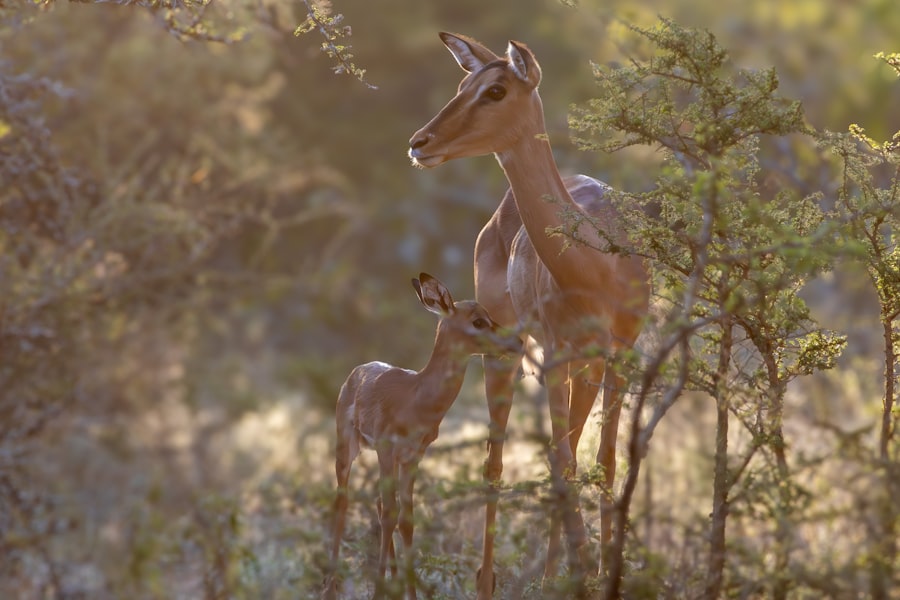
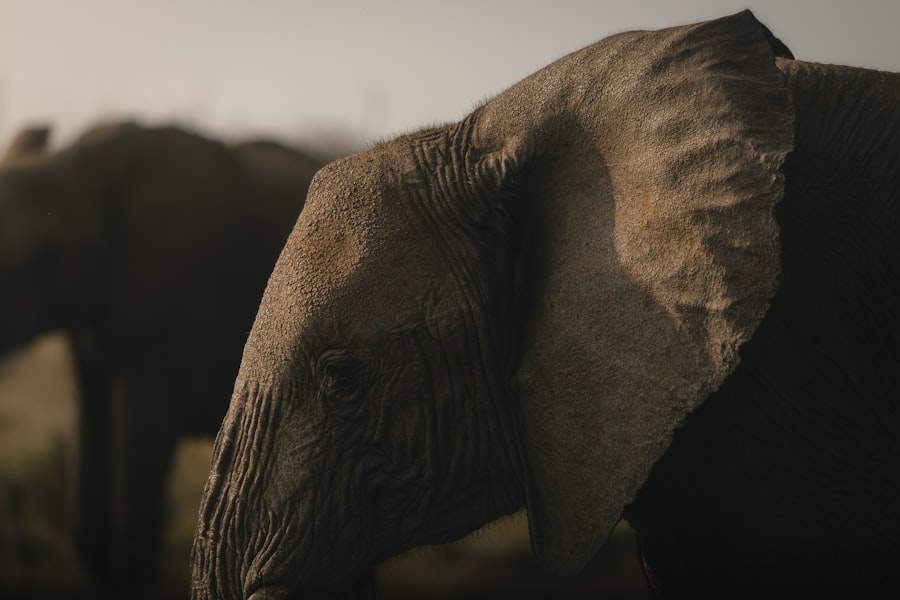
The documentary’s most captivating sequences focus on the biodiversity of the Green Sahara. Through vivid animations and expert interviews, it reconstructs the vibrant fauna that once inhabited this region. We are shown herds of wild horses, ancient cattle, giraffes, elephants, hippopotamuses, and a wealth of other animals that are now extinct in the Sahara or confined to much smaller, more specific habitats. The film’s visual effects are crucial here, bringing these long-vanished creatures to life in their natural environment, grazing on lush grasslands and drinking from abundant water sources.
Predators and Prey: A Balanced Ecological Web
The portrayal of this ecosystem is not just about showcasing diversity; it’s about illustrating a functioning ecological balance. The documentary depicts the intricate relationships between predators and prey, highlighting the complex food webs that sustained this thriving environment. The presence of apex predators like lions and hyenas further emphasizes the richness and self-sufficiency of the Green Sahara. This detailed ecological tapestry underscores the profound loss that has occurred as the region has succumbed to aridity.
Domesticated Life: The Dawn of Pastoralism
Beyond the wild inhabitants, the film also explores the impact of these favorable conditions on early human populations and their domesticated animals. It showcases how the abundant grazing lands supported large herds of cattle, sheep, and goats, providing sustenance and resources for human communities. The documentary suggests that the Green Sahara might have been a crucial crucible for the development of early pastoralism, a turning point in human history.
Humans in the Green Sahara: Early Civilizations Flourish
The Rock Art Revelation: Stories Etched in Stone
A significant portion of the documentary is dedicated to the archaeological evidence left behind by the people who lived in the Green Sahara. The film takes viewers to remote rock art sites, revealing thousands of ancient petroglyphs and engravings that offer unparalleled insights into their lives, beliefs, and the environment they inhabited. These artistic expressions are not abstract creations; they are vivid depictions of hunting scenes, animal life, human figures, and even seemingly mythical beings, providing a direct window into the past.
The Murals of the Past: A Visual Chronicle
The documentary meticulously analyzes these rock art panels, highlighting the recurring themes and symbols. Viewers are shown images of people interacting with the abundant wildlife, herding cattle, and participating in ceremonies. The sheer volume and detail of the rock art suggest a rich and complex culture that thrived for millennia. The filmmakers, working alongside archaeologists and anthropologists, guide the audience through the interpretation of these ancient narratives, making them come alive.
The Rosetta Stone of the Desert: Deciphering the Symbols
The film emphasizes the importance of these rock art sites as historical records. It argues that they act as a form of “Rosetta Stone,” allowing us to decipher aspects of human history that might otherwise be lost to time. The consistency of certain motifs across vast distances suggests established cultural connections and shared traditions among the dispersed populations of the Green Sahara. The documentary positions these art forms as vital evidence of advanced human societies adapting to and thriving in this once-fertile landscape.
Settlements and Societies: Evidence of Advanced Cultures
Nomads of the Lakeshores: Establishing a Presence
The documentary explores the evidence of human settlements, ranging from temporary campsites to more permanent villages. It highlights how people were drawn to the abundant resources offered by the lakes and rivers, establishing thriving communities along their shores. The film discusses the discovery of artifacts such as pottery fragments, tools, and hearths, which help to piece together the daily lives of these ancient inhabitants.
Tracing Ancient Footprints: Archaeological Digs
Viewers are taken on a journey to archaeological dig sites, witnessing the painstaking work of excavating these ancient settlements. The careful revealing of artifacts and structural remains provides concrete evidence of human activity and adaptation. The discovery of structures that suggest organized living, communal spaces, and defensive features points towards the development of complex societal structures.
The Agricultural Revolution’s Prelude?
The film also delves into the possibility that the Green Sahara witnessed early forms of agriculture and animal domestication. It presents evidence of cultivated plants and the management of livestock, suggesting that these prehistoric populations were not simply hunter-gatherers but were actively shaping their environment and developing innovative ways to sustain themselves. This challenges the notion that such developments only occurred in the Fertile Crescent.
The Great Drying: Climate Change’s Ancient Hand
The Shifting Monsoons: The Retreat of the Rains
The documentary candidly addresses the inevitable end of the Green Sahara period. It explains that the same orbital cycles that ushered in the humid era eventually reversed, leading to a gradual but inexorable weakening of the summer monsoons. The film meticulously reconstructs this climatic transition, illustrating how the life-giving rains began to recede, pushing the Sahara back towards its arid state.
The Cycle of Aridity: A Natural Phenomenon
The narrative stresses that this aridification was, to a significant extent, a natural process driven by long-term astronomical cycles. The documentary provides a scientific explanation for the decrease in solar insolation, which weakened atmospheric circulation patterns, including the crucial monsoon system. This explanation is delivered with clarity, allowing viewers to grasp the profound power of Earth’s natural climate variability.
The Desertification Begins: A Slow Transformation
The film shows how this reduction in rainfall led to a progressive drying out of the landscape. Lakes began to shrink, riverbeds turned to dust, and vegetation Cover thinned. The transition from a verdant paradise to a parched desert was a gradual process, unfolding over centuries, but its effects were profound and ultimately irreversible for the established ecosystems and human societies.
The Green Sahara documentary explores the fascinating transformation of the Sahara Desert from a lush, green landscape to the arid environment we see today. This shift has significant implications for understanding ancient human civilizations and their adaptations to climate change. For those interested in delving deeper into this topic, a related article titled “The Day of Two Suns: Ancient History Unveiled” provides valuable insights into how ancient societies thrived in changing climates. You can read more about it here.
Lessons from the Past: Implications for the Future
| Metrics | Data |
|---|---|
| Documentary Title | Green Sahara |
| Release Year | 2021 |
| Director | Unknown |
| Duration | 90 minutes |
| Production Company | Discovery Channel |
| Subject | Climate change, Sahara desert, Greening initiatives |
Echoes of the Present: Climate Change and Human Impact
The documentary powerfully connects the historical narrative of the Green Sahara to contemporary issues of climate change. It draws stark parallels between the natural aridification of the past and the accelerated desertification we are witnessing today, largely driven by anthropogenic factors such as deforestation, unsustainable land use, and greenhouse gas emissions. The film serves as a potent reminder that climate change is not a new phenomenon, but our current impact is unprecedented in its speed and scale.
The Fragility of Ecosystems: A Cautionary Tale
The Green Sahara’s transformation is presented as a stark illustration of the fragility of ecosystems and the devastating consequences of prolonged drought and environmental degradation. The film implicitly questions our ability to maintain our current way of life in the face of escalating climate challenges. It highlights how dramatic shifts in climate can render once-habitable regions uninhabitable, leading to displacement and societal disruption.
Resilience and Adaptation: Human Ingenuity Through the Ages
Despite the grim implications, the documentary also finds glimmers of hope. It showcases the remarkable resilience and adaptability of early human populations who, faced with a changing environment, found ways to survive and migrate. The film suggests that understanding these past adaptations can provide valuable lessons for future strategies to cope with environmental challenges. It highlights the ingenuity that humans have demonstrated throughout history in the face of adversity.
Indigenous Knowledge and Modern Solutions
The documentary hints at the potential of integrating indigenous knowledge, accumulated over millennia of living in close connection with the environment, with modern scientific understanding. It suggests that traditional practices, when appropriately understood and adapted, could offer sustainable solutions for land management and climate adaptation in vulnerable regions. This aspect adds a layer of practical relevance to the historical exploration.
A Call to Action: Protecting Our Planet Today
Ultimately, “Exploring the Green Sahara: A Fascinating Documentary” serves as a profound call to action. It encourages viewers to contemplate their role in protecting the planet and to understand the interconnectedness of climate, environment, and human civilization. By revealing a forgotten world teeming with life, it underscores what is at stake and the urgent need for collective effort to avert irreversible environmental damage. The film leaves a lasting impression, urging a deeper respect for our planet and a commitment to its preservation for future generations. The narrative arc, from the vibrant life of the Green Sahara to its eventual drying, and then to the reflections on our present challenges, is carefully orchestrated to leave the audience with a profound sense of wonder, responsibility, and hope.

The Ancient World Buried Beneath the Sahara
FAQs
What is the Green Sahara documentary about?
The Green Sahara documentary explores the theory that the Sahara Desert was once a lush and fertile region, and examines the evidence supporting this idea.
Who produced the Green Sahara documentary?
The Green Sahara documentary was produced by a team of researchers, scientists, and filmmakers who are dedicated to uncovering the history of the Sahara Desert and its potential as a green and habitable region in the past.
What evidence is presented in the Green Sahara documentary?
The documentary presents evidence such as geological data, archaeological findings, and climate models that suggest the Sahara Desert was once a green and fertile landscape with rivers, lakes, and abundant wildlife.
Where can I watch the Green Sahara documentary?
The Green Sahara documentary may be available for streaming on various platforms, such as streaming services, educational websites, or through the production team’s official website.
What impact does the Green Sahara documentary aim to have?
The Green Sahara documentary aims to challenge the common perception of the Sahara Desert as a barren and inhospitable place, and to inspire further research and exploration into the history and potential future of the region.